Good Reasons for Limits on Building Heights
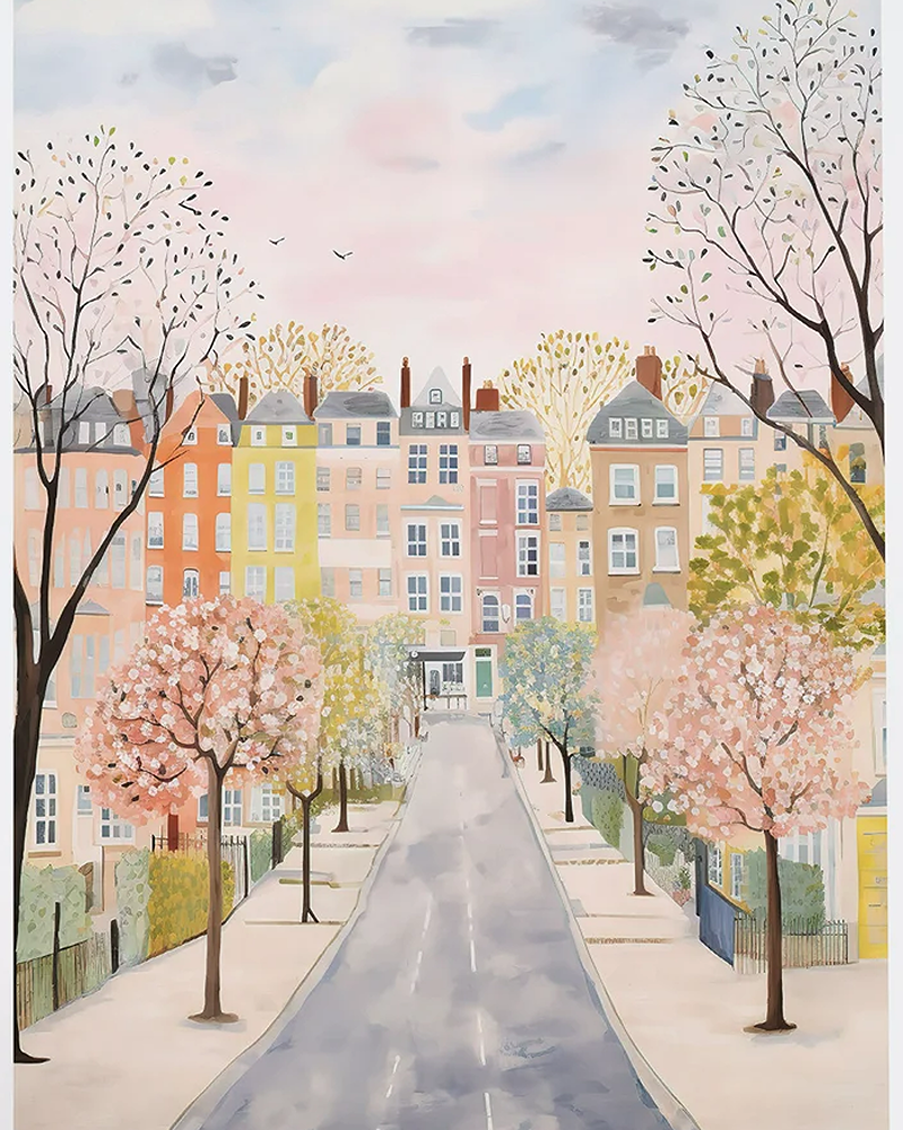
Town planners involved in New Urbanism (like Andres Duany) all say that the ideal building for residents (or even offices) should ideally be no more than four or five storeys high. This what happens in many cities abroad, that were planned this way hundreds of years ago.
Mixed neighbourhoods foster communities where people look out for one another, enjoy street views and are safer. We only have to think of tragedies like Grenfell Tower or 9/11, to see what happens when chaos ensures in a skyscraper (Grenfell was 24 storeys high, with 72 people and many animals dying).
Although the fire was started by an accidental electrical fridge fault (campaigners want a ban on the sale of plastic-backed fridges, the tragedy of course was made far worse by combustible cladding, but also because it took so long for people to get out of their homes. Two of the residents (who died in the fire) had even warned of the dangerous design.
Even notwithstanding fire risks, high-rise buildings do not foster community. If you want to go anywhere, you have to either walk up and down a huge uninviting stairwell, or use a lift that some people don’t like using, and requires regular maintenance. We’ve all seen documentaries about ugly tower blocks with graffiti on the walls inside.
They don’t exactly look very nice places to live, even though the people themselves still (like Grenfell) manage to create a strong community, because that’s usually what happens, when you put lots of people together. But they deserved better. Especially in one of London’s richest boroughs (Kensington and Chelsea).
London Fire Brigade have since launched the Total Recalls campaign, asking for a ban on plastic-backed white goods (like chip fat fryers, these are a main fire risk).
Easier Evacuation and Quicker Response Times
When you do have fires in buildings, four storeys is the distance that most people can manage by stairs, in under two minutes, especially when lifts fail or alarms sound. It’s ‘doable’ for parents carrying children or pets, older neighbours can be guided down, and firefighters can use ladders to charge hoses. Fire chiefs can control the scene from street level.
Building Tighter Communities
New Urbanism is a town planning style very popular in the USA. The Florida town of Seaside (featured in The Truman Show film) has a mix of residential and small shops, a multi-faith church and pretty parks, all with low buildings and walkable communities.
Same with the Alabama town of Mt. Laurel, which has beautiful buildings, and you can walk to the farmers’ market or even the fire station. There are two dog parks (one for boisterous dogs, the other for older dogs to potter). Neither town has huge skyscrapers.
Replacing old low-rise buildings with high-rise glass buildings has also contributed to bird strike (where birds get confused from reflections of plants in windows). If you live or work in one, turn lights off when not in use (or use desk lamps and close the blinds) and never face indoor plants to outside. Read more on how to stop birds flying into windows.
In low-rise communities, you see real faces and body language. Residents can nod to the shopkeeper on walking by, wave to a neighbour on a balcony, or check on the older resident who sits by the window, people-watching. Simple human contact builds trust.
Pocket neighbourhoods have ‘shirt-tail aunties and uncles’, who look out for children and pets, who play on communal lawns, while residents talk of the latest political news with the widowed elder, as he or she returns from the newsagent with a daily paper.
Shorter buildings are ‘kinder to the mind’. Although it’s good to sometimes see only nature (and it’s likely onto to do this now at the sea, looking over the horizon), if you live in a high-rise building, you are not likely seeing tall trees. But other tall building views.
In low-rise buildings, you can see parks and birds, you can see people walking their dogs or teenagers giggling about their latest boyfriends and girlfriends on the street corner. You can see the local paper delivery boy on his bike, or views of the local pocket parks.
Tall towers often isolate people. We’ve all read of awful situations, where people have been dead for years in high-rise buildings, and nobody has even noticed, until automatic payments stop, and bailiffs turn up and find the body.
We need more community. In all western countries, we hear tragic tales of people having been dead for days, weeks or months. This would never happen in countries with real community. People looking out for each other.
Why Paris (France) Has Low-Storey Buildings
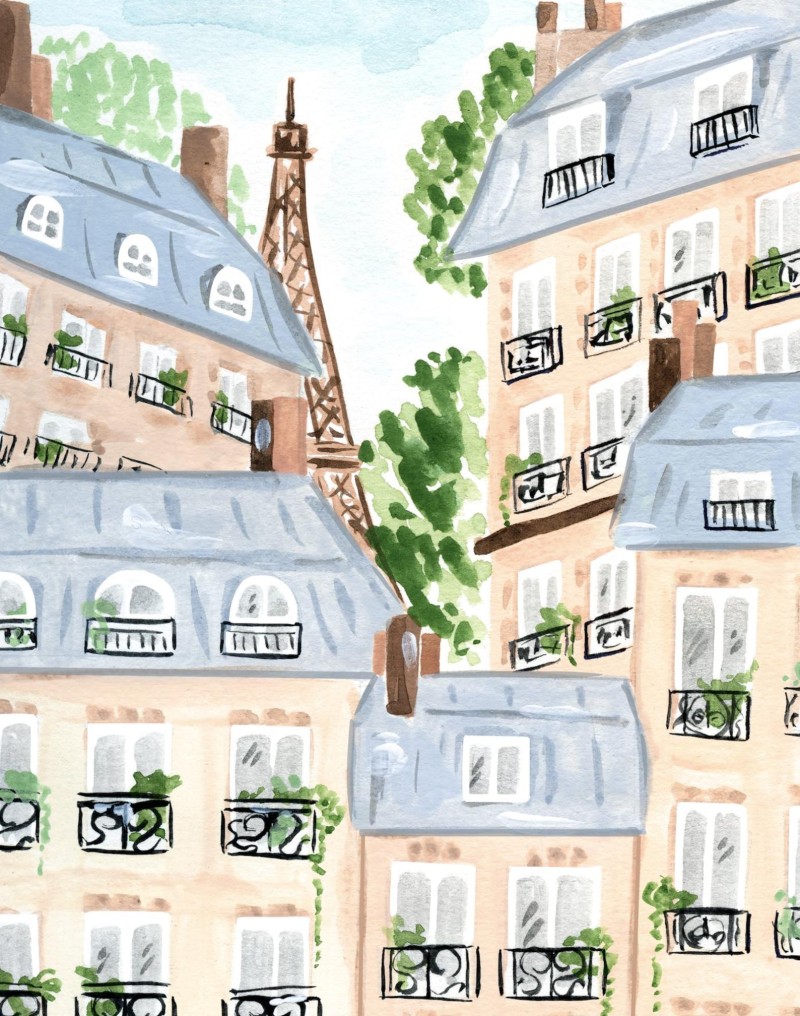
If you’ve ever visited the beautiful city of Paris in France, you will notice something quite different to city architecture in most English cities. Apart from a few tall structures (like the Eiffel Tower), there are no tall buildings.
Paris was purposely built this way, in order to ensure that everyone has nice views over the city. It also means the city is built on a grid system, so it’s easy for everyone to walk from one place to another (that’s why French people stay so slim!)
It also gives rise to mixed-use neighbourhoods. So unlike some English cities (where you have to drive on a motorway to reach an out-of-town supermarket to buy food), in Paris people simply pop outside their door, walk around the block, and buy fresh loaves from the boulangerie. Or cake from the patissierie!
These grid systems and buildings have been around for years, which is why the city is so beautiful to look at and walk around. It still has atmosphere – no boarded up shops or streets full of empty buildings or vape shops. Residents and shopkeepers live near each other, and everyone still knows each other by name, in each arrondissement (like London boroughs).
Budapest: Vibrant Life in Low-Rise Districts
In the Hungarian city of Budapest, buildings are not allowed to be more than just over 300 feet (around the height of big Ben). Again, this means the city (rebuilt after the Second World Far) is free from ugly tower blocks, and contains like Paris, historic streets and façades, with cornice lines. Councils had to block proposals for tall towers near the Danube, after public protests.