Night Explorers: England’s Nocturnal Creatures

When the sun goes down and most people drift off to sleep, England’s wild side stirs to life. The night brings a shift in the countryside and city parks as secretive creatures step out to hunt, feed, and roam. Some of our most loved animals show their true nature, when the stars are out. Masters of the night, from garden visitors to woodland wanderers.
Click each link, to find out more about each species, and how to help! Also learn of reasons to avoid light pollution (to help birds, native wildlife and marine creatures like sea turtles).
If planting green spaces (say for bats and moths), read about pet-friendly gardens and wildlife-friendly gardens. And trees to avoid near horses (including yew, oak and sycamore).
Spiky Hedgehogs
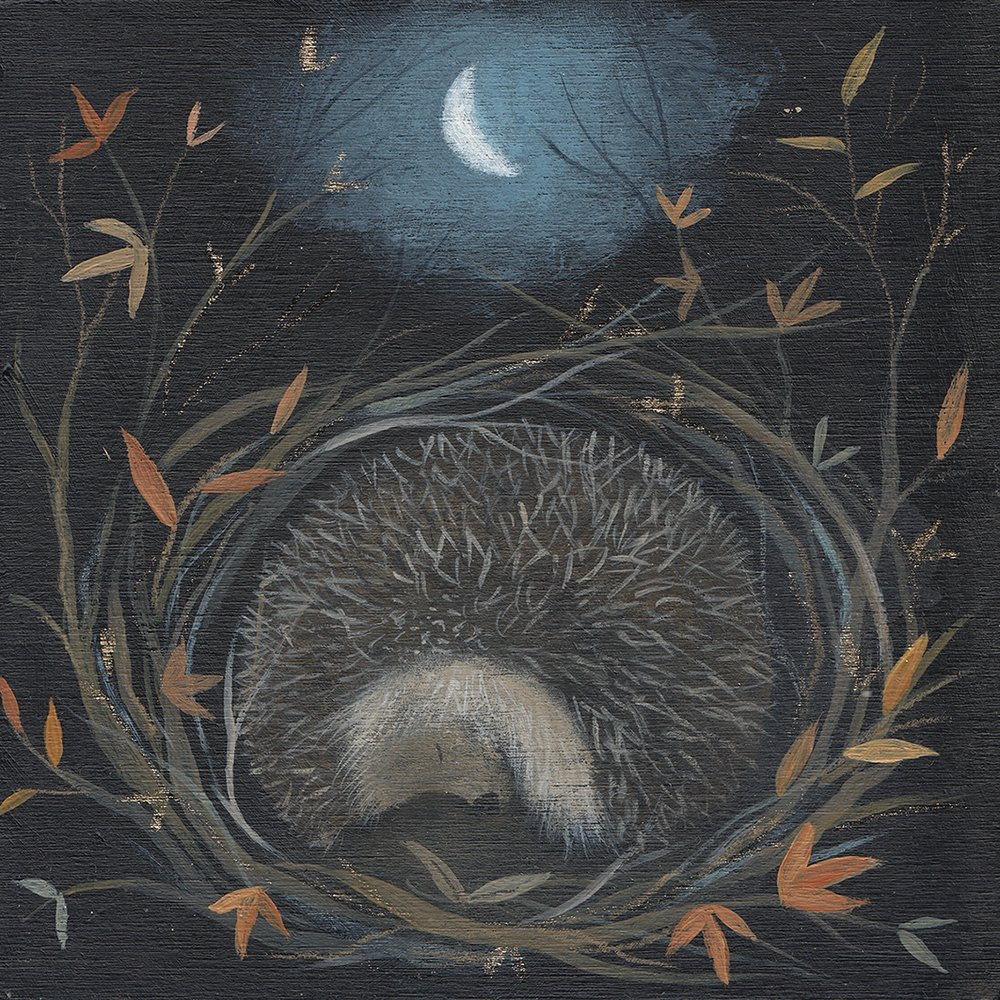
Hedgehogs are among the most beloved nocturnal mammals in England. Curling up during the daytime in piles of leaves or under sheds, they only venture out after dusk. They shuffle through gardens and hedgerows, sniffing out beetles, worms, and slugs. Read more on how to help endangered hedgehogs.
Lack of natural habitat has led them to end up being blinded by car lights, which is why so many are in car accidents. Read our post on making roads safer for wildlife.
Wise wild Owls

Owls have long been tied to English folklore as shadows in the night. Tawny owls, barn owls, and little owls are the most common across fields, woods, and even churchyards.
They glide silently, using sharp eyesight and hearing to catch mice, voles, and insects. Their eerie calls define the soundscape of the English countryside at night and let other wildlife know a top predator is on patrol.
Again, owls have suffered due to lack of natural habitat, and again often are at risk of roads, water troughs and rat poison. Read more on how to help our wild owls.
Beautiful Bats
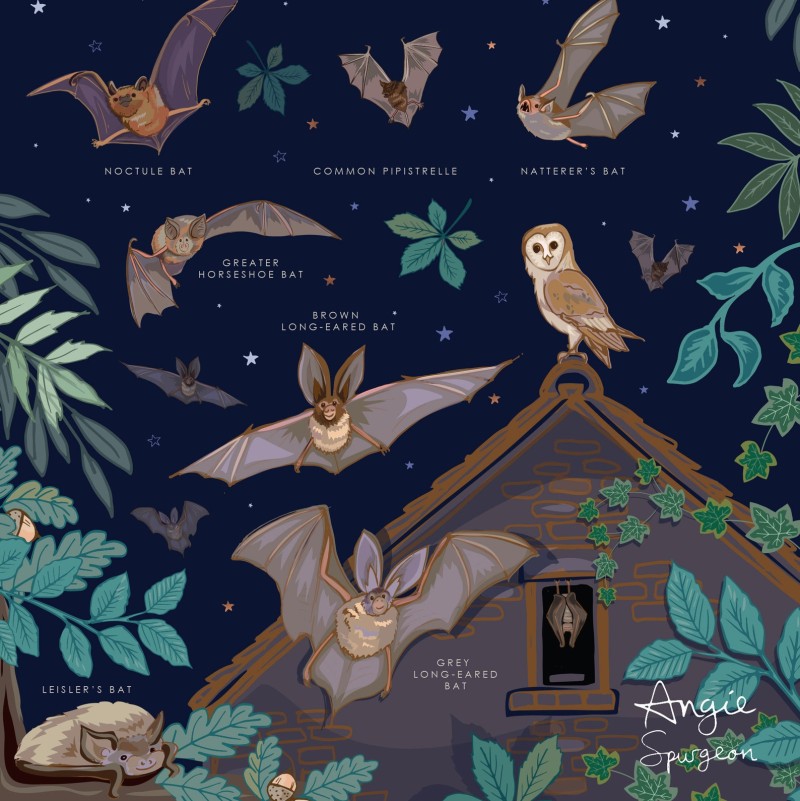
England’s bats wake up when the light fades. These skilled flyers (England’s only flying mammals) hunt for insects through dusk and into the small hours, using echolocation to pinpoint their prey. Pipistrelles are the tiniest British bats, yet they are frequent guests in urban and rural areas alike.
From old barns to modern attics, bats find roosts in unlikely places, returning each night to patrol the skies. Yet again, they have suffered due to lack of habitat.
Read more on how to help endangered bats.
Fantastic Foxes
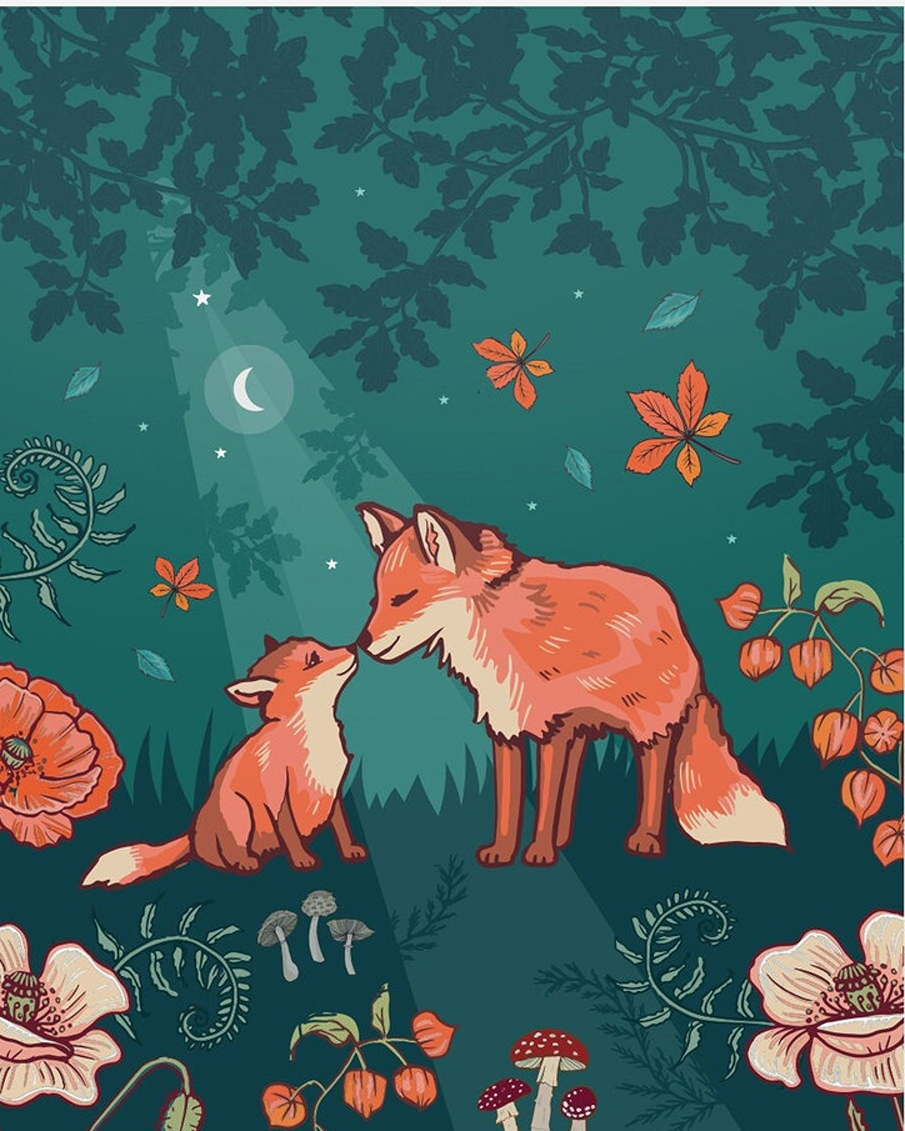
Urban and rural foxes alike are sometimes seen during the day. But favour the cooler, quieter hours of night. Foxes thrive in cities, villages, and farmland, often heard barking or seen as swift shapes darting through the dark.
Their diet adapts to what’s locally available, from rats and rabbits to leftover scraps and berries. Night-time gives foxes the freedom to move safely and hunt with less risk. Lack of habitat and people dropping litter are their main hazards.
Read more on how to help wild foxes.
Stripey Badgers

Badgers are among Britain’s most secretive animals. Strong but shy, they live in family groups called clans in networks of tunnels known as setts. At dusk, badgers slip out to search for earthworms, roots, and insects.
Although their digging expertise is unmatched, they rarely show themselves in daylight. Look for signs of their tracks and well-trodden paths near woods and open fields.
Read more on how to help wild badgers. Also read our post on preventing bovine TB (without culls) to help cows, badgers and farmers.
Yellow-bibbed Pine Martens
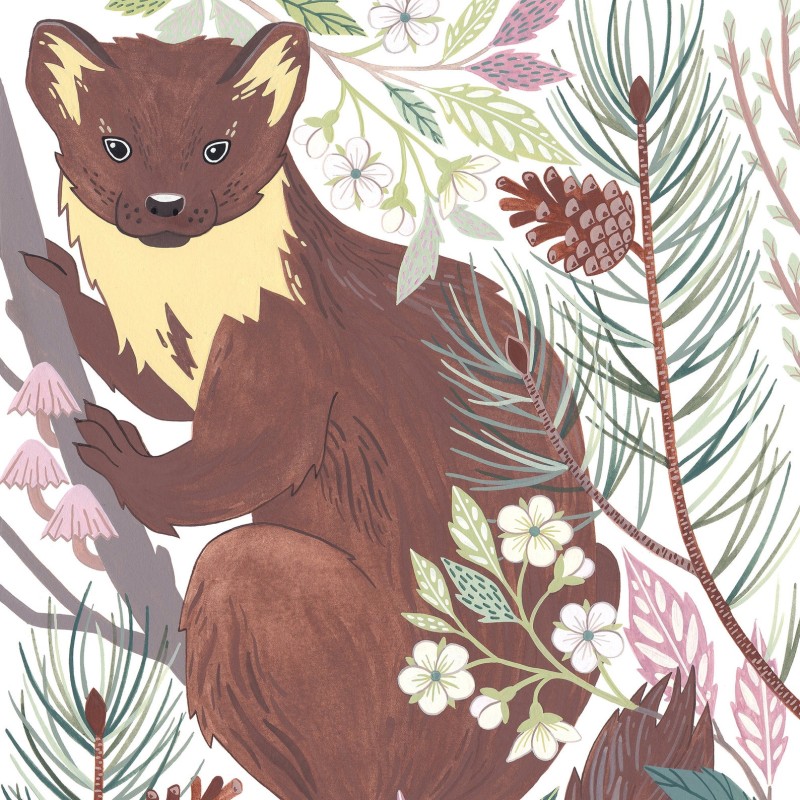
Pine martens stick to remote, wooded areas in northern England but are making a slow comeback. With bushy tails and cat-like agility, they travel through the treetops and forest floor.
Whilst mainly active at night, pine martens seek birds, small mammals, and fruit. Silent and wary, they stay out of sight, rarely spotted except by patient wildlife enthusiasts or camera traps.
Pine martens are rare in England, but are natural predators of grey squirrels, so rewilding projects are bringing them back, as part of a natural way to help endangered red squirrels, without poisoning greys.
Sleepy Dormice

Hazel dormice are star sleepers by day, tucked in nest balls high up in shrubs and trees. At night, they wake to feast on pollen, berries, and nuts. Dormice are rarely seen due to their tiny size and nocturnal habits, but their presence hints at a rich, healthy habitat. They move carefully among branches (they love hazelnut trees!), keeping safe above ground.
Learn more on how to help our sleepy endangered dormice.
African (visiting) Nightjars
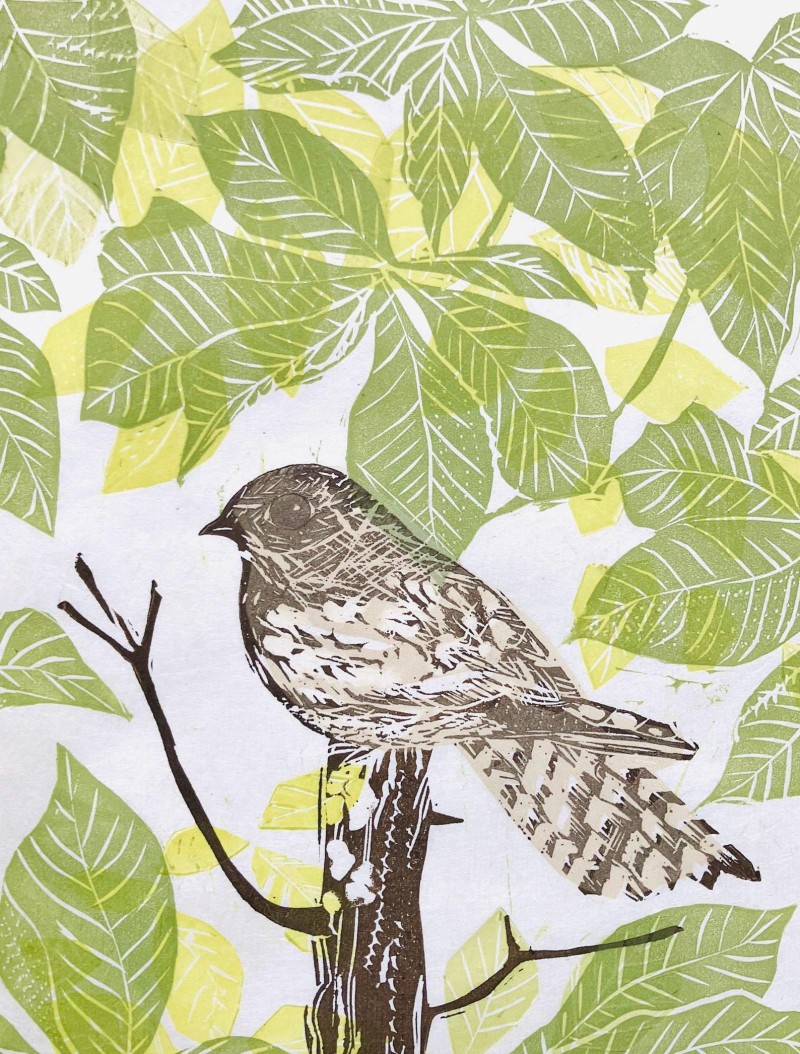
Nightjars are summer visitors, returning each year to heathlands and open woodland in southern England. During the daytime, their camouflaged feathers keep them hidden from view.
At dusk, they arrive with strange churring calls, hunting moths and insects. Mysterious and cryptic, nightjars fly close to the ground and rest hidden in leaf litter.
Read our posts on creating safe havens for garden birds, and help to stop birds flying into windows.
Mysterious Moths

Not all butterflies fly by day—many of England’s most striking species are moths that live for the night. Large and small, moths come in a variety of colours and patterns, many drawn to garden lights or wildflower patches after dusk.
Moths are key pollinators, keeping many native plants thriving. Their fluttering presence supports bats, birds, and other night-time hunters.
Learn more on why moths matter.