How to Become a Local Conservation Volunteer

Looking to give back to your community while protecting the environment? Volunteering as a local conservation volunteer helps you meet new people, learn practical skills, and make a real difference close to home. Here’s how you can get started with conservation volunteering in your area.
Find Conservation Groups Near You
Start by searching for local organisations dedicated to conservation. These groups often run regular sessions in parks, nature reserves, and urban spaces. Most have websites or social media pages where they post events and volunteering opportunities.
If volunteer gardening learn, how to create pet-friendly gardens and wildlife-friendly gardens. Avoid facing indoor foliage to gardens, to help stop birds flying into windows.
Decide What Interests You
Many conservation volunteers focus on canal, litter, or park clean-ups, while others get stuck into tree-planting, dry stone walling, or wildlife monitoring. Think about what tasks appeal to you.
If you enjoy being outdoors, physical activities like planting or clean-ups are rewarding. For those who prefer quieter work, wildlife monitoring or data collection are great options. Choose something you’ll look forward to.
Here are some typical volunteer roles to think about:
- If you enjoy being active outdoors, become a habitat restorer (planting, building, clearing)
- If you like teaching or leading groups, become an education volunteer (school visits, talks, guided walks)
- If you are good with details and records, become a wildlife surveyor (monitoring birds, plants and insects)
- If you enjoy social media or writing, become a publicity volunteer (creating posts, writing newsletters)
- If you love working with your hands, become a practical volunteer (woodwork, repairs, tool maintenance)
- If you like meeting people, become an event supporter (help at stalls, meetings, open days)
Think of your volunteer role as a good pair of walking boots—they fit best when matched to your size, shape, and needs. By taking the time to match your skills and interests, you’ll find an opportunity where you contribute, grow, and enjoy making a difference.
Assess Your Skills and Strengths
Volunteering projects need a wide range of skills. You don’t need previous experience for most entry-level volunteering, but it helps to know what you’re good at. If you’re handy with tools, dry stone walling or habitat restoration may suit you.
For those with an eye for detail, recording wildlife sightings helps build valuable records. Ask yourself what you enjoy and where you could help most.
Sign Up and Register Your Interest
Once you’ve picked a group and activity, register as a volunteer. Most organisations require you to fill out a simple online form with your details and interests. Some may ask for references, ID, or a brief chat to check your suitability for certain roles, especially if working with vulnerable groups.
Attend an Intro Session or Training
Many groups offer an introduction or taster session. You’ll learn about the group’s work and what’s expected. Safety training and tool demonstrations are common, especially for tasks involving heavy lifting or working on steep ground.
Don’t worry if you’re new; these sessions aim to help everyone feel confident before getting involved.
Join the Conservation Volunteers
TCV (The Conservation Volunteers) lets you offer your services to plant trees, clear paths and build walls nationwide, often with weekend volunteers (free tea and biscuits included).
You’ll be restoring paths , building stiles and handing out cuppas to new friends. All volunteer projects are supported by a trained leader, with safety briefings and tools/protective clothing.
Volunteer to Clean Up England’s Canals

Or by the waterside, volunteer as part of the Towpath Taskforce with Canal & River Trust to help restore historic canals.
From lock-painting to hedge-planting or simply clearing litter and weeding gardens, the taskforce leader will run through what’s to be done, assign tasks and demonstrate safe use of equipment.
Keep dogs on leads near canals (especially near ducks) and likewise children, as banks can be steep. Don’t swim in canals, as rivers can carry disease.
Wear suitable outdoor clothing and sturdy shoes, and bring a packed lunch. Waterproof clothing or sunscreen is also advised, depending on the weather.
Never use human sunscreen on pets. And wash off sunscreen before letting pets kiss you, due to toxic zinc oxide.
Park and Street Litter Clean-Ups
Cleaning up local litter is a good place to start. Join or start a group with Cleanup UK, you’ll find lots of free help and tools. Wear old clothes, bring gloves if you have them, and stay aware of safety information provided by leaders.

Or visit the coast for a volunteer beach-clean.
Read our post on keeping dogs safe by the seaside.
Tree-Planting and Habitat Restoration
Planting native trees and shrubs supports wildlife, helps improve air quality, and creates new habitats for birds and insects. Many groups host autumn and winter planting sessions. Habitat restoration can also mean clearing scrub, sowing wildflowers, or repairing damaged areas.
If planting green spaces, read about pet-friendly gardens and wildlife-friendly gardens. And trees to avoid near horses (including yew, oak and sycamore).
Trees for Cities is the main non-profit helping people in England to plant more trees on streets and in urban areas. Which could even help reduce reduce deaths in heatwaves, by reducing temperatures. Use the app to check if your council is signed up, then choose a park or street where you would like trees planted.
The Orchard Project began in London, but now trains volunteers nationwide to plant (and care fore) trees to provide free fruit and nuts for communities. This also helps to restore veteran orchards and create wildlife habitats (leave some fruits for the birds!)
Incredible Edible began in Yorkshire, and is now a worldwide movement to grow and provide free food for communities. Grow herbs at railway stations or vegetable gardens in schools. Local people can help themselves to local fruits off trees, when they want to make a pie!
Take Part in Wildlife Monitoring
Some conservation groups run wildlife surveys to record sightings of birds, insects, or mammals. Volunteering here means spending time outdoors, learning about local species, and contributing to citizen science. You may use simple recording forms or apps. All findings help build a better picture of local wildlife health.
Dry Stone Walling or Other Skills
Dry stone walling is a traditional skill that’s important for managing countryside habitats. Many conservation groups offer training so volunteers can help repair and rebuild walls. These projects help maintain rural landscapes and support biodiversity. Other skills might include hedge-laying or pond maintenance.
Support Wetland and River Projects
Wetland preservation helps protect rare species and boosts water quality. Volunteering in wetlands often includes planting reed beds, managing invasive plants, or surveying water life. If you like working near water and don’t mind getting muddy, these sessions can be very satisfying.
Stay Committed and Flexible
Conservation projects run year-round and change with the seasons. Sign up for regular workdays or join special events when you can. If life gets busy, pick projects that fit around your schedule. Even a few hours every month makes a difference.
Share Your Experiences With Others
Chat with other volunteers, share photos and tips, and help welcome new starters. Volunteering is a great way to make friends, learn, and get inspired by other people’s stories. You might even take on more responsibility as you gain experience, such as leading small groups or organising events.
Read More on Conservation Volunteering
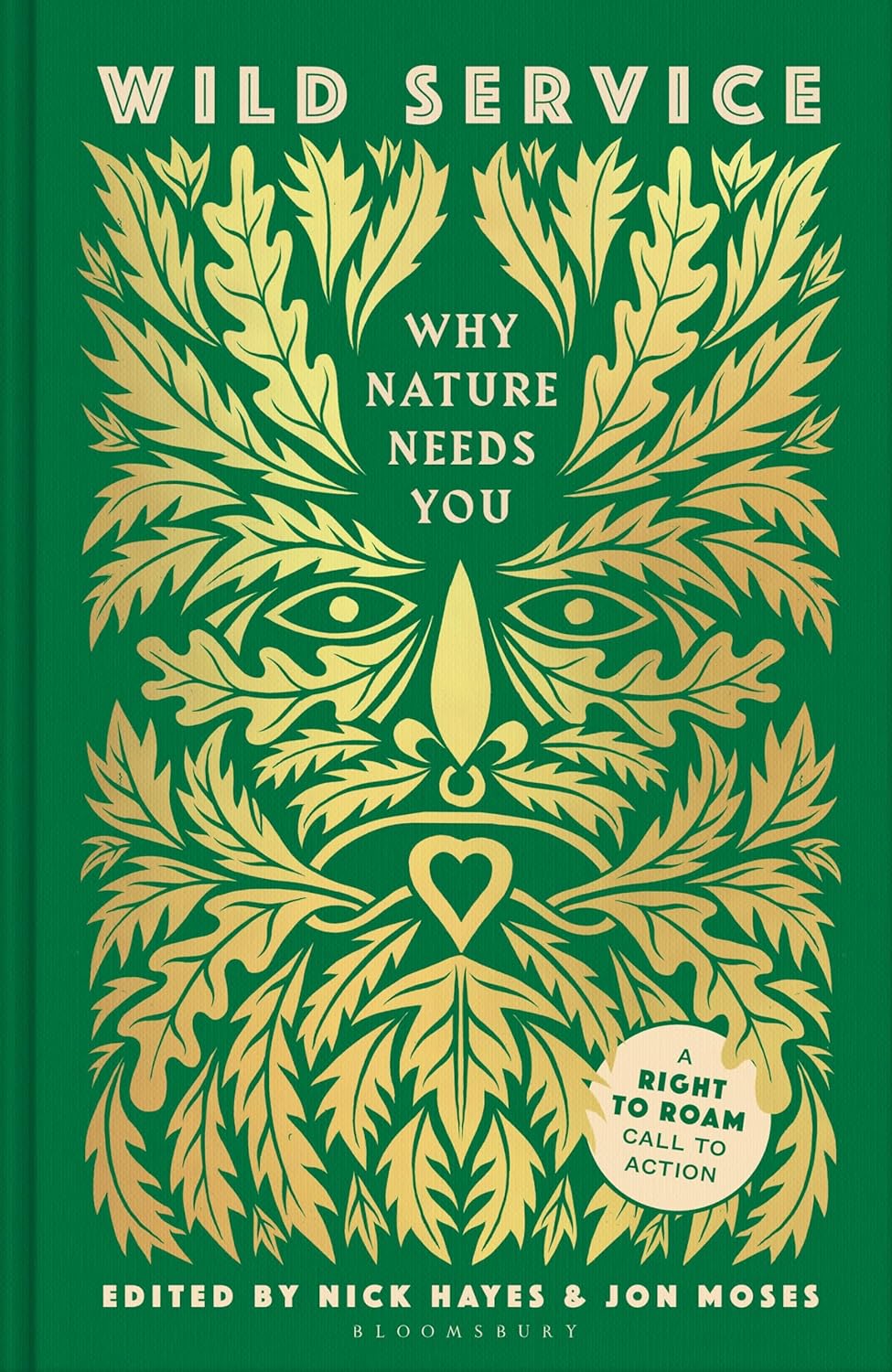
Wild Service: Why Nature Needs You is a rallying call to the new army of nature’s defenders. Meet a cast of ‘guerrilla gardeners’ who neither own places they protect (nor have permission to restore them). But they’re doing it anyway.
This book is a celebration of ‘friendly anarchist’ spirit and a call for others to join in. So whether you live in the countryside or city, and want to protect your local river (or save native flora) this is your invite to rediscover the power in participation – the sacred in the service.
Nick Hayes is a writer, illustrator and printmaker. who has worked for the Literary Review and exhibited at the Hayward Gallery. He lives on a canal boat, with no fixed address.