Essential Reasons to Save Our Fabulous Forests

Forests are more than just a patchwork of trees. They’re alive with colour, sound, and movement. Whether you love wildlife, strolls with your dog, or simply clear air, saving forests is in everyone’s interest.
They support eco-systems, offer countless daily benefits, and hold stories from the past. Here’s why we should work together to save our forests.
If walking in the woods with dogs, learn of toxic plants like bulbs and mushrooms to avoid near dogs. Also know trees to avoid near horses (including yew & oak).
Keep away from grey/white caterpillars (oak processionary moths that cause allergies and breathing difficulties – contact a doctor/vet).
Also cordon off affected trees from livestock and horses. Mostly found in London in warm weather, report to your council and Treealert.
Public Forests Belong to Everyone
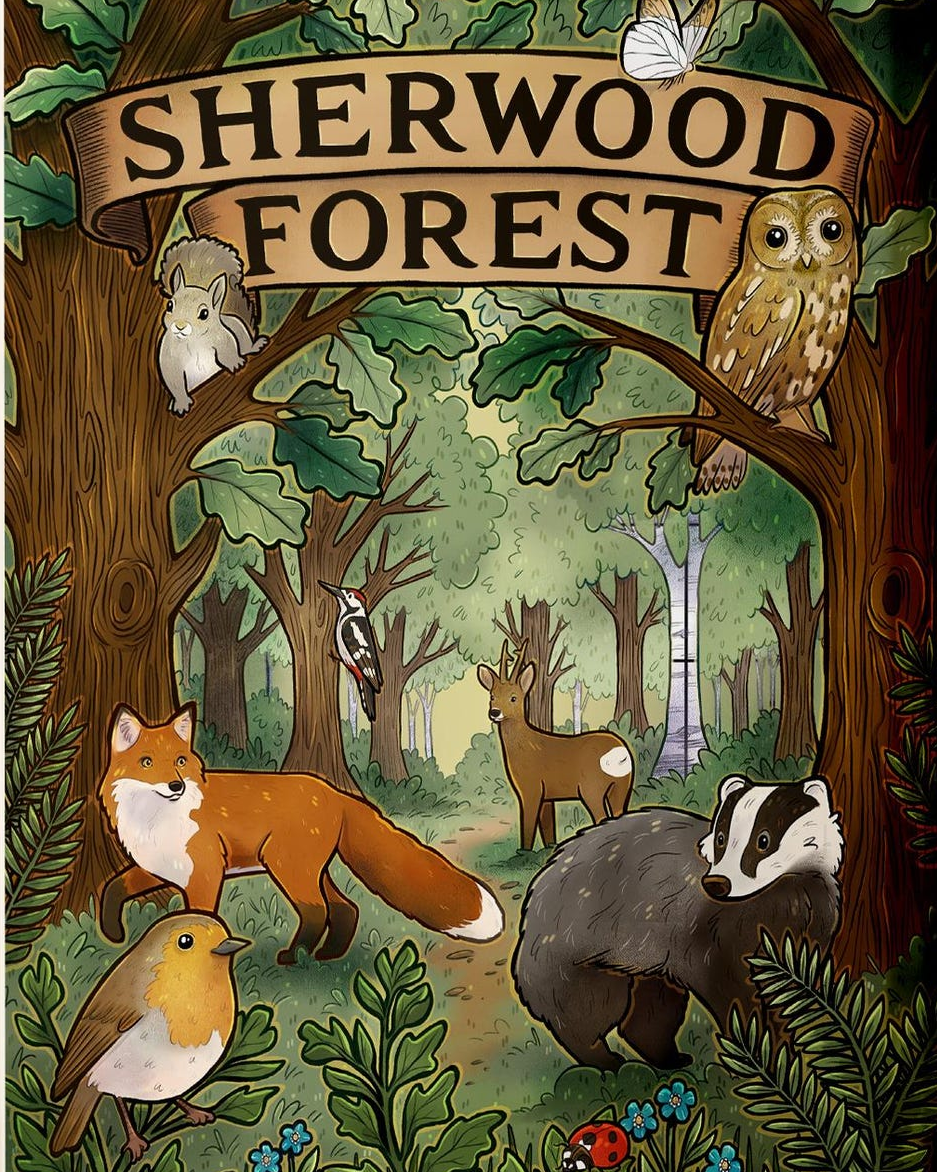
Forests in public ownership are a shared treasure. They offer free access for walks, learning, and play. Keeping them public means they’re managed for people, not just profit. When private firms take over, access often shrinks and what once belonged to all of us can be lost.
Did you know that a few years back, the government tried to sell off our remaining public forests to private companies. It was only stopped, due to a huge petition at 38 Degrees.
Homes and Food for Birds and Wildlife

Forests not only provide wild land for badger setts and homes in the tree, but all the berries and nuts offer free food. It’s a feast for wildlife, from robins to squirrels to deer. Rare plants also depend on our forests.
And although it would be nice to think that all species are vegetarian, they aren’t. So the forest gives free essential food for owls and other birds of prey, or wild foxes. Saving forests is also protecting the nesting sites of birds, and the food chains, that keep nature in balance.
Free Fruit and Nuts
Forests also provide free food for you! If you like to go foraging (always do this responsibly, and leave some for wildlife – don’t pick mushrooms if you don’t know what you’re doing, they could kill you and your dog).
Our forests offer up such beauties as free blackberries, elderberries, hazelnuts and chestnuts. Or if you are not foraging them, some other creature will be. If there are hazelnut trees nearby, there are almost certain dormice!
Cool Shade on Hot Days
Urban heat island effect is rising our temperatures in towns and cities. Trees not only look beautiful and help to reduce climate change, they also provide shade for people and other creatures, especially in rising temperatures.
They also help to prevent floods, by soaking up heavy rainfall. Nearby towns and villages to forests, will be lower in temperatures, when the trees remain.
Wild Beauty and Calm
You’ve likely heard of ‘forest bathing’, but you don’t have to study the method used in Japan. Just walking through a forest is enough to lift your spirits or calm you down. Just walk slowly through the trees and notice the sights, sounds and smells of the woods.
The Best Dog Walks!
Forests are top spots for walking dogs. As long as the forest is safe and accessible, dogs go to heaven, when they visit a forest – all those interesting smells! They also get fresh air and exercise.
Keep dogs away from mushrooms, bluebells, conkers are all spring bulbs like crocuses, tulips, lilies and daffodils.
Purifies the Air We Breathe
Forests act as giant air filters. Trees soak up dust, chemicals, and pollutants, leaving the air fresher and healthier. Parks and woods in cities lower asthma rates and shield children from dirty air. More forests mean cleaner lungs for everyone.
Protects Our Shared History
Many forests hold traces of the past. Old tracks, stone walls, rare trees planted long ago, and even ancient burial mounds hide under the trees. By saving our forests, we keep hold of all these stories, signs, and secrets, letting future generations discover them in the wild, instead of seeing them lost to building sites.
Recently, England’s second-oldest pear tree in Worcestershire was chopped down, in order to make way for HS2 high-speed rail (which will kill around 22,000 wildlife each year when built, when compared with TGV in France. All climate experts say it’s a big white elephant that won’t help reduce climate change.
They want the money instead invested in better rolling stock, and better community transport. Barn Owl Trust says that HS2 is ‘a very expensive way of killing owls’.
The eco-vandalism of Sycamore Gap tree in Northumberland quite rightly got a lot of publicity in the media. But nobody seemed to care that the official chopping down of an ancient pear tree to build something nobody wants, did not.
What We Can Learn from German Forests

90% of Germany’s forests are heavily protected by law, and the 72 tree species are home to up to 10,000 animals and plants. Tree are so protected that there is even a word for it: Bannwald.
Can You Hear the Trees Talking? (by a German forester) is an interactive illustrated book for young readers, teaching how trees feel, communicate and take care of their families.
Learn about the ‘wood wide web’, aphids (who keep ants as pets!) and nature’s water filters. Also learn how trees get sick, and how we can help them to get better.
Trees sometimes nourish the stump of a felled tree for centuries after it was cut down, by feeding it sugars and other nutrients, so keeping it alive. If a tree falls in the forest, there are other trees listening.
When thick beeches support and nourish other trees, they remind me of a herd of elephants. They too look after their own, and help their sick and weak back up on their feet. They are even reluctant to abandon their dead. Peter Wohlleben
How Pine Trees Helps Native Wildlife
The Scots pine is the only native pine in England, often seen in old forests and heathland. Its reddish bark and long, blue-green needles make it easy to spot. This tree grows tall and straight, reaching up to 35 metres.
Pine trees can be toxic to pets and livestock, and the needles should be kept away from pets. Read our posts on pet-friendly gardens and sustainable Christmas trees.
The Scots pine grows well in poor, sandy soil, and often planted for sand dune stabilisation and shelter along the coast, thanks to its ability to handle salty winds and sandy soils. Its resin was once used to make turpentine, a traditional woodland product.

Although it’s true that the Squirrelpox virus (carried by grey squirrels) can harm red squirrels, the main reason for them being endangered is lack of native woodland.
Red squirrels adore pine trees, that’s why you find more in Northumberland and Scotland. Culling grey squirrels is not the answer, a vaccination combined with better woodlands is. Read our post on saving all squirrels.
How Latvia Protects Its Native Forests
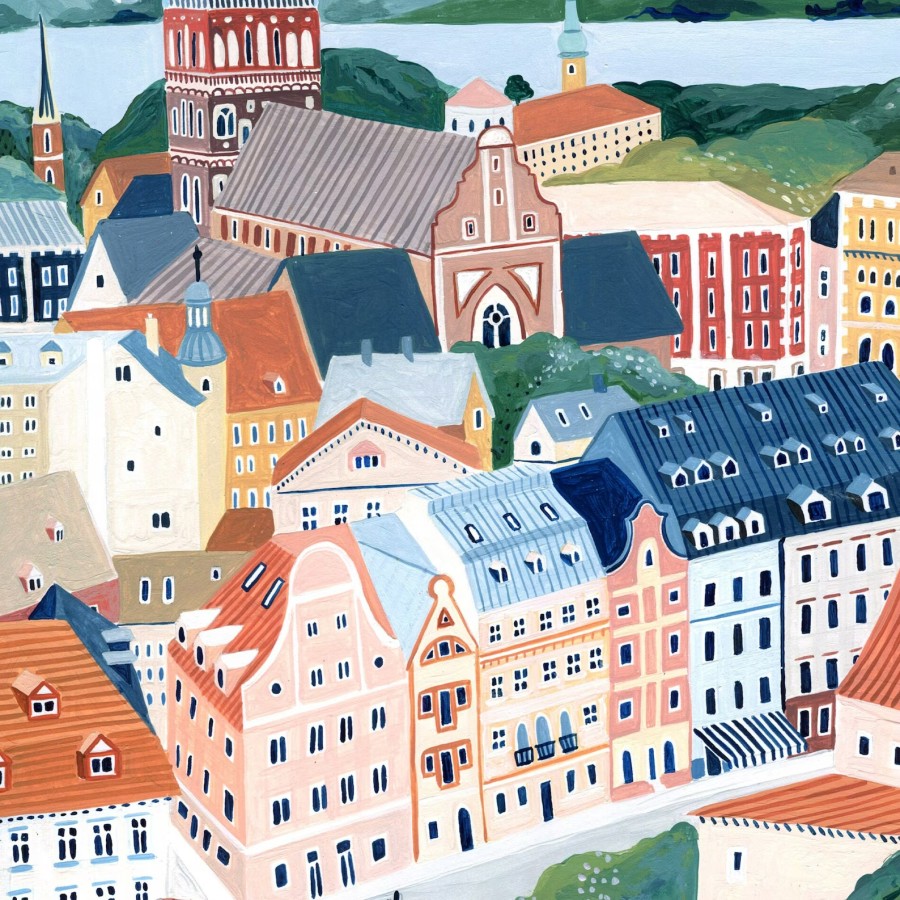
Latvia is home to one of Europe’s oldest languages, here you’ll also find Europe’s widest waterfall, and a country that is 50% protected forest. 10% of Latvia is bog, so pack your natural rubber wellies!
The Forest Law: Rules That Prevent Overexploitation
The Forest Law defines what can be cut, where, and when. Protected zones, such as old-growth stands and riparian buffers, are either no-go areas or have tight restrictions. Clear-cuts are limited in size, and replanting is required within set timeframes. The State Forest Service monitors compliance.