Plant-Based Alternatives to Cod Fish
We are not talking here about the lone fisherman who goes out to catch his lunch. This is not a ‘vegan rant’, more a list of alternatives, as cod is now an endangered species, due to being sold at nearly every fish and chip shop in England, and many fast food chains and supermarket ready-meals.
Alaskan pollock (the fish in McDonald’s filet-o-fish) is now also in danger. One expert says ‘if you don’t know what the fish in your meal is – it’s likely pollock).
Over-fishing hurts wild stocks, and dolphins, turtles, and other sea creatures end up as by-catch. Many people are also worried about mercury and other unwanted chemicals found in cod and pollock.
Read our post on food safety for people and pets.
Over 50% of fish stocks in England’s waters are below safe biological limits. Cod, haddock and plaice face significant declines. Even harmless basking sharks are at risk, often caught in fishing nets.
Due to shortage of cod, some chip shops sell ‘rock salmon’ or ‘huss’ (which is dogfish – shark).
Over-Fishing: A Crisis for Cod and Pollock
Cod once swam in huge numbers along the north Atlantic. Decades of heavy fishing changed everything. Over-fishing doesn’t just mean a drop in dinner options; it can wipe out local economies and hurt the balance of sea life.
Stocks of North Atlantic cod have fallen to a fraction of what they once were. Even with new fishing limits, some cod populations are not bouncing back.
Alaskan pollock is now the world’s most-caught wild fish, processed into fillets, fish sticks, and surimi (the main ingredient in imitation crab). As demand for cod grew, pollock stepped in to fill the gap. This switch has only shifted the pressure from one species to another.
By-Catch: Unintended Victims
One of the harsh truths about industrial fishing is by-catch, or the animals caught by accident. These huge nets scoop up not only cod and pollock but also dolphins, sea birds, turtles, and sometimes even sharks. These other animals often get hurt or die, all for the sake of catching a top-selling fish.
Let’s break down who else gets tangled in the process:
- Dolphins and porpoises (they can get trapped and drown)
- Sea birds (such as albatrosses hooked while diving for fish)
- Sea turtles (caught in deep nets and unable to surface for air)
- Younger fish (that haven’t had a chance to breed, hurting future stocks)
Habitat Damage and Ecosystem Collapse
Fishing trawlers do more than just catch fish; they often drag heavy nets across the ocean floor. This scrapes and crushes delicate habitats like coral reefs and sponge fields. Once these undersea structures break apart, they struggle to recover. Loss of habitat means young fish have fewer places to hide and grow.
Ecosystem health suffers every time we take away too many top predators like cod and pollock. Removing them changes who eats what, sending ripples through food chains.
Mercury: A Stealthy Harm in Seafood
Mercury is a heavy metal that gets into oceans from pollution, often through emissions from burning coal or industrial waste. Small sea creatures take it in, and larger fish like cod eat these smaller creatures. Over time, mercury builds up in the flesh of the fish, especially in bigger or older ones.
Eating fish with high mercury can lead to health problems over time:
- Nervous system issues (especially risky for unborn babies and young children)
- Memory and focus problems in adults
- Muscle weakness and tremors
Here are the groups at the highest risk:
- Pregnant women and those who might become pregnant
- Young children and babies
- People who eat fish often, especially as a main protein source
The NHS suggests limiting certain fish in your diet, recommending that pregnant women eat no more than two portions of oily fish per week and avoid some larger predator fish completely. Cod and pollock are lower in mercury compared to swordfish or shark, but mercury can still add up if you eat fish regularly.
Microplastics: Tiny Threats on Your Plate
It’s now well known that plastics break down into tiny pieces called microplastics. These particles float in the sea and are eaten by fish. Research shows that even cod and other popular white fish can contain these tiny plastics. When we eat the fish, there’s a good chance we’re also eating what they’ve swallowed.
The long-term health effects of eating microplastics are still being studied, but early findings raise concerns about:
- Chemical pollution from plastics (as plastics absorb toxins from seawater)
- Inflammatory reactions in the gut
- Disruption of natural hormones
Risk of Foodborne Illness: Botulism and Other Dangers
Botulism is a rare but serious illness caused by toxins from the bacterium Clostridium botulinum. Fish, especially if stored or prepared incorrectly, can be a source. Homemade or poorly canned fish and some traditional preserved fish products are the highest risk.
Symptoms of botulism include:
- Muscle weakness, often starting in the face
- Trouble swallowing or breathing
- Vision problems
While modern food safety rules have made botulism uncommon, it still happens. Small children, pregnant women, and older adults are more at risk if they eat contaminated fish. Other foodborne infections, like those from Salmonella and Listeria, can also come from undercooked or mishandled seafood.
Why Plant-Based Choices Appeal

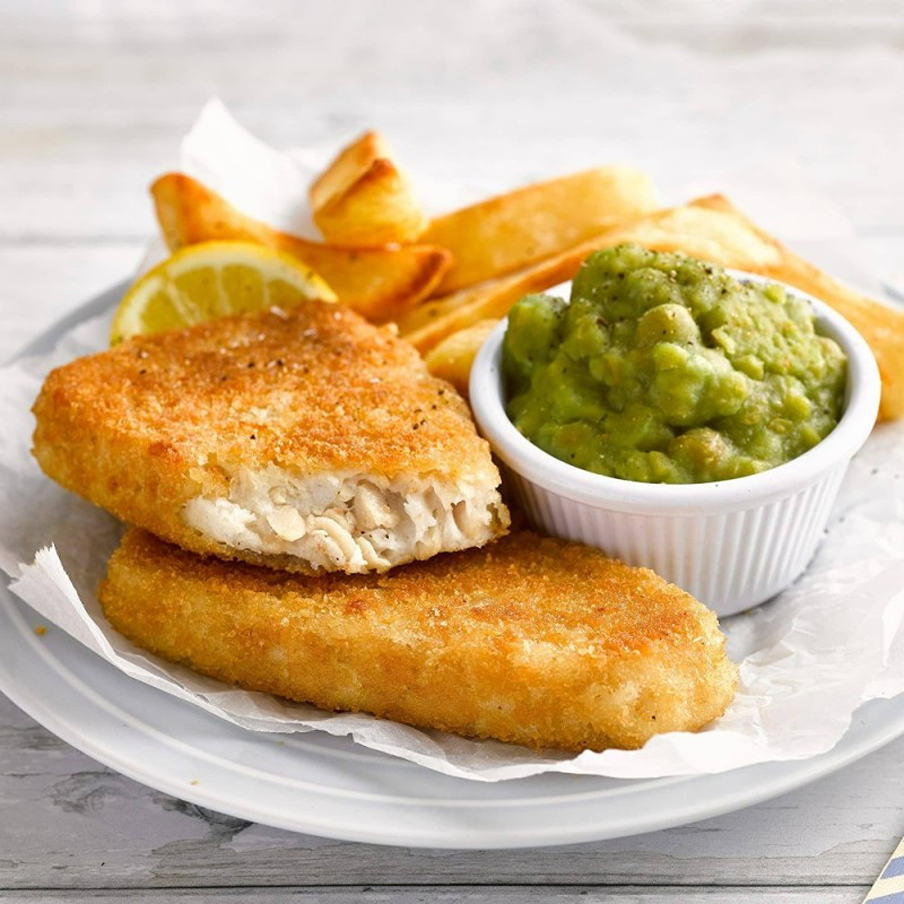
Beer-battered vegan tofish and chips! (Cupful of Kale)
Many people are switching to plant-based fish alternatives because they take the guesswork out of eating. With these options, you skip the risks that come with seafood, while still getting the flavours and mealtime traditions you love.

People with children, or those who are pregnant, find that plant-based choices are a simpler, safer way to eat what they like without second-guessing if their meal contains chemicals or hidden toxins.
Plant-Based Alternatives to Cod
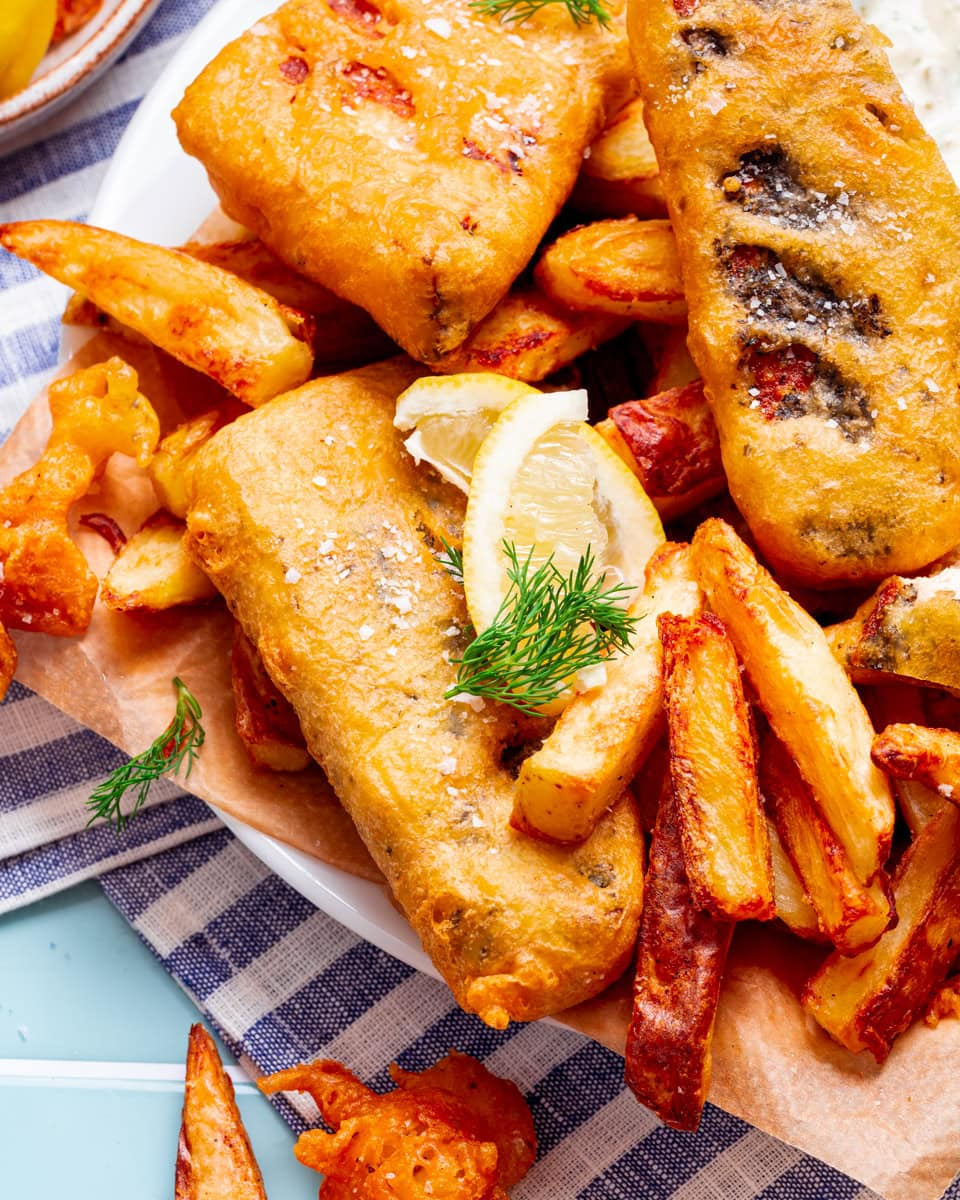
A visit to most supermarkets and a growing number of restaurants will show just how easy it is to find plant-based alternatives to cod.
Popular brands in the UK include:
- Moving Mountains Plant-Based Fish Fillet (rice, wheat, and pea protein)
- Quorn Vegan Fishless Fillets (mycoprotein, wheat, natural seaweed extract)
- VBites Fishless Steaks (soy protein and seaweed for authentic taste)
- Good Catch Fish-Free Fillets (legumes, wheat, and seaweed-inspired seasoning)
Recycle packaging at supermarket bag bins, if your kerbside does not recycle.