Ideas for Safe Effective Exercise for Seniors
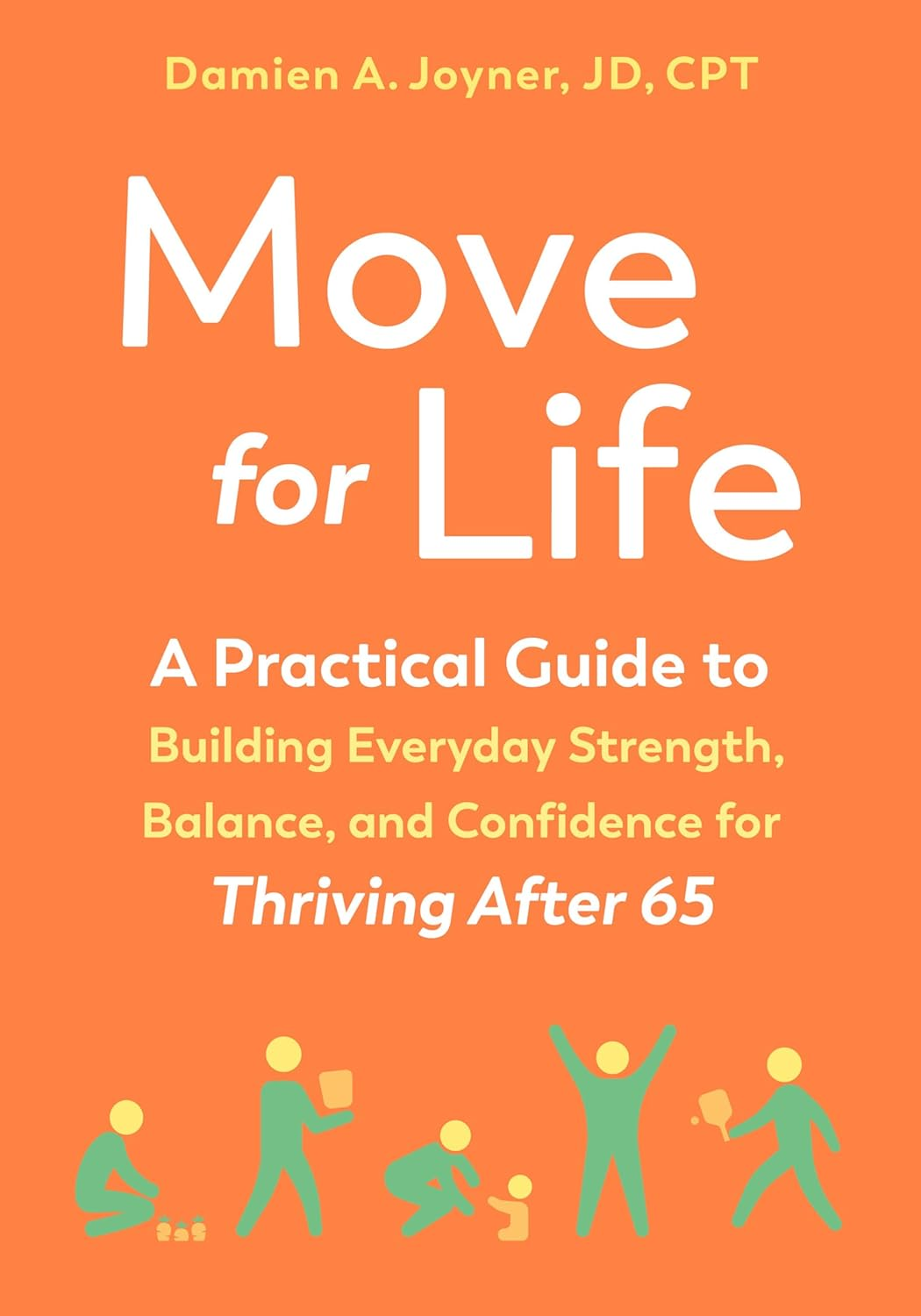
From age 35, we start to lose muscle. And muscle also helps to keep weight off, by raising metabolism. So it’s important to take regular exercise, to stay fit and healthy as we age, which also helps to keep mobile and prevent broken bones.
In Florida, many people in their 80s and 90s take regular exercise (power-walking and lifting low weights), which is far better than the culture here of people sitting around a TV in nursing homes, doing nothing.
Move It Or Lose It is an exercise manual for older adults, from a qualified trainer. The book includes simple photos and warm-ups and cool-downs for safety.
There are exercises to strengthen the legs, chest, arms, hips, thighs, arms (plus exercises for finger dexterity and grip strength). Along with exercises to help you reach up, improve posture, stretch your legs and even pelvic floor exercises.
The book is sold with optional resistance bands (and latex-free versions). Start with the red band (once you can do 3 sets of 10 reps with 1 minute rest), order the next colour up, until you reach black (which you then use for life).
Keep resistance bands away from children and pets, and store rolled up, away from sunlight. They have a bit of powder to stop them sticking together, this will soon disperse.
If you prefer, just buy the band and join local classes or Move it Or Lose It Online Club. There’s a free 30-day trial, then it’s just £5 a month. You don’t have to be ‘old’ to join, this works for anyone!
This organisation can send qualified trainers to visit care homes, to deliver exercises for residents, or can train your staff (exercises can be chair-based for frail residents).
What Are Safe Effective Exercises for Seniors?
Walking is one of the safest ways to stay active. It’s easy on the joints, requires no special equipment and can support heart health, lower blood pressure and help control weight. If balance is a concern, flat surfaces or walking with a friend can help. Good shoes with plenty of grip offer steady footing.
Chair exercises are gentle yet effective for building muscle and improving flexibility. Sitting or holding onto a sturdy chair makes movement safe while working arms, legs and core muscles.
Simple moves like leg lifts, seated marches or arm circles work well. These routines also keep the heart rate up and bring confidence to those worried about falling.
Swimming and water aerobics are gentle on the joints and can suit nearly every fitness level. They can keep you fit, without putting too much strain on muscles or bones. The water supports the body, which helps prevent injury and makes movement less tiring. Local pools often offer special sessions for seniors.
Dancing can raise the heart rate, sharpen memory and lift the spirits, while not being too taxing for slower dances. Look for local classes. Buy some vegan dance shoes!
No-dig gardening uses muscles in the arms, legs and back, while bringing the benefit of fresh air and mental health in nature. Raised beds makes gardening easier for those with joint pain.
Read our post on pet-friendly gardens.
10 Simple Exercises for a Stronger Body
Stronger: How to Build Strength has been described as a ‘book that should be prescribed on the NHS for anyone over 40’. This is a 12-week program by a man who says that most health issues for people under 90 are due to lack of exercise, rather than biological aging.
Written by an osteopath (and former firefighter who has a degree in exercise science), it shows 10 simple exercise that can help to build stronger muscles and bones, supercharge your immune system, and energise your nervous system.
Focus on large muscle groups such as legs, arms, back and stomach. Aim for slow, controlled moves, and rest after each set. Stronger muscles can protect joints and make daily tasks easier.