Reasons to Support Local Veg Box Schemes

Veg box schemes are popping up everywhere, and it’s easy to see why. Delivered weekly or fortnightly to your doorstep (you can pause if you go on holiday or cancel anytime), these support local independent farms, that deliver freshly harvested produce, cutting out the profits of supermarkets or wholesalers.
Sometimes during ‘hungry gaps’ there may be ship-freighted produce (like oranges or bananas). But overall most boxes contain locally grown (usually organic) produce like tomatoes and greens (plus local fruits like apples and pears).
You just look forward to your seasonal surprise box (you can usually swap things, if you don’t like Brussels sprouts), and then just leave your empty crate out, to be replace by fresh produce the next week, with no plastic packaging.
Some fresh produce like onions, garlic and some fruits are not safe near animal friends, so ask for boxes to be delivered to a safe place (like a shed or garage) if you live with pets.
Just bin allium scraps (onion, garlic, scallions, chives, leeks) along with rhubarb and citrus scraps, as the acids may harm compost creatures.
Farmers need a government license to sell to the public (also buy liability insurance). Know food hygiene rules and read up on food safety for people and pets.
If selling flowers and plants, learn about pet-safe gardens, to educate customers. Never face indoor foliage to gardens, to help stop bird strikes.
Enter your postcode to find a local organic veg box scheme.
Cambridge Organic is England’s oldest veg box, situated in the fertile Fens, where nearly all of England’s food is grown. Delivery is kept local to keep food miles low, with no plans to becoming a national box scheme.
Abel & Cole Organic Fruit and Veg Boxes

Abel & Cole shines for its links with local farmers and its care for the planet. The boxes change with the seasons, the packaging cuts waste, and the prices paid help growers thrive. It is a weekly nudge towards better cooking, less plastic, and food that tastes like it should.
Add a Plastic Pick-up Bag to your order then just rinse and dry any soft plastic packaging (from any retailer) then just seal and it will be collected with your empty veg box, for recycling.
Everything is delivered in plastic-free packaging, just leave your box out one week, f
Here is a quick look at how contents can vary through the year.
- Spring (new potatoes, asparagus, spring greens, rhubarb)
- Summer (strawberries, tomatoes, cucumbers, courgettes)
- Autumn (apples, pears, squash, kale)
- Winter (parsnips, carrots, leeks, cabbage)
Add Eco-Friendly Extras Like Organic Oat Milk
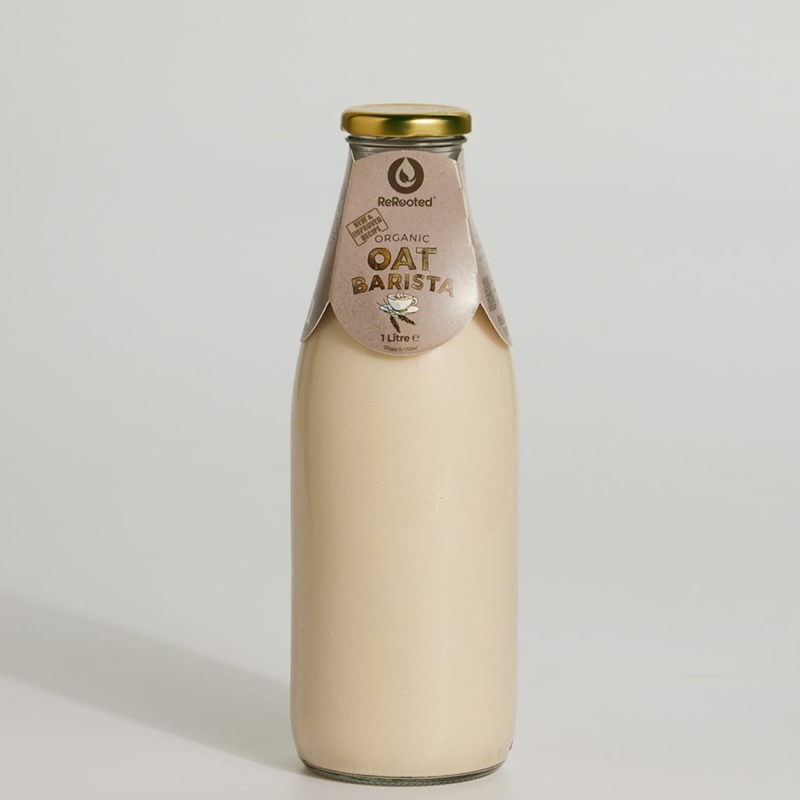
Round out your shop with add-ons. Organic oat drink in returnable glass is a smart pick, easy to pour and kinder to the planet. Pop the empty bottle back in your empty box, and it will be collected on your next delivery. You can add sourdough bread, plant-based yoghurt, or fairtrade bananas moved by sea. It is an easy way to keep more of your shop organic without a separate trip.
Environmental Impact of Veg Boxes
Most veg boxes source from nearby farmers, so there are low or no food miles, this means little oil (no lorries thundering down streets to supermarket central distribution houses etc).
Plus there is no plastic (made from oil) so no litter. And as you only order what you need (say a single box for solo cooks), there’s no waste.
Supporting Local Farmers and Communities
Local veg box schemes support local farmers, so your payment is going direct to the people who grow and harvest the food, rather than supermarkets that take a huge chunk of the profits.
Supporting locally-created jobs (run by locally-owned firms) also helps keep money circulating in local economies. A local farmer is more likely to use local suppliers to mend machinery, write signs and fund services (from insurance to vehicle maintenance).
Health and Freshness
Produce in box schemes is usually delivered within hours (or days at the most) of harvest. Not only does this taste better, but it lasts longer, and is cheaper as food is in season.
Ever bought rock-hard pears from supermarkets? That’s because most are frozen before ripe, then kept in central distribution house fridges, before being shipped to the shelves. If you want a fresh juicy ripe peach or pear, try a veg box!
Veg Boxes That Use Up Food Waste

Veg boxes have changed the way many people shop for fresh food. Gone are the days where only perfect-looking carrots or apples made it to the table. Today, veg boxes that fight food waste put taste, sustainability and fresh produce at the heart of what they do.
These boxes pick fruit and veg that supermarkets often reject because it doesn’t look right, wonky or oddly shaped, but still tastes delicious. With more people wanting to reduce food waste, these unique veg box schemes are making a real difference.
Food campaigner and chef Hugh Fearnley-Whittingstall is not impressed by ‘supermarket wonky produce’. Often it’s the supermarkets themselves that are rejecting ‘imperfect produce’ that means so much of it goes to waste. It then tries to sell the wonky leftovers for more profits.
Despite being a food waste champ, Hugh admits he has a guilty secret. Unlike his wife who will eat the whole apple including the core, he can’t.
He says she can bite off the ends and the middle to leave a tiny stalk, but he is still left with a ‘pencil-sized core!’
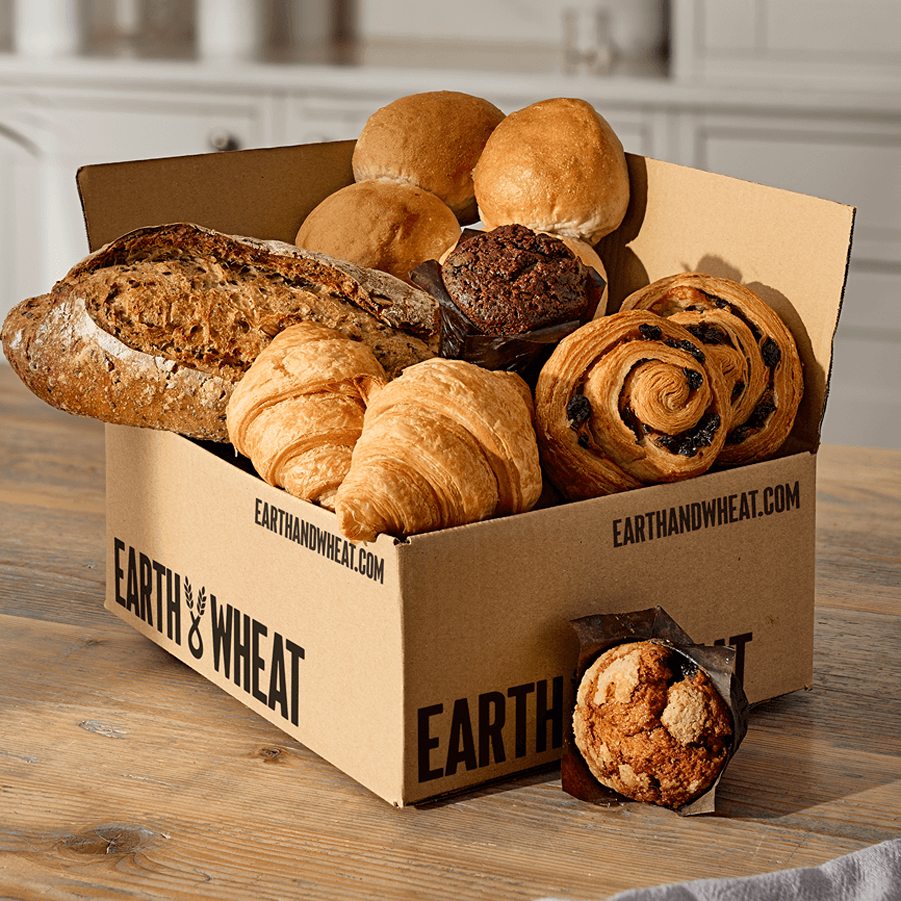
Earth and Wheat is a one-stop wonky food market, that sells wonky fresh produce and bread, that would otherwise go to landfill. The grocery store has vegan options, and the bread is suitable for freezing. Produce that arrives here has been ‘rejected’ due to being:
- Too big
- Too long
- Too many
- Wrong colour
- Blemished
- Wonky
- Too thin
So far this company has rescued over 600 tonnes of food waste. A typical box could contain 1.5kg of fresh baked goods (5 different breads) and up to 5kg of fresh wonky veggies. For instance:
Crumpets, tortilla wraps, folded flatbreads, pitta and naan, plus white potatoes, red onions, peppers, cauliflower, cabbage and broccoli.
Wonky Veg Boxes put ‘imperfect’ vegetables in the spotlight. Working with British farms, they pick fruit and veg that would have been rejected by shops for not looking quite right. Box contents change weekly and often include carrots, parsnips, potatoes and apples with odd shapes or little scars.
By buying a box, families get a mix of seasonal veg that’s just as tasty as standard produce. Wonky Veg Boxes aim to help small farmers by buying what they grow and cutting waste on the land. With box sizes for solo eaters or big families, there’s a plan for everyone.
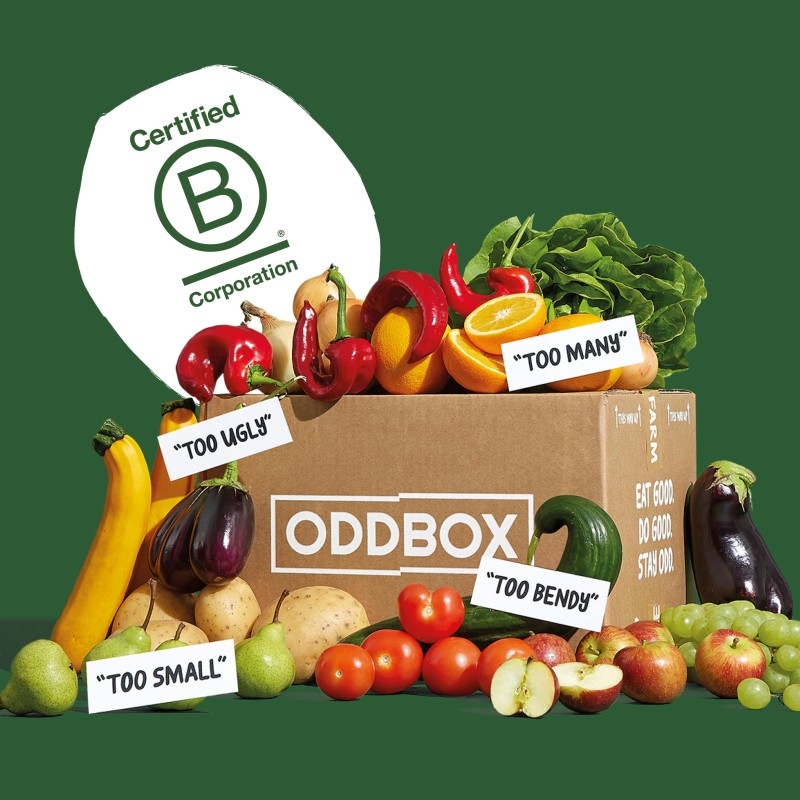
Oddbox isn’t always organic, but rescues ‘wonky’ fruit and veg that shops reject. From dinky apples to curvy courgettes, everything is delivered in plastic-free packaging and regular donations to charity, for each order. Pricing is clear and there’s no fuss, if you wish to pause deliveries.
Every week, you get a surprise box of organic picks, all grown locally or from nearby farms in Europe. Their service focuses on sustainability, with plastic-free packaging. Now nationwide, delivery is overnight, so you can wake up to fresh veg on your doorstep!
London Veg Box Schemes
Riverford Farmers (also nationwide)
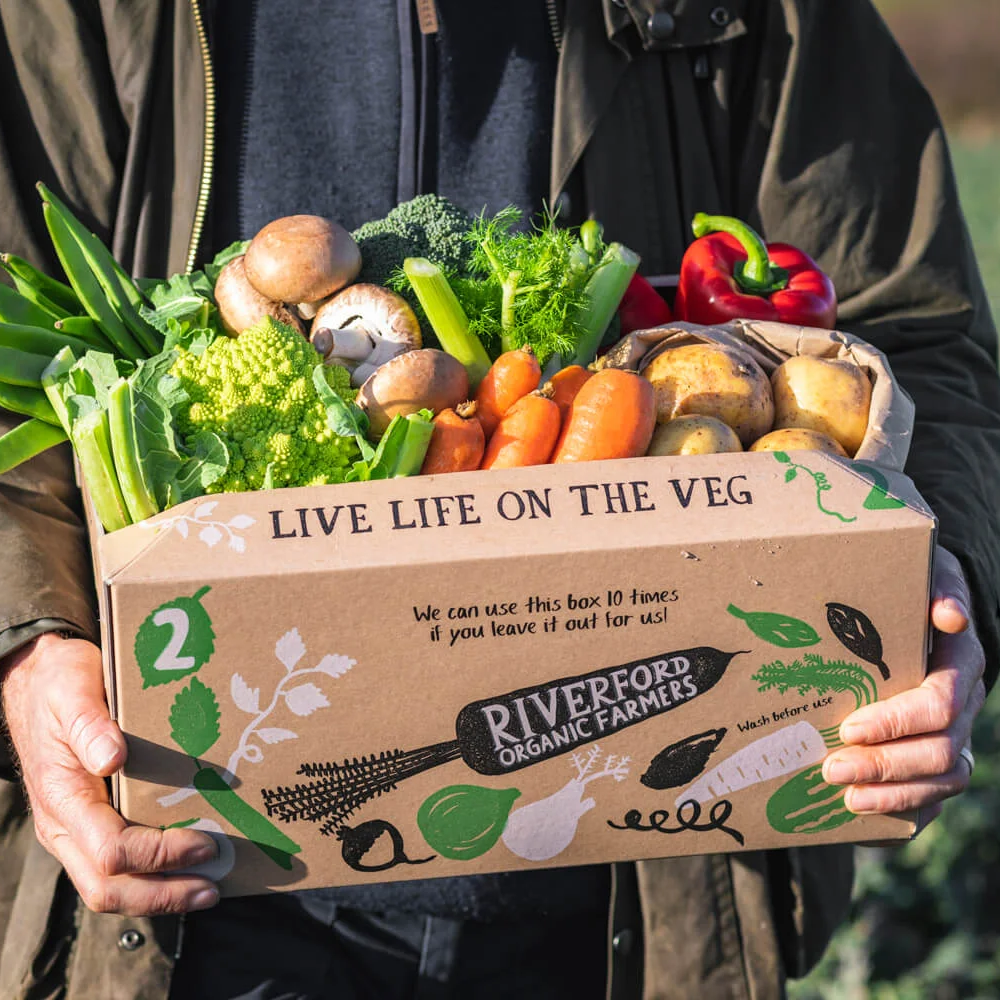
Riverford delivers organic fruit and veg from their family-run farms straight to London homes, and nationwide (just enter your postcode). Their boxes come in different sizes, with set or seasonal options, and you can add extras like salad or bread.
Riverford stands out for their strict commitment to organic farming and farm-fresh taste. All produce is picked to order, often delivered within 48 hours of harvest. They don’t tie you into a contract—pause anytime or skip a week if you’re away.
This company is at the forefront of a nationwide campaign, to ensure that farmers get fair prices for the food they sell to supermarkets (and don’t get shafted by cancelling orders at the last minute etc).
The Food Assembly (community hubs)
The Food Assembly is a community-led service linking customers with local farmers. Order your organic veg box online, then collect it from a nearby pick-up point or have it delivered, depending on the location. You can open an assembly at a local community hall or school, and food is delivered to a local collection point.
Everything is grown or made by small producers around your area, so by ordering, you help support independent growers. Products change weekly based on what’s in season, making it a great way to try something new and keep meals exciting.
Growing Communities (with pick-up points)
Growing Communities is for people in East London (Hackney, Haringey, Bethnal Green and Bow) or South London (Brixton, Herne Hill, Peckham, Dulwich and Forest Hill). Everything here is designed to be super-affordable (boxes start from £10) and they use pick-up points to keep prices low, if wished.
Each £1 you spend with Growing Communities generates £3.70 of value for you, your farmers and your planet. That’s a triple-win! And this social enterprise ends up creating a more resilient food system that is not knocked by ‘shocks to the system’ like rising oil prices, due to turbulent politics.
Farmers working with Growing Communities receive 50% of the price you pay – that’s three times more than most supermarkets pay. And as an organic farm, there’s a lot more wildlife to pollinate the food, and enjoy a few freebies for themselves!
There are various veg bags to choose from. There are small and large bags, fruit-only bags and ones without potatoes (who doesn’t want spuds?!) There are also 30 collection points, kindly hosted by local community and business hubs. It also offers wholesale produce for local shops, schools, restaurants and hotels.
Growing Communities also works with Hackney Food Bank where you can donate the value of your veg box, if you go away (rather than pause the delivery). So far, this has raised £75,000 of free food for local people (demand for food has recently surged by 75%).
As many food banks can’t accept fresh food due to lack of fridges and space, the produce donated is more root veggies and apples, over salad so it lasts longer in the warehouse.
Sutton Community Farm (Also for Surrey)
Sutton Community Farm is the ideal switch, to ‘cook your way to happiness’, delivering fresh organic fruit and veg to households in South London and Surrey. As well as being good for you, the soil and native wildlife, buying your fresh produce here supports local farmers, and keeps money circulating in local economies.
Started by a local environmental charity, today this community interest company delivers over 500 Veg boxes each week, growing over 15 tones of fresh veggies each year. Around 80 volunteers also help out, ensuring that food miles are kept local and organic, providing affordable good food to all.
You can order a box each week (and exclude up to three veggies if you really don’t like Brussels sprouts – why not?!) and you can also donate veg to local causes, to help those in food poverty.
The food is grown on a seven acre site in South London (in the Sutton borough) using open fields and polytunnels. Any food not sourced from here is as local as possible (unless you are ordering bananas!) Annual crops are mostly grown along with fruit trees and buses, and in summer there are flowers for sale.
An Agroecological Farm (what?!)
Sutton Community Farm runs on agroecology principles, which basically is a fancy word for combining ecology and agriculture. This farm has no livestock, instead focusing on growing organic fruits and veggies, without artificial chemicals that cause run-off (a big cause of sewage pollution, so much in the news today).
Instead, these farmers use crop rotation (planting different crops each year). This works a bit like avoiding the same antibiotics, by keeping soil healthy through adding organic matter and growing green manures. Good soil means good food!
This also encourages wildlife pollinators like bees, butterflies and bats, healthy insect populations and helps restore habitats for native wildlife. There are also ponds to help restore habitats for frogs and dragonflies (both are ideal to eat up unwanted guests, without chemicals).
Humans are looked after too (!) with good wages and care.
Over 40 Fruits and Vegetables!
Choose from over 40 types of fruits and vegetables, delivered in reusable jute bags and cardboard punnets, which can be returned the next week. You can order for home delivery, or pick-up-points means food is more affordable, as it saves vans having to drive around delivering to different homes.
There are many types of boxes to choose from (small to large, just fruit or mixed boxes). A typical box may include locally-grown:
- Leeks
- Potatoes
- Spinach
- Cauliflower
- Squash
- Pears
- Plums
Organic Veg Boxes for Kentish Town

Kentish Town Veg Box is an organic box scheme in London, run for and by the local community. It aims to offer affordable veg bags (with optional fruits like rhubarb) in a variety of different sizes bags. Surplus profits are reinvested.
This produce is affordable. It may not be as cheap as supermarket produce, but that’s because their farmers receive around 60% of each pound spent, rather than 10% like most that have to sell to big stores.
Bags contain the basics (onions, carrots, mushrooms etc) along with various other veg, depending on the bag chosen. You can collect from pick-up points (more affordable) or choose to have home delivery, for a small surcharge.
A typical bag will contain:
- Onions
- Rainbow carrots
- Kale and Cavolo Nero
- Aubergines (grown in Kent, not Spain!)
- Lettuce
- Purple-sprouting broccoli
- Savoy cabbage
- Basil (from London, not Italy!)
- French beans
You can can also choose to donate to its solidary fund, which gives discounts on bags to people on low incomes. Camden and Islington now have some of the highest inequality in income in England. So with the cost of living crisis, donations are very much appreciated.