Reasons to Switch to Energy-Efficient Light Bulbs

Energy efficient light bulbs cost a bit more (around £20). But unlike old-fashioned incandescent bulbs (which convert just 5% of electricity to light), LED light bulbs last up to 20 years, and save around 90% on bills (around £40 a year for standard households).
So you can see that one swap, will pay for itself in no time. And also helps to lower greenhouse gas emissions.
LED stands for ‘light emitting diodes’. They are less likely to flicker, likely less annoying and upsetting for children and pets. Flickering bulbs can also be due to loose wires, overloaded circuits, faulty electrics or incompatible dimmers. Consult a qualified electrician.
Turn lights off when not in use, use task lights and blinds, and avoid facing indoor foliage to outside gardens, all these tips help to stop birds flying into windows.
Comparing Energy-Efficient Light Bulbs
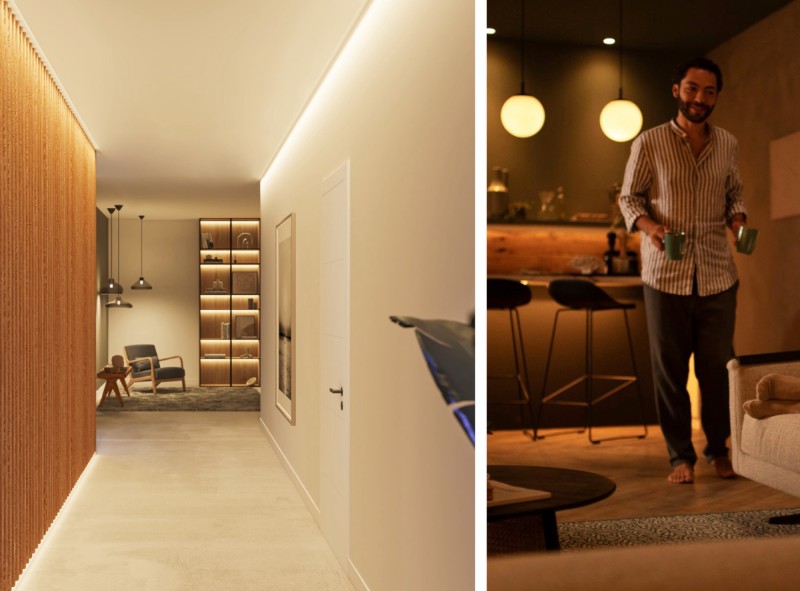
With a lifespan of around 25,000 to 50,000 hours, LEDs easily outlast other options. Choose warm white bulbs for a more eye-comfortable glow, that’s perfect for bedrooms, dining rooms and lounges. Cooler white are more for offices, kitchens and bathrooms.
Understanding Lumens: Choosing Brightness
LED bulbs are not measured in watts, but lumens. A quick guide is:
- 400 lumens: Soft, gentle light for bedrooms.
- 800 lumens: Standard brightness for living rooms.
- 1,100+ lumens: Bright light for kitchens or workspaces.
LEDs need specific dimmer models, to avoid flickering or buzzing, so if used, always check the label that the bulbs are ‘compatible with dimmer’s.
Arrange Fixtures to Bring More Natural Light
- Arrange furniture so you get more natural daylight (but don’t face indoor plants to face gardens, to help prevent birds flying into windows).
- Have switches that are easy to turn off near where you are. But always use a qualified electrician, when dealing with electrics.
- Use sensors on external lights (that turn off, when not in use).
- Dust lampshades and fittings, to help increase the light.
- Remove heavy dark furniture, and paint walls a light neutral colour.
- Position lamps at eye level to spread soft light.
- Use wall lights or uplighters to bounce light off ceilings and walls.
Recycling of Old Light Bulbs
Older light bulbs contain mercury or lead that can pollute soil or water, if broken or dumped at landfill. Unfortunately you can’t recycle old-style lightbulbs, so wrap securely in thick paper and bin. You can however recycle LED lightbulbs, so check your council notices. Many hardware stores and supermarkets now have bulb recycling bins.