Greener Cricket: Hitting Environmental Goals
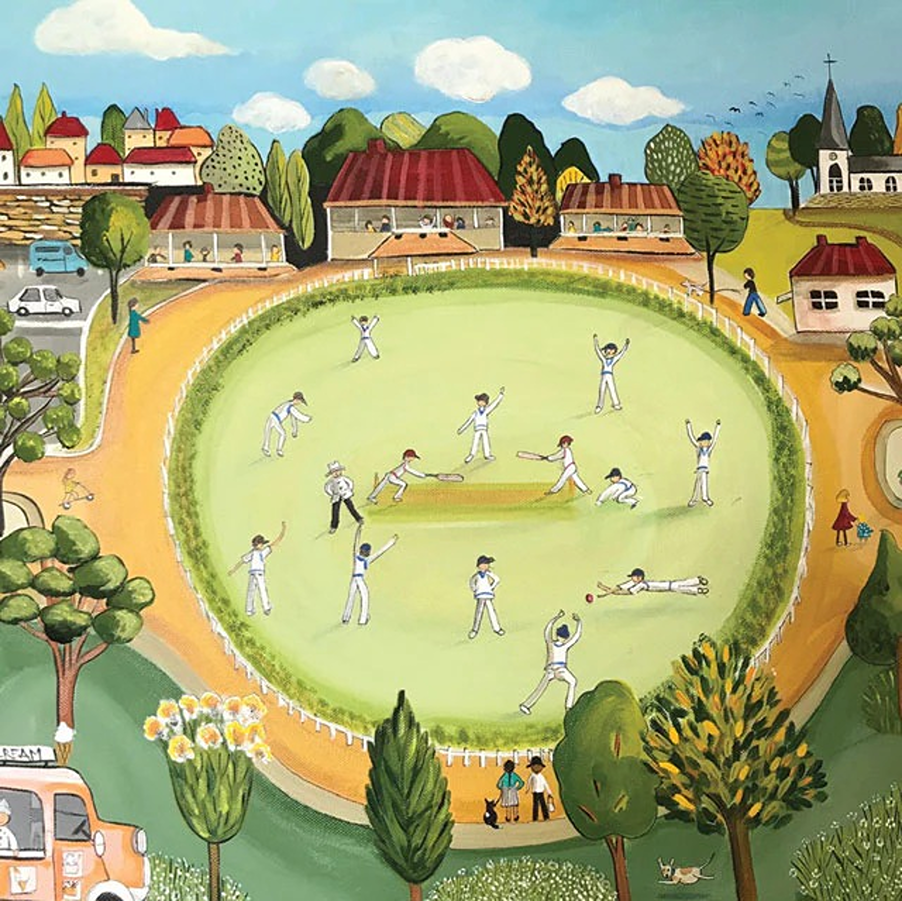
Cricket is one of England’s most traditional sports, often played on Sunday mornings on the village green, with a glass of something bubbly for spectators! But with millions of fans, playing cricket can be at an environmental cost to keep pitches green and bats swinging.
But there are many greener solutions, if you know where to look. Let’s take the planet as seriously as the scoreboard.
Bamboo Cricket Bats: A Greener Alternative
Cambridge Enterprise has done the research, and concluded that bamboo cricket bats are more sustainable than willow, as no trees are chopped down, even if it’s local. England has a shortage of quality willow, which takes up to 15 years to mature enough, to make into wood. And a third of that is wasted during production.
Bamboo grows twice as fast (industrial bamboo is not the same as fresh shoots eaten by pandas). And the cell structure is more regular, so less raw material is wasted.
Vegan Cricket Balls and Ethical Equipment
Traditionally, cricket balls have been from leather, which has both environmental and animal welfare issues. Today’s modern cricket balls can be made from plant-based fibres and also last longer in humid or damp conditions.
The same gear makers are creating vegan pads, gloves and shoes, from sustainable or recycled materials. There’s even talk of fully compostable grip tape and bat handles.
Eco Cricket Lawn Maintenance
The cricket pitch is always a beautiful green, but we don’t want tons of fertiliser, pesticides and daily watering. Now grounds are switching over to organic lawn care: compost-based fertilisers and drought-tolerant grass mixes.
Many groundskeepers have reduced watering through smart irrigation systems and rainwater harvesting. Some have ditched heavy lawnmowers for electric version, to slash noise and emissions.
Grazers (Yorkshire) uses a nontoxic formula to deter unwelcome visitors munching cricket lawns. Don’t use near pet rabbits, as it makes grass unpalatable.
Recycling/Repurposing Cricket Equipment
If you have unused cricket equipment, donate them to others who can’t afford brand new. Many swap schemes are popping up at clubs, helping to circulate old gear and reduce waste.
Terracycle offers a used sports equipment box. For a one-off charge, communities can get together to send all unused and broken sports items out of town, to be recycled into other items. The box accepts all sports balls, rackets and equipment (not wood), plus swimsuits, goggles, water bottles, cycling accessories, exercise mats and disassembled fishing rods & nets.
Lord’s Cricket Ground: Sustainability Initiatives
Lord’s isn’t just the ‘Home of Cricket’. It uses electric (over petrol) lawnmowers and has introduced ReCups to visitors (these can be washed and reused over 100 times, yet robust enough to withstand hot drinks).
Lord’s waste management is serious business too. Separate bins tackle recycling, composting and landfill. Last season, almost 90% of venue waste was recycled or composted.
Did you know the Oval Cricket Ground (along with vast swathes of land including most of Dartmoor National Park and the Scilly Isles) are owned by Prince William. The Duchy of Cornwall is a massive amount of land used for business, yet pays no corporation tax (just voluntary income tax).
Earley Cricket Club: Grassroots Sustainability
Not every club has Lord’s budget, but small teams can have big impact. Earley Cricket Club near Reading proves this with eco-friendly choices. The club banned single-use plastics at matches and invested in reusable drinks bottles for all players. Pitch maintenance uses organic lawn feeds, and they encourage carpooling to reduce emissions.
It was also one of the first to use a synthetic cricket ball (covered in rubber). Good news for vegan cricket players like Virat Kohli. The same club has made their tea menu plant-based.
Edgbaston Cricket Stadium
This cricket stadium also runs on renewable energy, and runs a free shuttle bus for ticket holders from Birmingham New Street Station. It also has made food packaging compostable (from seaweed).