Why Communities Need More Free Public Toilets

Free public toilets are much more than a nice-to-have convenience. They touch almost every part of daily life, from city trips to family outings. Without them, comfort, dignity, and inclusion take a real hit. The rise in closures across England, paired with pay-to-use loos, makes the problem even worse for everyone—from local residents to tourists.
The loss of public toilets quietly shapes habits, travel choices, and even health, especially for groups who already deal with mobility or medical needs.
Why Free Public Toilets Matter

Since the late 1990s, the UK has lost nearly half of its public toilets. Local government funding cuts often put toilets at the top of closure lists. According to the British Toilet Association, the UK had more than 3,000 public toilets in 2010, but by 2023, that number dropped below 2,000.
Some places get even more creative—with mixed results. A Victorian public toilet in Oxford now operates as a luxury boutique hotel. While this story sounds quirky, it signals a bigger issue: toilets are disappearing from the public domain and becoming private, sometimes pricey, ventures.
This slow erosion means far more than a missing loo on a busy street. Here are some real effects:
- Elderly people often skip drinking water on outings to avoid needing a restroom, risking dehydration.
- Parents with children plan trips around the nearest bathroom or cut outings short when a toilet isn’t nearby.
- People with health conditions or disabilities face anxiety or embarrassment over accidents, limiting their willingness to go out.
- Tourists often rate city “friendliness” by loo access and may steer clear of places lacking clean, free facilities.
City life changes when public toilets disappear. People avoid parks, markets, or events simply because they can’t find a restroom. This is a basic piece of public infrastructure that impacts social life, neighbourhood pride, and equal access to community.
The Price of a Pit Stop: Charging for Toilets
The idea of having to pay just to use the bathroom is more common than ever, especially in places catering to tourists. Public loos in popular UK cities like London, York, and Edinburgh often charge 30p to 50p, and sometimes more in busy train stations or airports.
This isn’t just frustrating—it stings a bit. Here’s why charging for access becomes such a problem:
- Comfort and dignity should never have a price tag. When restrooms aren’t free, people feel unwelcome or even ashamed if they can’t pay.
- Families and people on tight budgets notice the cost. A day out can mean several toilet stops, adding up to pounds lost for what should be a free, basic need.
- Tourists may cut spending or outings short. Instead of exploring or shopping further, they might hunt for a free loo or leave early, taking their money elsewhere.
The pay-to-pee model sends a message that public spaces are only for people who can afford them. That can push out local families, older adults with fixed incomes, and even visitors who might not carry coins. Anyone who has ever searched for change at a busy train station knows the stress it adds.
Charging for toilets chips away at both access and dignity. Everyone deserves a simple, free place to answer nature’s call—no questions or coins required. The more we treat toilets like a pay-to-play feature, the further we stray from fair, welcoming communities.
Councils often argue that they have to charge for public loos, to pay for upkeep. But this is nonsense. It decreases people going into town (so supporting indie shops and restaurants), and massively decreases tourism revenue. In the grand scheme of things, it does not cost much to employ one full-time or even part-time employee, to check toilets are clean and tidy each day.
Big Issue has a shocking report, of an elderly person with bladder problems, who ended up urinating in an optician, due to not being able to find a free public toilet nearby. 60% of all our public loos have disappeared in recent years.
As a human species, there are five things we need to do, to survive in order to live. We have to eat, sleep, drink, breathe and go to the toilet. Failure to do any of those five things makes us sick, dizzy, disorientated. And that can lead to high blood pressure, stroke and in the end, death. Raymond Martin, British Toilet Association
Design Choices and Accessibility

Toilets are everywhere behind closed doors, but not everyone can open them or use them easily. The design and upkeep of public bathrooms decide who gets to answer nature’s call with dignity and who’s left searching, struggling, or simply staying home.
When you walk into a loo, simple details—door width, turning space, handrails, or even what type of dryer is on offer—make all the difference. But far too often, public toilets are built for the average user, leaving disabled people, carers, families, and anyone needing more space or privacy out in the cold.
Changing Places and RADAR Keys: Opening Doors
Standard accessible toilets are a step forward, but many folks need more than just a wide doorway or a grab bar. This is where Changing Places toilets truly change lives. These facilities are designed for people who need extra help—major disabilities, older adults needing more room, or parents with grown children who cannot use standard loos.
A Changing Places toilet isn’t just bigger; it comes with an adult-sized changing bench, hoist, privacy curtain, and plenty of turning space. This goes miles beyond what most “accessible” cubicles offer, providing what some people need to get out and about at all.
Many accessible loos across the UK use the RADAR key system to control entry. This special key unlocks over 10,000 accessible toilets in public spaces, train stations, parks, and shopping centres. Here’s how it helps:
- Prevents misuse from the general public so facilities stay in better condition.
- Gives peace of mind to those who rely on these sharable, secure toilets.
- Offers access at any hour (many key-locked loos remain available even when buildings are closed).
While the RADAR key system is a lifeline for many, it also highlights what still needs fixing. If you lose your key, don’t know about the program, or simply can’t find a Changing Places loo on a map, you’re back at square one.
That’s why resources like the Great British Toilet Map are such a big help. With just a few taps, anyone can search for accessible (and other!) public toilets in towns and cities across the country.
Uribag (possibly free on the NHS, ask your GP) is a latex canister is a portable urinal for men (just pee, empty on the kerb, then wash at home to use again). The female version is designed for bedbound patients. Another option is Shewee (pee without undressing) .
Clean, Safe, and Private: The Right to a Decent Loo
A toilet that’s hard to find or feels unsafe is useless—no matter how well designed it looks on paper. Everyone, whether they need a Changing Places facility or just a standard stall, deserves to use a loo that’s:
- Clean
- Safe
- Private
Too often, public bathrooms miss the mark. Used needles on the floor, no paper or soap, broken locks, and poor lighting can turn any trip to the loo into a stressful event. Let’s break down the main challenges that ruin public bathroom access for all:
- Used Needles or Drug Paraphernalia: This isn’t just about mess—it’s a safety risk. Parents with small children or people with limited mobility may not be able to avoid sharp objects in hidden corners or around toilet seats.
- Lack of Supplies: No toilet paper, empty soap dispensers, or broken dryers mean people either leave unwashed or have to awkwardly ask a stranger for help. Sometimes, there’s a choice between dripping hands or wiping on clothes.
- Privacy Concerns: Flimsy doors, wide gaps, missing locks, or shared spaces strip away dignity. For people with disabilities or carers who need to help an adult, lack of privacy keeps them from participating in daily life beyond the home.
When toilets are in poor condition, the impact is wide. Even folks without disabilities will skip public restrooms if they feel unsafe or disgusted. Broken bins, graffiti, and overflowing trash create an unwelcoming environment for everyone.
Small design tweaks make a world of difference, such as:
- Lowered sinks and dryers for wheelchair users
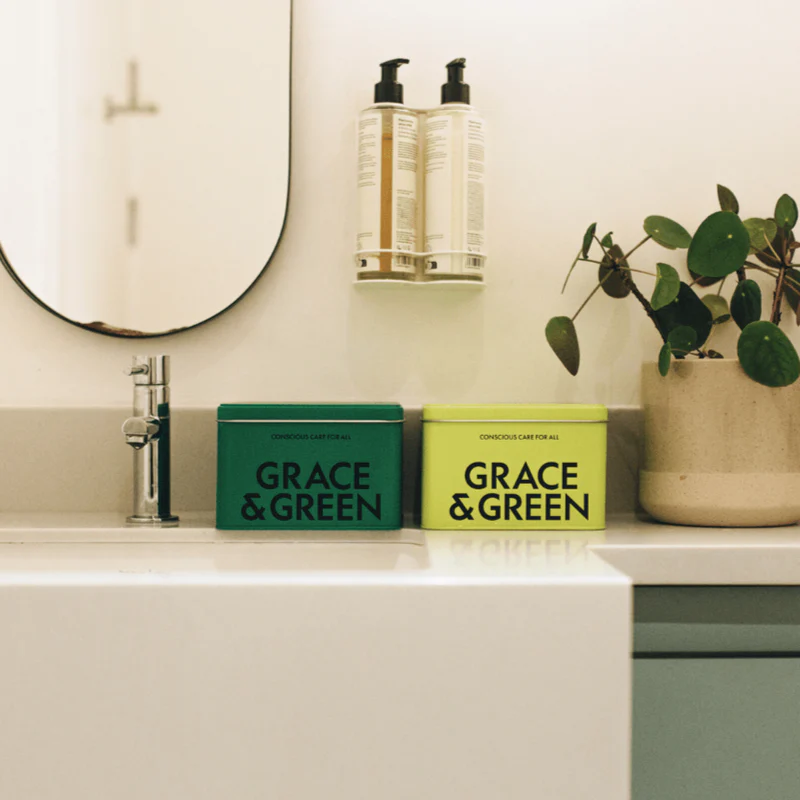
- Proper disposal bins (including for needles and sanitary products). Grace and Green offers wholesale zero waste plastic-free feminine care for public loos and workplaces.
- In San Francisco, homeless people (some but not all are drug addicts) have special toilets, with secure places to deposit used needles – council staff are paid to keep them emptied and clean.
- Automatic doors or easy-to-turn handles for those with grip issues
- Zero waste hand washes and sanitisers.
Healthmatic Super-Fancy Public Loos!

Healthmatic designs nice public toilets, if your council is considering a makeover to provide good loos for locals! Some of their innovative creations include:
- Wiltshire Council has installed water-free modern composting toilets for locals. The water saved obviously helps to reduce council tax bills.
- Changing Places (disabled-friendly) toilets in Brighton in public parks, that double as storage for local groundsmen, and have roofs designed to be uncomfortable to scale.
Forest-Friendly Toilet Paper & Hand Towels

Forest-friendly toilet paper (in plastic-free packaging) works out cheaper and stops deforestation. The same brands also offer forest-friendly paper towels (unless you use air-dryers).
Environmentally-Friendly Hand Driers

The Splash Lab offers high-speed hand dryers with a smaller impact on the planet, due to a high-speed dry time of 15 seconds.
Modern Solutions for Public Toilets

- Waterless Urinals: These urinals use a special sealant instead of water, cutting down on both water bills and waste. They don’t smell when kept clean and are perfect for busy spots like parks or transport hubs. Use with Delphis Eco urinal blocks(these contain friendly bacteria to remove molecules that cause smells and blockages from urinal traps and pipework).
- Composting Toilets: Far from rustic, today’s composting toilets use smart airflow and sealed bins. They break down waste with little smell and produce compost for gardens or parks. This works well in places with no easy plumbing, like trailheads or public sports fields.
- Eco-Cleaning Brands. Forget chlorine bleach, and instead choose eco-friendly cleaning brands that biodegrade safely down drains. Again, Delphis Eco is the leading green commercial brand, which has low PH to prevent limescale build-up, and is suitable for all surfaces (basins, showers, taps, toilets, urinals, mirrors, floors and wall tiles). Sold in recycled plastic milk bottles.
Small changes, like water-saving flushes and motion-sensor taps, also save thousands of gallons each year. Solar panels or skylights cut down on electricity, while natural cleaning products mean fewer harsh chemicals go into the local water supply.
Hippo the Watersaver is a good low-cost device for older toilets that are not water-efficient (a more efficient and safer version of putting a brick in the cistern). Greener public toilets show that caring for the environment doesn’t mean you need to give up comfort or style.
Advocate for More Free Public Toilets

- Contact Your Council: Write or call your local council to ask about public toilet numbers and share your concerns. Councils respond best when they see people care and pay attention.
- Use Local Press and Social Media: Share your stories online or in your local paper. Tag local decision makers and explain the impact of missing or poor loos, using photos if you’re comfortable.
- Map the Gaps: Explore the Great British Toilet Map to show exactly where toilets are missing in your area. The map is open and public—use it to back up your argument when contacting leaders. You can do the same in the capital at Toilets 4 London.
- If toilets are blocked with rubbish or litter, complain (with photos) at Fix My Street. These are sent off to councils (but they are made public, so tend to get fixed sooner).
- Start or Join a Petition: Online petitions, especially those made by local groups or parents, catch attention fast. Share them widely and collect signatures to show the council that demand is real.
- Partner with Local Groups: Team up with people already working for better streets, disability access, or public health. More voices mean a stronger case.
- Share Personal Stories: When you talk about missed errands or outings cut short by lack of toilets, it paints a real picture for politicians and planners who might never have to worry about these things.
- The blogger at London in Real Life has a super post for locals on how and where to find public loos. She also includes a dictionary of slang terms (she’s American). Noting that the word ‘karzy’ can also mean ‘brothel’, so be careful where you use it!
Issues with Gender-Neutral Toilets?
You may have heard that UK law has recently changed, to ban gender-neutral toilets. This has been very controversial on both sides, depending on your beliefs. In a nutshell, today we live in thankfully a more accepting society, where people who are ‘trans’ can live in peace and freedom.
The controversy revolves around allowing people to visit public toilets of their ‘chosen sex’ and not of biological birth. So someone who was born a man could (as a woman) visit a public bathroom, which some women did not want. ‘Gender neutral toilets’ were instead built to solve the issue. But now the government is banning them, meaning that men who live as women, must presumably now visit a men’s toilet.
It’s all very confusing, and tens of thousands of pounds of council tax money has been spent on renovating toilets, not popular when people are going hungry, litter-strewn streets and wars etc.
What’s far better than politicians playing see-saw ding-dong politics, is simply to go to the experts. Concept Cubicle Systems has been designing gender-neutral toilets for years, so know what they are doing, and how to provide toilets that make women feel safe, and everyone else feel their dignity is preserved.
Always some people (say of religious or political beliefs) are not going to use them. But where they are installed, it’s always good to look at solutions, rather than ‘play politics with toilets’.