The Surprisingly Many Green Spaces in London
London is often imagined as a bustling city of concrete, traffic, and flashing lights. But beneath the surface buzz, the capital quietly has one of the highest shares of green space among big cities worldwide.
Over 3,000 parks and thousands of tree-lined streets give Londoners space to relax, meet friends, and enjoy fresh air. As city life speeds up, these green havens have never mattered more for our health and happiness.
For dog-friendly parks, keep them away from all bulbs and conkers, so they enjoy the parks as much as you! Also read our post on wildlife-friendly gardening.
Did you know many trees (including yew, oak and sycamore) are unsafe near horses? Councils should not plant flowers in railings, as deer can get stuck in them.
Hyde Park: The Heart of Central London
Hyde Park is one of England’s most popular parks, attracting millions of residents and tourists each year. A former hunting ground (built in 1536 by King Henry VIII), he ‘stole the park’ from local monks who used the area as a place of worship and to garden. He forced the monks to go elsewhere and began to use the park to hunt deer.
Today thankfully no deer are hunted in this park and instead the 350 acres of land is home to over 4000 trees and an antique bandstand. Nearby Marble Arch was designed to be an add-on to Buckingham Palace, before being moved to nearby Hyde Park.
Lake Serpentine is not actually a lake, it’s a pool built by royalty. This 40-acre body of water was built at the request of Queen Caroline in 1730 and marks a boundary from Hyde Park and Kensington Gardens, with water originally pumped from the river Thames.
Hyde Park is also home to a ‘speakers’ corner’ used for campaigning. Two famous speeches were in 1855 (when riots broke out over a Sunday Trading Bill, which Karl Marx called ‘the beginning of the English Revolution).
And in 1972 when three Irish republicans were arrested after giving speeches following Bloody Sunday (after British troops opened fire and killed 13 civil rights demonstrators in Derry). And of course the park suffered tragedy in 1982, when an IRA bomb which killed four men and seven horses.
Richmond Park: A Wild Oasis Near London
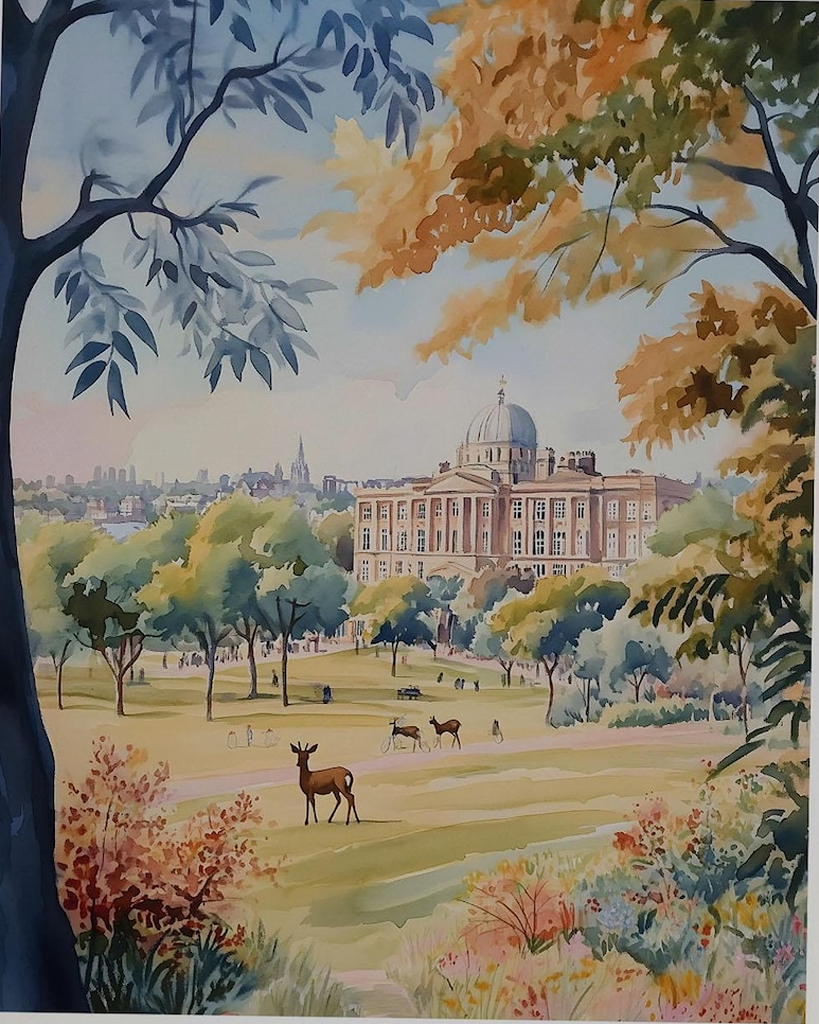
Richmond Park is more than just another city park. It’s a living escape packed with history, wildlife, and wide-open views.
This guide shows off the best parts of Richmond Park, making it easy to see why it’s a favourite for Londoners and visitors.
Richmond Park is famous for its herds of red and fallow deer. Around 600 roam the fields and woodlands. They’ve been here since the 17th century.
The Isabella Plantation is a hidden gem within the park. This 40-acre woodland garden bursts with colour each spring and summer. Azaleas and rhododendrons (toxic to dogs) line the winding paths.
The park is a wildlife haven. Apart from deer, you’ll find rabbits, bats, and rare birds such as green woodpeckers and kestrels. Dead wood is left in place to support insects and fungi.
Alternatives to Culling Deer
Richmond Park does cull deer, saying profits from sale of venison go towards employing Wildlife Officers. It says it does not use contraceptives, because rounding up and fencing deer would cause stress.
Some says it’s necessary to control numbers (so deer can eat). Others say contraceptive methods (used in the USA) are successful and humane.
Rewilding is not possible, as introducing wolves could cause attacks on dogs or children. Hopefully a solution can be found to co-exist peacefully with deer friends.
Regent’s Park: Gardens and Wildlife
Regent’s Park has swathes of neat gardens, colourful flower borders, and secret corners perfect for a quiet read. It’s home to the Open Air Theatre, drawing crowds through summer for plays and musicals under the sky.
Boycott the zoo (caging animals to conserve species is not the answer). And instead notice wild swans, herons and robins living wild along winding paths.
Hampstead Heath: Wild Greenery and Panoramic Vistas
Hampstead Heather is less groomed and more wild than some parks. In North London, trails dart through woodlands and meadows, up to Parliament Hill. On a clear day, the view across the city from here rivals any postcard.
The “Urban Forest”: London’s Tree Canopy
London’s “urban forest” spreads wide, with millions of trees covering nearly a fifth of the capital. From grand plane trees shading central squares to old oaks in local parks, the variety is stunning. These trees trap pollution, making the air cleaner to breathe, and provide cool shelter during hot spells.
Trees don’t plant themselves. Local councils and active residents put in hard work, organising planting days and caring for young saplings. Each new tree planted is a promise that London will stay leafy for the next generation.
London Parks spends a year walking around the author’s favourite parks. From his local haunt on Hampstead Heather to Richmond Park to Battersea Park (with the little brown dog statue, in memory of the first victim of vivisection).
Whether you’re spotting pelicans and politicians in St James’ Park or enjoying views from Greenwich Park, there’s something here for every city dweller.
The Role of Green Spaces in London

Parks and trees do more than just look good. They shape how Londoners feel and live.
- Better health: Green spaces invite walking, cycling, and play, all boosting physical health.
- Mental wellbeing: Being among trees or by a pond calms the mind, reduces stress, and lifts mood.
- Social life: Parks host sports, picnics, and festivals, bringing neighbours together.
- Nature for all: London’s biggest parks have flat paths, benches, and wide entry points so that everyone, young and old, can visit.
Secret Hidden Gardens (in central London)
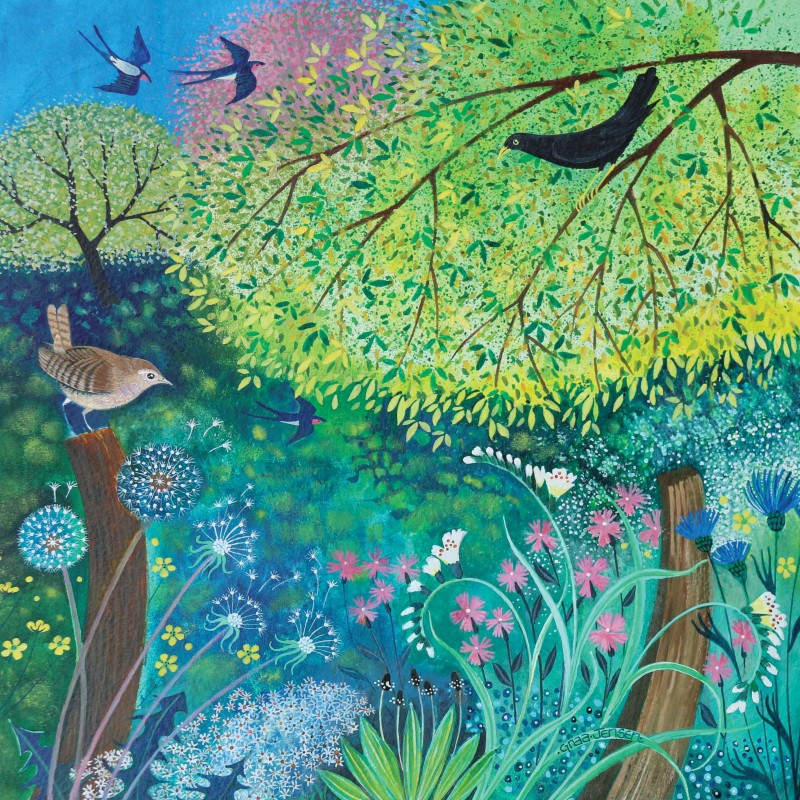
The city of London may seem like a busy place. But away from the 8 million people, noisy buses and skyscrapers, there are quiet hidden gardens, where you can find a peaceful oasis, within walking distance of the main boroughs.
Often they are located a few minutes walk away – behind old walls, down small paths or inside big gates. You would never now!
Alongside old trees, natural grass and pretty flowers, you may find some benches to relax on, while you can while away your lunch break or a cool summer evening watching the birds sing, or observing dragonflies and damselflies, hovering over ponds.
And yet many were planted over 100 years ago, by people who likely lived in the same areas you do now. A few may even been planted by churches, in the days when they had more influence.
Don’t visit a hidden London garden to ‘do anything’. You won’t find skateboard parks or ice-cream shops or tearooms here. You’ll just find peace and quiet.
Culpeper Community Garden
Culpeper Community Garden is run by local people, who transformed a barren area back in the 1980s. There are places to relax, and also some people use the garden to grow their own salad vegetables and organic flowers.
Hampstead Hill Garden
This sits within a large park, with trees, stone paths and flowers. This quiet and peaceful place is ideal for people to relax or enjoy a picnic lunch.
Gardeners help to maintain this space, but it’s mostly left to grow wild and organic. It’s a well-known oasis of calm in a busy part of the city.
Red Cross Garden
Red Cross Garden was created back in 1887 by local Londoner Octavia Hill, who wished for her neighbours to enjoy some peace and quiet, at a time when many people lived in crowded noisy homes.
Filled with trees and colourful flowers, there are benches to look over the grass, or to chat or read. Nearby are buildings that she was also instrumental in creating, to help local people have nice affordable homes to live in.
Octavia was a social reformer who lived from 1838 to 1912. She went on to found the National Trust.
The Onion Garden
This is a small garden near the River Thames, quite close to the Houses of Parliament. It grows many plants, but not onions! The name is due to when monks used to grow onions here, but now it’s more flowers!
An ideal peaceful oasis away from the many offices and shops nearby, there are benches to relax on, or paths to admire the greenery. You can also observe nature in the city, with visiting birds and squirrels.
Phoenix Garden
Phoenix Garden is a small garden in central London, quiet and calm (despite being near busy buildings and roads). Run by volunteers, the local bees and butterflies have already discovered it, so why don’t you?
It’s so important for tiny gardens like this to exist in the middle of the major parts of the city. Not just for the mental health of the people, but to provide pollination, shelter and nesting spaces for birds and other wildlife.
Postman’s Park
This garden (near St Paul’s cathedral) is a quiet spot to relax, and a fitting tribute to those who have saved other people’s lives, through self-sacrifice.
The Memorial includes stories of adults and children who helped friends, neighbours or even strangers, from the late 1800s and early 1900s.
St Dunstan in the East
This garden (in the City of London) sits amid the ruins of a church that was hit by bombs during World War II. Built in the 12th century, it had already been damaged in the Great Fire of London (1666).
This time, when bombed, the local people decided to turn the area into a public garden, instead of rebuild the church. The old walls still stand, but it’s mostly trees, flowers and benches to relax on and read or eat lunch.
Maybe it will persuade City Brokers that making lots of money, is not as important as watching nature in the city!