All You Want to Know About England’s Trees

England’s patchwork of countryside, towns, and city parks hides a world of tree species, each with its own backstory and meaning.
From centuries-old oaks to bright spring blossom, England’s trees shape both the land and its culture. They feed wildlife, anchor traditions, and fill woodlands with colour and sound.
Read posts on no-dig gardening and safe gardening near pets (oak trees/conkers are unsafe near pets). And wildlife-friendly gardening. Also know trees to avoid near horses (including yew, oak, sycamore).
Avoid facing indoor foliage to outdoor gardens, to help stop birds flying into windows.
Broadleaf Species: Oak, Beech, and Ash
- The oak, with rough bark and spreading limbs, is home to hundreds of insects and birds. Its acorns, dropped in autumn, fuel squirrels and jays.
- Beech trees stand tall with smooth silvery bark. Their leaves filter sunlight and form carpet-like layers of leaf mould where fungi and insects thrive.
- Ash trees are easy to spot by their blad buds and feathered leaves. They support a web of wildlife, from moths to nesting birds.
Birch, Rowan, and Willow
- Slender silver birch grows in open woods and heathlands. Its pale bark peels away in papery strips and provides shelter for insects.
- Rowan, sometimes called mountain ash, glows with red berries in autumn, which blackbirds and thrushes love.
- Willow (with its soft furry catkins), flourishes near rivers and ponds, feeding early bees.
Alder, Elm, and Hazel
- Alder lines the banks of England’s rivers, its roots helping stop soil from washing away. Its purple catkins add a splash of colour in spring.
- Elm numbers have dropped because of Dutch elm disease, though you’ll still find some tough survivors.
- Hazel, with its twisting stems and catkins, fills hedgerows with lush nuts that feed dormice and birds.
Plane, Sycamore, and Cedar
Victorian gardeners loved to experiment, bringing in bold newcomers.
- Plane trees now shade many city streets, shrugging off pollution and pruning. They are the most common trees in the city of London.
- Sycamore, though not native, is everywhere from parks to farmland, loved for fast growth and sturdy timber. Of course Northumberland’s Sycamore Gap was recently in the news, after being felled by vandals (thankfully new shoots are growing).
- Majestic cedars top lawns and stately gardens, their wide branches forming green umbrellas.
Conifers: Pine, Spruce, and Fir
- Scots pine, the only native pine, dots heathlands with its orange bark and long needles.
- Norway spruce, known to many as the classic Christmas tree, grows fast and forms dense plantations. These trees are also needed by red squirrels (focus should be on this, rather than culling grey squirrels).
- Douglas fir, originally from North America, now rises above forest plantations, valued for strong wood.
Orchard Trees: Apple, Cherry, and Plum
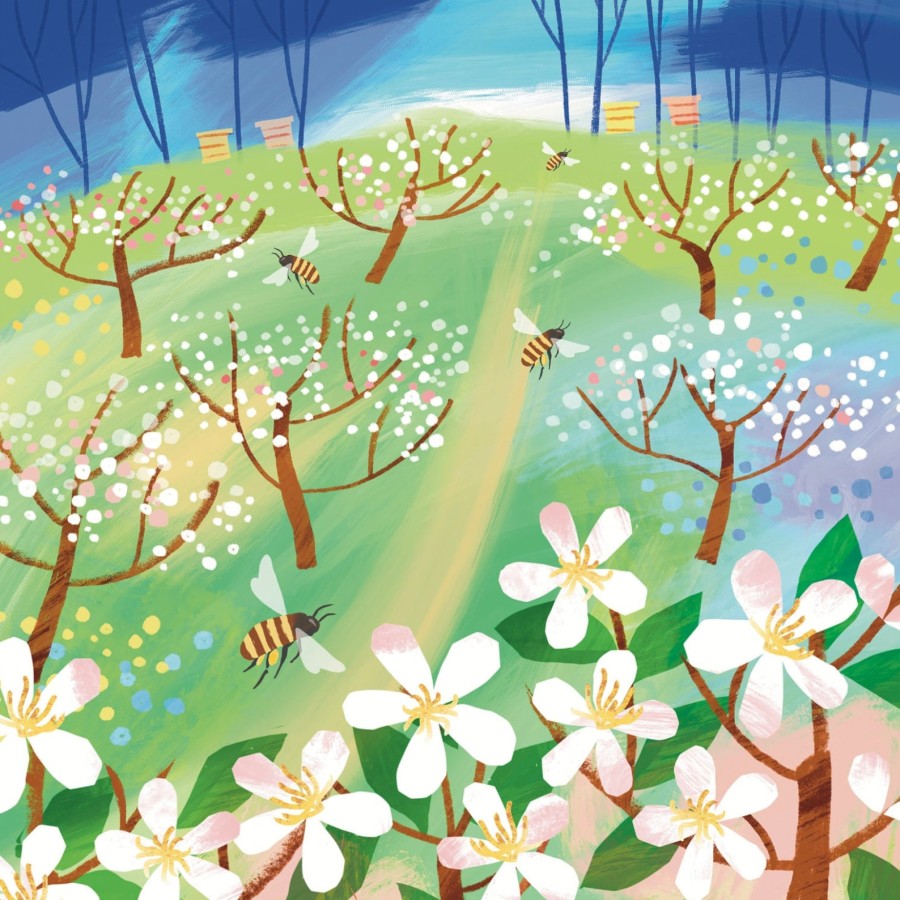
Old orchards brim with apple, cherry, and plum trees, which burst into blossom every spring across countryside and city gardens. Their flowers draw in bees, and sweet fruit feeds both people and wildlife.
These trees link back to English folklore and village life, with apple-bobbing and cherry fairs still alive today. Read how to save our heritage orchards.
Crab Apple, Pear, and Wild Service
The humble crab apple sprouts in woodlands and hedges, its small fruits feeding thrushes. Wild pear and the rare wild service tree play quiet but key roles, supplying food for insects and birds. Their spring blooms and autumn fruits spice up wild corners and old woodlands.
Conservation and England’s Trees

English trees face real threats—disease, imported pests, and a changing climate. Ash dieback has swept through woodlands, while pests like the emerald ash borer loom on the horizon. Urban growth and intensive farming also eat into their space.
Groups across England work to protect these living landmarks. National schemes plant mixed species hedges, restore ancient woods, and encourage the use of home-grown trees.
New tree planting and better care aim to keep woods healthy for future generations.

Trees are living statues, and the lifeblood of our planet. They give out oxygen and absorb carbon dioxide, and provide protection from wind and flooding. They make neighbourhoods nicer, reduce crime and help to reduce heat island effect.
Trees also provide free food in the form of fruits and nuts, for both us and wildlife and birds. They also provide homes for birds (from owls to garden birds) and also help our mental health, through ‘forest bathing’.
But our trees are in great peril. Not just abroad (like rainforest destruction) but millions of trees are felled in England, to provide wood and paper.
Obviously anything made from wood comes from trees, and a lot of wood is from abroad. So protect habitats for all species, try to choose recycled or reclaimed where possible (or tree-free). Read our zero waste posts, to find eco-friendly products like:
The Little Book of Trees is a beautifully illustrated small guide co-written by a professor of biology and a professor of natural history. Learn about trees and their leaves, tree trunks and barks, and the architecture of trees. Along with seeds and curious facts.
The irony of course is that most publishers still don’t print their books on 100% post-consumer recycled paper (they could if they wanted to, we’d all pay a little more per book). A few publishers do this (Green Books, New Society, New World Library). So if they can, so can the others.
Tree: A Life Story (the autobiography of a 700-year old Douglas Fir) is one of the few books about trees, that is printed on 100% post-consumer waste paper.
A Book on the Benefits of Exploring Trees
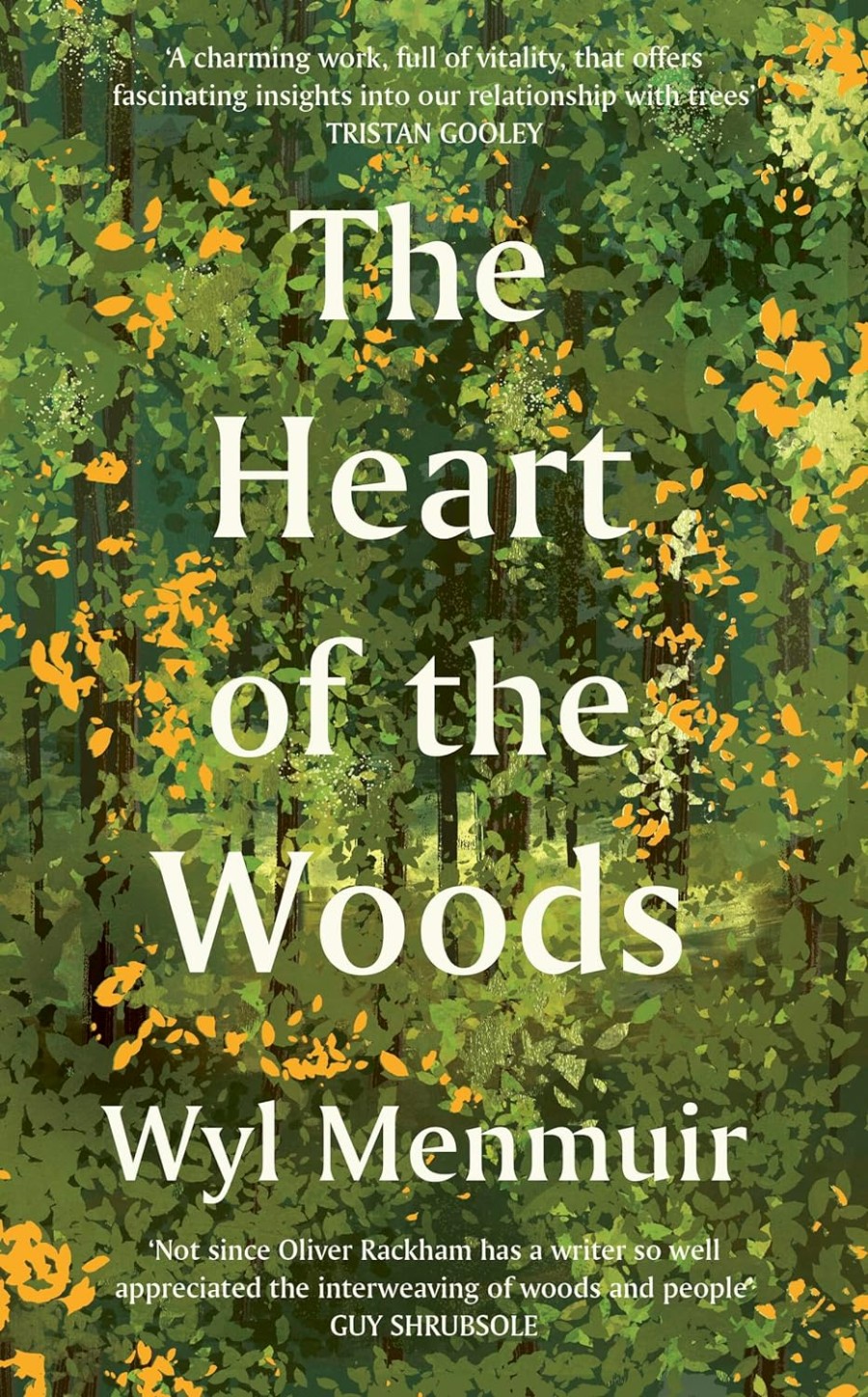
The Heart of the Woods looks at how trees have evolved over time and (just like a parent to a child) has left a legacy. In this book, the author travels around England (and to Ireland) to explore what we get out of spending time around trees.
Stories in the book includes apple wassailing in Cornwall, making willow coffins (also in Cornwall), forest bathing in Northumberland and rewilding the Scottish Highlands.
A Book to Teach You How to Read a Tree!
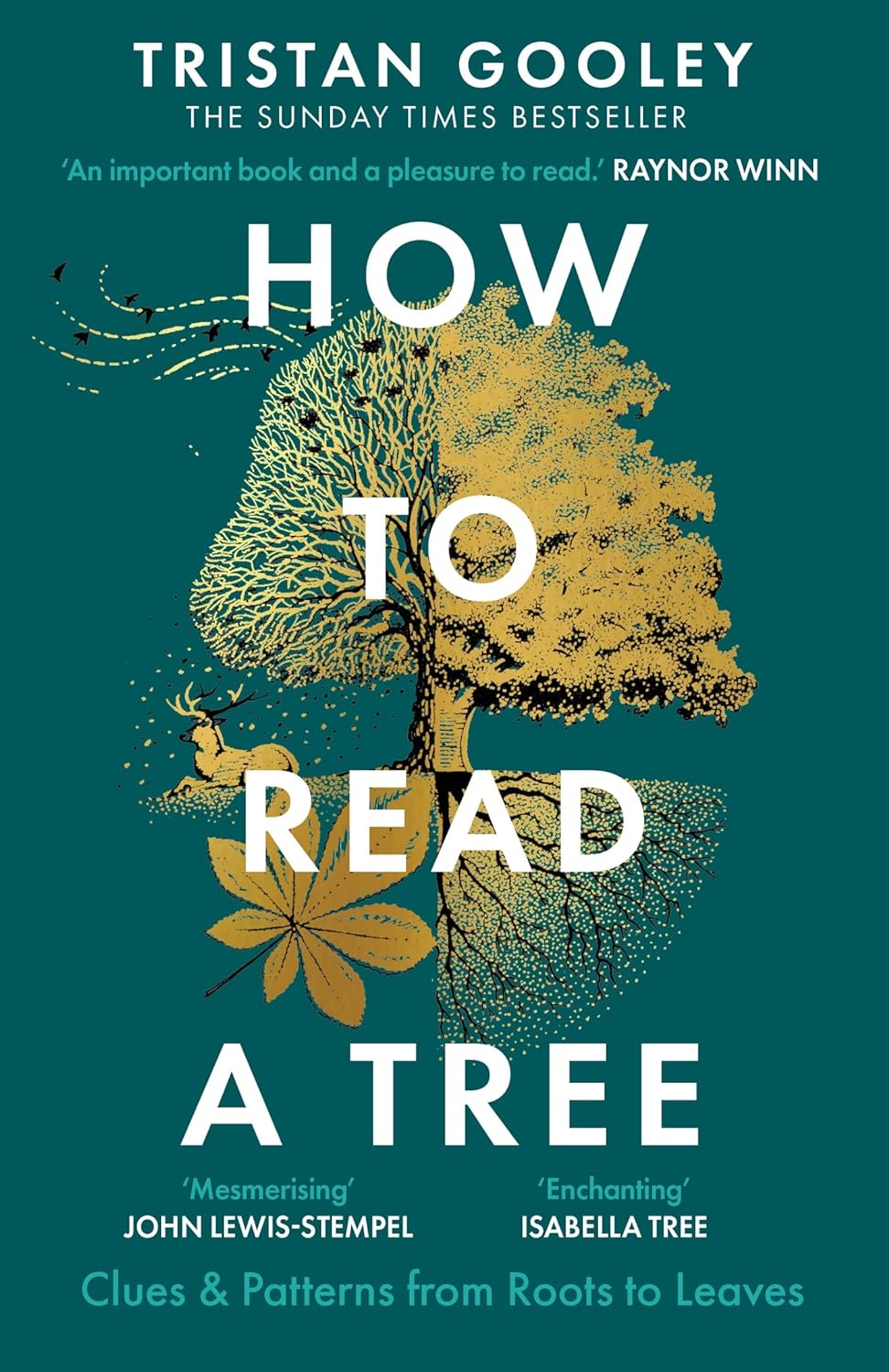
How to Read a Tree is a book by a natural navigator (he can find his way anywhere, by looking at a puddle or which way the tree blows) to explain how each tree we meet, is filled with signs to reveal its life and landscape.
The clues are easy to spot if you know what to look for. You’ll learn rare skills that can be applied each time you pass a tree, whether you are in a town or wilder spot. Trees can tell us about the land, water, people, animals, weather and time. And about their lives.
Fun Books to Teach Children about Trees

The Lives of Trees is a beautiful book with illustrations on the anatomy of trees, for readers age 8 and above. It explains the functions of trees and shows how trees are born. And how they eat, drink, breathe and sleep!
Plus how they defend themselves (sometimes attack), reproduce and in some incredible cases – move!
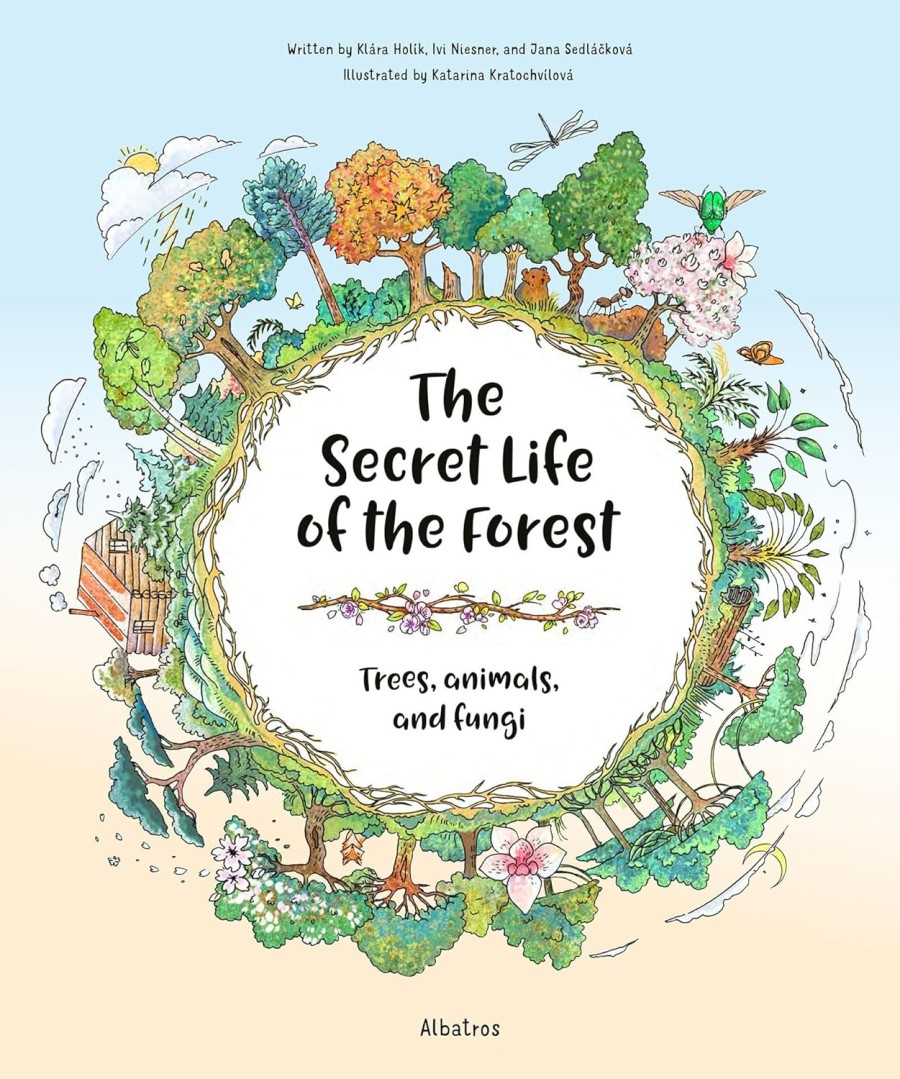
The Secret Life of the Forest helps children discover (with the help of Little Seed as a guide) the interconnected world of trees, animals and fungi. In this fun illustrated book, discover the hidden wonders of the forest. And uncover the web of connections that sustain this vibrant interconnected ecosystem, where each creature has a vital role to play.
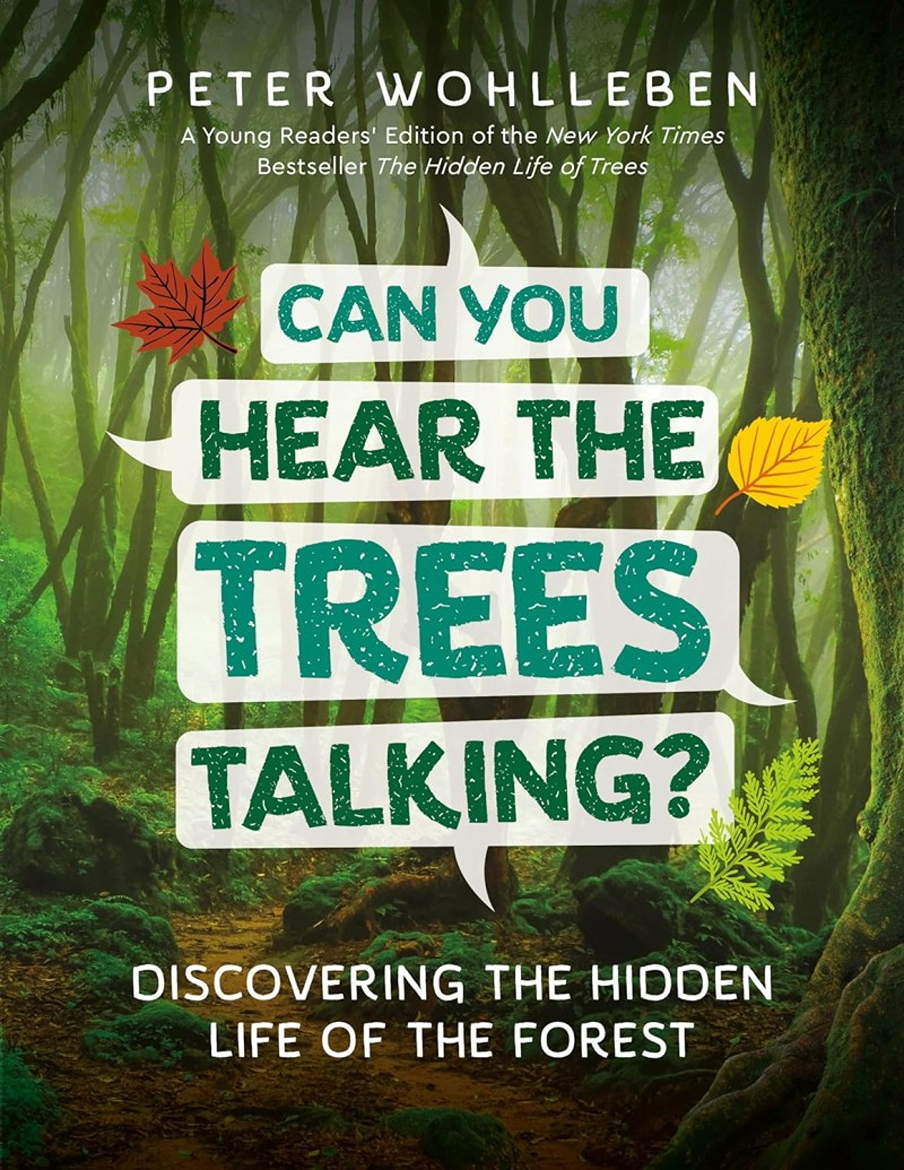
Can You Hear The Trees Talking? is a best-selling children’s version of a book on how trees communicate to each other, written by a German forestry expert.
Learn what trees feel, how they communicate and take care of their families, and how trees can act as nature’s water filters, keep us healthy and how we can help sick trees to get better.
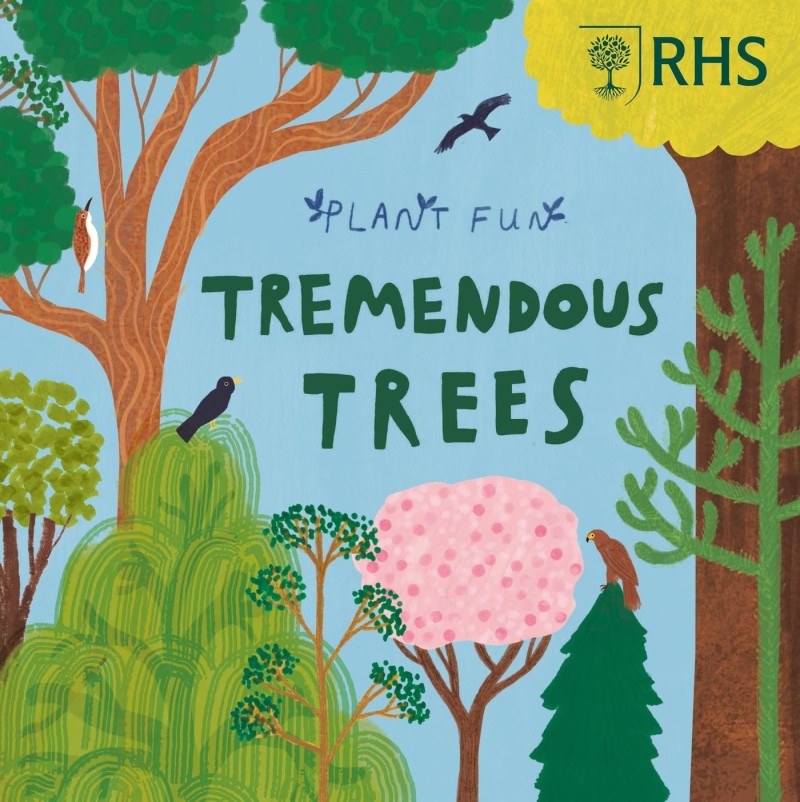
Tremendous Trees is a bright and fun colourful book for all ages, to teach everyone about trees. How do massive trees grow from tiny seeds? What are trees, and why are they so important?
This book explores different parts of a tree, showing how animals benefit, and why leaves turn brown in autumn.
Readers will also learn about some of the oldest trees in the world (like baobab and bristlecone trees) and the extraordinary roots of mangrove trees.