Tips for Choosing Better Quality Pet Food
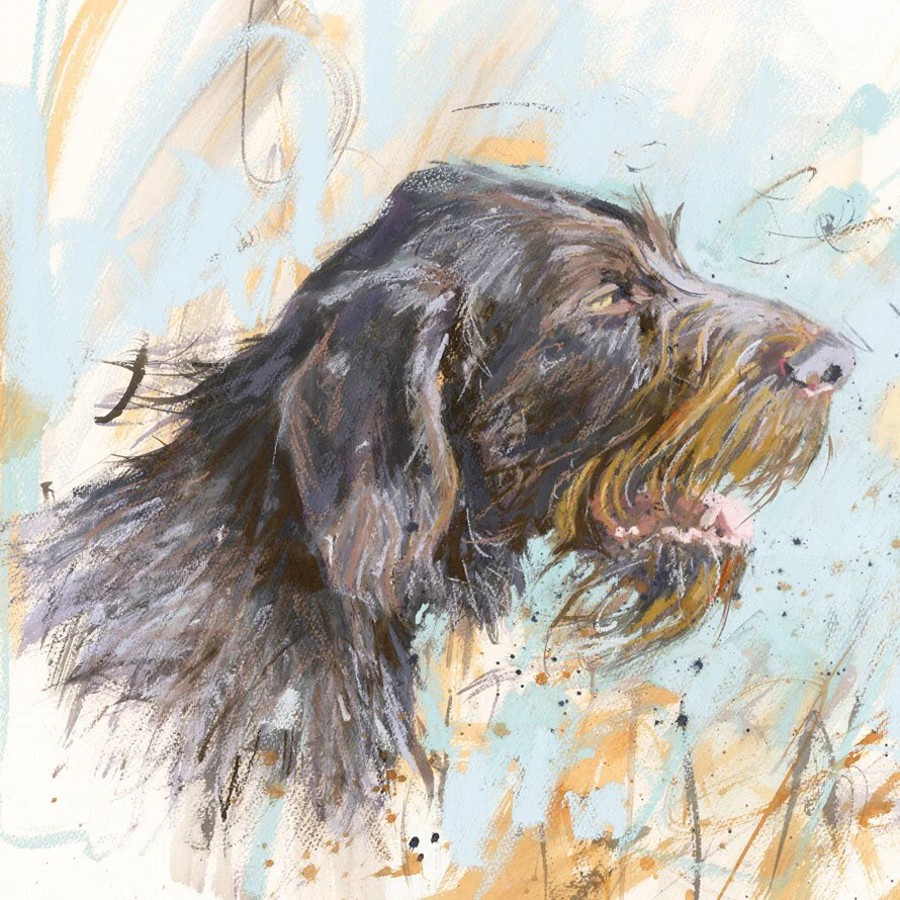
Choosing good pet food means more than just filling a bowl. Your pet’s health, happiness and energy all tie back to what’s in their dinner. There’s a lot on the shelves, with bags and tins promising miracles or healthier coats, but not all options are equal.
With pets relying on us, it’s worth learning what goes into their food. This guide brings you honest tips to cut through the confusion and help you spot top-quality pet food. Let’s make feeding time the best part of their day!
It’s best to switch pets slowly onto new foods (it can take weeks or months for older pets and those with sensitive tummies). If they are happy on what they eat, it may be better to just leave them on present food, rather than start switching things around.
Use ceramic (harder to knock over) or stainless steel bowls (wash and rinse daily). Rather than buy raised-bowls (which can increase risk of bloat in big-chested, old and overweight dogs), encourage slower eating. Don’t let dogs run or take walks for at least one hour after eating (or after car travel).
Cooked bones can choke, but not all dogs are safe with raw bones either. Ask your vet about the best types of bones for your dog. Avoid raw eggs and fish (salmon contains a deadly parasite).
Always supervise eating, place bones in fridge after 15 minutes, and discard after a couple of days. Also be aware that dogs can get territorial around other dogs, when given bones.
Foods to keep away from pets include:
- Cooked bones (can choke)
- Chocolate (including white chocolate) & Caffeine
- Raw Eggs & Fish (salmon has a fatal parasite)
- Alliums (garlic, onion, shallots, leeks, chives)
- All Citrus Fruits & Dried Fruits
- Mushrooms & Avocado
- Fruit Pips & Seeds (contain natural cyanide)
- Faux Meats (inc. jackfruit)
- Raw Bread Dough (expands in the stomach)
- Corn-on-the-Cob (choking hazard)
- Spices (esp. nutmeg & mace)
- Most Nuts (esp. macadamia) & Seeds
- Xylitol (a sweetener, if used)
Dogs often like to play with and eat seaweed at the beach, but it can expand in the stomach as it dries, so keep them away. Read more on keeping dogs safe at the seaside.
If you grow your own food, create a pet-friendly garden (toxic plants and other hazards to avoid). Also avoid facing indoor foliage to face gardens, to help prevent stop bird strike).
A Fab Fun Book on Dog Safety
For Dog’s Sake is a fab little book of life-saving tips for dogs on toxic foods and plants to avoid, lots of advice and an illustrated first aid section.
Sadly the book is out-of-print in the UK, but you can buy used copies online. Or order direct from Amy at her USA site (due to expensive shipping, she includes a lovely free gift with each order).
Don’t Cook Near Domestic Birds
Most non-stick pans are made with PFOA (a chemical that ends up in our oceans). You can buy non-toxic alternatives, but even if companies say the opposite, all cooking fumes are dangerous around birds.
Most caged birds are likely happier in outdoor aviaries anyway, where they can at least fly and enjoy the company of other birds.