Spring in England: Watch Nature Come Alive!

Spring in England makes a clear entrance. The days lengthen, cool winds give way to softer breezes, and nature rises with bright, hopeful energy. Parks, gardens, woodlands, and open fields all take part!
It’s a season that brings small surprises and bold changes, blending simple beauty with deeper signs of renewal. Here’s a close look at what spring brings to the English countryside and cities alike.
Many people still follow the tradition of “spring cleaning”, opening windows and airing out winter dust. This is also when organic gardeners get to work, sowing seeds and trimming back overgrowth.
Many spring flowers and plants (bluebells, daisies, crocuses, daffodils, cherry blossom, wild garlic) are toxic to pets, so keep furry friends away. Read more on pet-friendly gardens.
Lovely Lambs in Green Fields
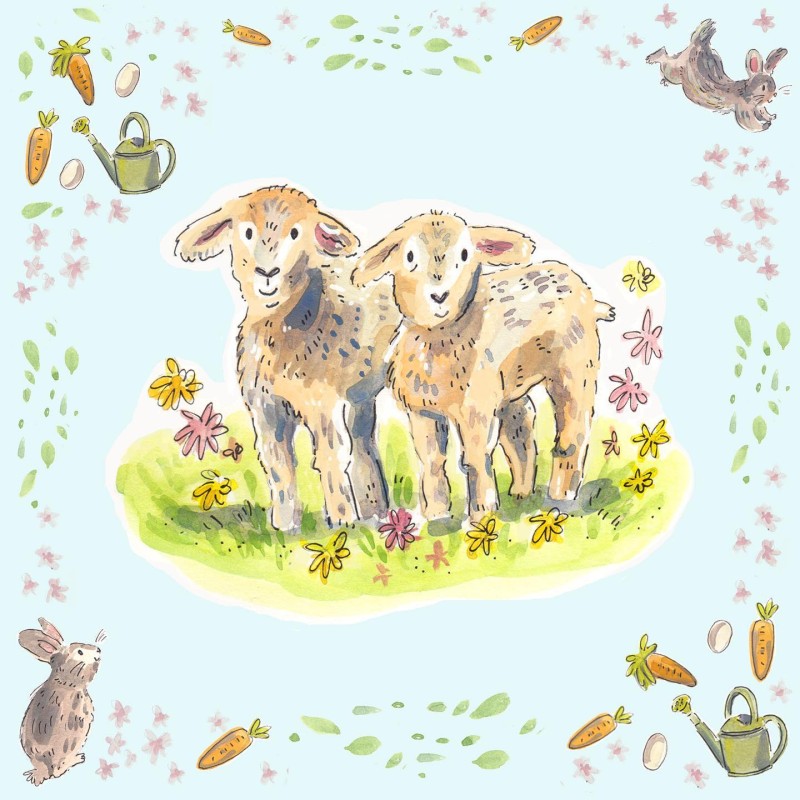
Spring brings the sight of lambs leaping in fields. In the Lake District, Yorkshire Dales, and Welsh borders, sheep shape the season’s mood.
New born lambs are lively and curious, exploring grassy hillsides under the watchful eyes of their mothers.
Pregnant sheep can sometimes roll over onto their backs, and can’t get back upright, and soon die if the farmer is not aware. Some sheep can also fall over, due to wool being waterlogged from rain.
If you see a sheep on its back, just firmly right it back, then stay with it, until rain has drained off, so it won’t happen again. Then inform your local farmer.
Brilliant Bluebell Carpets

Bluebells appear in April and May, turning woodlands into a sea of violet-blue. Ancient woods in places like Hampshire, Sussex, and Yorkshire come alive with these delicate flowers. The sight is not just lovely, it’s also special to England. More than half the world’s bluebells grow here!
Their sweet scent mixes with the damp air, drawing walkers who tread carefully to help protect these fragile blooms.
Return of Migratory Birds
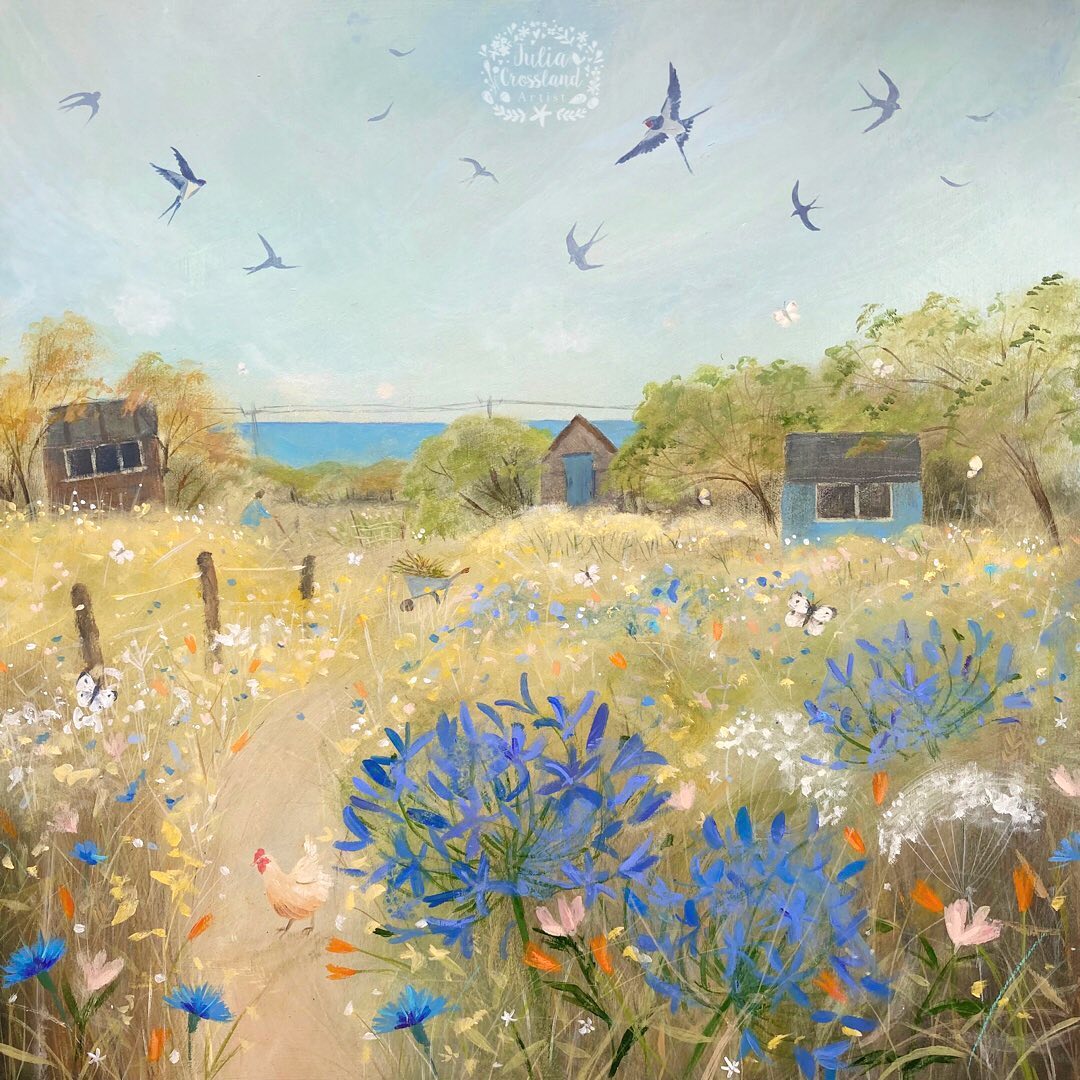
Spring marks the return of swallows, swifts, and house martins, fresh from Africa. They stitch patterns in the sky as they hunt for insects above fields and rivers. The chiffchaff’s simple call also signals spring’s start.
Birdwatchers often scan hedgerows and wetlands for the first arrivals, eager for those flashes of white, black, and blue. It’s a hopeful sign that life is moving forward once again.
Read our posts on creating safe havens for garden birds, and how to stop birds flying into windows.
Blossom Trees in Full Bloom

Orchards and parks glow with cherry, apple, and hawthorn blossom. In cities and villages, pink and white petals flutter down, covering pavements and lawns like confetti.
These blossoms not only look bright and cheerful, they also attract bees and other pollinators. The air often hums with their busy work, promising a good fruit harvest later in the year.
Buzzing of Early Bees and Insects
With milder weather, bumblebees emerge from their winter rest. They can be seen visiting crocuses, daffodils, and wildflowers in gardens and meadows. Butterflies like the brimstone and peacock also appear, flitting through the air on sunny mornings.
These insects play a key part in pollinating plants and helping gardens and countryside thrive. If you spot them, you’re witnessing one of spring’s subtle miracles!
Fresh Green Leaves and Buds
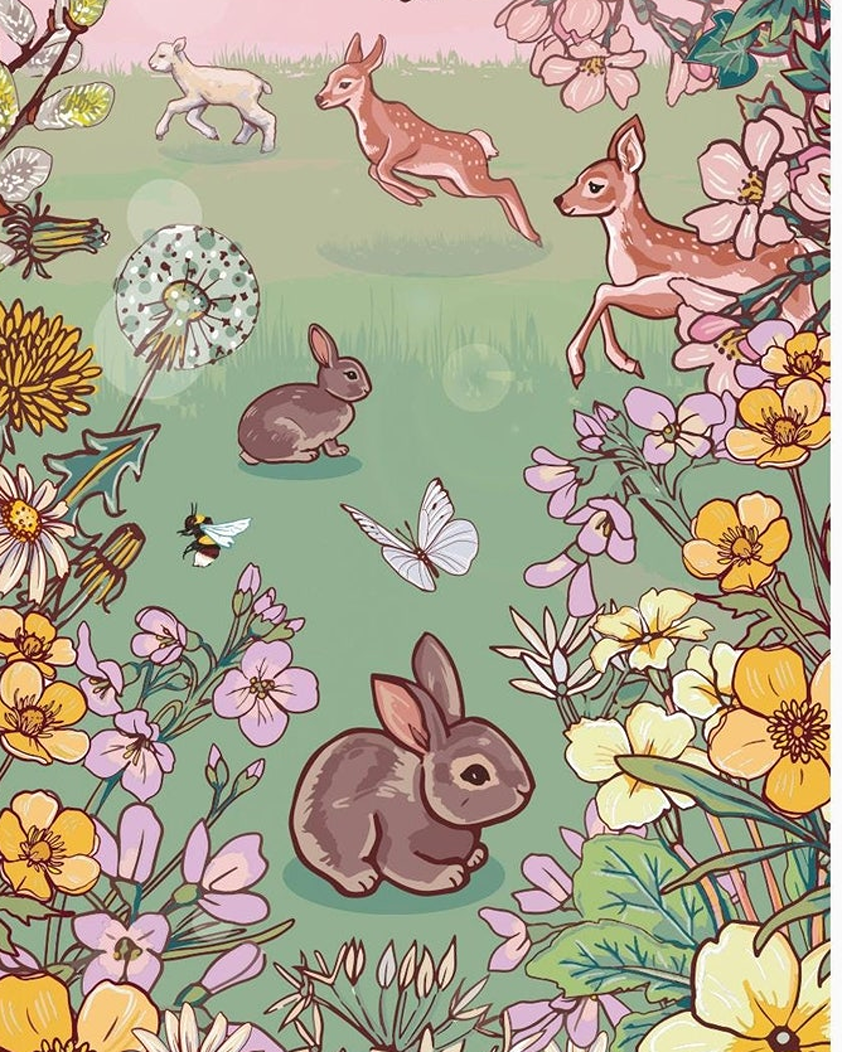
Suddenly, tree branches thicken with new leaves. Oaks, beeches, willows, and maples unfurl their buds, turning bare wood into green canopies. Shrubs and hedges also push out new shoots.
The soft green of young leaves gives woodlands a fresh look, full of promise and quiet energy. For many, this is the best sign that winter is behind us.
Did you know that oak (and acorns), yew and sycamore trees are toxic to horses? Also keep conkers away from pets.
Rain Showers and Clear Sunlight

Spring weather won’t let us forget its changeable ways. Soft rain showers often pass by quickly, followed by shafts of bright sunlight. After a rainstorm, hedges and grass shine with droplets, and rainbows often appear on the horizon.
Organic gardeners welcome the rain, while walkers enjoy the mild, clear days that follow. This mix of wet and dry helps wildflowers and crops grow stronger.
Dawn Chorus in Full Song
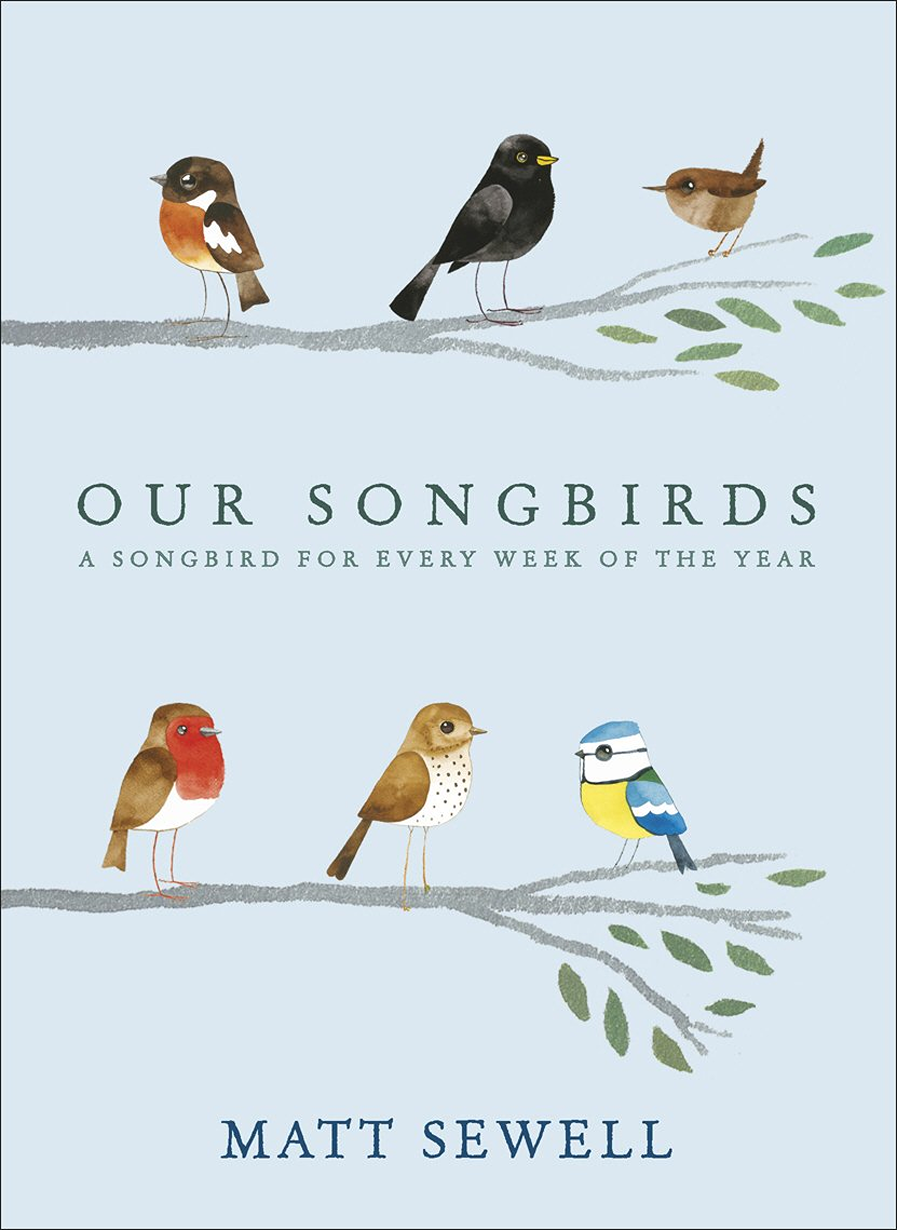
From late March, birds begin singing early, filling gardens and parks with their calls. Robins, blackbirds, and thrushes are among the first to sound off at sunrise. The dawn chorus grows louder and more complex as more birds join in.
If you pause and listen on a still morning, it feels like nature’s own concert, inviting you to take part in the joy of a new day. Learn why you should take time to listen to birdsong.
Frogs and Newts in Ponds
Ponds and wetlands wake up in spring. Frogs and newts return to breed, filling quiet corners with clusters of eggs and strings of frogspawn.
Watching tadpoles grow is a small but memorable spring pleasure. Wildlife-friendly ponds (with sloping sides and no netting) can also attract dragonflies, water beetles, and birds looking for insects.
Wildflowers Along Lanes and Meadows
Spring’s wildflowers transform roadsides, meadows, and commons. Look for primroses, cowslips, celandines, and violets. Dandelions and daisies start popping up everywhere, joined by the scent of wild garlic in shaded spots.
These wildflowers provide food for insects and colour for everyone else, reminding us of the tangled beauty that nature offers without effort or design.
Books to Read in Spring!
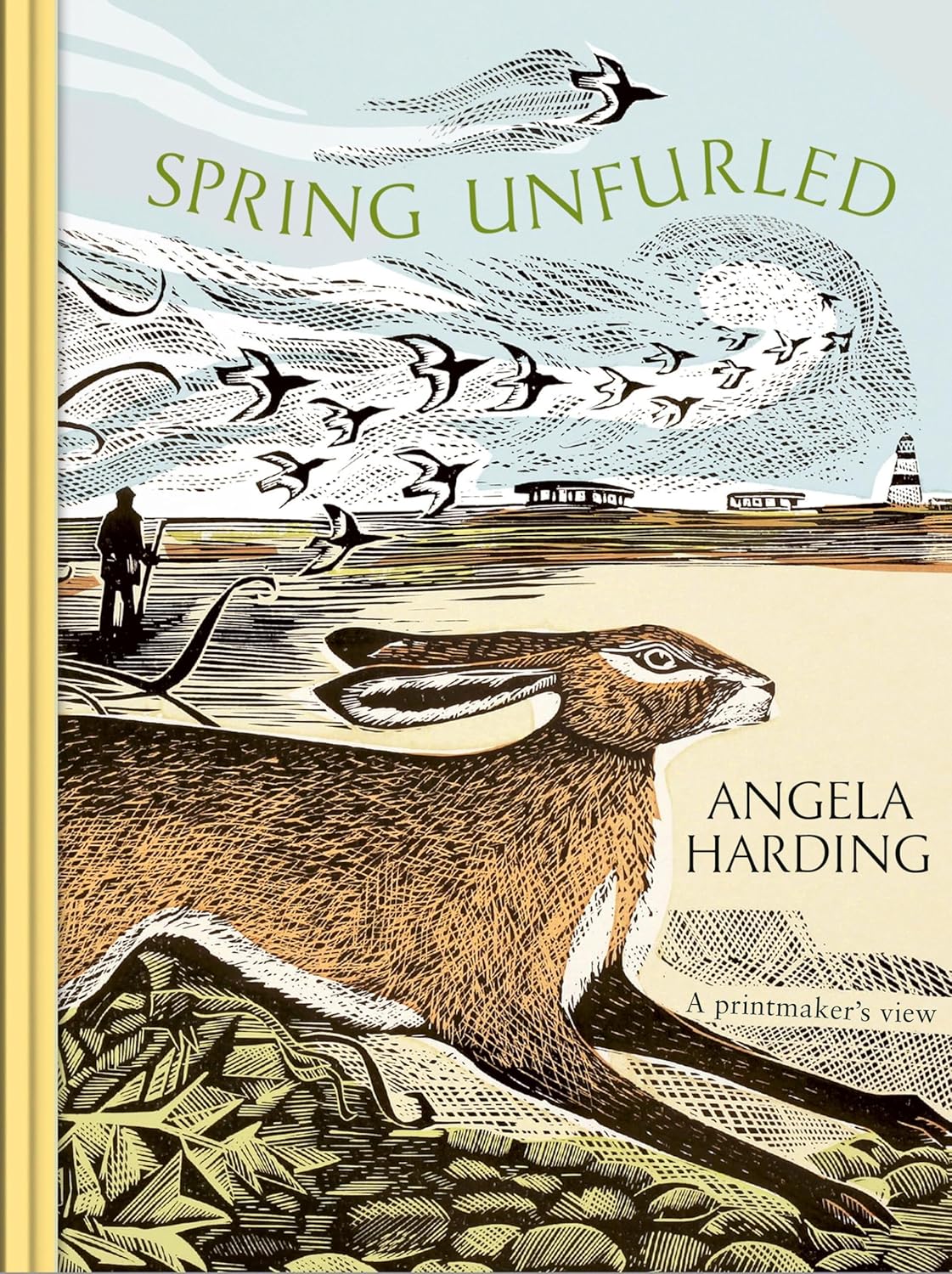
Spring Unfurled is a beautifully illustrated pocket hardback guide to the season of spring. This really is something else, a delightful gift for someone you love, or for yourself as bedtime reading.
The author reflects on this season of new life, as it transforms around her. She takes in landscapes across the land.
From her home garden studio in England’s smallest county of Rutland to the low-lying Suffolk marshlands and the windswept hills of Yorkshire. And even to the wildness of Scotland, over the border.
The inspiring prose, make this the perfect read:
The seasons are nature’s clock, bringing birds from distant shores to nest and breed. Seasons have no regard for official times. When the days shorten and the evening air is chilly, they know it’s time to leave.
Angela Harding is a professional printmaker, whose unique style has become immensely popular in England. She works from a studio in her garden in a Rutland village.
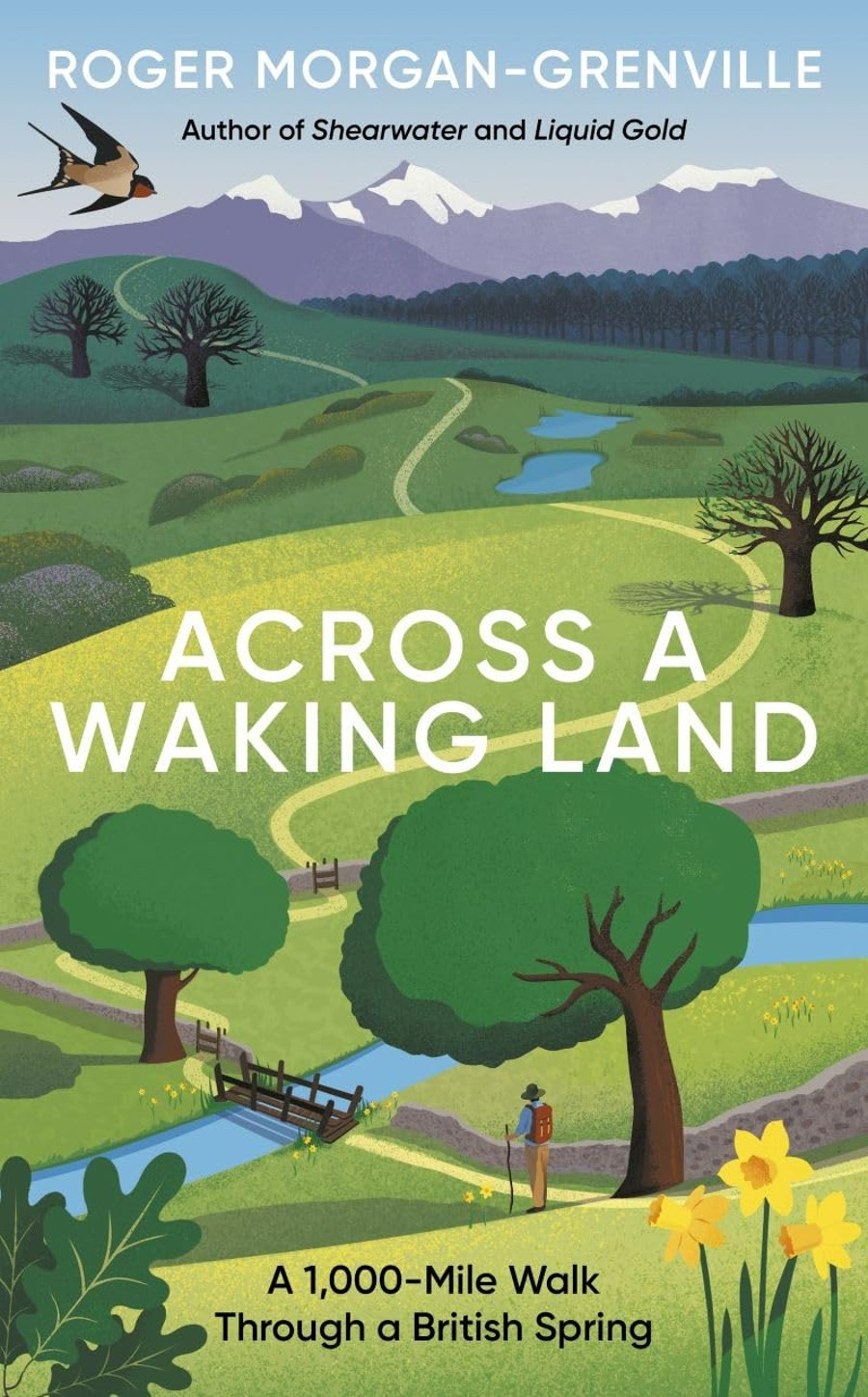
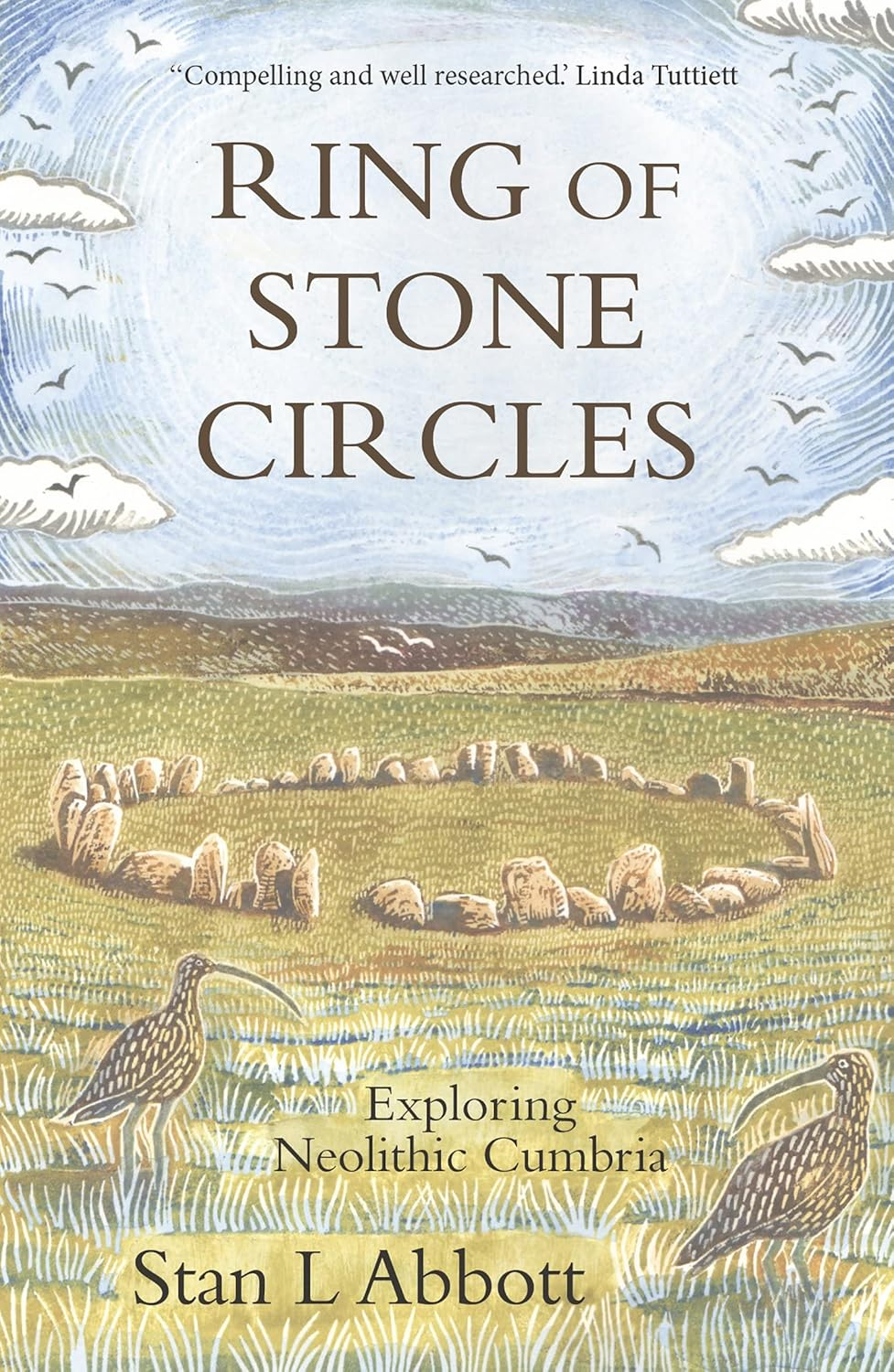
Across a Waking Land is the story a nature writer, who sets out on a walk, to match the pace at which oak leaves emerge (roughly 20 miles north each day).
Fed up with bleak headlines of biodiversity loss, he fights illness, blizzards (and his own ageing body) to visit every main habitat from between Lymington and Cape Wrath, in an epic 8-week adventure.
And meets those who are fighting for nature (along with kind strangers) with life-changing and positive conclusions.
High upon a Pennine fell, I am sheltering in the lee of a dry-stone wall, watching driven snow scudding across a copper sky over my head. I watch it gathering on my pack, feel it on my neck and cheek.
A few metres to my right, an old Swaledale ewe lies tight to the wall, lumps of frozen snow gathering in her fleece. She is eyeing me sullenly and going nowhere.
Roger Morgan-Grenville is a former soldier who now writes and campaigns on conservation issues. He is chair of trustees of the conservation charity Curlew Action.
The 8-Week Asparagus Season!
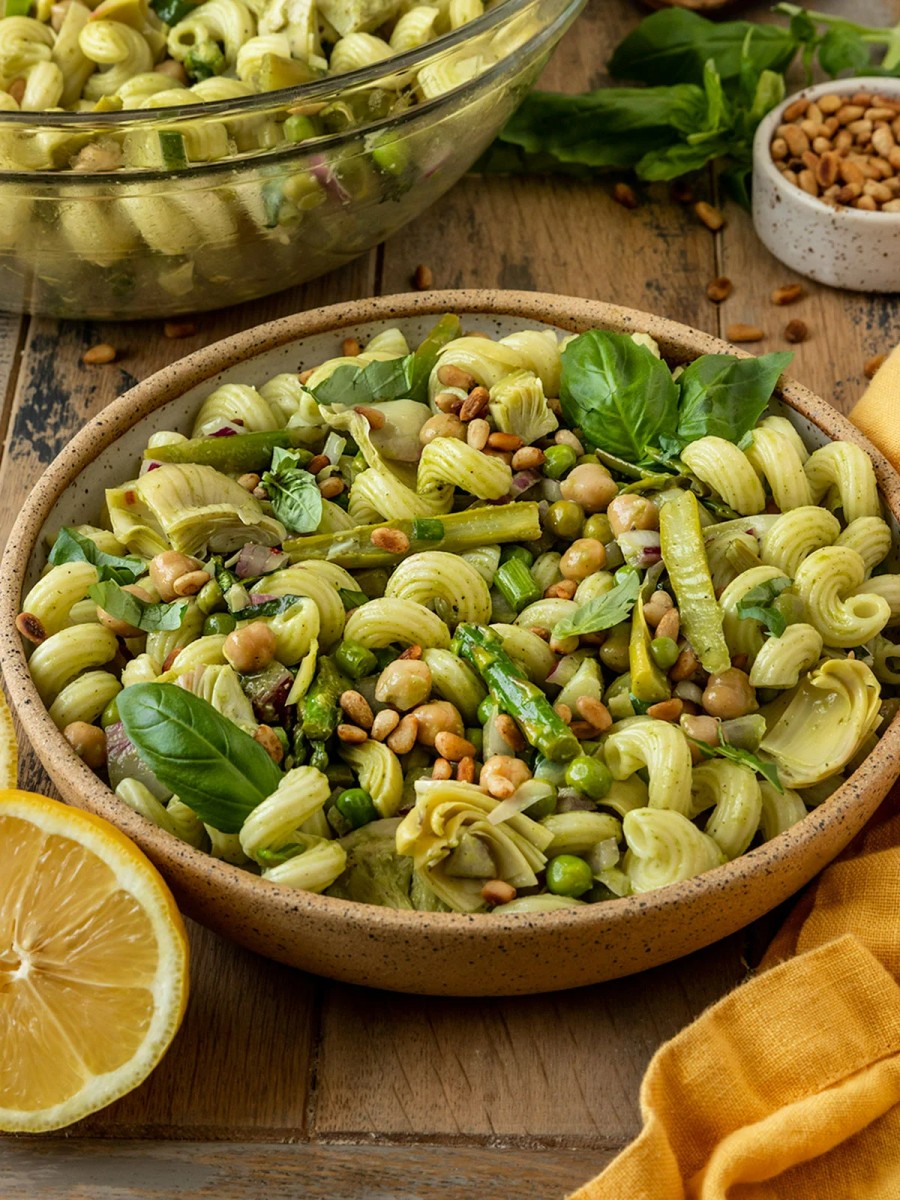
This spring salad recipe (Short Girl, Tall Order) is topped with lemon basil vinaigrette (or use ready-made dressing to simplify), it features fresh asparagus alongside canned chickpeas (protein) and canned artichokes. Combined with cooked pasta and peas.
Read up on food safety for people & pets (many garlic, onion and citrus are unsafe near animal friends).
Just bin allium scraps (onion, garlic, leeks, scallions, chives) as like citrus and rhubarb scraps, acids could harm compost creatures.
Asparagus may make your pee smell, but it’s a small sacrifice for great taste. Grown for thousands of years, try this recipe for plant-based hollandaise sauce which it’s traditionally served with.
To buy asparagus, look for plump firm stalks with the tips tightly closed. Ideally spears should be chilled or be sold standing in fresh cold water. Whether the asparagus is white, green or purple – ensure it has a bright colour (not faded).
You can eat asparagus raw, though you’ll need a good vegetable peeler to make ‘ribbons’. Keep fresh asparagus in the salad drawer, stored in a (loosely covered) jug of cold water.
- To boil asparagus, plunge spears in a pan of boiling water for a couple of minutes, remove with a slotted spoon and immediately place in a bowl of water to which you’ve added ice cubes. Store in the fridge, then drain and heat in a pan with a little Flora vegan butter (no palm oil). Or steam in a basket for a few minutes, then blanch in iced water as before.
- To grill, coat spears with a little rapeseed, then cook on a griddle pan at high heat, season with sea salt and freshly-ground black pepper. Turn now and then, they should be ready in a few minutes.
- To roast, drizzle with rapeseed oil and season with salt and pepper, then roast in a tray for around 15 minutes.
The word ‘asparagus’ comes from the Greek for ‘asparagos’ which means to ‘sprout’. The spears are hand-picked so it’s not the cheapest of vegetables, but it’s one of the tastiest.
To prepare, bend the stalk to snap it then eat the tender top part, and use touch woody parts in soups, stocks and stews.