The Best Brands of Sustainable Snacking Nuts

Many people in England like snacking on a bag of nuts. An incredible 400 billion packs are sold in the UK each year. But most are packed in plastic and contain palm oil, that’s a huge issue for both planet and orangutans.
Avoid nuts and seeds for children and choking hazards (nut/seed butters are also choking hazards). Keep nuts away from pets (salt and macadamia nuts in particular are unsafe). Read more on food safety for people and pets.
Don’t give leftover ‘human nuts’ to garden birds or wildfowl, due to salt and aflotoxins (also avoid feeding nuts in spring, as birds could choke). If feeding birds, choose brand-name feeders (never those mesh bags that can tear feet or beaks).
Use quality bird-specific foods from garden stores. Site feeders in correct places to prevent predation from cats – read how to create safe havens for garden birds.

The good news is that England has a great brand of snacking nuts (order online, in shops or buy wholesale if you’re a pub) that is packed in cardboard tubs, with refill tubs.
All nuts from Devon brand Cracking Nuts are vegan, and there is no palm oil in any of the flavours. You can purchase specific flavours, or buy pick-and-mix tubs.

The range includes the following (note The Wanderer nuts contain Reese’s Pieces, so are not vegan-friendly).
- Salted Mixed Nuts (roasted in Cornish sea and pink rock salt)
- Cinnamon & Vanilla Cashews (crunchy outside, and creamy in the middle).
- Smoked Hickory Almonds (savoury taste, good with beer)
- Sweet-Chilli & Lime Peanuts (one nut is never enough!)
- Sweet Roasted Nuts (peanuts, cashews, almonds, pecans). Try warmed with vegan ice-cream.
- Rosemary-Spiced Mixed Nuts (cashews, almonds & peanuts – a classic New York bar snack).
- Chilli Peanuts (roasted with Devon-grown infused oil)
- Naked Nuts (unsalted hazelnuts, cashews, almonds)
Buy Loose Nuts from Bulk Stores
Most towns now have at least one zero waste shop (a bit like the old ‘scoop shops’ where you take along your own clean bags and boxes). Just fill up with what you want, so you are paying for food, and not plastic packaging.
There’s something rewarding about heading home with a bagful of nuts that have no plastic, and you are also supporting indie shops that sell other eco-friendly items like dry foods, reusable water bottles, coffee cups and toothbrushes etc. Peaceful politics in action!
Reasons to Avoid Nuts with Palm Oil

Greenpeace says the term ‘sustainable palm oil’ is as useful as a chocolate teapot, it’s just a self-policed phrase from industry. While palm oil might keep nuts crunchier for longer and boost a brand’s profit, there are some big reasons to avoid it.
- Environmental Destruction. Rainforests get cleared to make way for palm plantations. The loss of forests leads to fewer trees that can absorb carbon dioxide, which makes climate change worse.
- Threats to Endangered Wildlife. When forests disappear for palm plantations, orangutans, tigers, elephants and rhinos lose their homes. Many are at risk of extinction.
- Health Concerns. Eating too much saturated fat palm oil can raise cholesterol levels, and increase risk of heart disease.
- Often Lower Nut Quality. Brands often use palm oil to coat lower-quality nuts, with stale flavour and poor freshness.
- From Too Far Away. In an age where we are being asked to keep food miles low, importing a saturated fat oil from thousands of miles away creates climate emissions from aeroplane fuel (and the price is added to your bag of nuts).
Choose Brands in Paper Packaging

This is not that easy at present, as nearly all nut brands (most contain palm oil) are sold in plastic bags. You can recycle them at supermarket bag bins (if your kerbside does not recycle). But it’s always best to just bypass the plastic packaging in the first place.
Aldi sells paper bags of nuts from the brand The Foodie Market. If this supermarket can do it, why can’t all the others?
Someone recently placed an AirTag in a supermarket plastic recycling bin, and found that most of the plastic went to the incinerator, due to it being difficult to recycle mixed plastics.
It’s better to use the plastic to generate biomass energy (rather than litter the streets). But by choosing alternative brands, it sends a strong message to other manufacturers.
Just imagine if everyone switched tomorrow to Cracking Nuts? The other brands would all switch to palm-oil free recipes in plastic-free packaging, pretty quickly!
Crack and Shell Your Own Nuts
This is what people used to do! You can still buy nuts in their shells, and invest in a nutcracker. Slower, but a nice snacking ritual!
Just be sure not to do this near anyone with a nut allergy, as bits of nuts may fly everywhere.
Leftover shells can go on the compost heap (they take longer to break down, but are good ‘dry matter’ to aerate). Or just bin them, to naturally break down safely.
Are Almonds & Cashews Ethical to Eat?
These nuts are related to the ‘avocado’ issue. Most almonds are farmed in California, where they use a colossal amount of water, in a state prone to drought.
Big corporate farms also use pesticides that lead to lead to monoculture orchards, so bees get sick (more bees die in the US, than animals and fish slaughtered for food).
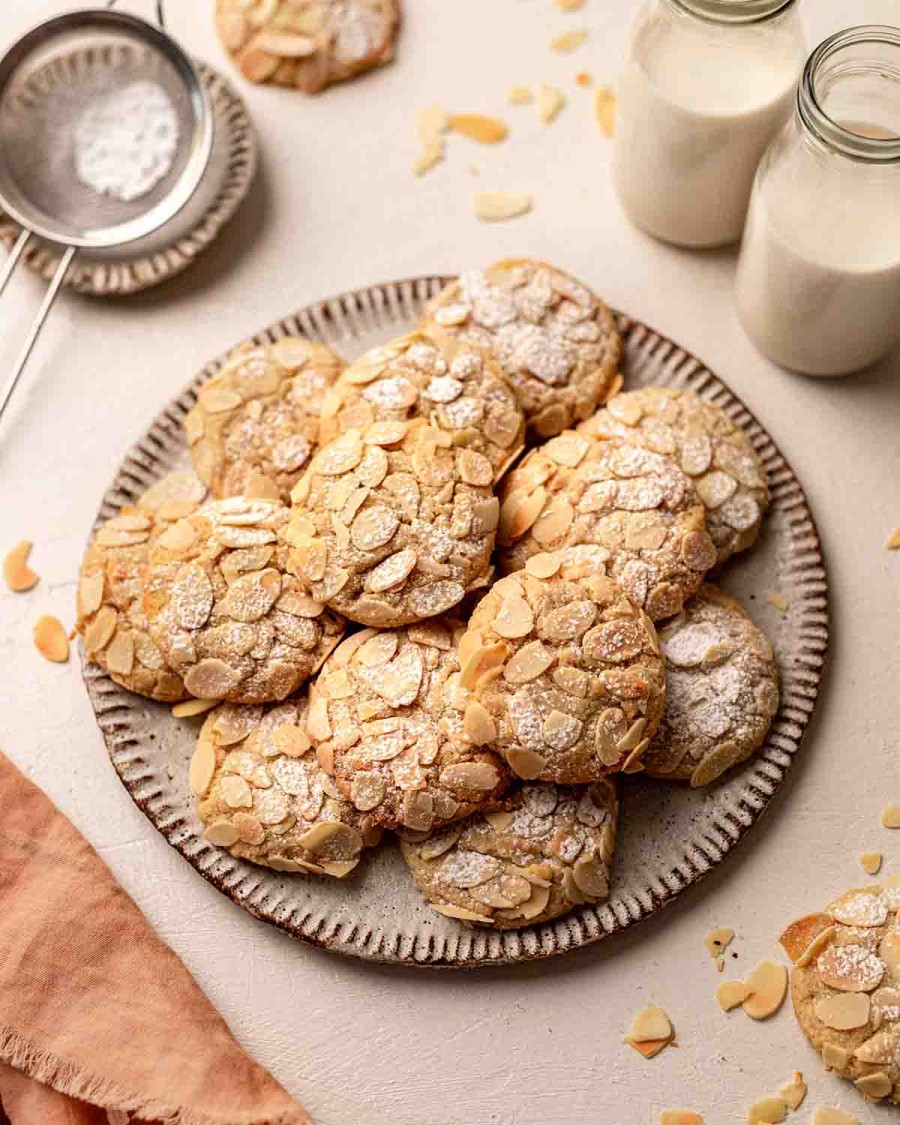
Instead, buy European-sourced organic nuts. These recipes for vegan almond cookies and almond cake (Rainbow Nourishments) are fine, if you use ethically-harvested nuts. If you eat avocados, sub for smashed peas on toast instead!

You can also buy heat-treated blanched organic almonds (grind to make almond flour). Or buy organic blanched almond flour.
The Bee Better Certified program gives consumers the choice to buy almonds that are grown/produced by companies that are inspected & certified (a bit like our Soil Association), to ensure pollinator-friendly practices.
Nut Allergies: Keeping Safe & First Aid
Always check for allergies, before serving food. Around 2 in 100 children and 1 in 200 adults can’t eat nuts. Unlike a gluten intolerance (that may give you an upset stomach), a nut allergy can kill someone in minutes.
The main allergenic nuts are almonds, walnuts, cashews, hazelnuts and peanuts (legumes). Symptoms of nut allergies usually show up within minutes:
- Itching/swelling of lips, tongue or face
- Hives or a rash
- Stomach pain and nausea
- Severe swelling
- A drop in blood pressure)
- Breathing trouble
If someone displays a severe nut allergy, ask them to direct you to their Epi-Pen (if they have one), jab it in their thigh at a right angle, hold for 3 seconds, then remove. Call 999 for help, stating the reason is ‘anna-fill-axis’.
Patients should lie down with feet raised (or sit up if this makes you breathless, but for as short a time as possible).
Keep Kitchens Safe for Nut Allergies
It’s UK law for packaged foods to list nuts as ingredients in bold print. That’s why (although it seems silly), bags of nuts say ‘may contain nuts’ on the label. It helps also to properly label foods in domestic and commercial kitchens, if people nearby are allergic.
Restaurants, cafés, and catering services offer allergen lists. Use different knives, chopping boards and storage containers, when serving customers or guests with allergies. Food Standards Agency offers free online training for allergies.