Simple Swaps for Better Digestive Health
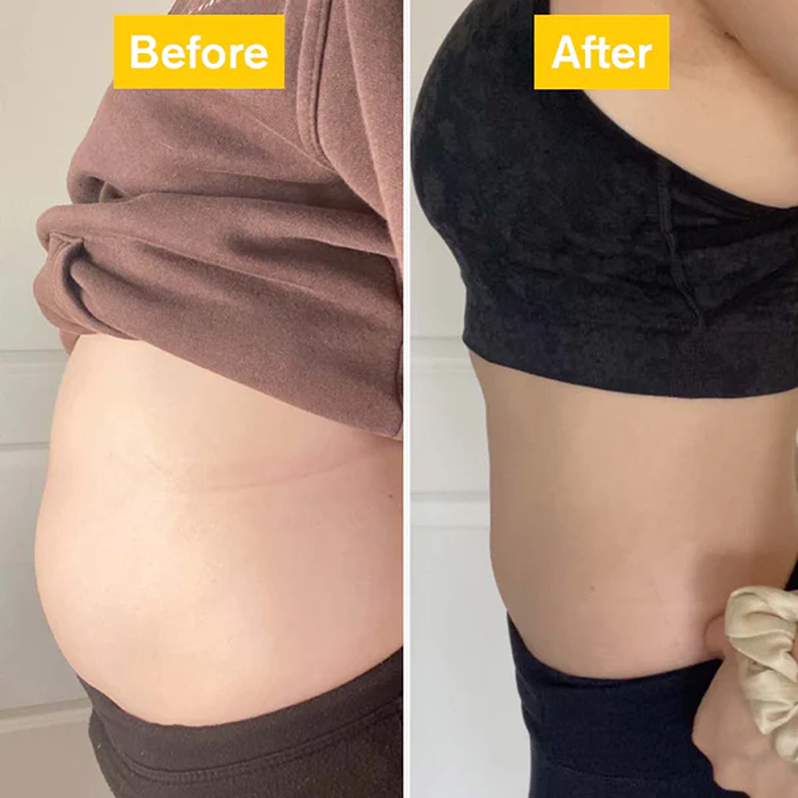
Millions of people across England have digestive problems, evident by the amount of people who pop a Rennie tablet, after every meal. There are also many issues with gluten, IBS (irritable bowel syndrome) and people who have all kinds of digestive issues, from diarrhoea to constipation to breaking wind!
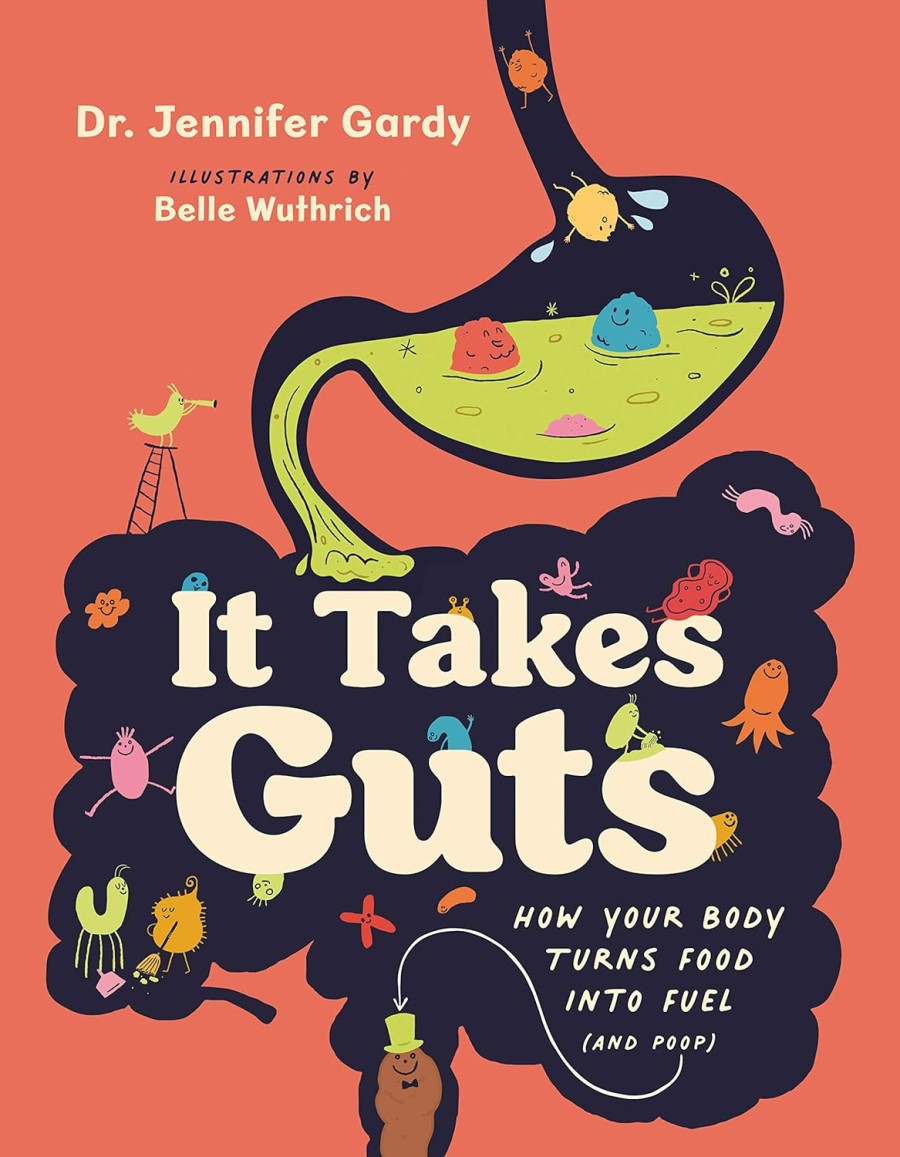
It Takes Guts is a fun educational book, to explain how bodies turn food into fuel. For any age, learn how food and digestion play on your mood and immune system and how acids break down food without burning a hole in your stomach!
And learn how billions of helpful bacteria help your gut. The author takes stomach-turning detours also to investigate the science behind burps, barfs and farts!
Read more on food safety for people and pets (check medication before eating/drinking grapefruit or rhubarb). Just bin allium scraps (onion, leeks, garlic, shallots, chives) along with rhubarb, tomato and citrus scraps, as acids may harm compost creatures.
Also read about the gut health benefits of fermented foods. Avoid kombucha and water kefir (or any unpasteurised food and drink) for pregnancy/nursing and weak immunity (including children and older people). Kombucha also contains a little fermented alcohol and caffeine.
Buy commercial versions of both, as home brewing could risk bacteria and mould. Leave it to the experts!
If you suffer from bloating, cramps or irregular bowel movements, fermented foods could help. The most common one of course is live yoghurt (Sojade is a good organic plant-based brand sold in health stores). Other common fermented foods are tempeh, sauerkraut, sourdough bread, miso and kimchi.
A few people should avoid fermented foods:
- Very young or old people or pregnant/nursing women (never eat unpasteurised cheeses)
- People with poor immunity (or transplant recipients).
- People with histamine intolerance (fermented foods are high in histamine)
- People on low-salt diets (most fermented foods use salt)
- A few digestion issues (although fermented foods usually help digestion), a few people may get temporary gas and bloating from probiotics).
- People with FODMAP sensitivity (IBS, leaky gut etc). This word stands for Fermentable Oligosaccharides, Disaccharides, Monosaccharides, and Polyols (short-chain carbs that are poorly absorbed by the small intestine, then fermented by bacteria in the large intestine).
Fibre: The Unsung Hero of Digestion
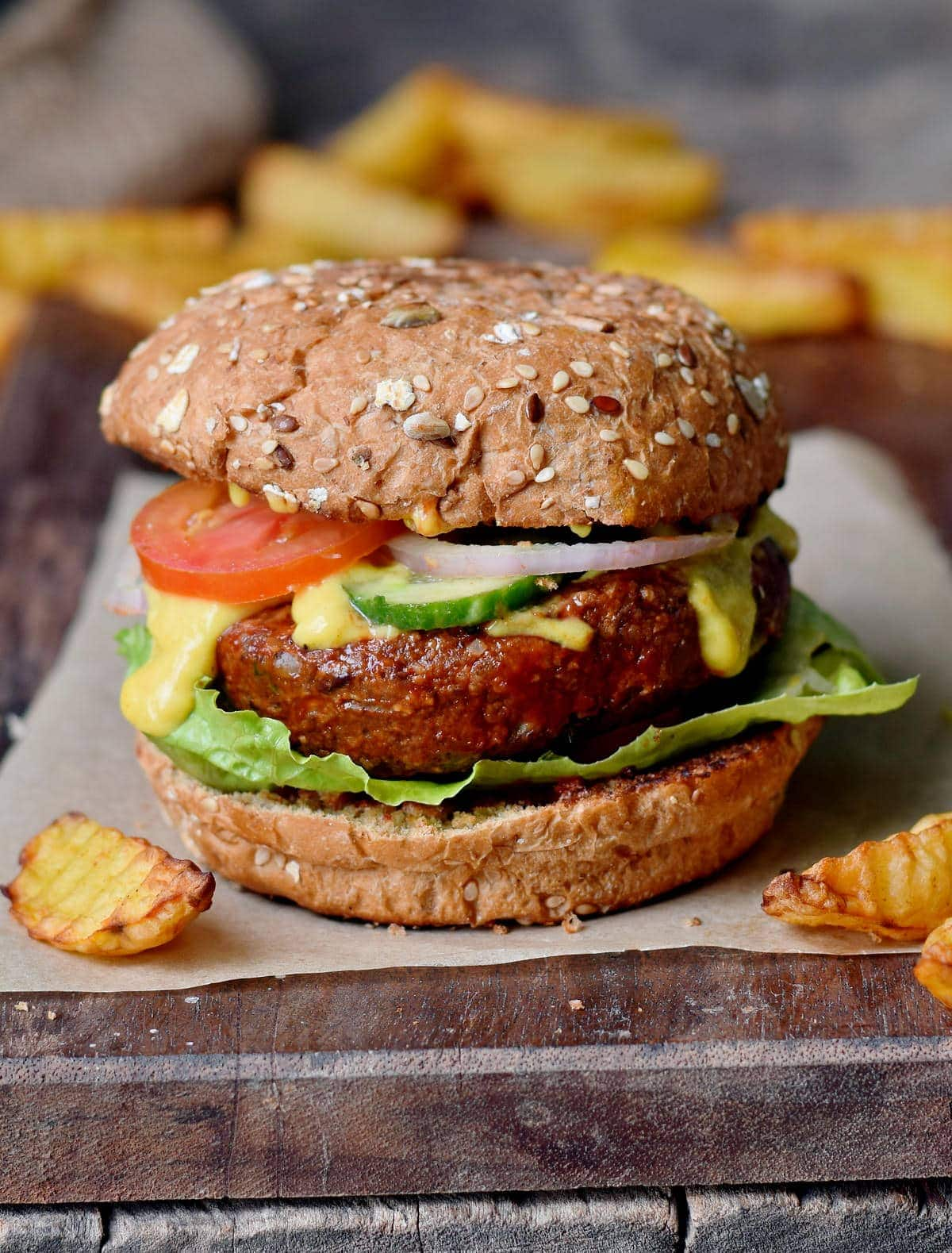
Popular fast food chains like McDonald’s sell foods notoriously low in fibre. An organic apple contains more fibre than a hamburger. And costs far less too.
If you like your burgers, then make your own veggie burgers, with high-fibre ingredients like lentils or even faux meats (which have fibre in them). Add your lettuce, sauces and put in a bin, and serve with sweet potato fries (more fibre).
In a nutshell, plant-based have fibre, animal foods have none.
Fibre is found in fresh fruits and vegetables, and wholegrains (legumes, brown rice etc). In essence, it keeps things moving through your body, and also is linked to lower rates of cancer. It also helps to add bulk to your stool, to help prevent constipation.
Some of the real health issues we have these days in England, are due to lack of fibre. People eat and drink fruit-flavoured foods, rather than just eating whole fruit.
Exercise coach Joe Wicks once called out the slimming clubs, for recommended their expensive apple-flavoured energy bars (packed in plastic, low in both calories and fibre). He says ‘why not just recommend people to eat an organic apple?’
Water-Rich Foods Help Your Tummy
Often tummy problems can simply stem from dehydration (which is why your gut rumbles a lot, if you’ve spent a nice on the sauce!)
Try drinking plain filtered water, or eat water-rich foods like melon and cucumber. Any raw foods (like salads) are water-rich.
Eat Slowly!

Not so far away in Italy, Spain and Greece, people eat slowly. Meals are never rushed. Shops close for a few hours at lunch, so everyone (including shopkeepers) can eat a slow lunch. Then in the evening, the meal is again eaten slowly, sometimes with a little wine. Then everyone enjoys a walk after dinner, to digest meals before sleep.
The Slow Food movement was actually founded in Italy, by a man who was appalled, when a branch of McDonald’s opened in his favourite piazza.
Slow food does not mean having to cook a casserole over several hours. It simply means taking the time to enjoy a warm bowl of soup you made yourself, instead of a quick supermarket sandwich, every weekday.
Eating slowly helps your body absorb food better. And then you are less likely to get indigestion. Also eat at regular times, and gradually your body will come to prepare the digestive juices, needed to iron out common gut problems.
Small plate sizes are good, even if it means a few more smaller meals each day.
What Your Poo Says About You!
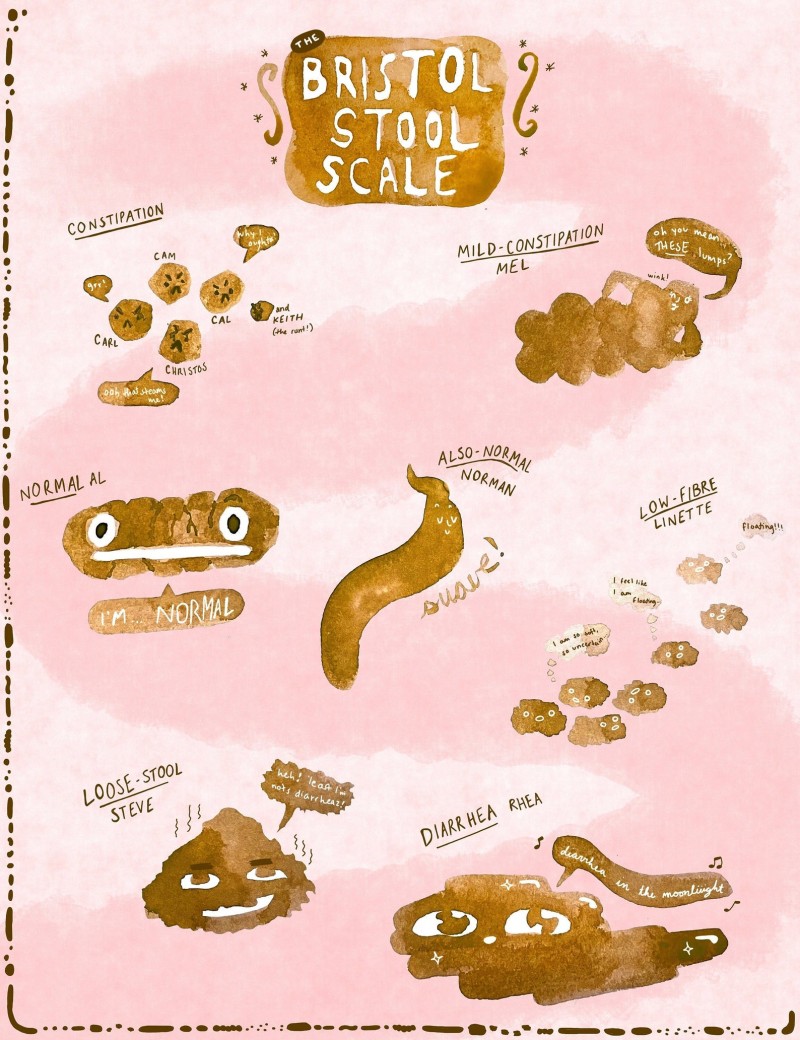
The Bristol Stool Scale is used on the NHS
Ready for a bit of fun ickiness? It’s totally true that your poo is a good indicator of what’s going on inside your digestive system. All the experts now say to avoid red meat (or at least limit it) to reduce risks of stomach cancer and the like.
But did you know that you can your use poo as a good barometer of what tweaks you need to make to your diet? Let’s get advice from nutritionist Joy McCarthy:
Eating liquorice would turn poop black (even spinach and blueberries can make it darker), and eating lots of beets will temporarily turn it pink. Obviously see a GP for anything serious.
- Skid marks! Poop that sticks to the toilet is caused by mucous, which means you eat too much dairy or wheat. Try leaving both out for a week, and see what happens.
- Smelly poop. Usually it’s due to meat, which has no fibre and too much acid, so putrefies inside. Drink plenty of water and high-fibre foods, to ‘sweep out your intestines’.
- Greasy poop is often due to fast food, which messes your liver. Make a fruit salad! Joy says if your poop ‘looks like an oil spill in your toilet’, it’s your liver and gall bladder begging for love. Same advice as before, give up alcohol and take a vegan supplement.
- Race car poop! This is when the poop shoots out your butt like in Formula 1. Give up tea, coffee and energy drinks! Cut back slowly to avoid detox systems, get lots of rest, rest and eat plant-based live yoghurt, to restore bacteria.
- Rabbit poop that plops! Usually this is due to dehydration/constipation, due to lack of fibre. Switch from white (bread, pasta, rice) to brown, eat your veggies and eat less meat.
Gut Health Supplements (in sustainable packaging)

There are a few good gut health supplements, if you need a helping hand. Most are taken around 30 minutes before food, and not with hot drinks (this would negate the good bacteria effects). You should start to feel the benefits within a few weeks.
Consult your GP if you are pregnant/breastfeeding or have any medical condition, before taking this supplement. Store in a cool dark place, away from children and pets.
Feel Daily Biotic combines 14 strains of live cultures and soluble prebiotic dietary fibre, to help nourish the gut and immune health, for daily digestive health. It’s vegan, not tested on animals and sold in plastic-free packaging.
Use code partner20 for 20% discount (not bundles or subscriptions). If you do subscribe, sign up for an account to earn discount rewards.
Just take 1 capsule a day. One pack lasts a month. This supplement contains 10 billion CFU bacteria in optimal amounts, in shelf-stable amounts so you don’t need to keep them in the fridge. Soluble acacia prebiotic aids digestion issues like constipation. Reviewers note no more acid tummy, reflex or bloating.
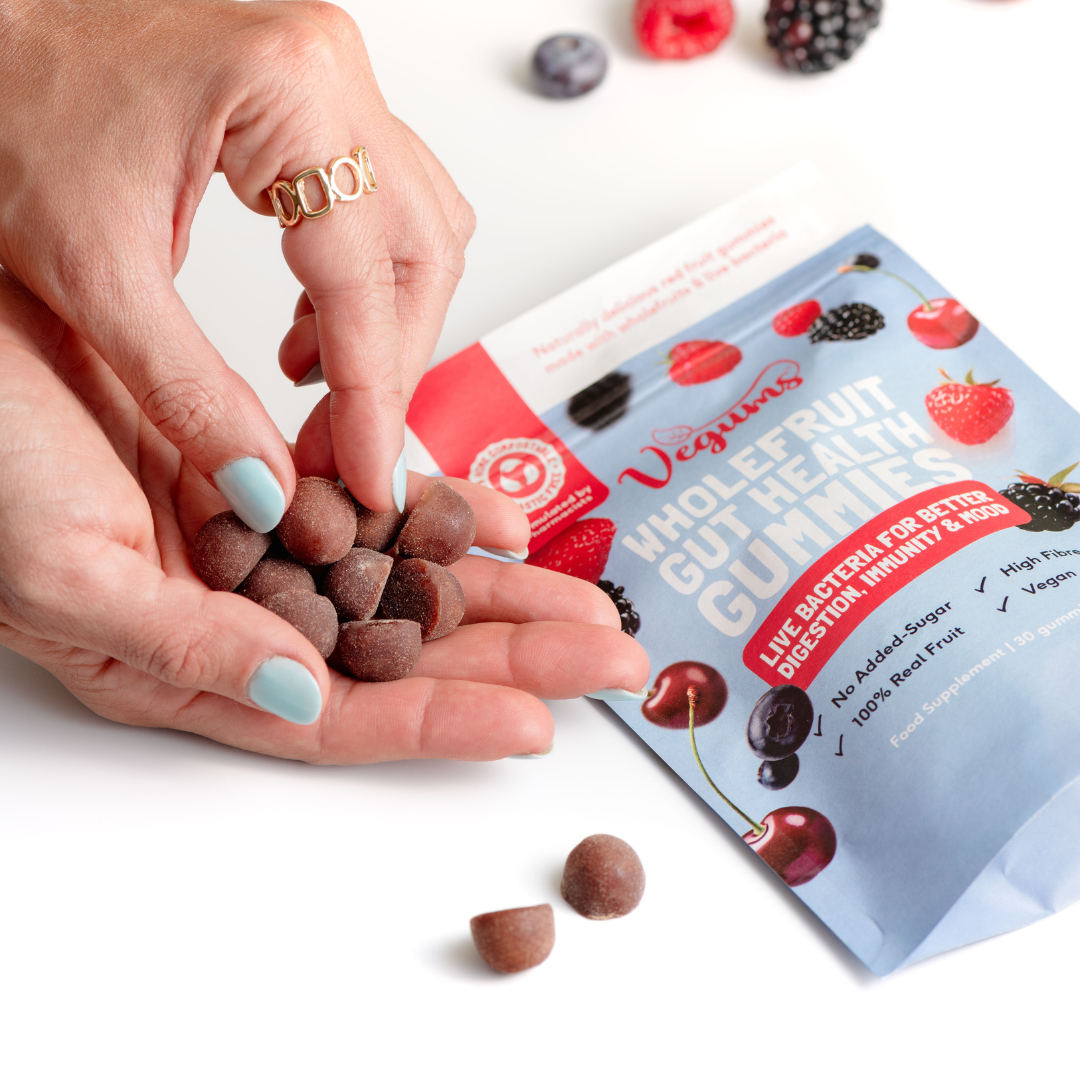
Vegums Gut Health Gummies are made from baked fruits and potent probiotics, sold in a tin with refills in cellulose compostable bags. This brand was founded by two pharmacists. Just chew 2 tasty fruit gummies each day (keep away from children and pets, as they look and taste like sweets).
These contain probiotics for good gut flora and digestion, and can also help to reduce bloating. They also may help to improve your mood. This is because your gut is the ‘second brain’ (9% of the happy hormone serotonin is made here). Talk to your GP, if you are already taking anti-depressants).
This is because your gut is the ‘second brain’ (9% of the happy hormone serotonin is made here).
Gut Goodness is a natural probiotic/prebiotic supplement for gut health, formulated by trained nutritionists. It contains inulin, turmeric and 8 strains of probiotics, for good digestive health.
Ideal for people with tummy troubles, or after taking antibiotics. You can decant refills into their amber glass jar (which protects from moisture and light). This supplement contains inulin (a non-digestible food ingredients for healthy guts and regular bowel movements.

Gut health affects how you digest food, fight infections, and feel day to day. When your gut is off, you notice it. Bloating after meals, irregular bowels, or flagging energy can be more than a nuisance. They signal a microbiome that needs support. Dr Vegan GutWorks steps in as a targeted, practitioner-approved choice. It blends 50 billion live cultures from six studied strains with prebiotics and psyllium husk.
This multi award-winning supplement keeps it simple. One delayed-release capsule a day, free from common allergens and additives, and designed to reach the gut alive. It is also friendly to your routine and your ethics, thanks to sustainable packaging and a money-back promise. If bloating and discomfort are holding you back, GutWorks offers a practical path to feeling lighter, regular, and more in control.
Always check with your GP before taking supplements, if pregnant/nursing or on other medication or supplements. Teens and older children can use it, although those under 13 may be better served by a child-friendly probiotic. If unsure, seek tailored guidance. Keep away from children and pets.
What to expect over time:
- First week: you may notice changes in bowel movements as your gut adjusts.
- Around one month: many people report less bloating and wind.
- By two months: digestion tends to feel more settled with better day-to-day comfort.