Growing Food in Greenhouses & Polytunnels
If you live and garden in England, you will know that it rains! A lot. Especially if you live in extra-rainy areas like Cumbria. Of course rain is good for crops, but too much can sometimes get difficult to grow things!
But with smart planning, anyone can grow their own organic food, making use of nature’s wisdom, and add-on helpers, like greenhouses and polytunnels.
Learn how to create pet-friendly gardens and wildlife-friendly gardens (use fruit protection bags over netting). Also learn how to stop birds flying into windows.
Pick the Right Crops for Wet Conditions
There are certain vegetables and fruits that thrive in wet soil, so choose to grow them. Work with nature! Leafy greens like lettuce and spinach grow fast in cool, rainy weather. Root crops like carrots, beetroot and radishes also do well.
Outdoors, avoid plants that need dry soil (like tomatoes or peppers). Save these for indoor plants or if you have a greenhouse or polytunnel.
Use Raised Beds to Prevent Waterlogging
Raised beds are fabulous, and we don’t use them nearly enough in England. You simply clip them together, fill with peat-free compost and then grow food or flowers.
Raised beds avoid a soggy mess, by keeping plant roots above ground. The sides are sturdy (wood or recycled plastic etc), and they also make weeding and watering simpler.
Space Plants Properly for Airflow
It’s common sense that spacing plants out, lets more air in, and helps to prevent mould, mildew and disease. Place taller crops on the north side, so they don’t shade smaller ones.
Improve Soil Drainage with Organic Matter
Improving your soil drainage, lets extra water drain away, and also lets plant roots breathe. Adding organic matter to your soil (rich compost or shredded leaves) helps to boost soil health, and keep nutrients in place. It can also prevent root rot, especially during storms.
Mulch to Protect Soil and Roots
A thick layer of coconut coir mulch (made from leftover husks in the coconut industry) is good to soak up rain, keep soil in place, and block weeks. It also helps to stop mud splashing onto leaves, so helps to prevent disease.
Over time, organic mulch breaks down and feeds the soil, making your garden stronger each season.
Just add water to the small pack and wait around 20 minutes, then it’s ready to use. This peat-free mulch is also proven to reduce weed growth by up to 90% (and slugs and snails don’t like the texture).
Remove Damaged Leaves Quickly
One of the best ways to prevent disease, is simply to remove damaged leaves, after rain. This will help stop mould from spreading.
England’s rain also brings out earthworms (good!) and slugs and snails. Don’t harm them (they are part of life and make good food for birds and native wildlife). Instead, read our post on how to naturally deter slugs and snails.
Grow Organic Plants Indoors!
- This is the obvious choice, as there are many plants that you can grow indoors. Read our post on indoor kitchen gardening.
- As with pets outside, it’s important to know plants to avoid inside (lilies and sago palm are very toxic, and even a tail brushing past can harm).
- Never face indoor plants to face outdoor gardens, to help prevent birds flying into windows.
Try Polytunnels or Greenhouses
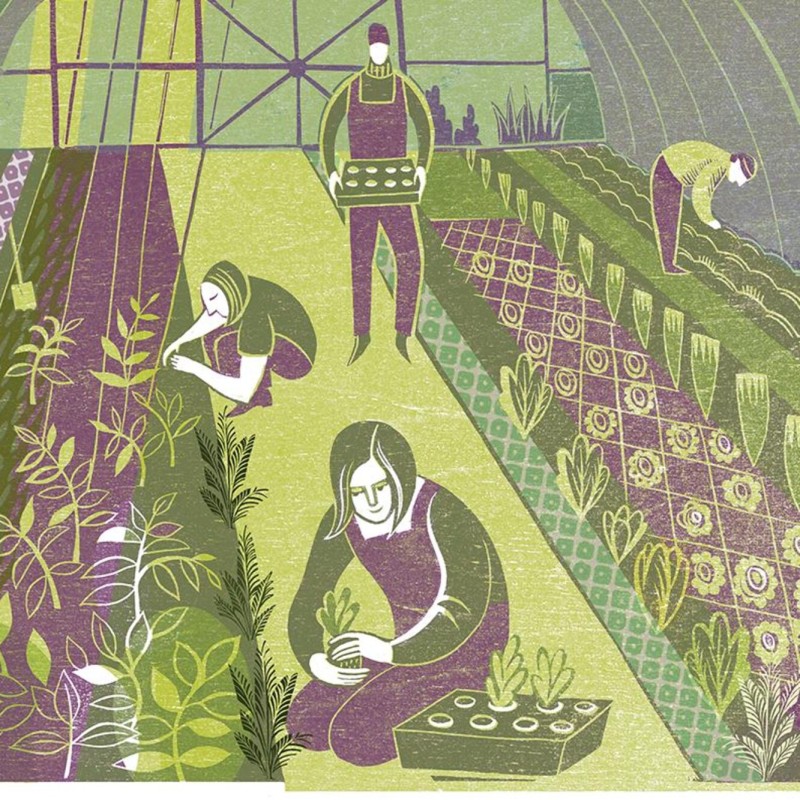
This is the obvious choice, if growing outdoors in rainy weather. Both shield plants from rain and extreme temperatures. In a nutshell:
- Polytunnels are covered frames that protect crops, and let in natural light. They tend to be made from ‘soft material’ like plastic.
- Greenhouses are basically the same, but tend to use glass (or hard plastic).
It’s really important to follow tips to avoid birds flying into windows (not facing foliage to face outdoor gardens, as this could confuse birds that think that ‘inside is outside’. Using blinds is a good idea, to avoid ‘see-through foliage’.
You don’t need either, but they are good for plants that like dry weather, such as tomatoes and peppers.
Polytunnels are Way More Affordable
Polytunnels can be bought for around £100 (also in opaque green which are safer to prevent bird strike), compared to a small greenhouse, which can set you back £1000.
Choose polytunnels with skirting to protect against the elements, secure doors and roll-up alternative doors for wheelbarrows. Biodegradable paper mulch is designed especially for polytunnels and hoop-houses.
Read How to Grow Food in Your Polytunnel. This classic guide shows how to harvest fresh crops all year round (including England’s Hungry Gap when not much grows – now you can enjoy new potatoes, cabbage, peas and beetroot). You’ll also learn how to reap:
- Sweet potatoes and celery in November
- Radish, baby carrots and celeriac in February
- Salad leaves all through winter
The book includes a detailed crop-by-crop guide to the growing year, chapters on growing for each season, plus a sowing/harvesting calendar to help with planning limitless free food!
No-dig gardener Charles Dowding has a great post on how to choose and use a polytunnel. He recommends burying the polythene all around in a trenches of one spade’s depth, to prevent animals, weeds and draughts creeping in!
He says a good polytunnel should last you at least 5 years, good payback if growing free food! Charles even has his own YouTube playlist on polytunnels and greenhouses.
Worth a look – Charles is a great fan of our site, and always friendly and helpful. He grows all his own organic food, is teaching the world the benefits of No-dig gardening, and is what you may call an ‘English eccentric!’