How to Grow Your Own Organic Herbs
Growing your own organic herb garden is a rewarding experience. It’s not just about adding fresh flavours to your meals; it’s also about embracing a healthier lifestyle.
Imagine plucking fresh basil for your spaghetti or a sprig of mint for your tea right from your garden. The satisfaction you get from nurturing your plants is incomparable. Plus, it’s a fantastic step towards reducing your carbon footprint.
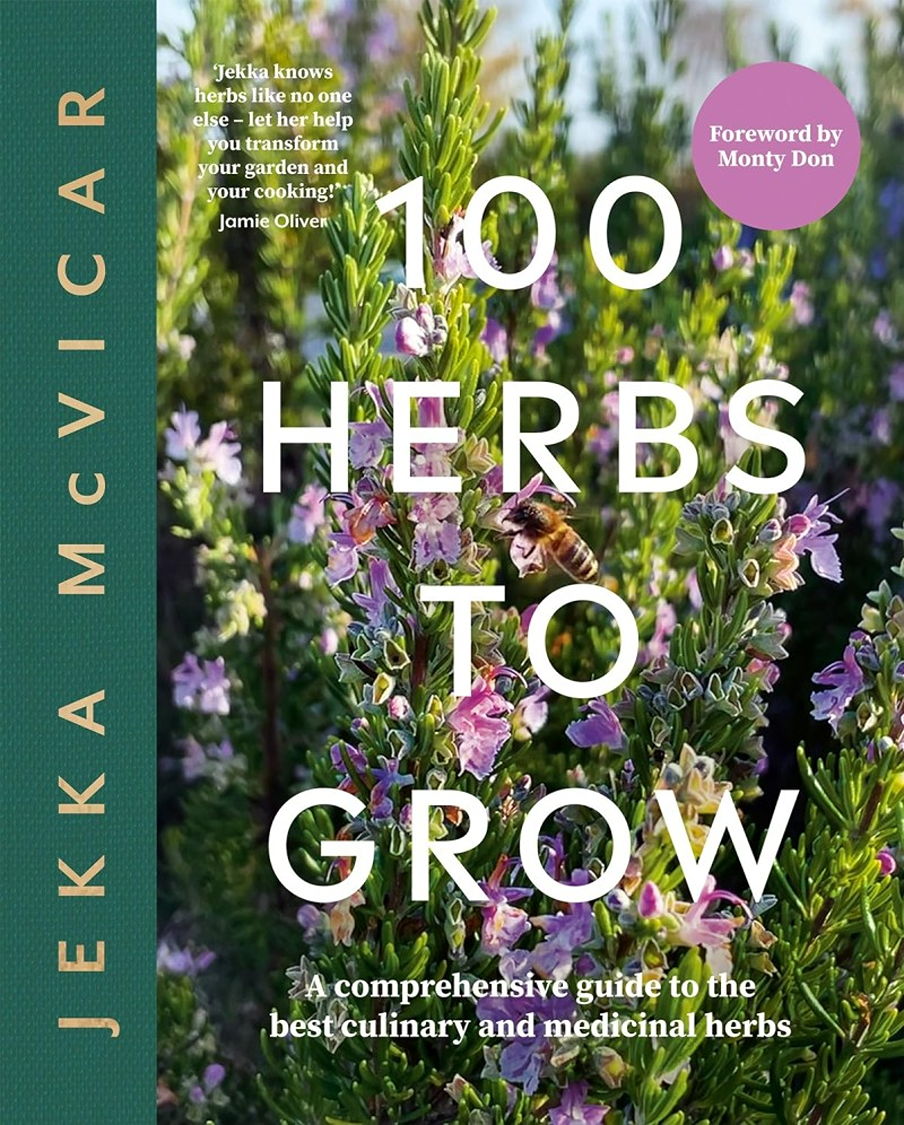
100 Herbs to Grow is by herb-growing expert Jekka McVicar. It includes herbs that are easy to grow, taste great and have culinary and medicinal properties.
Many herbs (borage, parsley, Pennyroyal mint etc) are unsafe near animals. Along with many seeds (borage,
Learn how to create pet-friendly gardens and wildlife-friendly gardens (use fruit protection bags over netting). Avoid facing plants to face outdoor gardens, to help stop birds flying into windows.
Also read up on food safety for people and pets, and talk to your doctor before taking herbs, especially if on medication.
Grow Your Own Cocktail Herbs

Herboo Cocktail Herbs Kit is from a company that makes seed kits for small spaces. This contains seeds to grow Basil (sweet Genovese), borage and spearmint. Note this brand also sells some pet-toxic flower seeds like poppies.
The kits all include clear instructions and are designed and prepared in London, to inspire those who have limited space. An emphasis is on organic seeds where possible, and the seeds are packed in moisture-free foil sachets, inside easy-to-recycle sleeves.
Herboo recommends sowing seeds in small batches. That way if something goes wrong, you have enough left to have another go!
Tips for Organic Herb Gardens
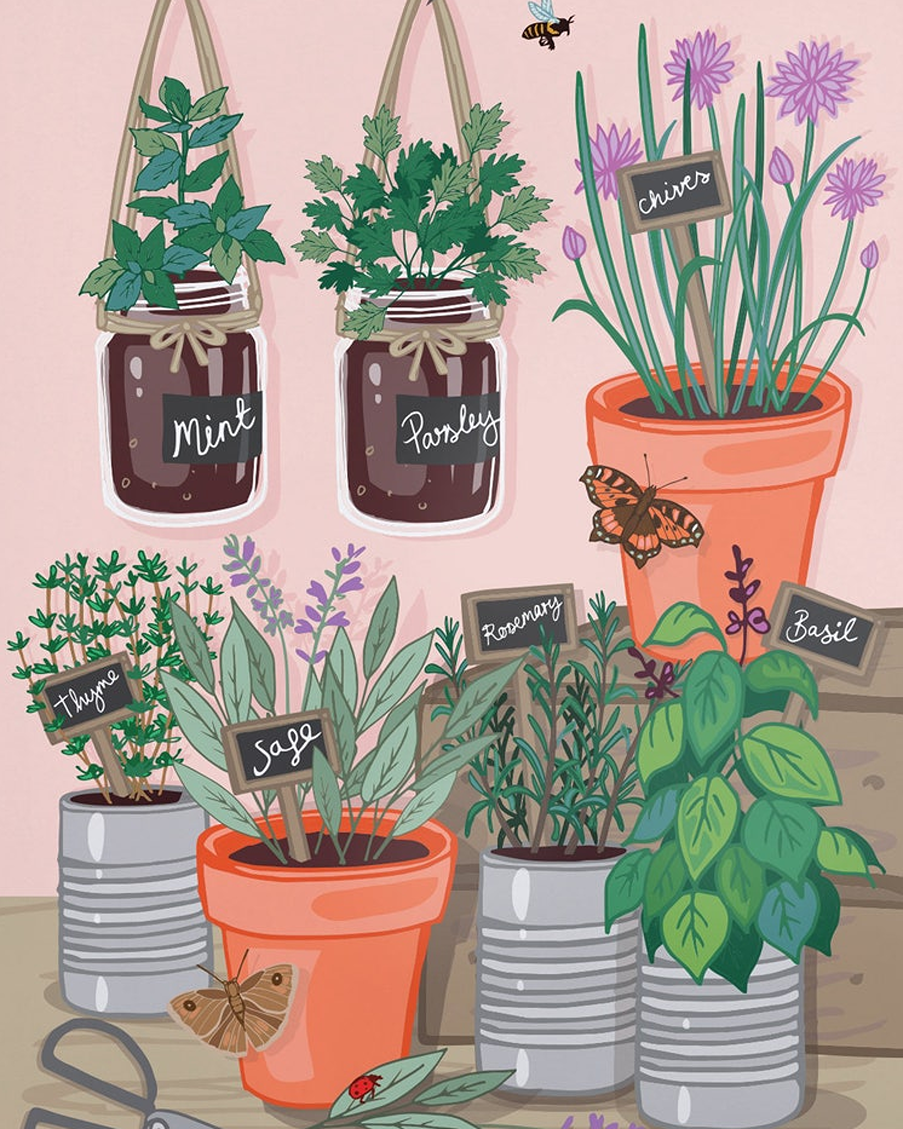
Most herbs need 6 to 8 hours of sun a day, although parsley prefers a little shade. Good soil is also important. But avoid standing water. If you get pools of water after rain, raise the beds or improve your soul.
Good starter herbs are basil, parsley and mint. Basil needs replanting each year, but perennials like thyme survive the next year. Some herbs are good with other plants (basil loves tomatoes)
Regular pruning encourages more robust herbs, so pinch the tips off regularly. Aphids love herbs, so encourage ladybirds to your garden (they eat them).
Books to Help Grow Organic Herbs

The Complete Language of Herbs is a beautifully illustrated compendium of over 500 herbs and spices, in a pocket edition for easy references. Along with visual depiction, each entry includes scientific and common names, historic meanings and powers, even some herb poetry!
In the Victorian era, floriographies (dictionaries of flower meanings) were an amusing pastime and a way to subtly communicate unspoken emotions.
S Theresa Dietz has scoured historic sources to find the powers of hundreds of common and forgotten herbs and spices from around the world. The book includes 2 indexes, and is a must-have for gardeners, chefs and foodies.

Complete Container Herb Gardening is a book by a certified horticulturalist on how to grow edible plants with ease on patios, urban rooftops, balconies and more. Learn which herbs grow best in pots and how to select containers and tend your herb garden. Includes a dozen ‘recipes’ to mix and match.
GrowBar (grow your own Biblical herbs!)
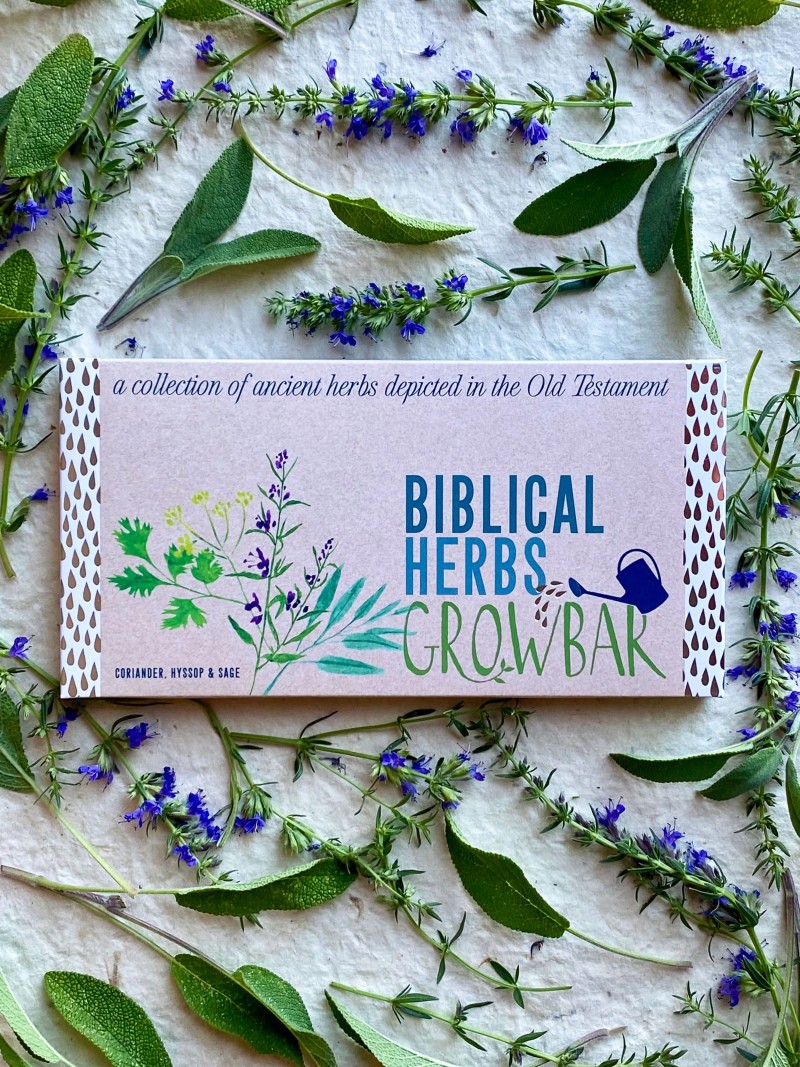
GrowBar’s Biblical Herbs Bar makes it easy to grow your own herbs. You’ll end up with coriander, sage and hyssop (similar to mint).
Before growing your own herbs, read our post on pet-friendly gardens. Also never face indoor plants to outdoor gardens, to help stop birds flying into windows).
The bars are nestled in fertile coir (coconut fibre), packaged by a small team in South London. The film wrap is made from sugar cane waste, and easily recycled.
To use, just unwrap the Growbar and place with the brown protective paper facing up, in a container with plenty of space to expand. Gently pour half a litre of water into the tray, then position indoors on a warm bright sunny windowsill (not facing gardens, to avoid confusing birds).
The seeds should be 18°-22° to germinate. Water regularly to keep it the colour of rich dark ginger cake. When the seedlings produce 4 to 8 leaves, gently separate into little flowerpots, where they will continue to grow on the windowsill (or plant in a sunny weed-free spot in the garden).
- Coriander (annual) is an edible herb with zesty flavour. Mentioned in Exodus and Numbers.
- Hyssop (perennial) is mentioned in Exodus and Psalms.
- Sage (annual) is mentioned in Exodus.