Take a Bracing Walk Along a Seaside Pier

Seaside piers were first designed in Victorian times, to extend jetties, so boats could drop off goods, before lorries were invented! It was on later after railways took people to the seaside, that they became places for ‘pleasure walks’.
Mostly made from steel and wood, alas many have since crashed into the sea in storms, and a few have even been destroyed by fires (sometimes due to electrical faults and even arson). Today some have installed advanced sprinkler systems, so the same does not happen.
Use a personal ashtray to extinguish cigarettes until you find a bin, to reduce fire risks.
But today the golden age of seaside piers has often been replaced by buildings full of tacky tourist shops and amusement arcades (you don’t even get those clever men moulding animals from glass anymore).
Most of England’s remaining seaside piers are now over 100 years old, so let’s look after them. To gate out to sea, and breathe in the salty air of the sea.
If at the coast, read our post on keeping dogs safe by the seaside.
Some Well-Known Seaside Piers
Cleveland Pier (Yorkshire) has a long walk over the sea in Redcar and Cleveland. Built from wood in the 1800s, storm damage and high waves caused it to be lost to sea, and rebuild. Poet Sir John Betjeman (who helped to found National Piers Society) that this pier to be the most beautiful in England.
Southend Pier (Essex) is the longest pleasure pier in the world (2km or 1.2 miles in old money). It even has a train, if you can’t walk that far. First opened in the 1800s, again it has been rebuilt many times. Built from wood and iron, it houses a small museum to show its history.
Ryde Pier (Isle of Wight) is made from wood and has stood for 200 years. Again it has a train. This is England’s oldest pier, and inspired the Beatles hit Ticket to Ride. After Paul and John went to visit the former’s auntie, who lived in the town.
Southport Pier (Merseyside) is the second-longest pier in England, just 20 miles from Liverpool. It needs urgent investment (some people have fallen through the holes of piers, that need maintenance).
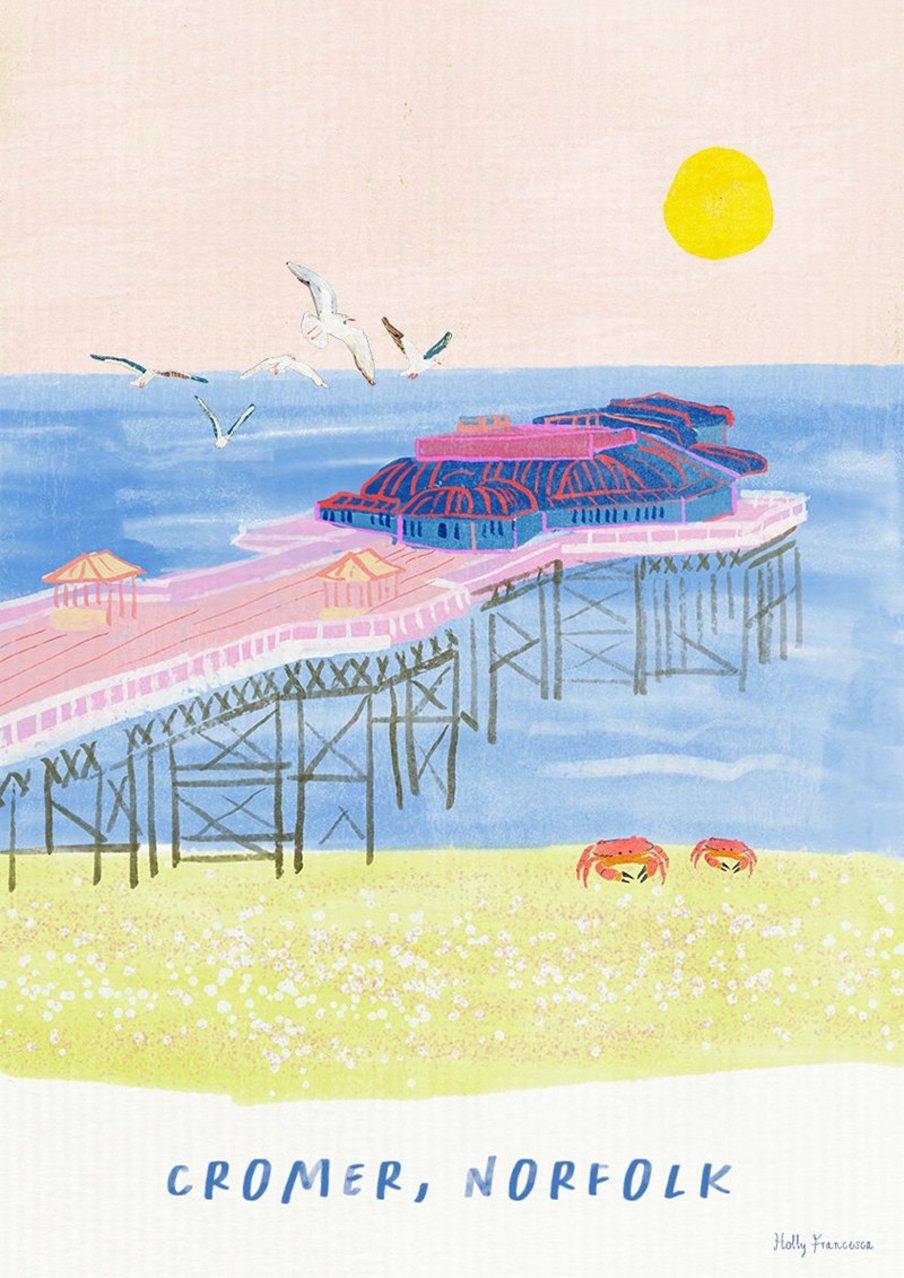
Cromer Pier (Norfolk) was built in 1391, this pier was rebuilt in 1582 (Queen Elizabeth I granted the right for local people to export wheat, barley and malt – to make money to rebuild it). The wooden jetty was washed away in 1843 in heavy seas, and last damaged in 1993 when a 100-ton crashed into it – then again the next year in a heavy storm.
The pier is now almost as well-known as local lifeboat hero Henry Blogg, credited with saving more lives than anyone else during his time (873 lives, plus a dog who he later adopted).
Brighton Palace Pier (East Sussex) is the only surviving one out of three. The Chain Pier (1823) was swept away in one night during a storm in 1896. West Pier (1866) is now beyond repair, after a storm in 2003 (just the haunting skeleton remains).
The remaining pier was opened in 1899, opposite historic Old Steine, the scene used in the film Carry On At Your Convenience (when the toilet factory workers take a trip to the seaside). Laurel and Hardy performed here, before moving to Hollywood.
The pier is very long, with three months in every year being taken up to paint it. It’s also lit up at night (not good news for local birds and wildlife). Visitors (not residents) are now charged £2 to visit in summer, to fund the huge running costs to preserve the pier.
Join National Piers Society
National Piers Society is run by volunteers to save the remaining piers in England (half have now gone). The site lists a history of all our piers, including a gallery of ‘lost seaside piers’. Members receive a magazine and can vote for ‘pier of the year!’
The online shop sells self-published books on piers (Hastings, Herne Bay, Yorkshire). And paintings from Nina Carroll, whose work is important as 14 of the piers she painted no longer survive (her paintings were donated after her death, to raise funds to preserve the rest).
You can also buy a Pier Passport (to tick off and record memories of piers). This is what one woman from Hastings did, after the beloved pier of her childhood was destroyed by arsonists. It was rebuilt, but inspired her to journey 6500 miles over 23 counties, to visit all of the UK’s seaside piers.
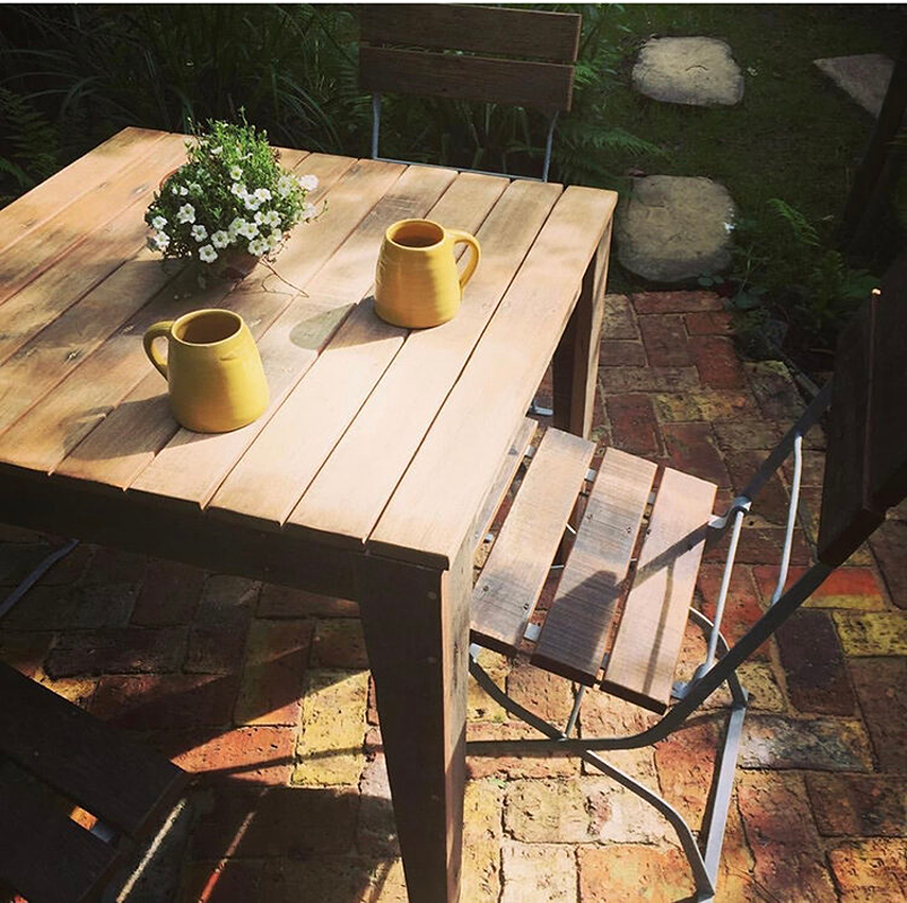
One Hastings company now uses reclaimed pier wood to make nice home furniture.
Report litter on or near piers to Fix My Street (no matter who dropped it, it is council responsibility to clean up litter on public land – or it can serve Abatement Orders on private land).
Never jump off piers. So-called ‘tombstoning’ has resulted in at least two teenage boys suffering life-changing injuries (one has brain damage) after landing in shallow water, or the wrong way. One warns others, saying that he wishes again and again, he had never taken the risk.