Bath City: Royal Crescent, Pulteney Bridge, Hot Springs
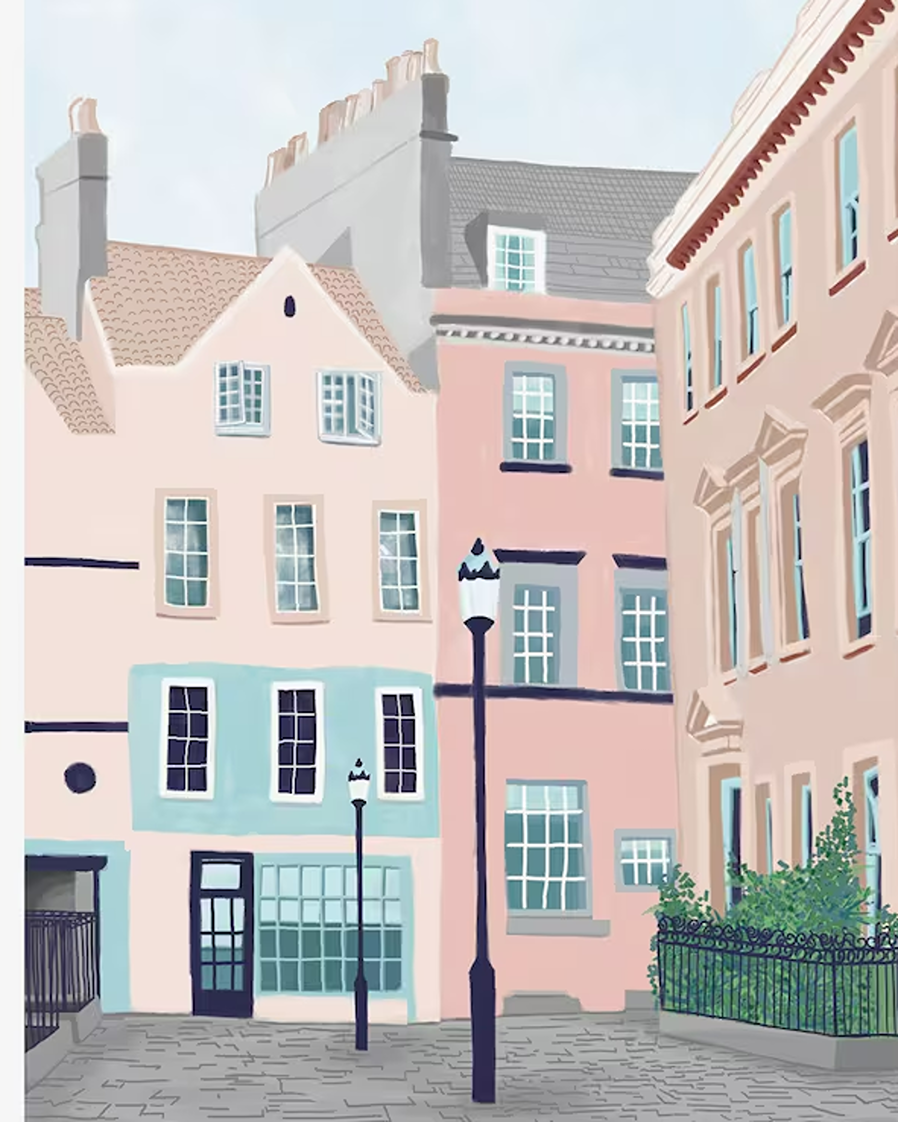
Bath is a city in southwest England, just 13 miles from Bristol, which you can reach via a traffic-free old railway line. Home to natural springs, it’s often called one of the world’s most beautiful cities.
Not least due to Royal Crescent, a sweeping set of buildings overlooking a park, said to be influenced by Stonehenge.
Always follow the Countryside Code, to keep all creatures safe.
Stroll Through Royal Victoria Park
Royal Victoria Park is a centrepiece of Bath. Opened in 1830 and named after Princess Victoria before she became queen, this park stretches across 57 acres.
Locals and visitors fill the lawns with picnics, outdoor games and lazy afternoons.
Marvel at the Royal Crescent
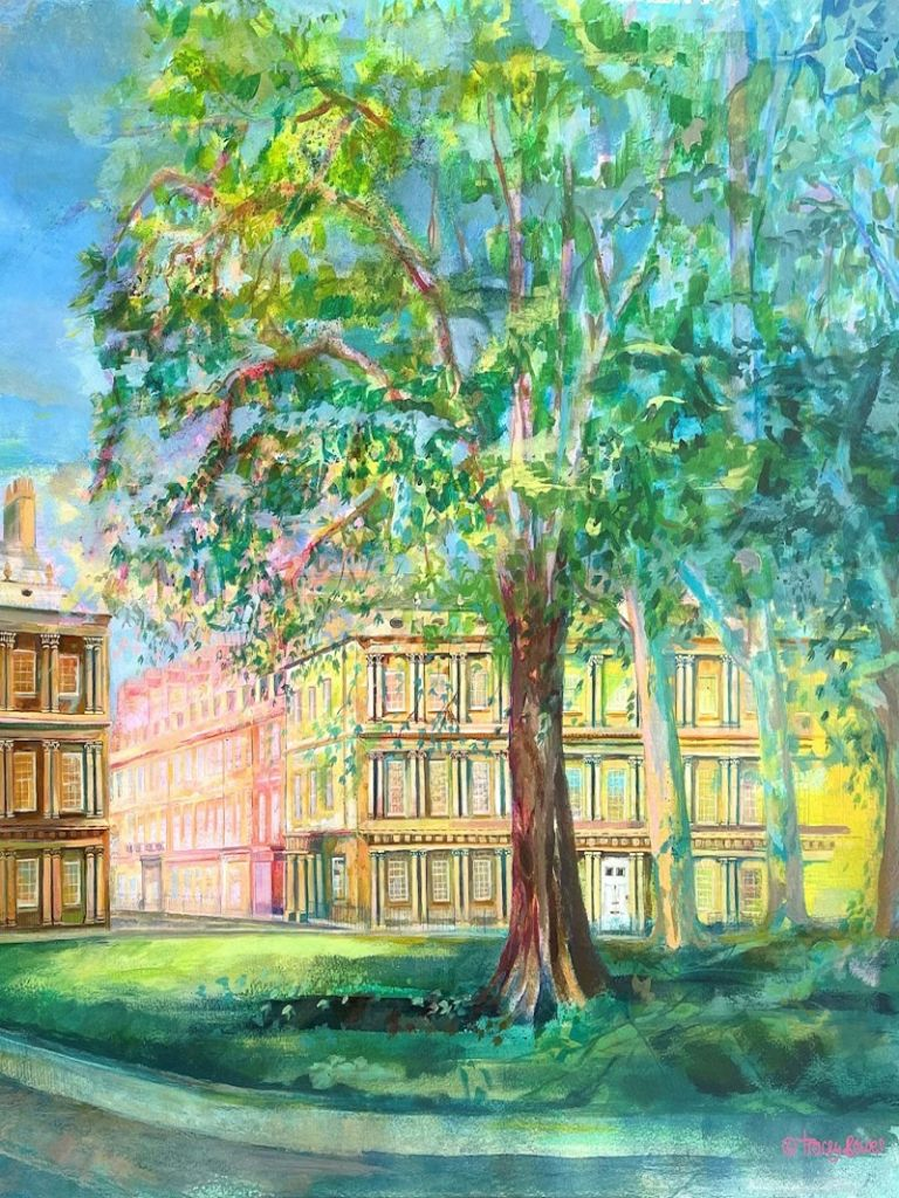
The Royal Crescent is one of Bath’s most famous sights. This sweeping row of 30 Georgian houses is built in a perfect curve, framing a wide lawn. Designed by John Wood the Younger and finished in 1774, it’s a classic example of Bath’s architecture.
You can explore the Crescent’s gardens or visit No. 1 Royal Crescent, a house museum that shows how people lived here in the 18th century.
Relax at the Roman Baths

The Roman Baths are at the core of Bath’s story. Built around natural hot springs, this ancient site has drawn people for nearly 2,000 years. Walk on original Roman paving, listen to water bubbling from deep underground, and learn about the city’s origins.
The museum displays artefacts found on site. The warm, mineral-rich water is still a draw today. While you can’t swim here, the nearby Thermae Bath Spa lets you soak in similar waters with rooftop views of the city.
At the heart of the complex is the Sacred Spring, where natural hot water bubbles up from deep underground. The Romans believed this was the work of the goddess Sulis Minerva.
Wander the Bath Skyline Walk
The Bath Skyline Walk is a six-mile circular path that gives you a full view of the city and surrounding countryside. The trail starts just outside the city centre and climbs up to reveal open fields, woodlands, and some of the best photo spots in Bath. A
long the way, find wildflowers, ancient woodlands, and hidden valleys. The walking is easy to moderate, with clear signs and spots to stop for a drink or snack. The city always feels close but you’re surrounded by nature.
Visit the Avon Canal Towpath
The Kennet and Avon Canal runs through Bath, offering a peaceful route along the water. Walk or cycle from Sydney Gardens. Stop for coffee at one of the waterside cafes, or watch the locks at work as boats pass through. The towpath is flat and easy, making it good for all ages and fitness levels. Early mornings are quiet, with just the sounds of nature.
Read our post on protecting historic canals.
Take in Bath Abbey’s Tower Views
Bath Abbey towers above the city with its stunning stonework and fan vaulting. Climb the tower for sweeping views over the rooftops, green hills, and rivers that make Bath special. Guided tours share stories of the city as you climb narrow spiral stairs.
At the top, the breeze and the sight of the Royal Crescent, parks and gardens bring Bath’s natural beauty into focus. The abbey sits beside the Roman Baths, making it easy to pair these experiences.
Pulteney Bridge: Bath’s Georgian Architecture
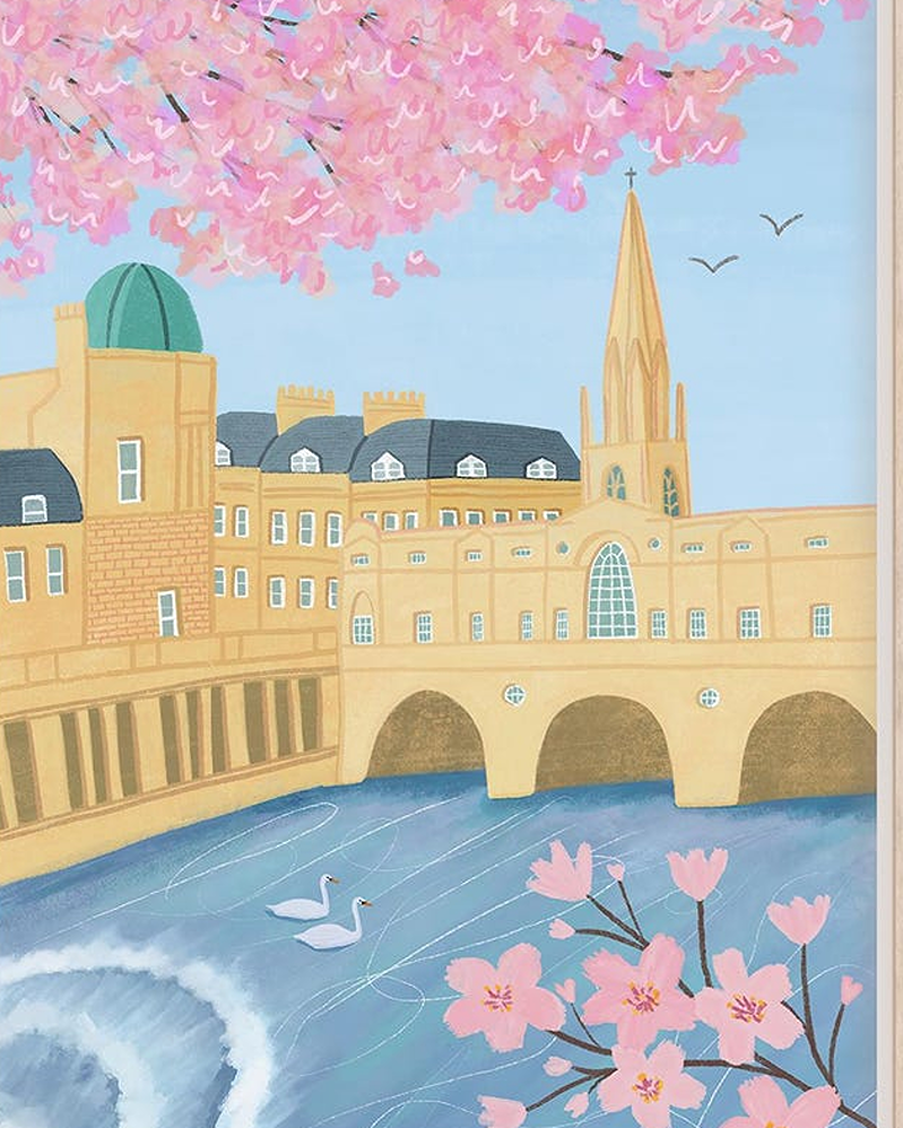
Tucked in the heart of Bath, Pulteney Bridge stands out as one of the city’s best-loved sights. In fact, many people think that this is one of the world’s most beautiful bridges (apt, as Bath is often called one of the world’s most beautiful cities!)
The Georgian arches lie over a bustling row of tiny independent shops, who likely have the best views from their windows, of any storefronts on earth!
The idea of shops built onto bridges came straight from Florence’s Ponte Vecchio. That bridge had stood for centuries and was known all over Europe.
Who Commissioned the Building of Pulteney Bridge?
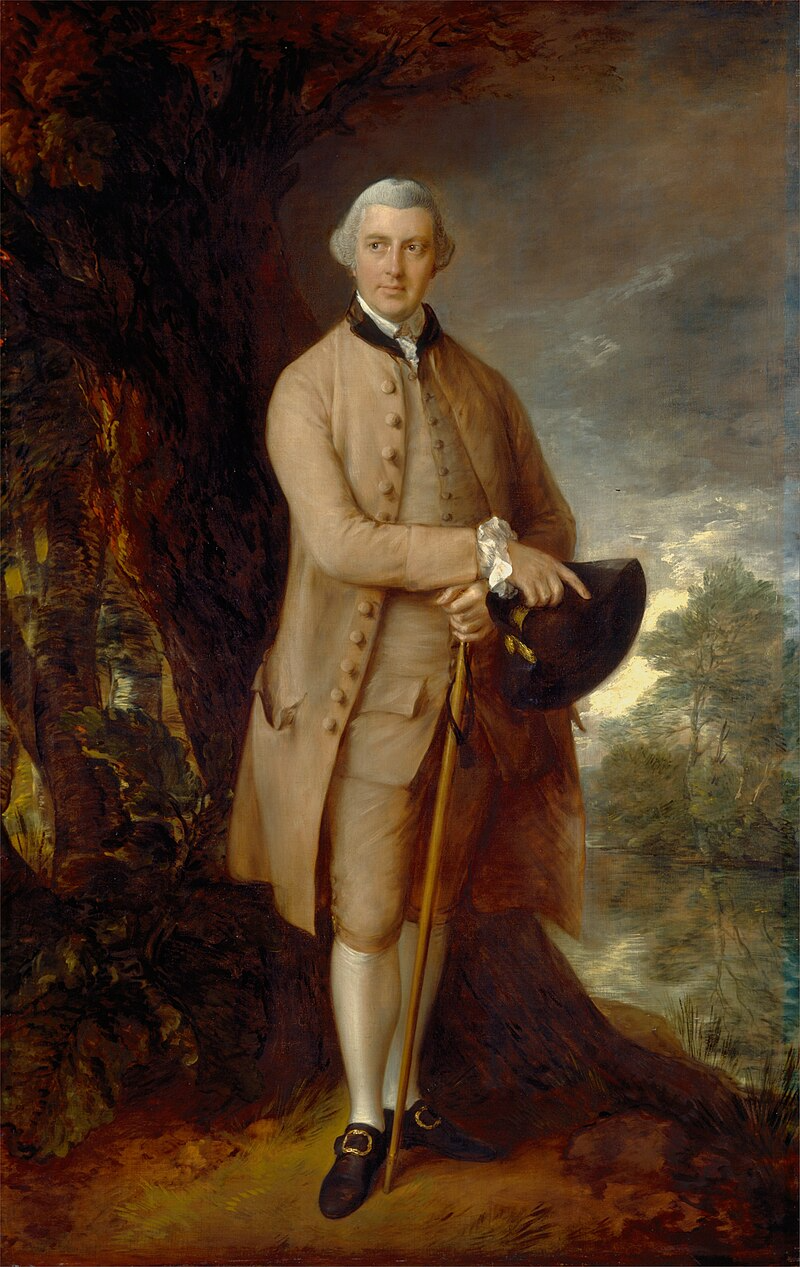
Sir William Pulteney by Thomas Gainsborough
Very unusual back in the day, William Johnstone changed his own surname to that of his heiress wife when they married, so he became William Pulteney. Once the wealthiest man in England, the family owned estates in Bathwick (just outside the city centre) across the River Avon.
But as there was no bridge, the land was of little use. So he commissioned architect Robert Adam to build the now world-famous Pulteney Bridge. Robert was a Scottish architect, the first to incorporate ‘movement’ in buildings. Also an MP, he never married, and left his estate to his two sisters.
Sir William’s daughter Henrietta died just 41 in Brighton, likely from consumption. The New York state town of Henrietta, is named after her. There is also a town of Bath, with many streets named after Pulteney (the jailhouse was near Pulteney Square).
Bath’s Royal Crescent: 30 Georgian Terraces
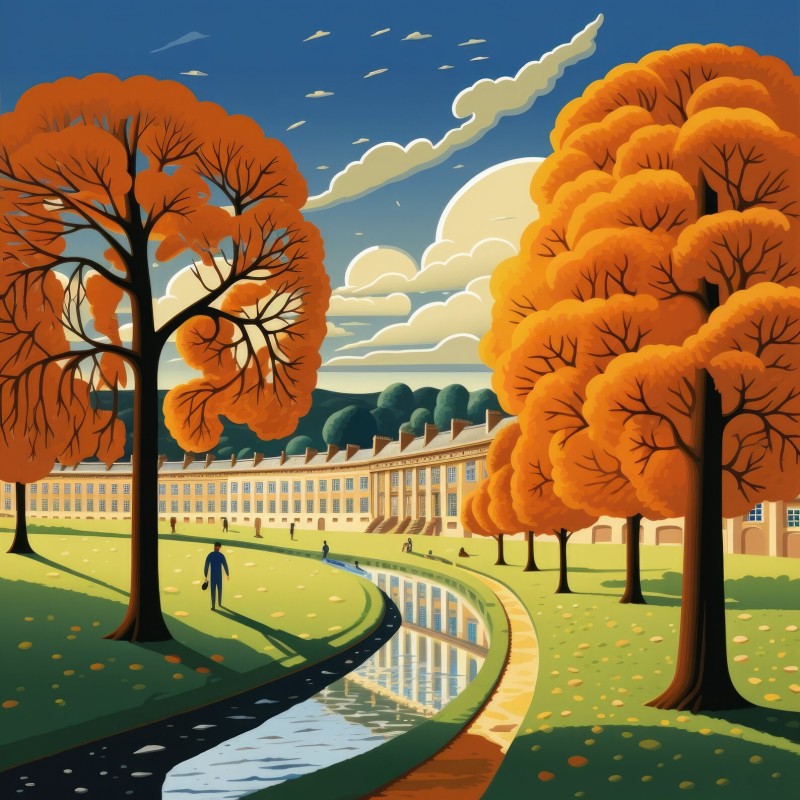
If you like watching period TV dramas, you likely already know of Bath’s Royal Crescent, even if you’ve never visited this beautiful city in south west England. This famed row of 30 Georgian terraced houses, forms one of our country’s most beautiful backdrops for artists and film directors alike.
Built between 1767 and 1774, the houses are linked with a communal ‘front lawn, which was used during World War II to grow cabbages for local people, during times of rationing.
Today most homes are not residential, the buildings range from a museum to a hotel (used in one of the later episodes of Inspector Morse, when he takes his singing teacher girlfriend Adele Cecile away for a weekend break).
Royal Crescent featured a ‘haha fence’, which back in the day was used to keep sheep and other barnyard animals away from the lawn! Designed by John Wood the Younger (who also designed the Bath Assembly Rooms), he died in debt, due to his beloved father’s building projects – they are buried next to each other.
Representing the Sun and the Moon?
It’s believed that the curved architectural style of Royal Crescent was designed to represent the moon, while The Circus (another nearby development) was to represent the son.
The Circus (above) was designed by John’s father (and completed by him after his father’s death, and then he went onto design Royal Crescent).
This is made up of three curved segments of Georgian townhouses, to form a circle. It has three entrances, and a central round lawn, with plane trees (also London’s most popular street trees).
Let’s take a moment to thank both father and son for these beautiful buildings. They have got to be some of the most attractive architecture in England – it’s a pity they weren’t around to teach some modern architects, a thing or two!