Lessons from Eurasia (protecting forests and wildlife)

In this big wide world of ours, we can all learn from each other. It’s true that some Eurasian countries (on the border of Europe and Asia) are still obsessed with drilling for oil, and some have poor human rights records. But they also have a lot to teach us.
All of the Eurasian countries are covered in forests, and protect their native wildlife. In England, our remaining public forests were almost sold off by the Conservative government to industry (only a nationwide petition stopped it).
And the new Labour government is now relaxing planning laws to build affordable homes (which can still be done, without destroying our natural land and creatures).
The HS2 high-speed rail project is a useless vanity project that has already knocked down England’s second oldest pear tree in Warwickshire, and once built, will kill around 22,000 wildlife a year.
Barn Owl Trust says HS2 is a ‘very expensive way of killing owls’. The huge amount of money would be better spent on updating rolling stock, and improving rural transport.
Lessons from Azerbaijan (leaves wildlife in peace)
Azerbaijan is a country tucked between the Caspian Sea and Caucasus mountains. It was previously part of the USSR, and borders Armenia, Georgia, Iran and Russia. Known as the ‘land of fire’ due to natural gases that never go out, it’s home to brown bears, lynx, roe deer and snakes. And Europe’s highest mountain (Mt. Elbrus).
Unlike in England, its nature reserves and national parks are real safe havens for wildlife. Hunting and logging are not allowed, and rangers are employed to watch over all creatures and their habitats.
Locals know the value of these places and rarely break the rules. This hands-on care keeps fragile species safe, giving animals like Caucasian leopards and bezoar goats safe and happy lives.
Even roads are built with underpasses or small bridges, so gazelles and wild boar can cross safely. England is way behind on hedgehog crossings and other inventions used in the rest of Europe. Read our post on safer roads for wildlife.
Did you know that in Azerbaijan, people also enjoy afternoon tea? But instead of scones and jam, they just serve tea, with jam – on its own!
You keep the jammy fruit in your mouth, while drinking a small cup of strong tea. Then are offered a slice of lemon, as it’s all too sweet!
Lessons from Albania (evening walks & no fast food)

Albania is a tiny country in south east Europe, home to around 3 million people (the same as Wales). Bordering Greece, it belonged to Italy until 1943, but is now independent. Just like in Italy, Albanians love an evening walk after dinner.
So shop hours here are like the rest of southern Europe (open early, shut a few hours for lunch, then open till late). So sometimes walks don’t end till midnight!
We could do this in England too, if we had more walkable communities. Councils and MPs are often obsessed about the numbers of patients ‘bed-blocking’ the NHS.
But providing us with green space and fresh air to stretch our legs, would reduce NHS costs far more, by improving people’s physical and mental health, instead of watching TV all evening.
Some councils in Albania, even close roads to traffic each evening, so people can take their ‘sunset walks’. The capital city of Tirana is one of the few worldwide that has no branch of McDonald’s.
Instead, local people take evening walks to admire stunning churches, then either go home for dinner, or partake of one of the many ‘street food’ carts. You can order a local Byrek (spinach pie) but not a Big Mac!
Strong coffee is often served with food in Albania. Or Raki (a strong aniseed drink). Most people who try homemade versions while visiting, are out cold after just one sniff!
The traffic situation in Albania is kind of interesting. For a start, there are no bus timetables (buses just set off, when they have enough passengers!) It may sound daft, but it seems to work (and just as well, as in a country where people are not known for sensible driving, it helps to make bus transport more appealing.
In Albania, councils go way beyond our ‘Britain in Bloom’ sporadic projects. The country grows a third of all Europe’s flowers, mostly in national parks, which bloom all round. Our public parks could do with more pet-safe flowers, rather than skateboard parks.
Did you know that in Albania, nodding and shaking your head is the other way around? So don’t shake your head no, as they will think you mean yes!
Lessons from Belarus (covered in forests)

Almost half of Belarus is covered in forests, from quiet pine groves to ancient oak woods. Białowieża Forest is home to over 800 bison (Europe’s heaviest land mammals).
Forests provide trees that give homes to native wildlife, and are good for mental health, help to soak in carbon dioxide and buffer wind and floods. Learn of ways to protect our fabulous forests.
The library in the city of Minsk, has been called one of the world’s ugliest buildings! The massive ‘diamond’ on top means it looks more like a military institution, than a seat of learning.
Turkey Has 5 Times More National Parks
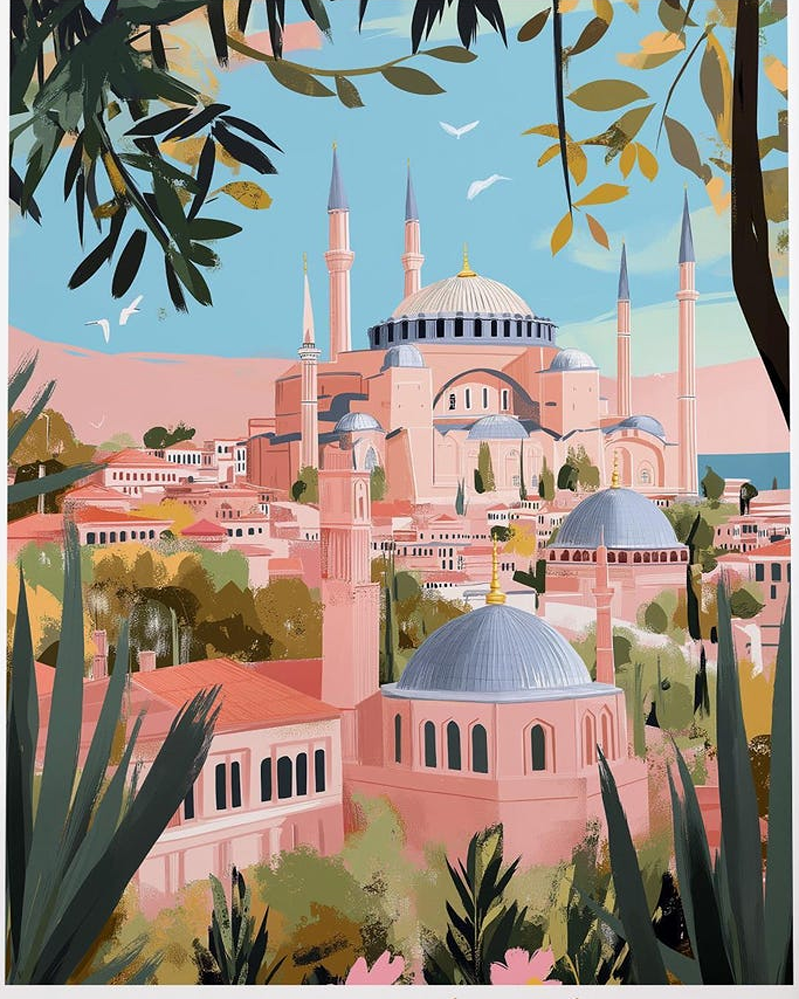
The huge country of Turkey (that borders Eastern Europe and Asia) may have political issues, nor the best record on human rights and animal welfare. And since suffering from heavy floods and wildfires in 2021 that killed many people, it’s also moving away from fossil fuels, to embrace greener energy.
What Turkey does do right, is look after its National Parks (protected spaces). Bordering the Black Sea, some parks are also by the sea, others inland covered with pine forests that are home to many native wildlife and birds.
Why National Parks are Important
National Parks basically have protected status. So like National Landscapes (the new name for ‘Areas of Outstanding Natural Beauty’, no big corporate company can come and smash the trees down, and build a factory or warehouse on the land.
This protects not just birds and wildlife, but also humans, who also need green space (along with their dogs!) for both physical and mental health. More trees also absorb carbon dioxide, which helps to reduce flooding, climate change and heat island effect in nearby urban areas.
Why Does Turkey Have More National Parks?
Recently, Geben Valley has been declared as the 50th National Park. This park located at a key biogeographical corridor is home to many species including bears, wild goats and wolves, lynxes, striped hyenas, reptiles, rodents and migrating birds like ruddy shelducks. The park also features untouched beech forests, old-growth black pine, cedar and fire woodlands, and a 272-metre long cave.
Turkey is a much bigger country, but by ratio, it still has more National Parks than England. We have just 10, including:
- Dartmoor and Exmoor (Devon)
- The Lake District (the largest)
- The New Forest (Hampshire)
- North York Moors and Yorkshire Dales
- Northumberland National Park
- The Peak District (the oldest)
- The South Downs (the newest)
- Norfolk and Suffolk Broads (not officially a National Park, but usually grouped alongside).
All of these National Parks are now blighted by litter and pollution (from farm chemical run-off), which as with wetlands and wildflower meadows, reduces habitats for plants and native creatures.
How to Protect Our National Parks
If walking in nature, always follow the Countryside Code, to keep dogs and barnyard friends safe. If visiting the nearby coast, read our post on keeping dogs safe by the seaside. Morecambe Bay (near the Lake District) is renowned for quicksand, read our post on keeping safe near sinking mud.
- Never drop litter (anglers can use a Monomaster to carry tackle and fishing waste, until you find a recycling bin).
- Report litter to Fix My Street (councils have to clear it by law, no matter who dropped it on public land). For private land, they can serve Litter Abatement Orders (to force clearance, or bill landowners for clearing it themselves).
- If you see brown foamy water in rivers or at the coast, report raw sewage pollution.