Simple Tips to Build Wildlife-Friendly Ponds
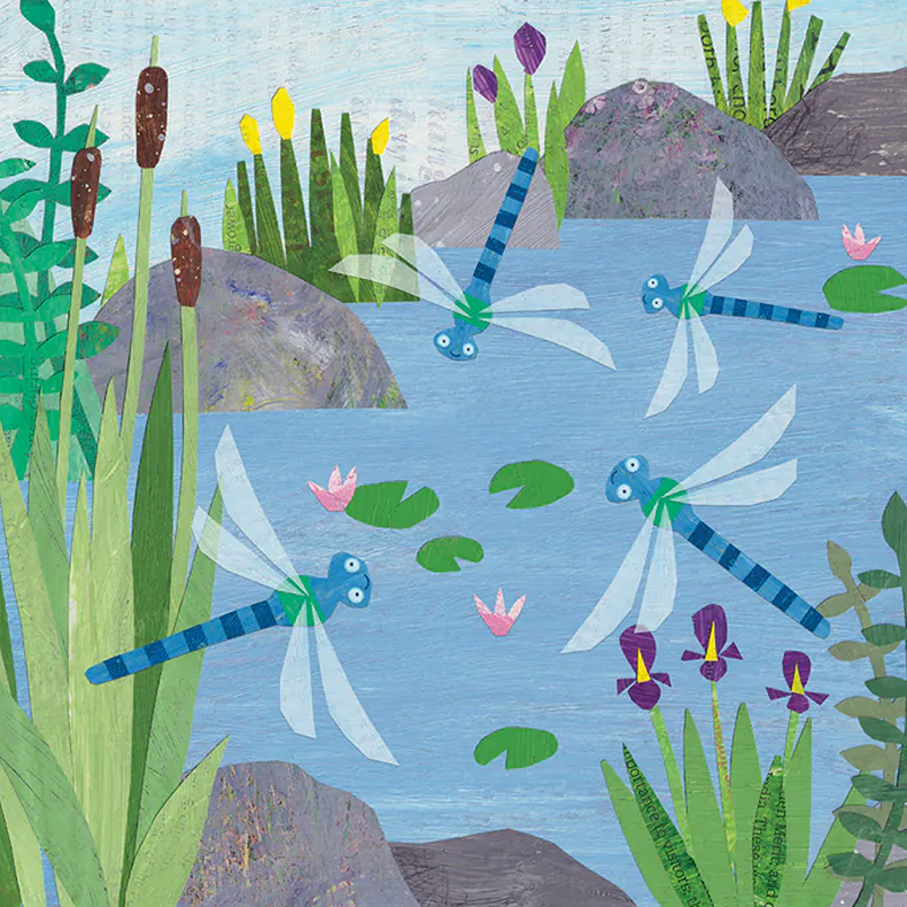
If you have the space and a bit of knowledge, a garden pond can help local wildlife, also read our post on garden water safety (for people, pets and wildlife).
Wildlife ponds should be sited away from toddling children and nosey pets (due to toxic plants and visiting frogs, birds and even grass snakes (large ponds may attract ducks and swans). And it’s important to remove algae bloom.
Safety Tips for Garden Ponds
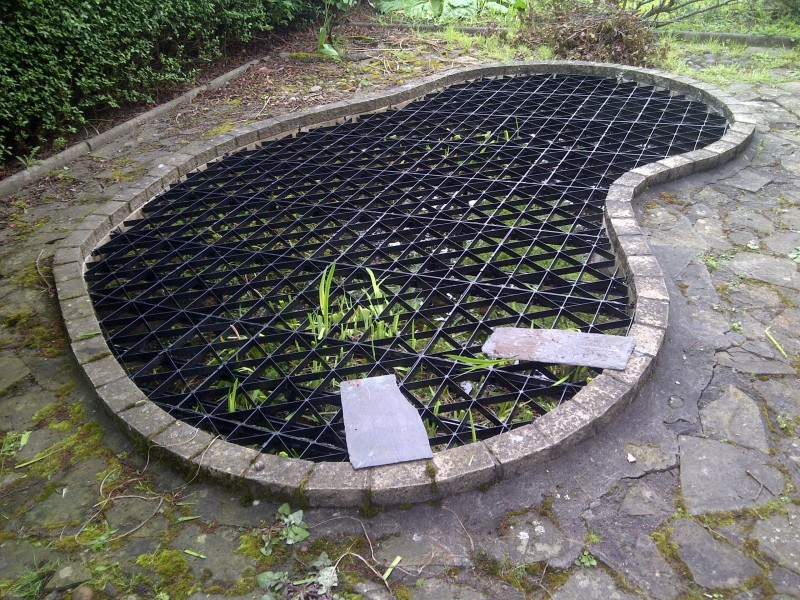
- Keep pond edges visible (thick plants could hide the water’s edge). Leave one side clear with sloping sides for easy entrance/exit for wildlife.
- Store buckets safely away (frogs attracted to ponds may find them and drown). Likewise always supervise children and pets near ponds.
- SafaDeck is a glass polymer grid that clips onto removable aluminium beams without having to remove the whole grid for maintenance. Triangular holes lets plants thrive, and the guard supports the impact falling weight of an average small child. This meets water safety guidelines set by the Royal Society for the Prevention of Accidents.
General Wildlife Pond Maintenance Tips
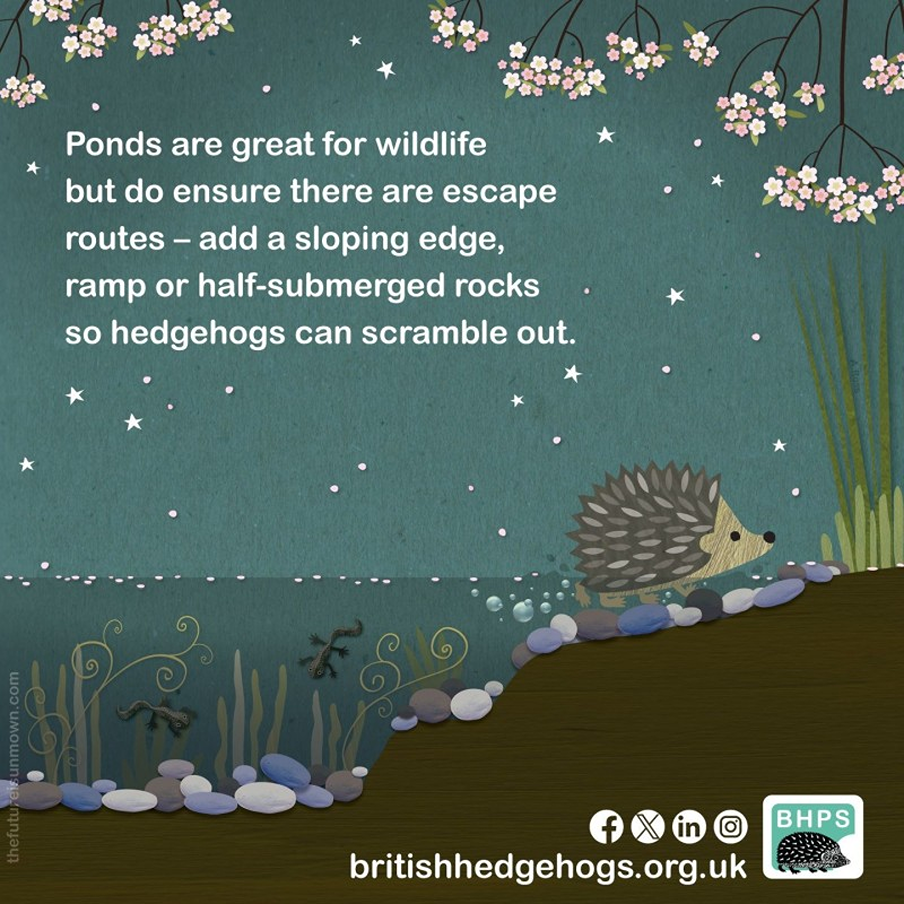
- Siting ponds in partial sun (not full sun) discourages algae (don’t site ponds under trees). Add large stones as ‘natural ramps’ so garden creatures can safely land (bees and butterflies often visit ponds).
- Tap water can encourage algae, due to chlorine. Use rain water from quality water butts with child/pet locks.
- Do not spray pesticides/fertilisers near ponds, water butts, pet bowls etc. Garden organically and bin empty containers (recycle half-empty containers at the tip – never pour toxic liquids down sinks or drains).
- Provide safe hiding spots near ponds, as they will attract frogs and hedgehogs, who otherwise may hide under wheelie bins or greenhouses in winter.
- To prevent stagnant water, blue-green algae and mosquito larvae (look like wriggling worms), remove leaves and debris with a pond rake, and install a quiet solar pump. If using pond vacuums, choose ones with mesh screens to avoid sucking up fish (if accidentally caught, release immediately).
- Only use native oxygenating plants. Papyrus and duckweed are two listed as non-toxic to pets (no plant is 100% safe). Pond plants to avoid near pets include foxgloves, lily of the valley, oleander and azalea (rhododendrons).
- Delay pond maintenance until September/October (when froglets have left, before frogs arrive to hibernate). For urgent work, place in a suitable container with pond water, then return (tadpoles remain in ponds over winter).
If your pond freezes in cold weather, never pour boiling water on it nor smash the ice, this could shock creatures to death underneath. Instead, place a hot pan over one corner until it has melted a hole, to provide oxygen until the weather warms.
Solar pumps help prevent ponds freezing over, by circulating the water and creating an opening for gas exchange.
Fish and Wildlife Ponds Don’t Mix
If you already have fish in a pond, then it’s best to build a wildlife pond separately. Fish are predators, and eat eggs, larvae and tadpoles. If you have fish already, build a new wildlife pond alongside (don’t mix the two).
Herons kill fish and ducklings, and that’s not much you can do, it’s nature. Dummy herons rarely work (herons hunt together). And heron deterrent discs have holes, so hedgehog spikes could get caught. And netting can trap birds and wildlife.
Two possible solutions are tall plants at the edge (to obscure views of fish) and a solar fountain to agitate the water (so herons are less likely to see fish).
If moving house, ask the new occupants if they plan to upkeep the pond. If not, move amphibians to a neighbour’s pond with permission (not faraway, as this could transmit disease and invasive plants).
Tiny Space? Create a Mini Bog Garden
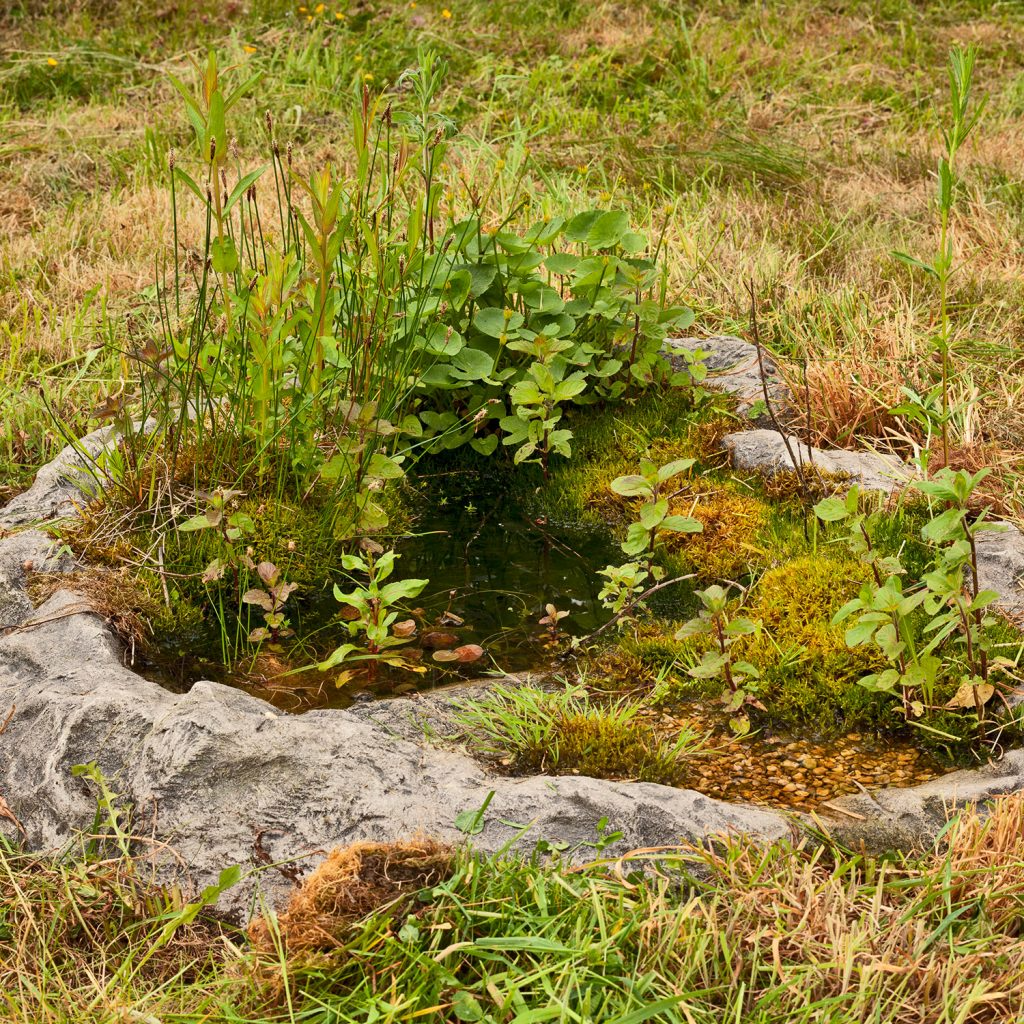
If you have little space, RHS teaches how to create a mini bog garden. This is a case of filling an old sink or barrel (with a drainage hole) with soil, adding native plants, soaking with rainwater, and ensuring it has sloping sides and a few logs and rocks. Many creatures will make use of this to stay cool in summer.
Simon King’s Wildlife Pond (it costs around £400 but is guaranteed for 5 years) is made to order, designed by a wildlife expert. Small enough to fit most gardens, just sink the deep water section below ground level. The raised top lip curls up and over, to form a refuge for small creatures (and shelter amphibians from cold weather).
The bog garden shallows are perfect to add gravel, soil or marsh-loving plants, and the pond features aquatic planter pits (refuge for invertebrates and mini-beasts), secure ledges for emergent water plants and a deep water section.
Books to Help You Build a Wildlife Pond
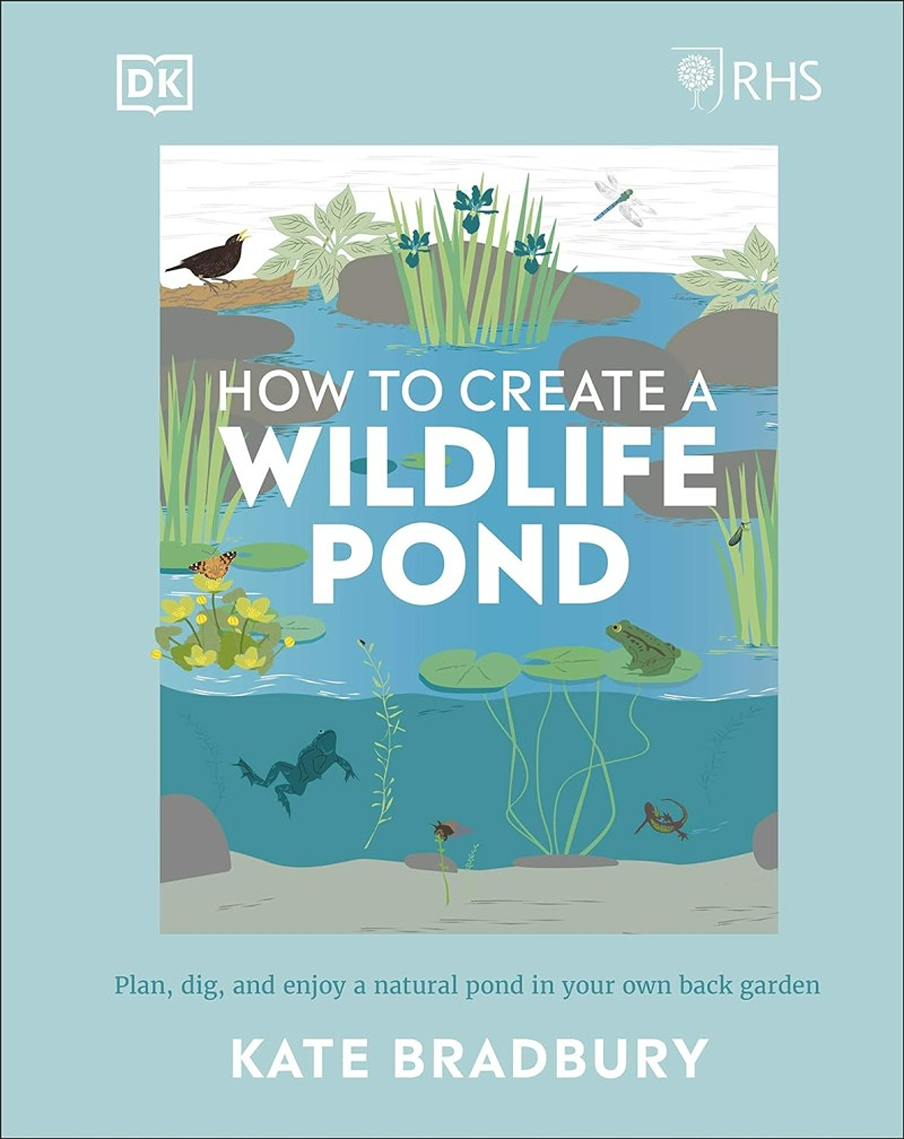
How to Create a Wildlife Pond is a beautifully illustrated guide to plan, create and maintain your pond (natural, container or formal). Learn which creatures will visit (and when) and plants that help ponds thrive. Also learn how to maintain your pond.
Building Natural Ponds is by a master gardener, covering how to build simple ponds without pipes, pumps, filters or chemicals. Learn about pond ecosystems and natural algae control, plus find tips on bogs and rain gardens.