‘Leafy Bucks’ and the Rolling Chilterns

Buckinghamshire is an affluent county in the Home Counties (not far from London). Often called ‘Leafy Bucks’, it also has some of the London underground stations, one arriving at Aldgate East (a bit of a culture shock for some, who live in pretty villages!)
There are a few towns (Aylesbury, Princes Risborough), but this is mostly English country village land, with ancient churches and village ponds. And home to the Chilterns, low-lying chalk hills.
Always follow the Countryside Code, to keep all creatures safe.
Buckingham: The Historic Heart
Buckingham has a timeless charm of cobbled streets and Georgian houses, alongside the River Ouse (it’s also home to England’s only privately-owned university). Markets run twice a week, and independent shops line the high street.
Set on the Grand Union Canal, offering peaceful towpath walks, along a stretch of water that runs from London to Birmingham. Read our post on protecting historic canals.
The Buckinghamshire Town of Denham
Denham (pretty parks, walks on Grand Union Canal and indie shops) means this village is home to many celebrities. Previous residents have been Sir John Mills, Sir Roger Moore, Cilla Black and Paul Daniels.
Although the outdoor and railway scenes for the iconic film Brief Encounter were filmed in the Cumbrian town of Carnforth, the studio scenes were filmed at Denham Film Studios (long gone, to be replaced by luxury homes).
The Chiltern Hills (threatened by HS2)
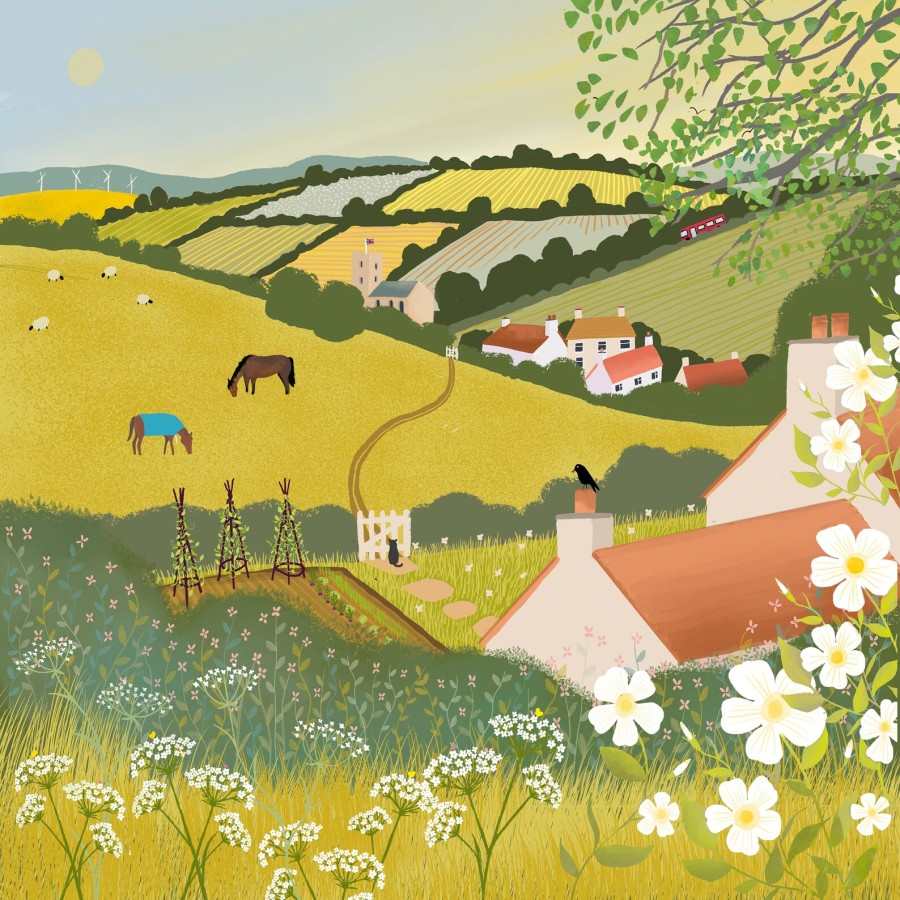
Leafy Bucks lives up to its nickname among the Chiltern Hills. This National Landscape draws walkers back again and again, to enjoy ancient beech woods and watching red kite birds circling above. Wendover Woods is home to well-marked walking trails.
The Chilterns has been decimated by the HS2 high-speed rail project, which has already destroyed England’s second oldest pear tree in Warwickshire.
Barn Owl Trust says that HS2 is a ‘very expensive way of killing owls’, which will continue to kill around 22,000 wildlife each year if built. Campaigners want money instead spent on updating rolling stock, and better rural transport.