Should Some People Pay Higher Tax Rates?
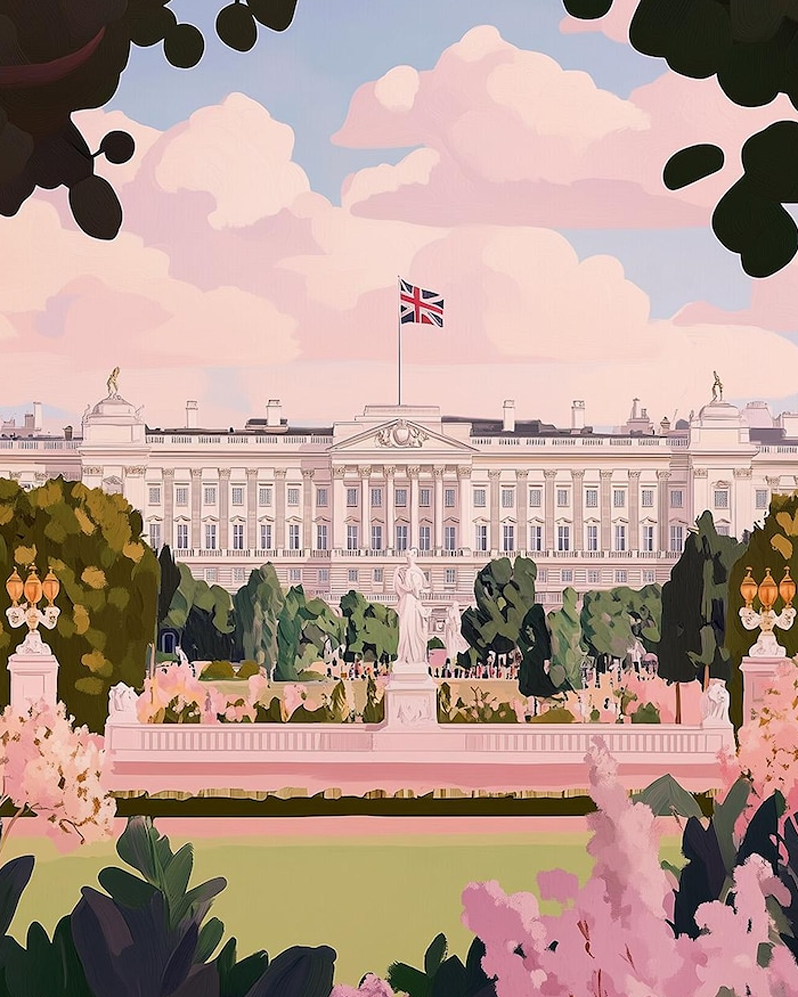
England’s tax laws are so complicated, that help is often needed. Some are in favour of a flat tax (used in Estonia at a rate of 20%, which seems to work as the country has an excellent standard of living, and a good economy).
In England, it’s a barmy country where people (and publicans) have to pay a huge beer tax (which makes it difficult for independent pubs to survive).
Yet Tax Justice writes that both King Charles IIII and his son Prince William don’t have to pay corporation tax on their Duchies of Cornwall or Lancaster, which bring them billions of pounds in income (the Prince pays voluntary income tax, but why is not compulsory?)
The argument given by monarchists is always that the tourism income outweighs what the government pays it (one of the highest percentages of any monarchy worldwide). But the figures don’t add up.
Because the Duchy of Cornwall (owned by Prince William) and the Duchy of Lancaster (owned by King Charles III) both earn billions in income (everything from organic food and properties to renting out land for NHS ambulances).
The Duchy of Cornwall is vast (even including the Scilly Isles and the Oval Cricket Ground). It also includes most of Dartmoor National Park (environmental campaigners have asked for more than the ‘small potatoes’ offering for rewilding), despite the land being owned by one of the richest families on earth.
So when you figure in this vast amount of combined income, you can understand why (when we have so many financial problems), campaigners want both Duchies to pay corporation tax. They don’t, simply due to an archaic rule that these estates were for providing private income to the Monarch and heir.
And unlike the rest of us that have to make a simple legally-binding Will which is then subject to inheritance tax, the Monarchy doesn’t pay that either.
How Tax Evasion Abroad Harms England
The media and politicians are always on about benefit cheats. But in fact, many vulnerable people should claim benefits, and there is far more money ‘lost in the system’ from tax evasion. Big companies often employ tax companies and lawyers to get out of paying tax (so for instance, benefit from the NHS but contribute nothing towards it).
But when high earners (including companies) move their income or assets into low tax zones (or tax havens like Monaco), home countries have less income. The Tax Justice Network estimates governments lose hundreds of billions each year to tax evasion worldwide.