Totally Locally (a worldwide ‘shop local’ campaign
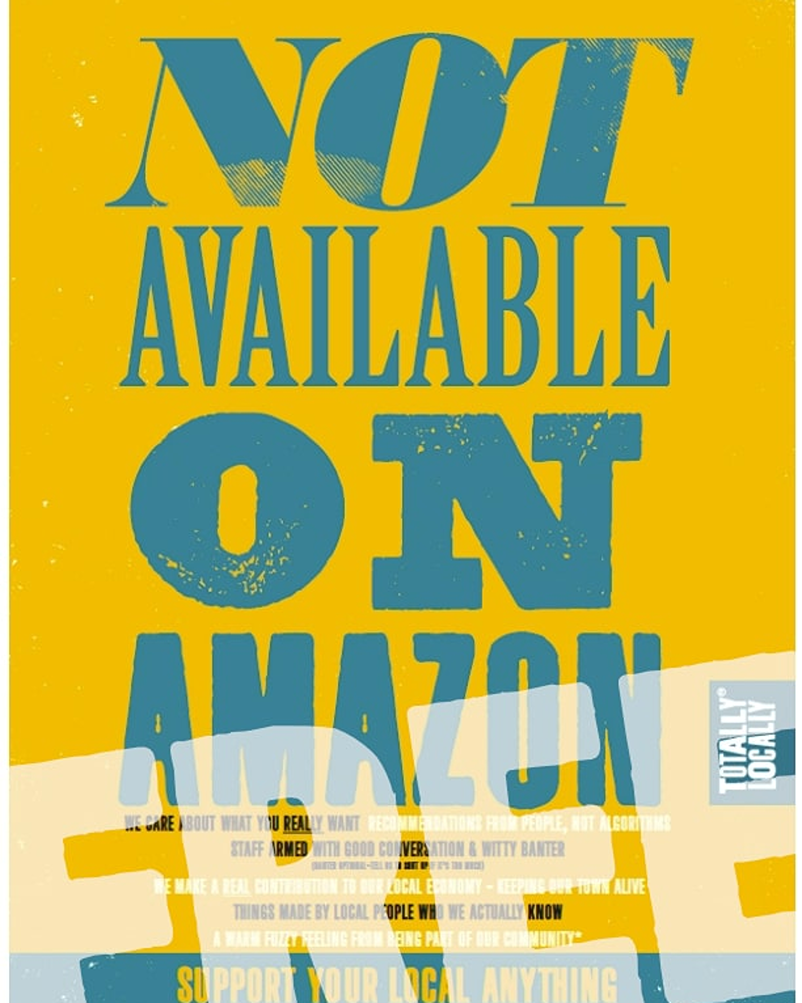
Totally Locally began as a ‘shop local’ campaign in northern England, and is now a worldwide movement. Volunteers use the Town Kit to make their communities more resilient from big supermarkets and chain stores, to support local economies.
Around 80p spent in local shops, stays in local communities. With big chain shops and supermarkets, it’s closer to 20p to 30p (or almost nothing, with big online retailers).
Run an indie shop? Many seeds, flowers, plants (and plantable cards) are toxic to pets, so learn what not to sell to households with pets.
The Totally Locally Town Kit includes all you need to help reinvigorate your high street. You’ll learn how to put your first meeting together, develop posters and logos and print templates. This kit is a legal agreement, so you can’t change the logos or colours.
Anyone can download free posters (translated in many languages). You can also order organisation’s first book The Economics of Being Nice, which explains what the movement is all about, and its many benefits.
Fiver Fest and Magic Tenners!
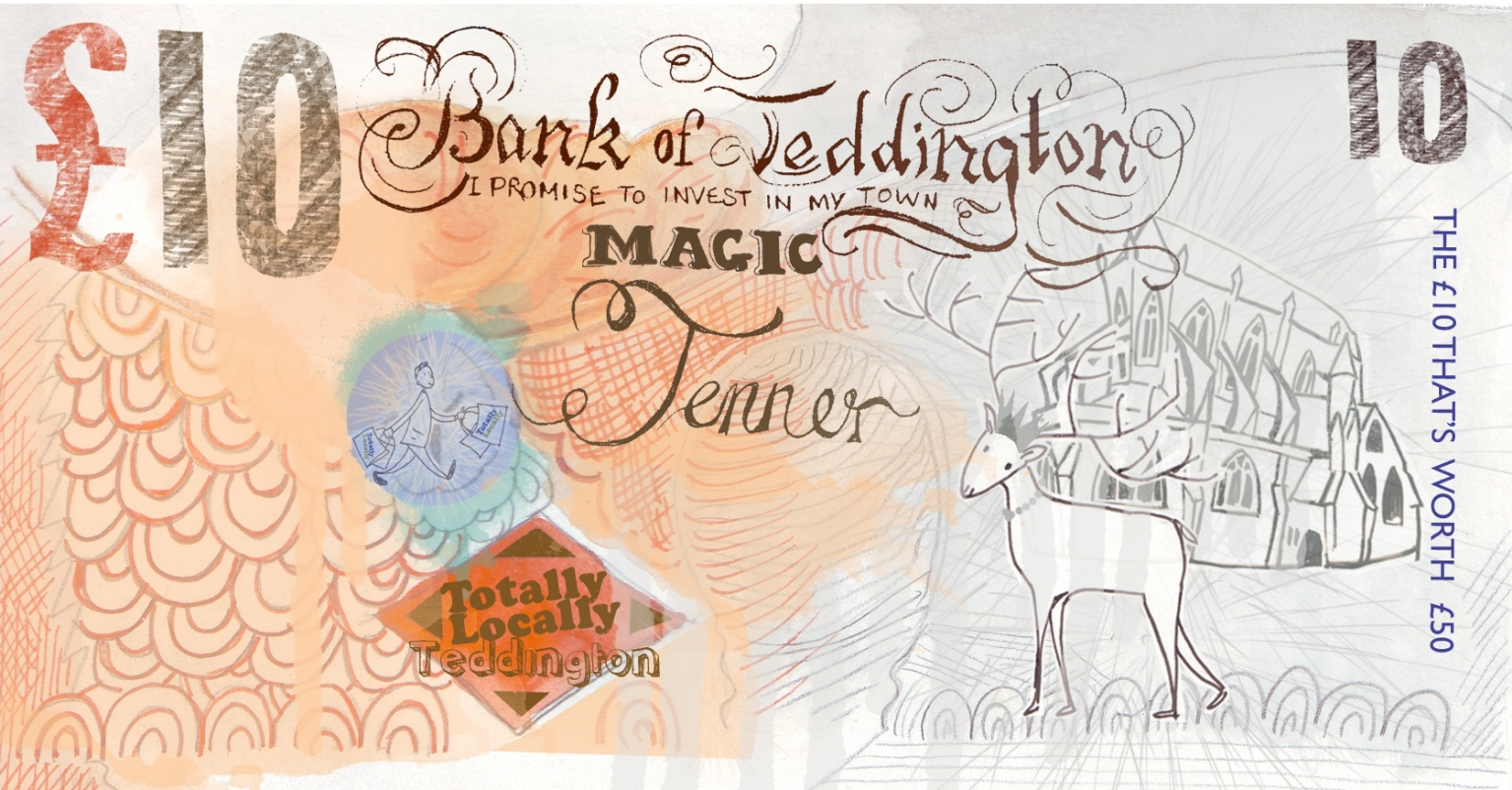
These two campaigns encourage people to spend £5 or £10 a week in independent stores in their town, to bring a collective massive amount of income to local economies.
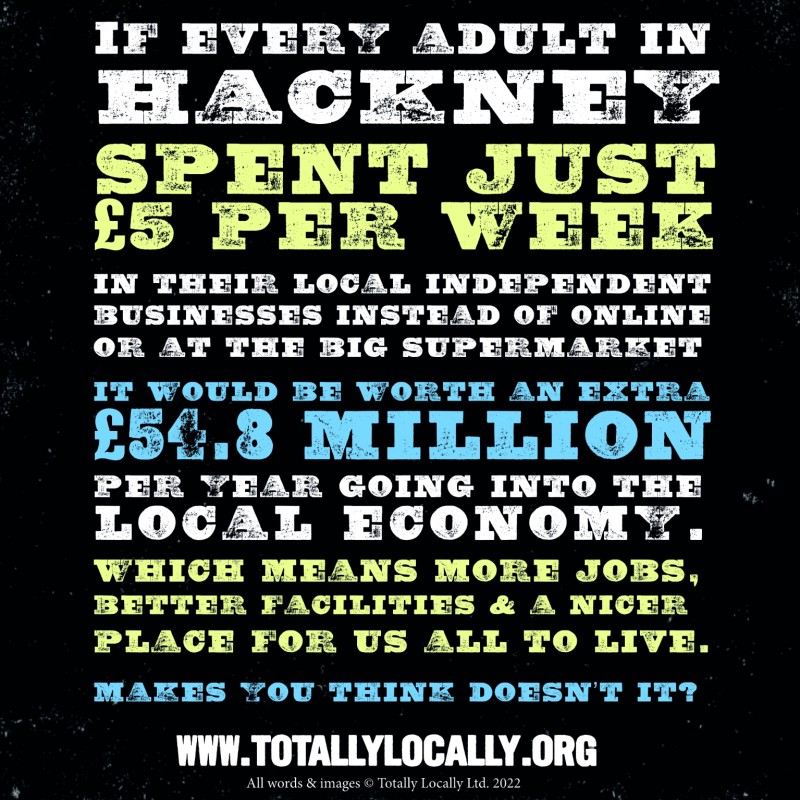
If every adult in the UK spent just £5 per week with local shops and businesses, this would generate £13.5 billion of money to go back to your town. This is because local independent shops tend to buy food and drink at local sandwich shops and pubs, and use local signwriters, and source from local producers.
Just imagine if your own town had over £13 billion extra? What would you do with all this extra money? It’s likely that most issues (from lack of litter bins, public parks and pot holes) could all be solved. With lots of money leftover!
You can customise the bank note posters (like above) to make your own town. Penzance is holding a campaign here, asking people to spend just £5 a week in local shops, to bring and extra £4.1 million into the town.
Here’s another example from the website:
If you buy a local pie from a local shop, a big part of your money is passed to the pie maker. The shop employs a local accountant or decorator. He buys ingredients from a local farmer, who spends money at the local garage, who then buys something from someone else who is local…
As a contrast:
If you buy a pie from a big supermarket, it’s likely made with factory-farmed ingredients and palm oil, sold in plastic packaging. The supermarket has its finances done by a big accountancy firm hundreds of miles away, and all stores are decorated the same (so no local signwriter used).
The ingredients for the food sold are hardly ever local (palm oil is from Indonesia) and all delivery vans are branded, not bought from a local garage. And if one breaks down, it’s unlikely going to be the local mechanic who fixes it.
Many Totally Locally communities ask local shops to get involved, by creating special £10 offers (from gift bundles to meal deals and unique local experiences). This encourages residents and visitors to ‘spend a tenner’ in local shops, find new favourites, and return to back independent unique businesses.