The Yorkshire Pasta Company (plastic-free!)

The Yorkshire Pasta Company is a young fresh company founded by four friends. Also sold in sacks for wholesale use (or for big families that eat a lot of pasta!), the bags are sealed with metal clips, to keep the pasta fresh without plastic.
Rather than use cheap methods of production and inferior wheat that creates ‘slimy pasta’, this brand uses bronze dies, to cut the pasta to produce uneven rough edges, which helps to hold onto your pasta sauce better! Winner of five Great Taste Awards, you’ll find this pasta in over 500 independent shops nationwide, or buy online at Farm Fetch.
Before cooking, read our post on food safety for people and pets (as well as fresh dough, many pasta dish ingredients like garlic, onion, mushrooms, lemon and spices are unsafe near animal friends).
For recipes, just bin allium scraps (onion, garlic, shallots, chives, leeks, as acids could harm compost creatures (same for citrus/tomato/rhubarb).
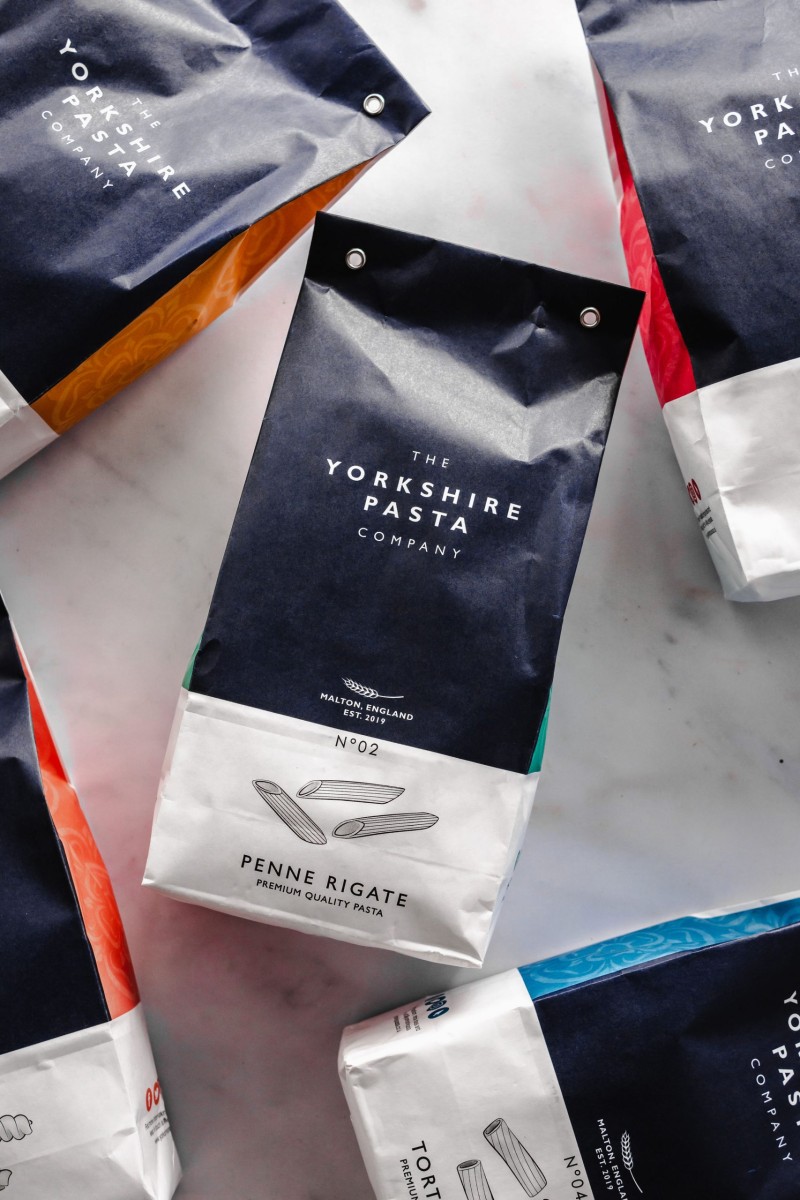
The pasta is also slow-dried, so this gives time for the wheat flour to mature, producing a more flavourful pasta. The brand is even powered by solar energy! The wheat is also fortified with vitamins and minerals, and some people find it easier to digest, than common white pasta.
The Yorkshire Pasta Company’s success is now helping to support 169 local farms, and a local mill with over 130 years experience. Plus all the range is vegan-friendly (no eggs).
The range includes:
- Fusilli
- Penne Rigati
- Conchiglie Rigate
- Tortglioni
- Mezze Maniche Rigate
- 5k Sacks
How to Cook Pasta (like the Italians)
Bring a pan of water to a rolling boil, and salt the water before adding pasta. Unless you have a medical condition. Not salting water in Italy when cooking, makes it ‘silly pasta!’ You will notice the difference in taste.
Serve with Plant-Based Parmesan
Everything tastes better with a little grated cheese on top. But Parmesan is not even vegetarian, as by law it contains a cheese made with calf rennet.
Instead, just grate your favourite vegan cheese on top. Or learn to make plant-based parmesan! It’s very simple, and once mastered, you’ll never go back!