Solidteknics: Lightweight Iron Cookware for Chefs
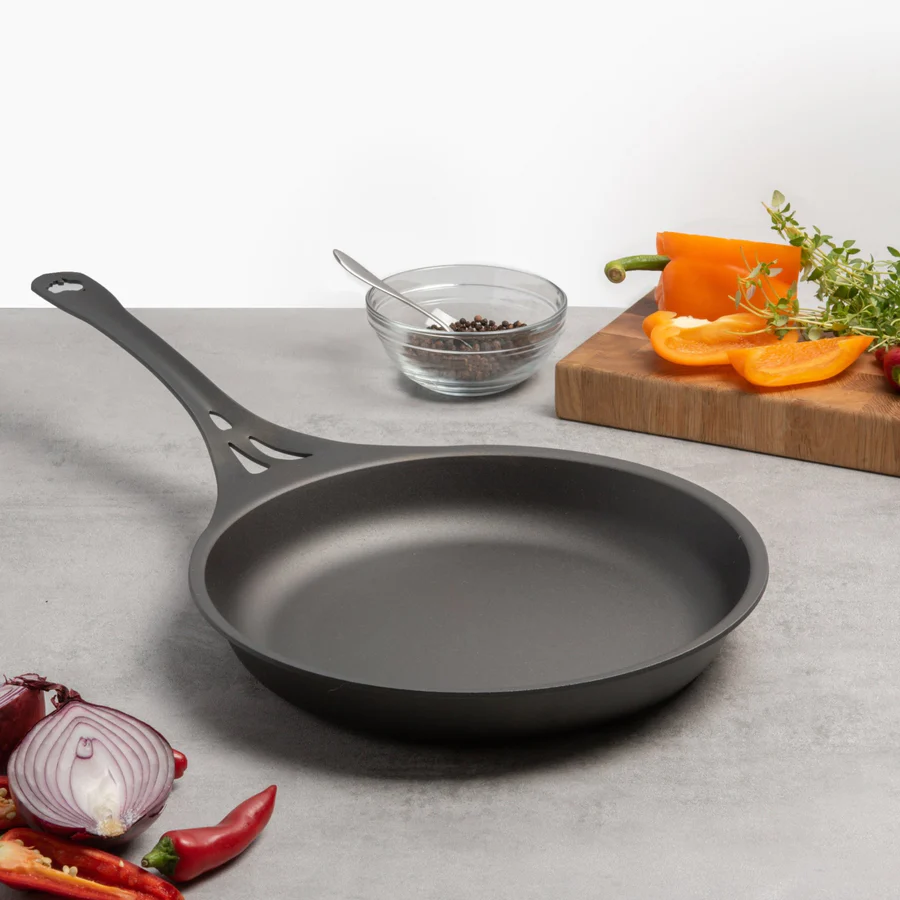
Solidteknics Cookware is too expensive for most home cooks, but ideal investments for professional kitchens, as items are made from wrought iron but are half the weight of cast iron cookware and these items carry a multi-century guarantee!
Just bin small amounts of cooking oil in paper. For larger amounts, use a cooking oil recycling bin and have it collected for recycling.
Choose a few good pans to last for years, with coatings that won’t wear away (anodised aluminium is usually okay, it’s the coating that’s important). They cost a bit more, but you don’t need many.
Turn pan handles in when cooking, avoid floaty sleeves and tie long hair back. Despite claims from ‘green pan companies;, all cooking fumes are dangerous around birds. But hopefully if you live with birds, they are in a nice aviary with other birds, rather than caged in a kitchen.
Read up on food safety for people and pets (just bin allium scraps (onion, garlic, leeks, shallots, chives) as like tomato/citrus/rhubarb scraps, acids could harm compost creatures). Pop lids inside cans for tinned ingredients, to avoid wildlife getting trapped.
This is the toughest cookware you’ll ever know, with no rivets or handle joints that can ever break. The range includes skillet frying pans, an all-in-one pan, a wok, sauté and crepe pans. Some are pre-seasoned in rice bran oil, others you season yourself before use.
Made in Australia, these pans sear and hold heat as well as iron and are compatible with most hob types and oven-safe (for induction jobs, ensure pan size matches burner, and warm pan on lower temperature, before turning up to medium heat).
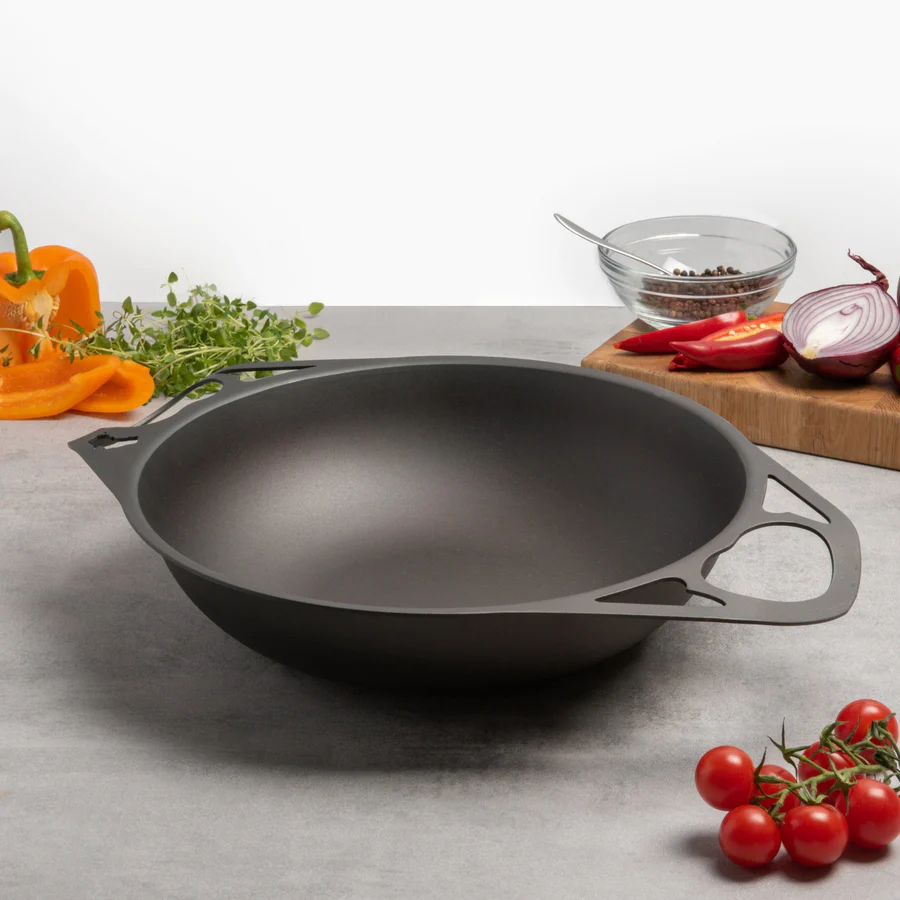
The Quenched range is made by dunking red-hot pans in chilled oil, to create a durable seasoning foundation and protect it and give non-stick properties. Named best frying pan by The Telegraph.
Seasoning and Daily Cleaning Basics
- Wash and dry: Rinse with hot water, dry fully on low heat.
- Oil lightly: Wipe a thin layer of high smoke point oil over the whole pan, including the handle and base.
- Heat to bond: Warm on the hob until it just smokes, then let it cool. Repeat 2 to 3 times for a solid base.
- Stuck bits, add a splash of water, simmer 1 minute, scrape with a wooden spatula.
- For tougher residue, scrub with coarse salt and a little oil, then rinse and dry.
- Finish with a light wipe of oil while warm. Avoid the dishwasher.