West Sussex (sunny beaches and a National Park)
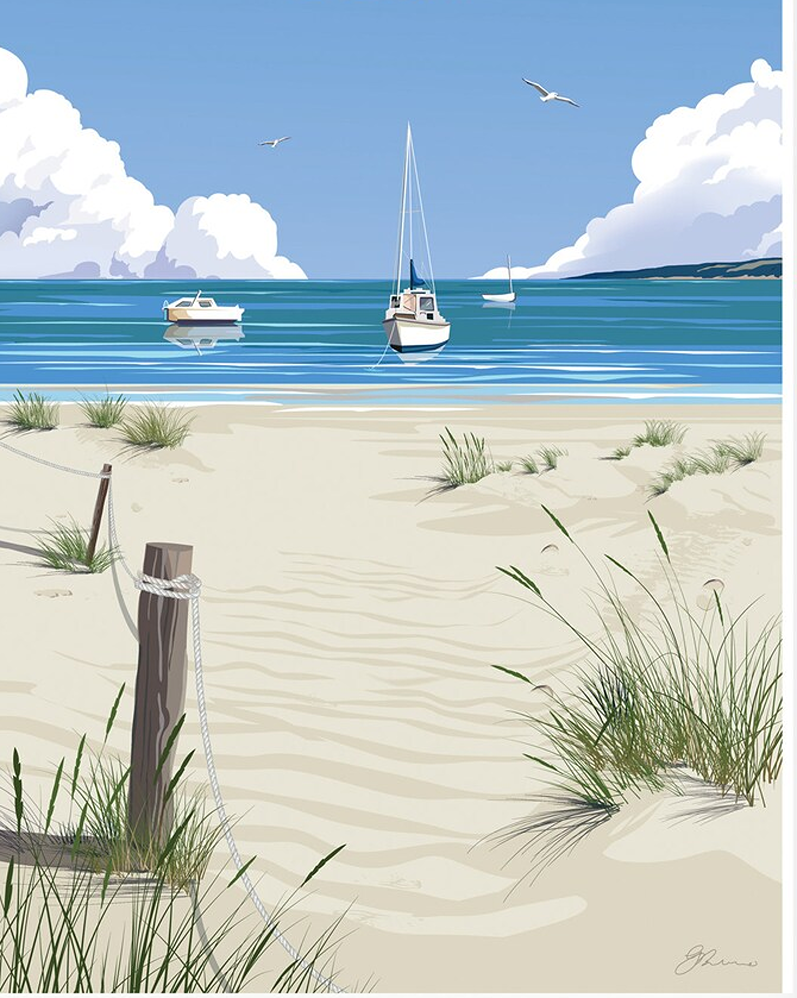
West Sussex is England’s sunniest county, and West Wittering (a sandy beach near Chichester Harbour) is one of England’s sunniest beaches, with beautiful scenery and views across the Solent.
Note there are seasonal dog bans on some beaches (check before travel). If visiting the coast with your pooch, read our post on keeping dogs safe by the seaside.
The dunes and saltmarshes are home to rare wildlife, so never walk on sand dunes (keep to designated paths). Keep dogs away from nesting birds and seals (they often hide pups in dunes).
Often called ‘the poshest village in Sussex’, West Wittering is a short (bumpy) bus ride from Chichester. Nicholas Lyndhurst went to school here (he ‘learned’ the Peckham accent to play Rodney Trotter).
Nearby Selsey boasts the cleanest waters in England, with views over the English channel. It was home to TV astronomer Sir Patrick Moore.
More Natural West Sussex Gems
- Pagham Harbour Nature Reserve is a haven for migrating birds each spring and autumn. At low tide, mudflats stretch out to the sea, ideal for wading birds and geese.
- Pulborough Brooks is a nearby RSPB reserve, that sits in the floodplain of the River Arun, trails winding through wet meadows and ancient oaks. This is popular for nightingales and endangered lapwings, who arrive in spring. And in winter, you’ll see flocks of wild geese and ducks.
- Bognor Regis was the choice of royalty for seaside holidays, back in the day (today it’s known more for Butlins holiday camp). But with a makeover and litter clean-up, the potential is there for it to return to its heyday.
- Chichester is a harbour city, and one of England’s main leisure sailing spots. Ideal for sustainable sailors!
Even if you’re not religious, you’ll be impressed by Arundel Cathedral. The Gothic architecture blends beautifully with the River Arun, where you can spot it ‘peeking from behind the trees’. Built in the 19th century, the cathedral is known for its choir performances.
The nearby castle is controversial, due to the owner breeding pheasants for shooting, and setting snares that have trapped other wildlife, and domestic dogs. Yet as a Roman Catholic, he is the ‘most senior representative’ for his faith at Vatican City. God knows what Saint Francis of Assisi would think?
The Guardian reports that in his time of sitting in the House of Lords (21 years), the Duke has made no speeches, asked no written questions, and voted just 12 times (7 to protect hunting innocent animals).
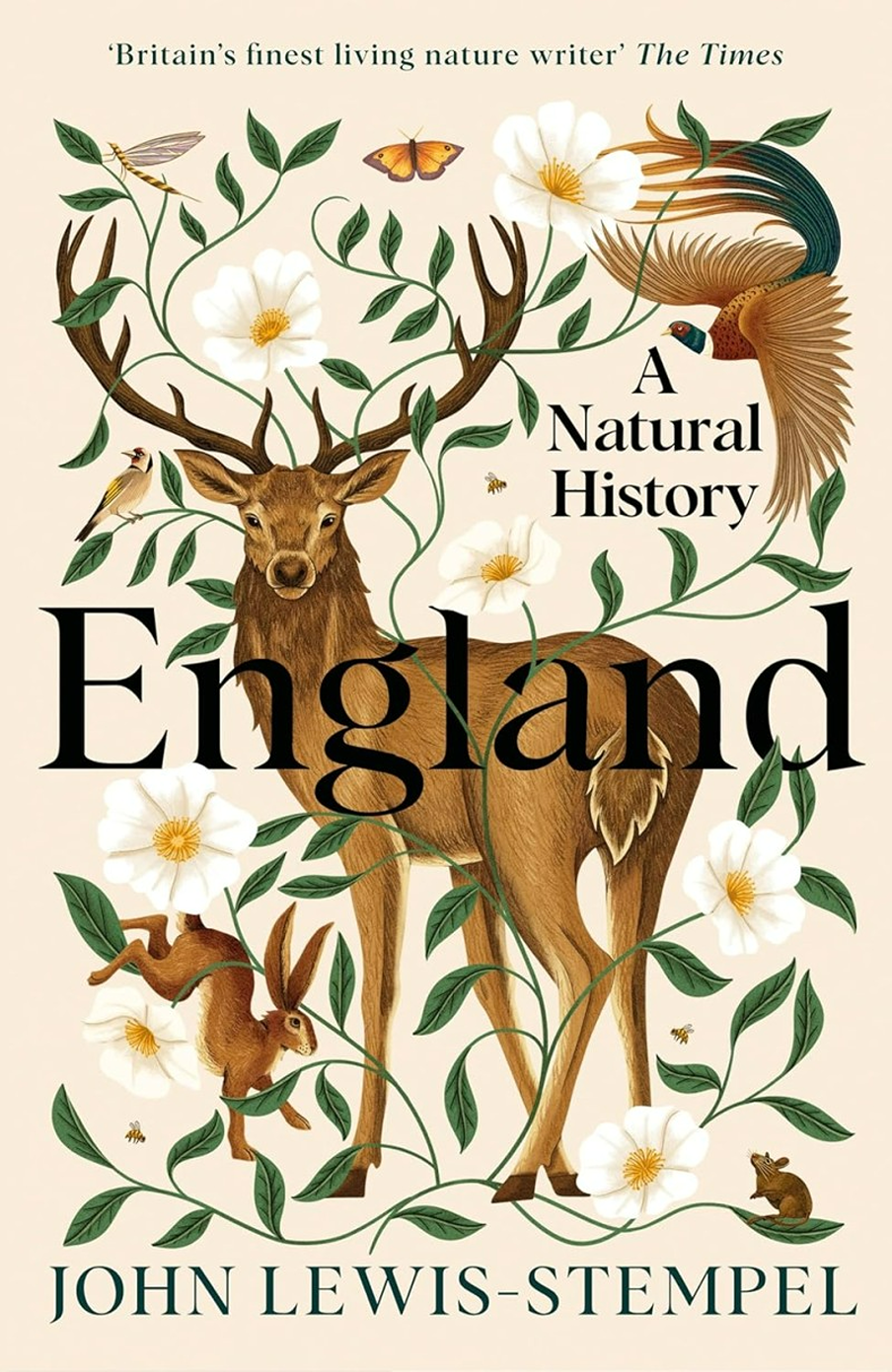
Wilding (an illustrated introduction to rewilding)

Wilding is a beautifully illustrated guide to rewilding, covering the story of one of England’s most successful project in West Sussex. This previously barren estate is now home to many happy birds – nightingales, peregrine falcons, turtle doves, ravens, red kites, lesser-spotted woodpeckers, skylarks, house sparrows, yellow hammers and sparrowhawks.
Restoring the wetlands of the floodplains by the River Adur has also created habitats for wading birds, amphibians, dragonflies, purple emperor butterflies, native owls and bats, rare beetles, visiting hoopoe birds and black storks (one of Europe’s rarest birds).
And even ‘heathland nightjars’ and ‘woodland nightingales’ that would normally live elsewhere, suggesting they are now ‘clinging to any natural habitats’.
Knepp Estate covers over 3500 acres near Horsham, once used for intensive farming. The owners decided to undertake a unique experiment, simply letting the land be, and leaving nature to itself.
Today, free-roaming herds of English longhorn cattle, Exmoor ponies, Tamworth pigs, and red and fallow deer roam the land. They graze, root and trample, turning up ground which allows wild plants to seed. This mimics natural grazing patterns that once shaped England’s countryside.
Never has there been a more important time to engage in nature and its recovery. And I hope this book will be a source of hope and inspiration for a new generation. Isabella
The book is both educational and funny. Although pigs naturally eat wild roots, the author talks of when they first introduced pigs to the rewilding project; they rooted up pristine lawns, and broke into a marquee where people were having a party, and ate all the ice-cream!
And the pigs on this farm stay with their piglets for months, as they would in nature (not like on a factory farm).
Oak trees need light to grow, so have developed an incredible relationship with jays, the blue-feathered birds of the crow family. A bit like how squirrels bury nuts for later on, jays do the same.
But unlike squirrels, jays suffer from ‘acorn amnesia, so the ones not remembered grow into beautiful trees, for other birds and wildlife!
Certain plants provide pollination for endangered birds and butterflies, and beavers help to prevent floods, and naturally clean the water, which helps local fish and other marine wildlife.
Byline Times reports that Reform UK policy is to ban rewilding on land that could be used for farming. The idea being to ‘help our farmers’. But the party does not know how nature works.
What is needed is to prevent monocultures that degrade land (so no good food can grow without harmful pesticides and fertilisers). And to pay farmers for natural flood management solutions, and restoring habitats for endangered species like water voles. This would help food security, farmers and native wildlife.
The South Downs (England’s Newest National Park)
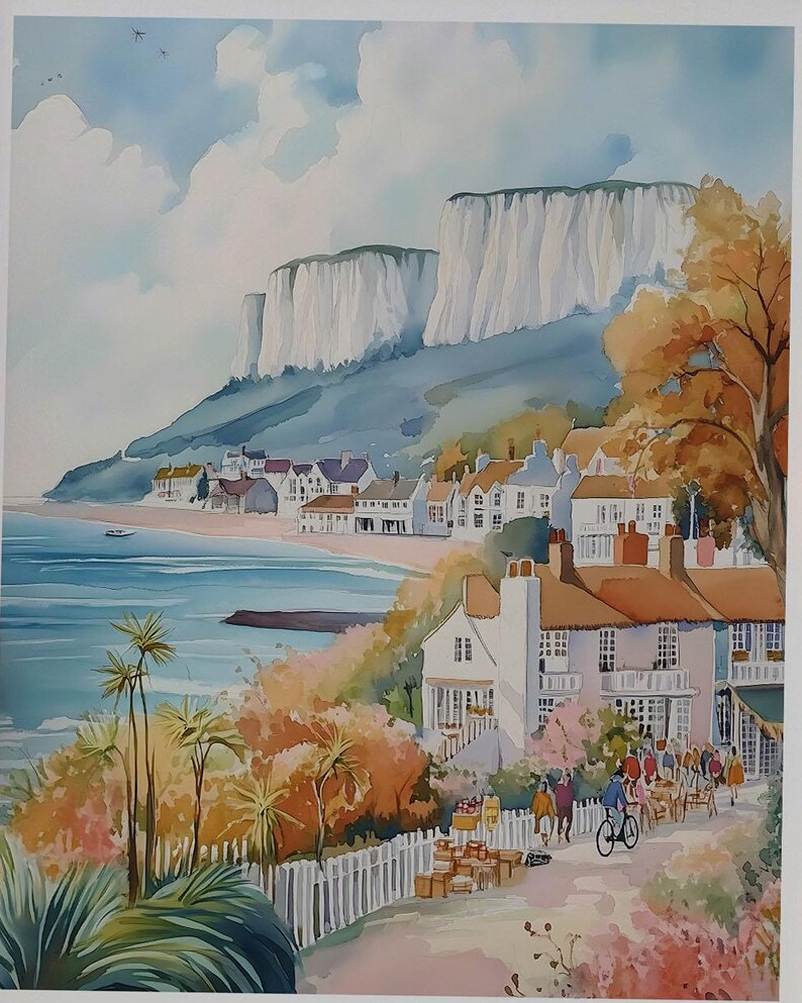
The South Downs National Park stretches from Winchester (Hampshire) to Eastbourne (East Sussex). It’s mostly known for its chalk downs, and beech woods that glow with copper hues, when autumn arrives. Many villages (like Amberley) lie nestled in the valleys, with old pubs and hidden churches giving a real example of old England.
When out walking, always follow the Countryside Code, to keep all creatures safe.
This park is an International Dark Sky Reserve, free from light pollution. This attracts many wildlife species from butterflies to skylarks and shy deer (who hide in ancient woodlands). Barn owls can safely hunt at dusk, and local nature reserves help to protect rare bats, dormice and orchids.
The South Downs Way is a 100-mile national trail that runs across the heart of the park. It’s well-marked and open to walkers, taking you through open hills, secret valleys and quiet forests.
Our Lady of Sion Schools (an inspiring case study)
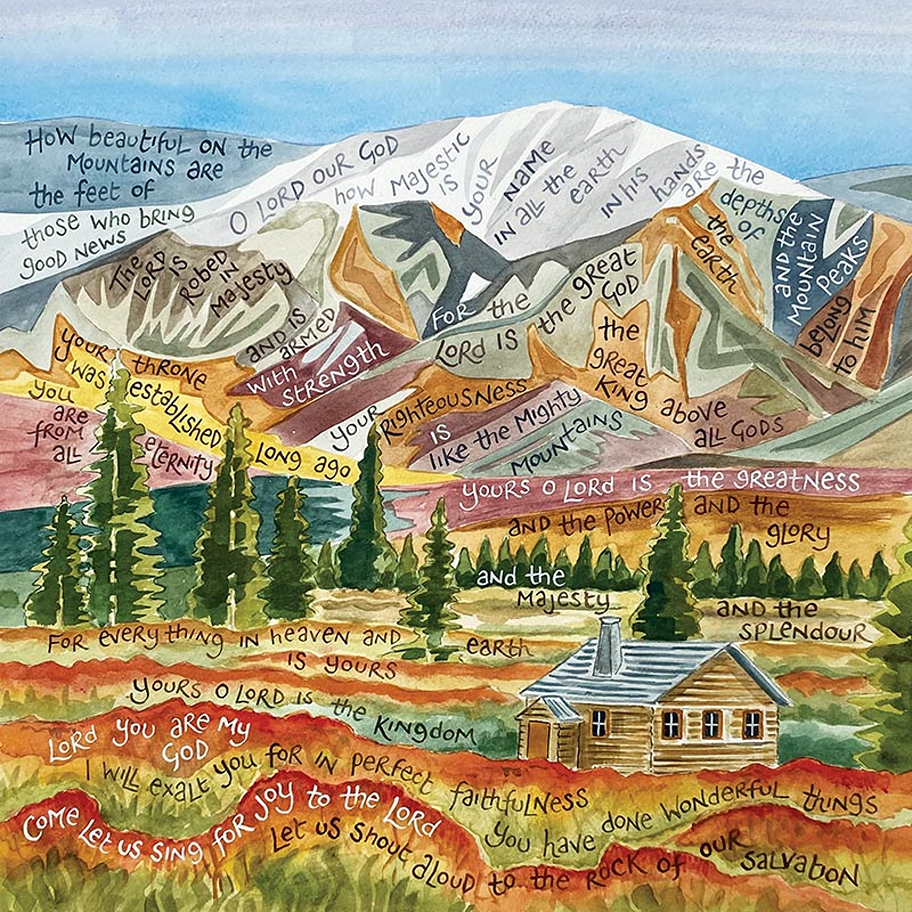
Our Lady of Sion School in Worthing (West Sussex) is one of a worldwide network of schools (they are private, but not as expensive as many and offer concessions) that could inspire state schools, in the way they are run and how they teach. Founded by two extremely wealthy Jewish brothers who later were baptised into a Jesuit Catholic order, the schools accept people of all faiths, and their religious education promotes respect for all beliefs.
The school’s motto is ‘Consideration always’.
The brothers’ history is interesting. One became a Catholic priest and was rejected by his family, including his brother. But as the second brother was visiting Rome just before marriage, he had a vision of the Virgin Mary, and fell on his knees:
In the presence of the Blessed Virgin Mary, although she did not utter a word, I understood the horror of the state of my soul, the hideousness of sin, the beauty of the Catholic religion. In a word, I understood everything.
On his return home, his fiancée rejected his newfound faith, and he also became ordained as a priest. Together they used their wealth to found an education movement based on love and respect for God and each other.
They helped to found a ‘Convent of the Sisters of Sion’, and it was these sisters who arrived in Worthing, which led to the founding of the school. Back in the day, there was also an adjacent free school for local orphans and children in poverty.
What makes these schools special is that all focus on serving up nutritious organic food (often from their own gardens). Worthing’s school (the only one presently in England, most of the others are in the USA, Costa Rica, France, Turkey or Australia) is completely plant-based (everything is also free from palm oil and the 14 major allergens).
As well as becoming the first school in the UK to serve fully vegan food (a decision made in consultation with students and parents), it has consistent excellent ratings for education and happiness. Typical meals served include:
- Fillet Fisch Burger with tartare sauce and chips
- Butternut squash and sweet potato tikka masala with rice
- Tofu tacos with Asian slaw
Previous alumni include:
- Nuala Quinn-Barton (the Irish film producer of Goodbye Christopher Robin, the biopic of A A Milne, who wrote the Winnie the Pooh books).
- Actor Noah Huntley (who grew up on a nearby Sussex farm). He embraced the veggie lifestyle as an adult, saying he loves whizzing up a smoothie for breakfast, snacking on hummus and salad, and wished the world had more vegan shoes!