What We Can Learn from Wildlife Conversations

Eavesdropping on Animals is a book by a Yellowstone wildlife guide, to show you how to learn to tap into animal sounds, and decode the secret conversations happening all around you.
Whereas humans once relied on the calls of wild animals to understand the natural world (and their place in it) now this remarkable guide reveals what our ancestors knew long ago:
That turning into the owl in the tree or the deer in the gully can tell us important information, and help us feel connected to our wild community.
In this book, wildlife ecologist George Bumann shares fascinating stories and insights that he has gained from leading animal intelligence tours in a USA national park, plus gives advice for readers living in any urban, suburban or rural area.
You don’t need an exotic location for wildlife encounters: listen and observe creatures in your own backyard, on in local parks, fields and forests. This book can lead to extraordinary experiences and a profound sense of belonging.
Are you ready to listen to your wild neighbours? Are you ready to learn how to tell a warning call from a mating call, or a purr of satisfaction from idle chatter? Then this book is for you!
George Bumann is an animal language expert, artist and naturalist who lives at the entrance to Yellowstone National Park.
His background in wildlife ecology and field experience of 40 years helps him explore the lives of his wild neighbours, many of which he has known for generations.
I’ve spent my entire life listening to the natural world. And after reading George’s book, I realise I wasn’t really listening at all. Jack Horner
The Interesting Languages of Mother Nature
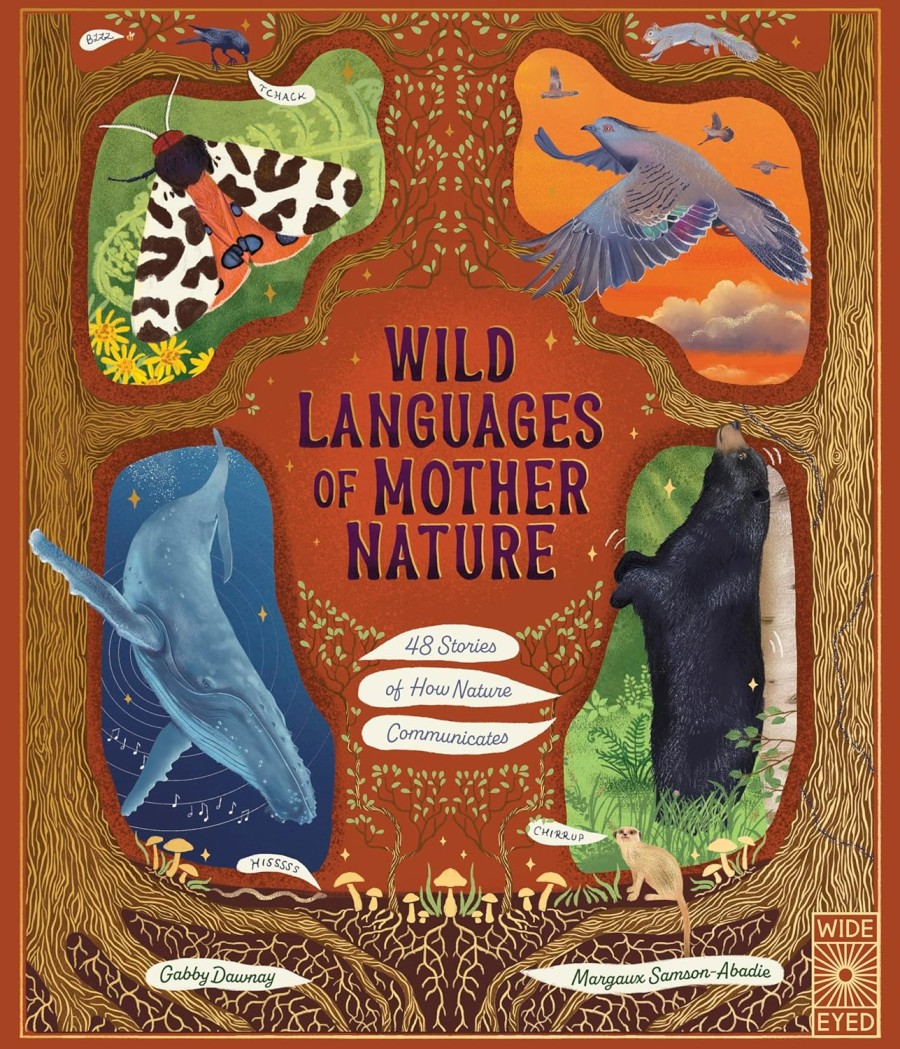
Wild Languages of Mother Nature is a beautifully illustrated book for children, featuring 48 stories on how animals and plants communicate in very creative ways. Mother Nature has devised so many beautiful and surprising ways to share information.
Nature can be marvellously noisy (with birds singing, bears roaring, frogs croaking and kangaroos stomping).
But many creatures and plants communicate through other less vocal methods. In this book, children cam meet both noisy and not-so-noisy communicators including:
- Bees who ‘waggle dance’ to explain pollen routes
- Rhinos who leave messages, with their dung
- African elephants (who send vibrating messages)
- Demon mole rats (who communicate by headbutting!)
- Ravens who use silent sign language
- Ants who leave hormone trails
- Pufferfish who use artistic displays
- How chimpanzees use touch to talk
- How humpback whales communicate by song
- Trees who use underground fungal networks
The stories also delve into why wildlife communications, to share information within their pack, flock or herd. Or to win the affections or attention of a mate, or to scare off predators and rivals.
A wealth of information is woven into the stories, to ensure readers are left with more knowledge and wonder for the wide world. From huge mammals to tiny insects to plants.
Chimps shake hands, and gorillas sing to say how much they’re enjoying their food! Humpback whales tell tales in long, lonely songs.
Some birds warble, while others tap-dance to declare how they feel. Demon role mats say ‘Go away!’ by head-banging. And bees waggle-dance to describe where the nectar is sweetest.
Some plants send out smelly signals to call for help. Others repel with a stink or lure with perfume. Squid skin changes colour to hide or woo. Mosquitoes duet, fruit flies learn dialects and tiny pufferfish create underwater masterpieces.
Fungi feel, probe and send messages with electrical signals. A Wood Wide Web links forests in huge communication systems!
Did you think humans were the only beings on earth to speak? Welcome to the wild and wonderful language of Mother Nature!
Mammal stories
- Human
- Kangaroo
- Chimpanzee
- White rhinoceros
- Humpback whale
- African wild dog
- African elephant
- African demon mole rat
- Egyptian fruit bat
- Prairie dog
- Black bear
- Gorilla
- Drongo & Meerkat
- European bison
- Hippopotamus
- Tarsier
- Koala
- Grey squirrel
Bird stories
- Crested pigeon
- Raven
- Blue-capped cordon bleu bird
- Peruvian warbling antbird
- Jackdaw
Fish stories
- Mantis shrimp
- White-spotted pufferfish
- Caribbean reef squad
- Electric eel
Reptile & Amphibian stories
- Grass snake
- Sea turtle
- Brazilian torrent frog
- Insect stories
- Fruit fly
- Mosquito
- Ant
- Blue butterfly caterpillar
- Honeybee
- Deathwatch beetle
- Cicada
- Tiger moth and Hawkmoth
- Treehopper
Plant & Fungi stories
- Grass
- Sea rocket
- Pitcher plant
- Sagebrush
- The ‘forest’ & the wood wide web
- Black walnut
- Camphor tree
- Cordyceps fungus
- Split gill fungus
A Beautiful Book on the Lost Words of Nature
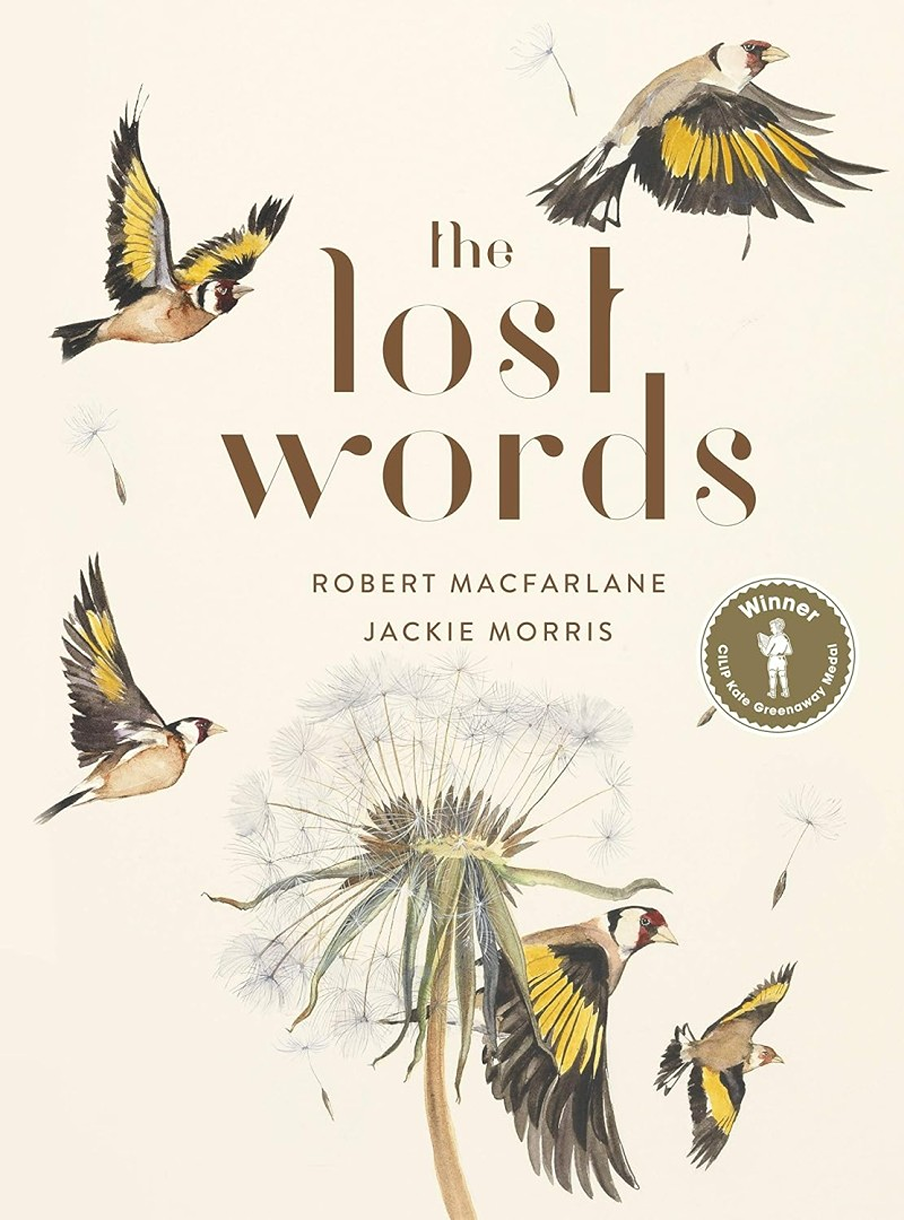
The Lost Words is a gorgeous large-size hardback gift book for children and adults like, created after discovering that a major dictionary is now leaving out some of the most familiar words about nature, but including others that are nothing to do with nature.
Soon we’ll have dictionaries only listing ‘blackberries’ as electronic devices, over the fruits.
The words of the natural world are fast disappearing from children’s lives: Dandelion, Otter, Bramble and Acorn. A wild landscape of imagination and play is rapidly fading from our children’s minds.
This book stands against the disappearance of wild childhood. It is a joyful celebration (in art and word) of nearby nature and its wonders.
With poems from award-winning writer Robert Macfarlane and illustrations by Welsh artist Jackie Morris, this enchanting book evokes the magic of language and nature for all ages. With matching music score for piano.
A Fun Illustrated Book of Collective Nouns
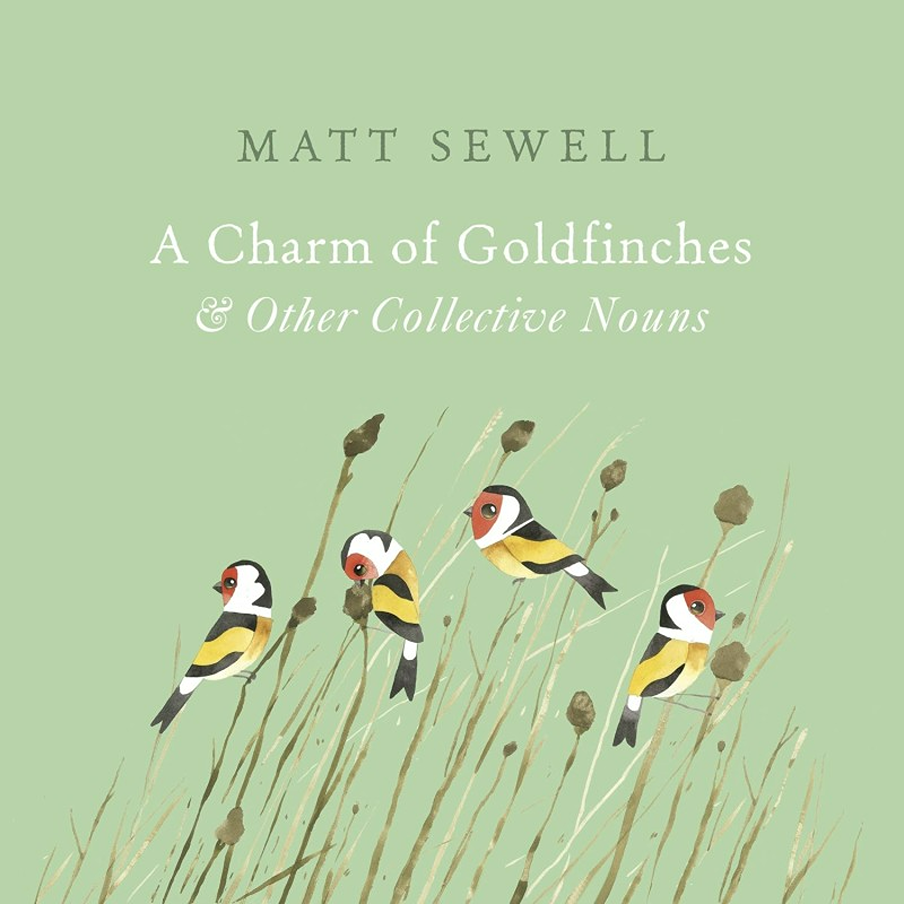
A Charm of Goldfinches (and other collective nouns) is an absolutely gorgeous book and educational and funny too. This is a really really good book – really do buy a copy! You’ll learn all manner of info about creatures around the world, in funny narratives. Some of the creatures featured (grouped by land and sea) include:
- An Array of Hedgehogs
- A Memory of Elephants
- A Skulk of Foxes
- A Down of Hares
- A Pride of Lions
- A Trip of Rabbits
- A Crash of Hippos
- A Richness of Martens
- A Dazzle of Zebras
- A Lounge of Lizards
- A Mural of Buntings
- A Skein of Geese
- A Crown of Kingfishers
- A Cloud of Bats
- A Murmuration of Starlings
- A Flutter of Butterflies
- A Watch of Nightingales
- A Pod of Dolphins
- A Harem of Seals
A Mob of Emus: Emus are nearly 6 feet tall and certainly not afraid to look you in the eye. They are like a bunch of locals who gate-crash your party.
All weird haircuts and mono-brows, they’re funny and quite charming at first. Until they’ve drunk all your booze and things start to turn a bit nasty. So it’s probably best to avoid eye contact from the get-go.