Grow Your Own Organic Flowers (simple tips)
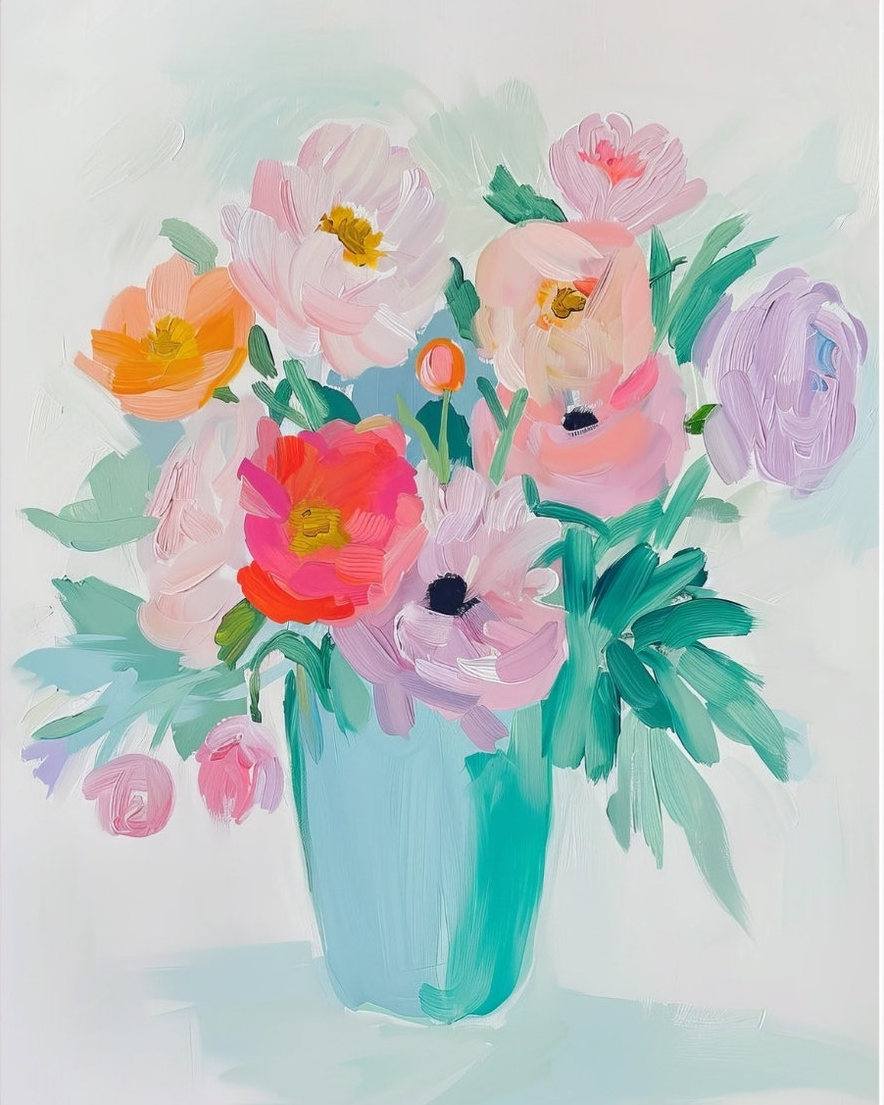
Most store-bought flowers are grown with chemicals, and shipped from across the world, feeling and looking like you would, if you’ve just arrived off a long-haul flight. Most have no scent, are packed in plastic and often don’t last. Growing your own organic flowers is a nod to the local flower miles movement.
Also read our posts on how to grow cheerful sunflowers and organic roses.
Read more on no-dig gardening and humane slug/snail deterrents. If you live with animal friends, read up on pet-friendly gardens (many bulbs and wildflowers are not safe). Avoid facing indoor foliage to outdoor gardens, to help stop birds flying into windows.
Flower Seed Kits for Small Spaces

Herboo makes seed kits for small spaces, including for beautiful flowers. The founder was inspired by his Granny, who taught him all she knew about plants. This London company focuses on organic seeds in moisture-free foil sachets, inside easy-to-recycle sleeves.
The range includes a Pollination Kit (adored by bees) along with an Edible Flowers Kit offer easy-blooms for your cooking including calendula, nasturtium and cornflower. Also good for decorating cakes! Some of these seeds are pet-toxic, so only use for pet-free homes.
Books to Grow Organic Flowers
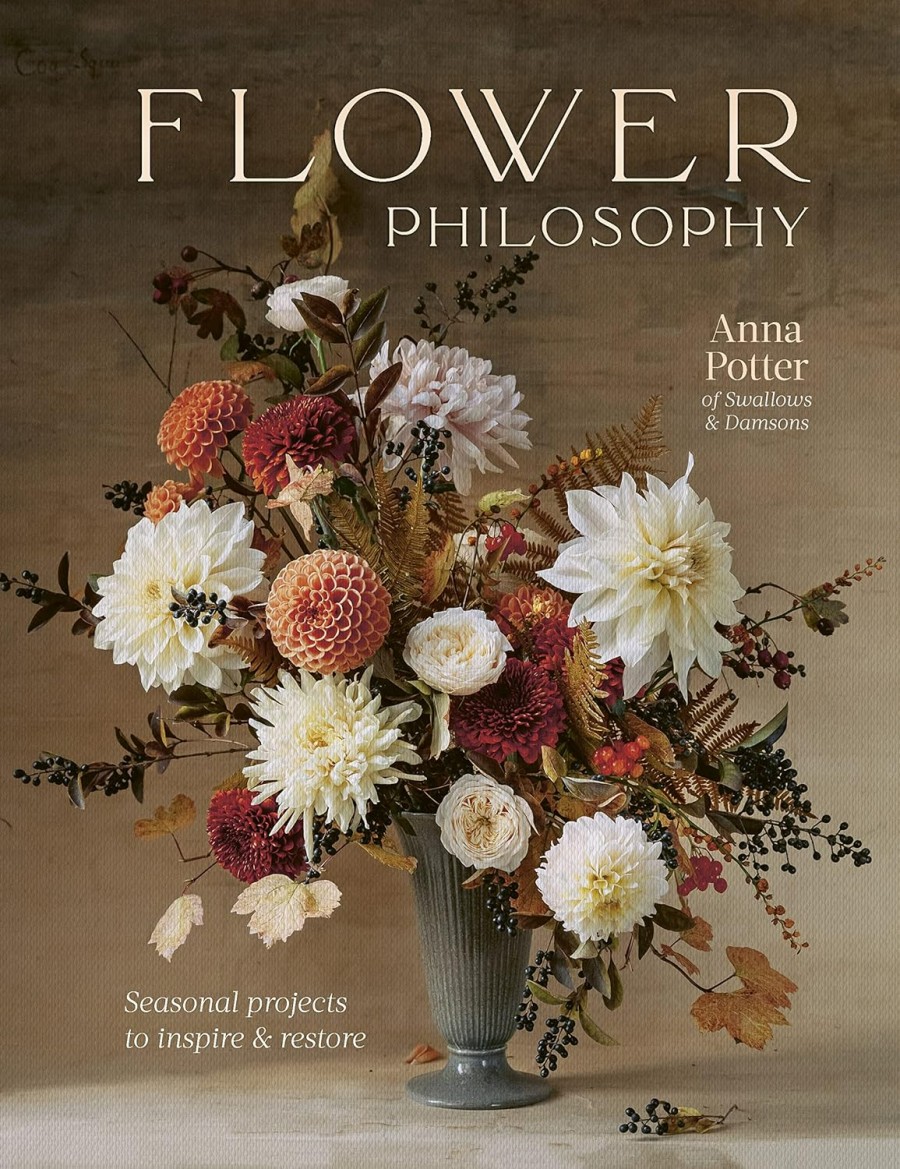
Flower Philosophy is a book of seasonal flower projects to inspire. Find 25 combinations of stems and foliage, with tips for budget-conscious choices (buds, weeds, foliage, fruits and vegetables). Includes an index of often-forgotten blooms.
A Flower Garden for Pollinators is by BBC Gardener’s World presenter Rachel de Thame, looking at how to provide garden habitats for bees, butterflies and other beneficial insects, by providing plants that are rich in nectar and pollen.
Arranged by season and illustrated with hand-painted watercolours and glorious photography, this is ideal for a small urban courtyard to a large country garden.
Did you know that sunflowers can grow 16 feet high? They also do a neat trick called heliotropism, so follow the sun (from east in the morning).
Floramama (growing flowers for market)
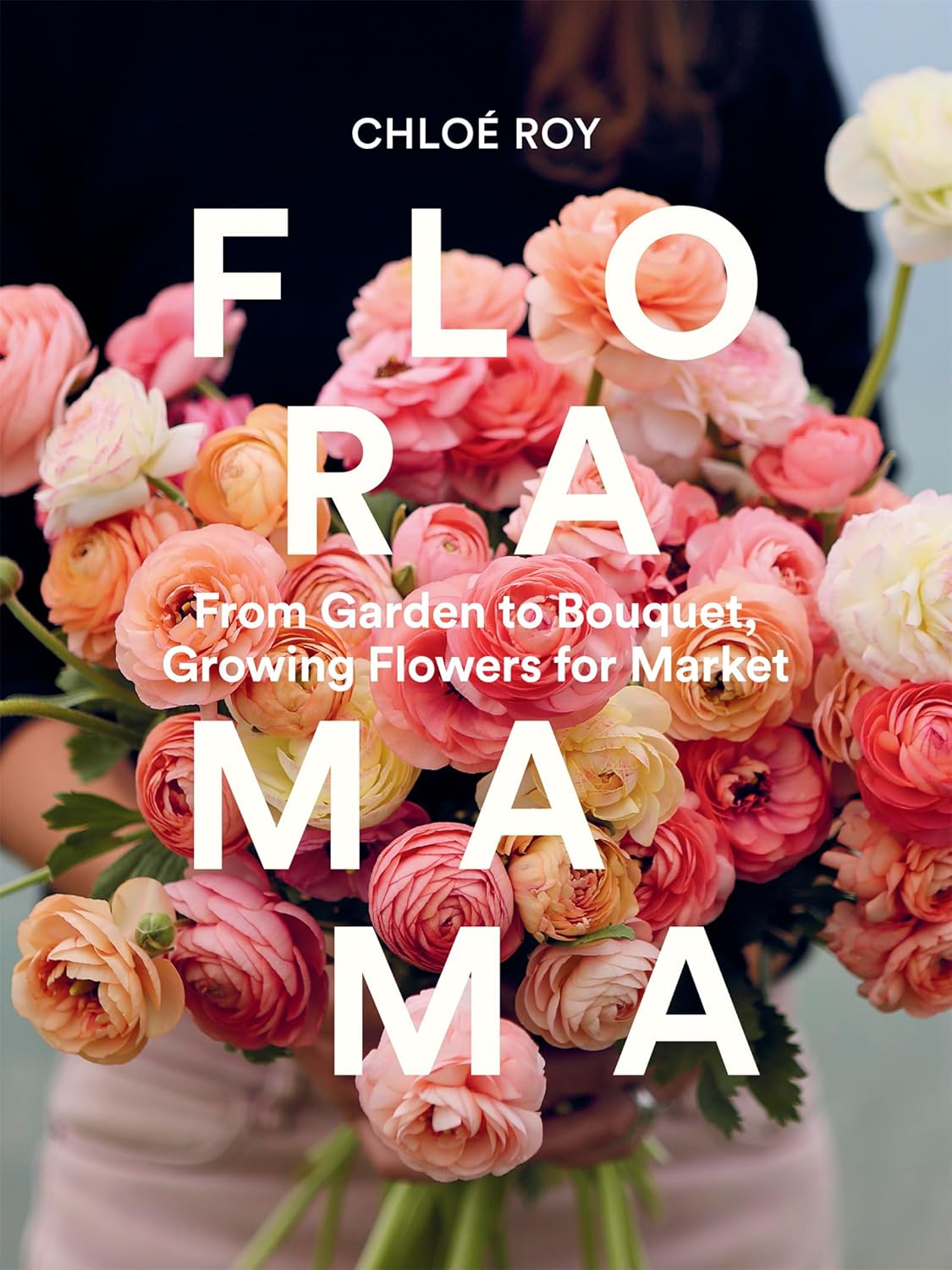
Floramama is an inspiring and practical guide to running a successful cut-flower business, from an author who makes a six-figure income on just 1.5 acres of land. Ideal for those who wish to provide their communities with affordable and seasonal organic blooms.
In this book, the author merges marketing gardening principles with her experience of the ecological flower-growing movement, inspired by the ‘slow flower’ philosophy. it covers:
- An overview of flowers: annuals, biennials, perennials, bulbs and wildflowers
- Cultivation techniques for healthy blooms, including site selection, soil, seed-starting and harvesting
- Planting schedules and business tips (including in challenging climates)
- Crafting visually stunning boutiques
This book is ideal for market gardeners or aspiring flower farmers (or simply those who are interested in growing sustainable blooms).
Chloé Roy is an ecological flower grower and flower farm instructor, who runs a thriving flower business in Quebec.
The Flower Farmer’s Year (growing for pleasure and profit)
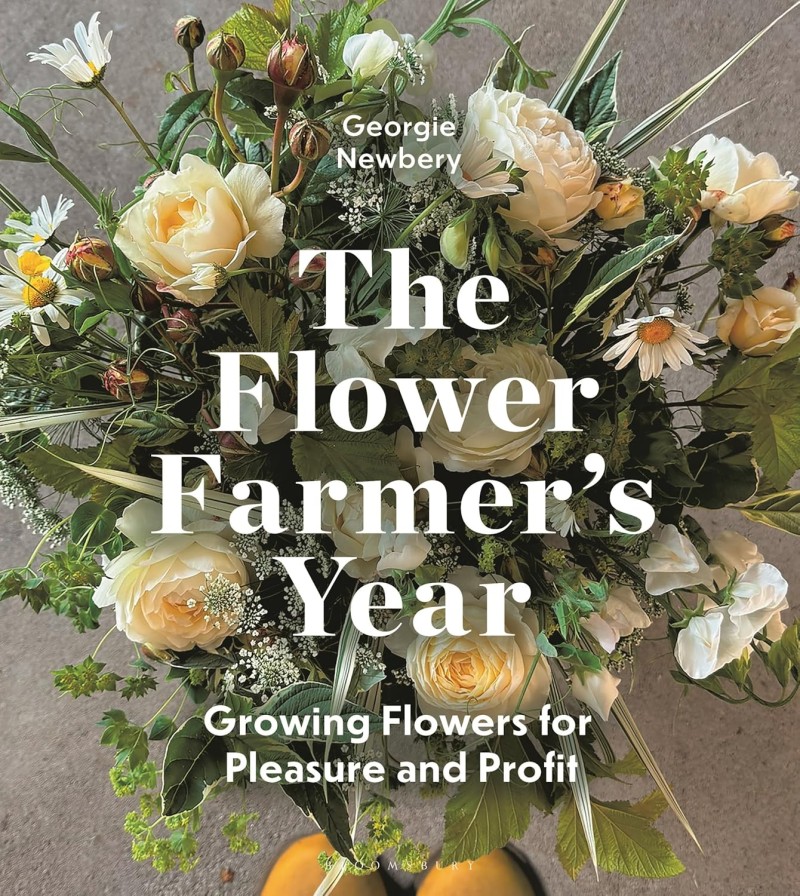
The Flower Farmer’s Year is a beautiful book, to switch from that boring job to the career of your dreams – growing organic flowers and then selling them for profit. Scented local and seasonal flowers are adored by everyone, and you can help your community, and work outdoors.
In this book, an artisan flower farmer and teacher shares how to start a cut-flower patch, optimise the bed layout and choose what to grow. Then how to cut, condition and arrange your flowers. The book includes a year planner, to keep your land productive all year.
You can of course use this book simply as education. But if you find your garden overflowing with organic flowers, you may see it as a good opportunity to make some income. The book includes down-to-earth business advice on how to make a profit from cut flowers and market your business.
Whether you dream of armfuls of sustainable homegrown flowers for your home or a family wedding, or your objective is to earn a living doing something you love, this is the book for you.
Also read Georgie’s book on how to grow your own wedding flowers.
Georgina Newbery used to work in the fashion industry, but gave it all up to open Common Farm Flowers (Somerset) which she runs with her husband. Together they offer courses on flower-growing and DIY flower buckets for more affordable wedding flowers, to arrange yourself.
They only deal with seasonal blooms, so if you buy from them, you won’t be able to have a winter wedding (unless you don’t want flowers!)
Where to Buy Seasonal Organic Flowers
If you don’t want or can’t grow your own flowers, choose sustainable independent florists (find them at Flowers From the Farm).
One member is Bristol’s Organic Blooms, a social enterprise that also provides jobs for people with disabilities. Their bouquets are good for wildlife, and sold in compostable packaging. Somerset’s Common Farm Flowers also sells local flowers (collection only, and not available in winter!)
Store your flowers in a cool, dark place. Change the water regularly and keep trimming the stems. You can donate used bouquets to Floral Angels, where volunteers re-gift them, to people who need cheering up!