Brownfield Gardens (beautiful sites on wasteland)

Brownfield gardens are a lovely idea, simply creating public spaces of beauty, on areas of neglected land. For instance if your town, village or city has an old disused industrial site or car park that is sitting there doing nothing, volunteers can get together and turn it into a beautiful space, with trees and greenery, which also provides food and shelter for local birds and wildlife.
This is different to community gardens in that these spaces are not really for visiting, more for creating natural woodlands etc, that can be left alone apart from maintenance by a few volunteers. Typical sites could be old yards or businesses that have closed down or even empty plots that look bleak and depressing.
As these are public spaces, learn about pet-friendly gardens (many plants and mulches are unsafe near animal friends). And use nontoxic humane slug and snail deterrents.
Avoid netting and read tips for wildlife-friendly gardens. Also how to create safe havens for garden birds and stop birds flying into windows.
Removing sump oil and pollutants
If building on old car parks etc, it’s important to create brownfield gardens safely, as often removing tarmac may reveal leaked sump oil and other pollutants, that need safe removal. Download this free depaving guide (by volunteers in Oregon, USA) to give you all the info you need, to do this safely).
Depaving also has the added bonuses of reducing heat island effect, and of reducing the risk of rain pollutants running down storm drains and reaching the sea.
Upcycling found materials
When you remove urban materials, you can often recycle them, so don’t always take them to the tip. Upcycled paving stones can be turned into landscaping, and smashed stones and building rubbles can built little rockeries. The only limit is your imagination!
One brownfield area in Somerset used to be a derelict area of rubble, with a litter-filled canal, unused railway line and old dairy farm. Today it’s a beautiful meadow, with a large wildlife pond with sloping side, for native wildlife and insects.
In Essex, one gardener rescued ceramics from old toilets and building rubble, to create a wildflower meadow. He used old shopping trolleys and piping to create insect habitats, and says he’s even partial to removing bits of ‘old car carcass’ to use in his garden landscape designs!
Brownfield gardens, community gardens (and allotments if you are fortunate enough to secure one – waiting lists can be years) are best investing in large-scale water butts (with child/pet locks), to avoid bills and save rainwater.
Choose plants that suit urban conditions
Brownfield gardens are likely not going to have a lot of good soil. So aside from adding some good peat-free compost, it’s best to choose plants that are pretty hardy, as they are not going to get as much ‘gardening help’ as someone’s own backyard. Find someone with good gardening knowledge to assist!
If the ground is too far gone, raised beds are a good idea, as you can just fill them with good soil and start planting immediately.
The High Line (an elevated brownfield garden)
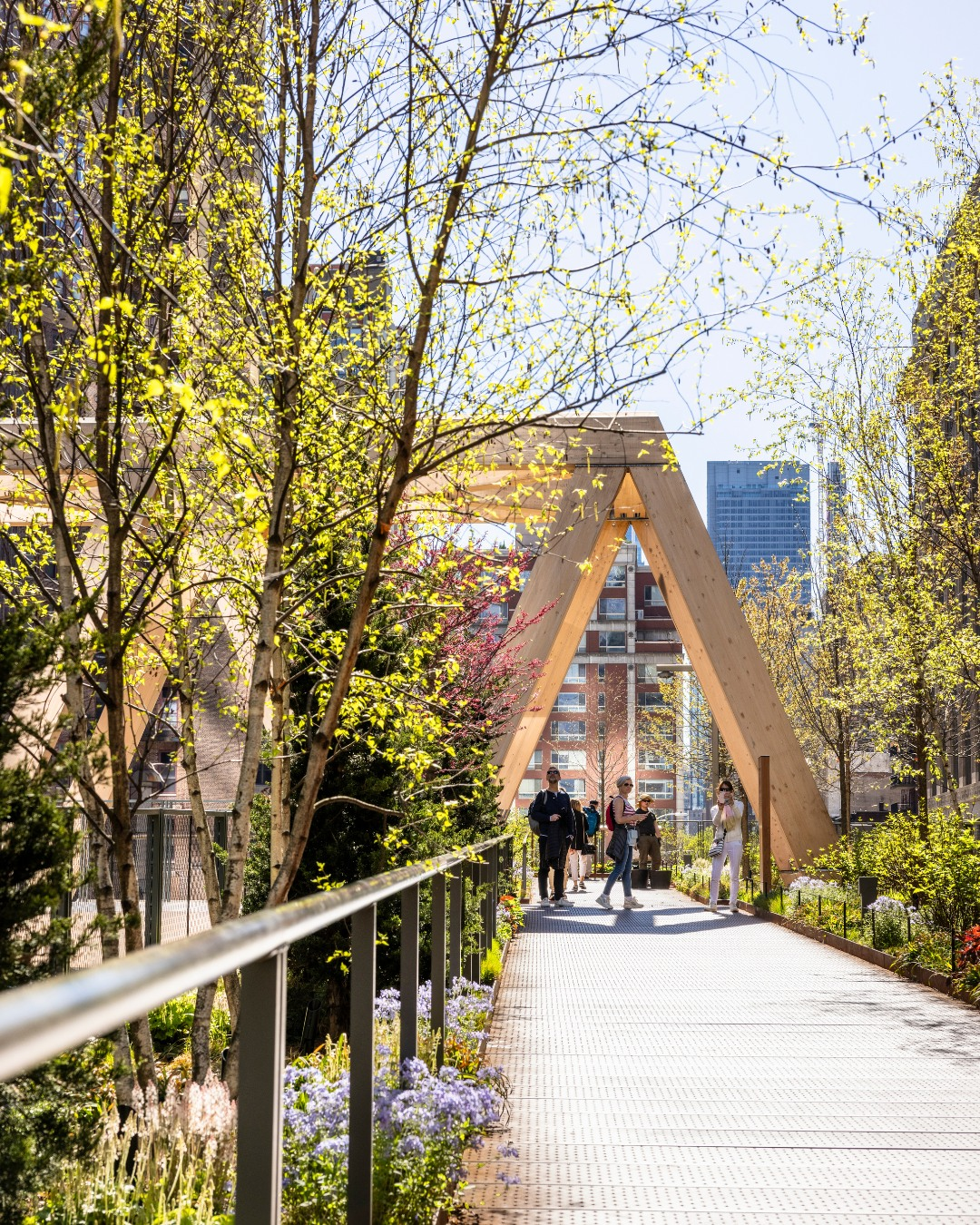
Perhaps the world’s most well-known example of a brownfield garden is in New York City. The High Line was an old above-city railway track that would carry meat on trains through the city, so many people would run across the track to save waiting for the trains to go past that it became known as ‘death avenue’.
When the track closed in 1980, the track lay abandoned, the metal began to rust, and ‘weeds’ (in fact wildflowers) were growing everywhere. Former mayor Rudolph Giuliani wanted to tear the whole thing down, to build the area into a new urban space with restaurants, art galleries and loft living.
But two residents (both civil activists) campaigned to preserve the area and with their help, The High Line was born, which now features several gardens, a public park and masses of plants for local wildlife and pollinators.
A decade after the former mayor tried to remove it, it’s now one of the city’s most popular public parks, the broken class and old furniture and spray paint cans removed, replaced by walkers and bumble bees!
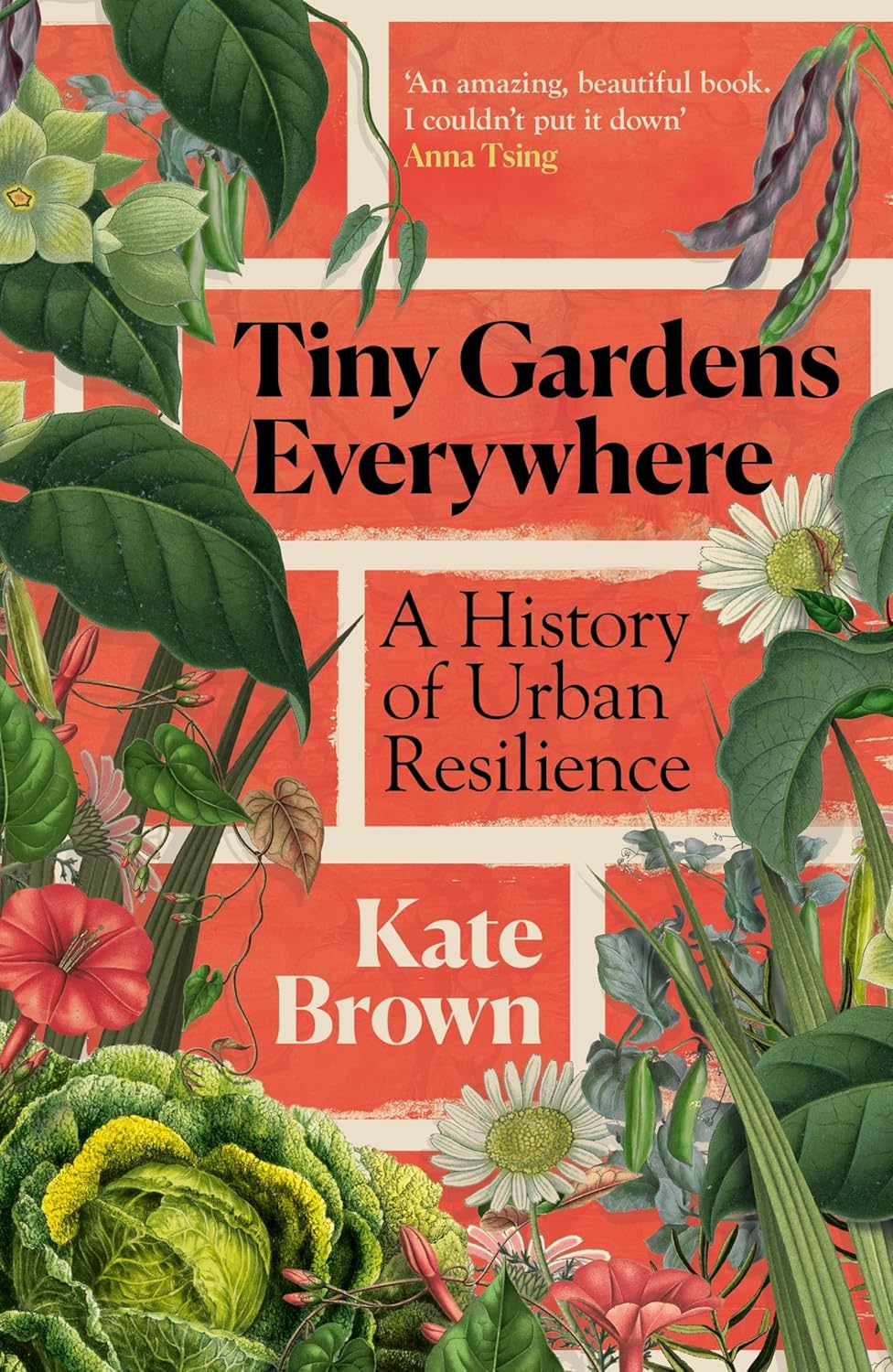
Tiny Gardens Everywhere looks at how gardens are defiantly giving life in bustling cities in Europe and North America. Learn about allotments in Estonia, orchards tended by black migrants in Washington and food forests in Amsterdam. Over 300 years, these tiny gardens were often born from necessity and shaped by immigration and environmental crisis. From recycling nutrients to remedying contaminated soil. A hymn to those producing organic food, in the face of fossil fuels and big technology.