The Norfolk Broads (England’s ‘Amazon’ wetlands)
Norfolk is a large dry and mostly flat county in the east of England, the coast facing the North Sea, the coldest on earth! It’s pretty chilly in these parts in winter, so bring an extra jumper.
The Norfolk Broads (manmade wetland waterways) are home to 25% of England’s birds and native wildlife (including rare Swallowtail butterflies).
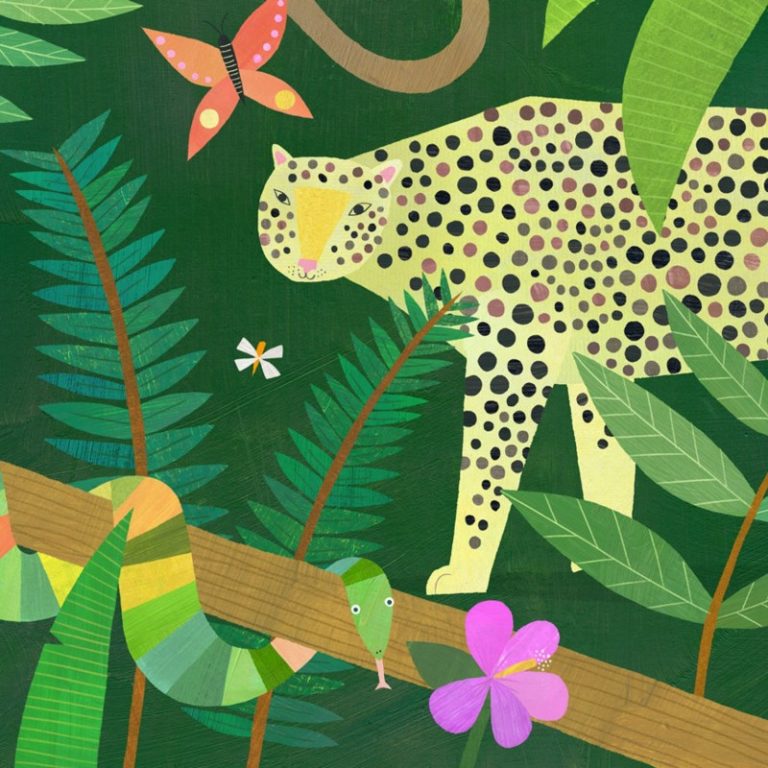
Known as ‘England’s Amazon’, the Broads are home to many creatures you likely won’t find elsewhere in England these days: bitterns, marsh harriers, swallow butterflies and fen raft spiders all find safe haven here. As do avocets, wading birds with unique upturned beaks.
Out walking? Follow the Countryside Code to keep all creatures safe. Keep dogs away from steep banks, mushrooms (and other toxic plants/trees) and on leads during nesting season (and near barnyard friends and wild ponies).
At the coast, keep away from nesting birds and never walk on sand dunes. Learn how to keep dogs safe by the seaside (check beach bans before travel).
There are seven rivers and over 60 broads (bodies of water). They span over 120 miles of rivers and lakes, created from flooded medieval peat diggings.
The Broads are also one of England’s most popular boating holiday destinations, so be a sustainable sailor, to protect local birds and wildlife. Canoeing is also popular, with plenty of quiet corners to explore. Moor up at a riverside pub, or just drift along and watch the world go by.
A wetland shaped by people, then nature
The story begins in the Middle Ages. People dug peat here for fuel, and they cut deep pits into the soft ground. Later, rising water flooded those pits and joined them to rivers. Over time, the old workings became the broads, those open stretches of water that now define the area.
That origin matters because it explains why the place feels slightly unusual. These are not natural lakes in the usual sense. They began as working ground. Then reeds spread, fish moved in, insects bred in the shallows, and birds found cover and food. So the Broads became a wetland where history and nature sit side by side.
By boat, you move through a maze of channels, broad water, hidden dykes and reed-fringed edges. Life gathers around the water. Birds hunt above it, fish move below it, and villages seem to lean gently towards it. Because of that, the Broads can feel like another world, calm, green and lightly wild.
Birds, butterflies and rare species
Birdlife is one of the main reasons people come. Herons stand still at the margins, looking half-formed from the mist. Marsh harriers drift over the reed beds with slow, steady purpose. A kingfisher flashes past like a thrown jewel, gone almost before you register the blue.
The Broads are also linked with the swallowtail, Britain’s largest butterfly. It is one of the area’s best-known species, and for many visitors it becomes the moment they remember. One sweep of those cream and black wings can turn a quiet walk into something vivid.
From open water to windmills
The scenery shifts quickly here, and that is part of the pleasure. One hour you may be on a broad, open stretch of water under huge skies. Soon after, you slip into a narrow dyke with alder trees and high reeds closing in.
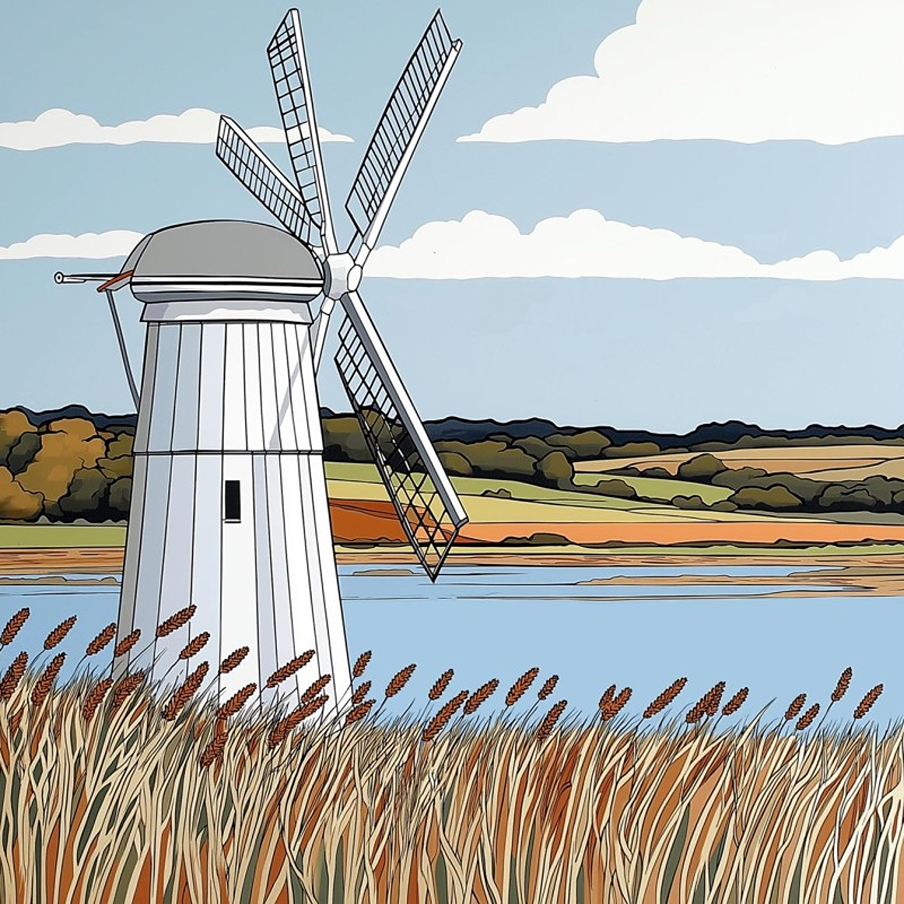
Then the human marks reappear. Old drainage mills rise from the marsh like patient sentries. Riverside villages such as Horning bring moorings, church towers and neat waterside gardens. On the grazing marshes, cattle stand in the distance and the flat light stretches for miles.
A year surrounded by marshy wildness
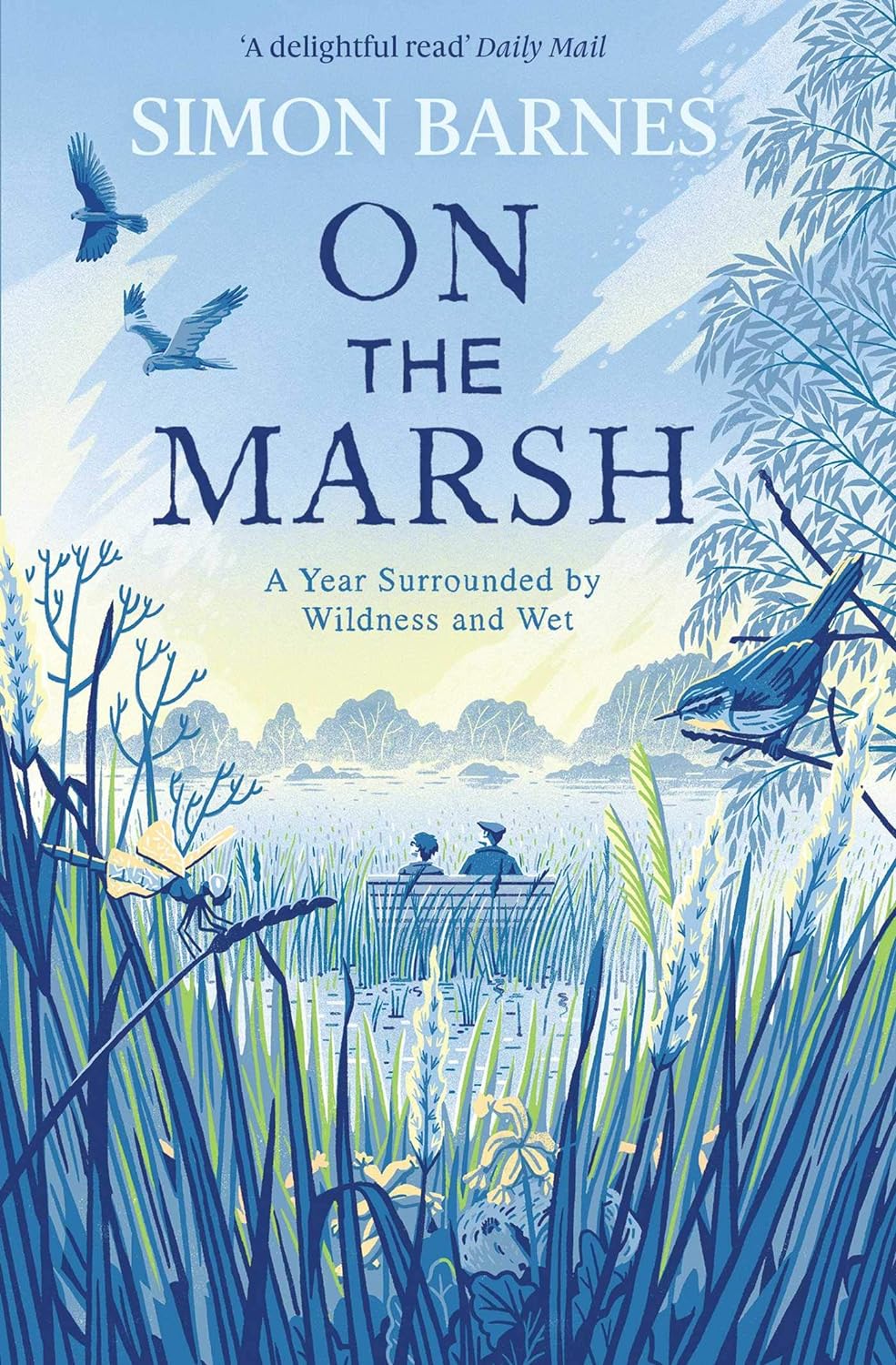
On the Marsh is a lovely book by Simon Barnes, who on hearing a Cetti’s warbler sing in Norfolk as he looked at a house for sale, moved there with to avoid the marshy land being lost to developers or intensive farming.
As he and his wife rewilded the area, this had calming effects for their son, who has Down Syndrome. A place of calm and inspiration for all.
Follow triumphs (two harrier families arrive to use the marsh as hunting ground). And disappointments (chemical run-off from neighbouring farmland creates a nettle monoculture).