Bristol (a green hip city in southwest England)

Clifton and Totterdown are two iconic districts in the green city of Bristol.
Clifton is known for its Georgian buildings and engineering history, and is known of course for being the home of Clifton Suspension Bridge, one of the most famous bridges in England, designed by Brunel.
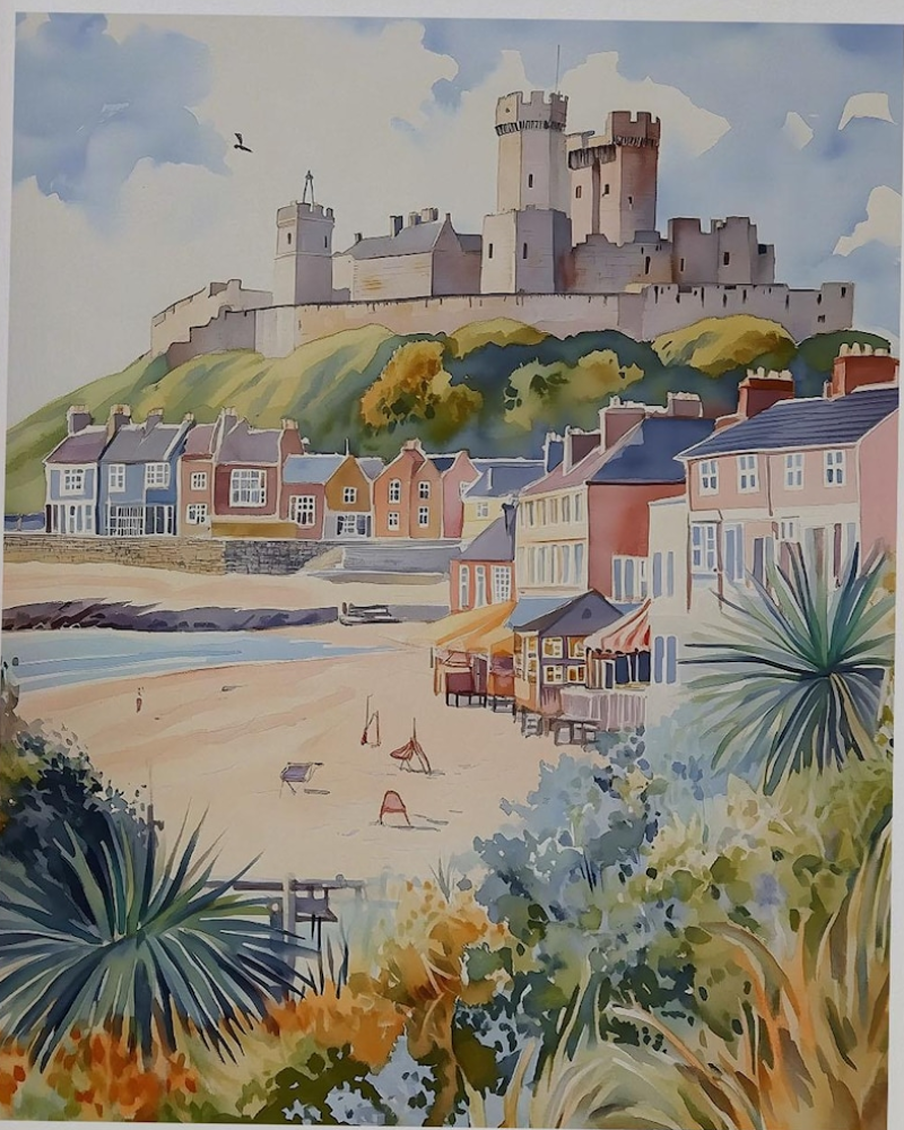
Totterdown is known for its steep heels (people have to park their cars perpendicular to the road to stop them sliding, and is known for its brightly-coloured houses, often looking like a rainbow painted on a hill. Many people here are highly artistic, and hold a local Totterdown Art Trail where they open their doors to showcase their work to the public.
In the 1970s, The Ghost Road was what was left behind, after many Victorian homes were demolished to make way for a major road that was never built, leaving behind a scarred but resilient community, known now for its green spaces.
Bristol’s main zero waste shop
Zero Waste Bristol is almost 10 years old now, proving that locals truly support sustainable living. It offers a wide range of foods and household items, with next day delivery across Bristol and same-day collection for orders before 12pm.
Before cooking, read up on food safety for people and pets. Also read about pet-friendly gardens, to know plants and flowers to avoid.
Bristol’s Clifton Suspension Bridge (on Avon Gorge)

Clifton Suspension Bridge was built around 150 years ago, to cross the Avon Gorge. Although walkers may cross the bridge for free, a toll system is used for vehicles, and monies raised can ensure regular safety inspections and maintenance.
Dogs are not permitted in the museum (never leave dogs in cars).
A great example of Victorian engineering, it was designed by Isambard Kingdom Brunel (what a fancy name!) who won a competition to find the best design to build a bridge to cross the river, which split the busy maritime city of Bristol in two. He was only 24 when he won, clever boy!
Due to steep cliffs and swirling winds, the project was stalled before Brunel could see its completion, but eventually opened in 1864, five years after he died.
A unique bridge of iron chains, stone towers and timber, it’s built to take the force of weather and traffic, and made from local limestone that blends into the landscape.
Due to being a high suicide risk spot, there are barriers and telephones to call Samaritans. Years ago, one young barmaid jumped off (due to a failed love affair) but her billowing skirt turned into a parachute. Covered in mud, she survived, found love again and lived to 85.
The lady eventually found love again, married and lived to be 85. She kept the photo of two sisters who (in 1896) also survived the bridge (being thrown off it by their father, who had gone insane and was later sent to an asylum).
Avon Gorge (a unique limestone habitat in Bristol)
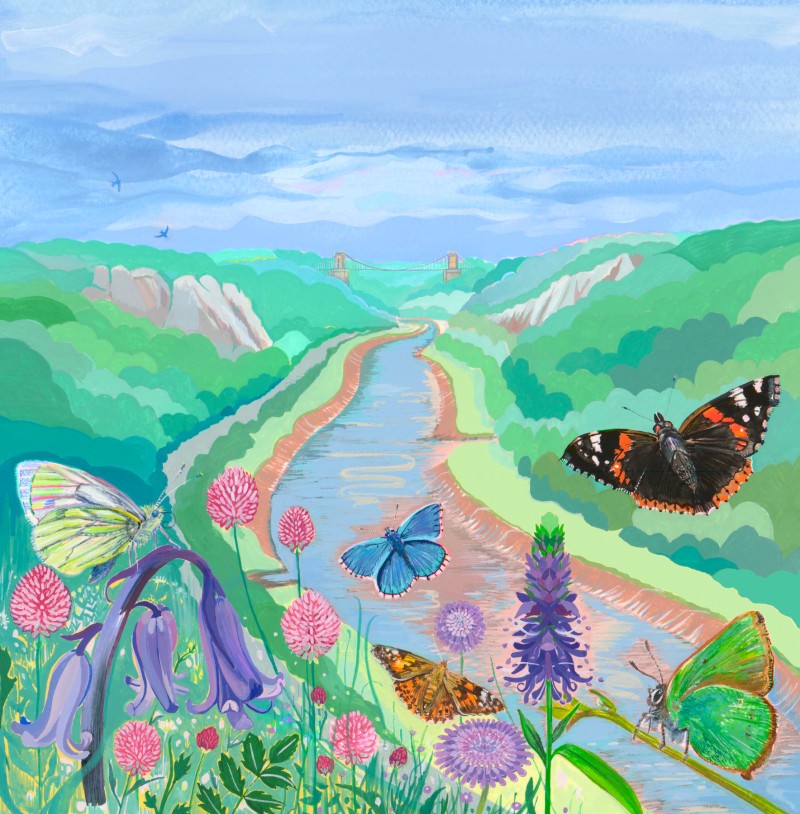
Avon Gorge is a 300-feet deep limestone gorge in Bristol, formed by glacier meltwater during the last Ice Age. It’s a renowned botanical and geological hotspot, with unique whitebeam trees (found nowhere else on earth), nesting peregrine falcons and 350-million-year-old fossilised sea creatures.
If walking nearby, always follow the Countryside Code to keep all creatures safe. Keep dogs away from steep banks, and toxic bulbs and trees.
It’s also the only place in England where Bristol rock-cress and Bristol onions grow wild. And the rare silky wave moth. The south-facing slopes and sheltered nature of the gorge, also enable rare plants to thrive in a unique microclimate.
There used to be a hidden Clifton Rocks Railway, which travelled inside the gorge cliffs from 1893 to 1934. The local legend is that the gorge was created by Vincent and Goram – two local giants, who dug it out to drain the sea!