Wentworth House, Hampstead (home to John Keats)
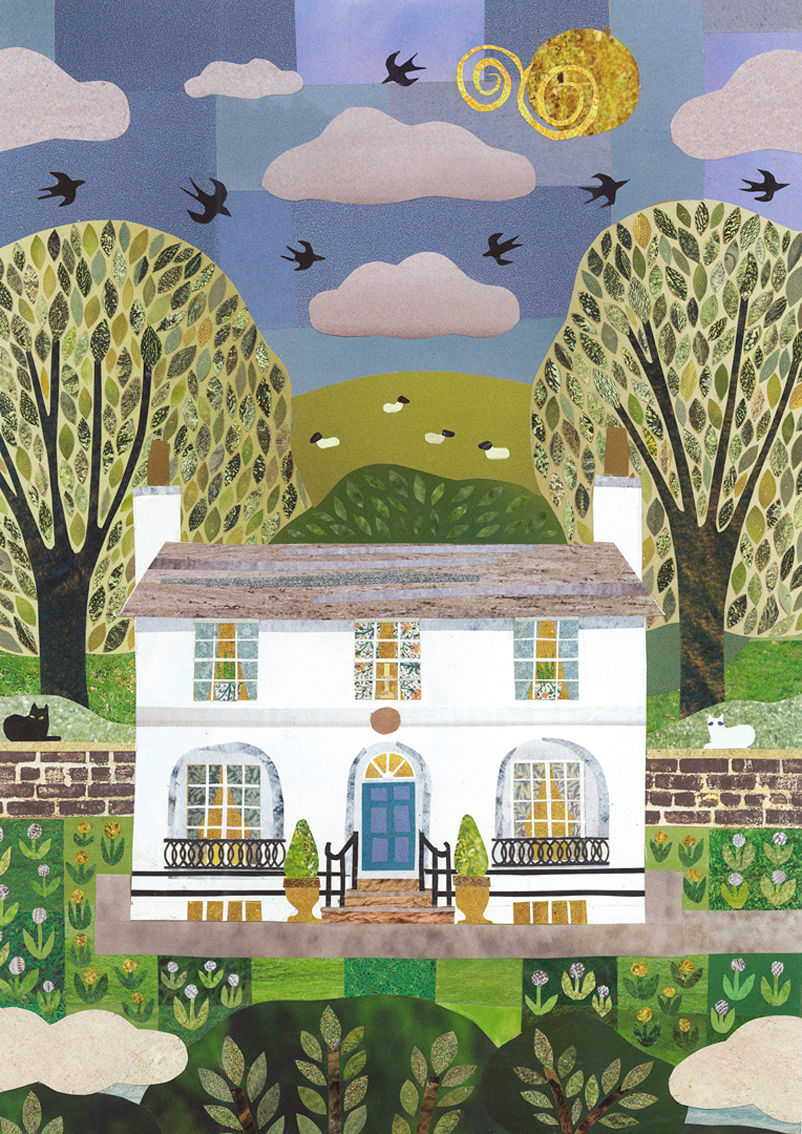
John Keats (one of England’s favourite Romantic poets) found inspiration in Hampstead, and his house on Keats Grove continues to draw visitors who want to step into the poet’s world. Originally built as a pair of houses, the poet resided in one half, and his friend Charles Brown (a literary critic) lived in the other.
Keats House gives us a close look at John’s life. Sharing not just his work but the calm beauty that shaped his writing. John’s illness from TB (caring for his seriously ill brother) meant that he died just 25.
Keats House is where John Keats wrote many of his best-known poems, including “Ode to a Nightingale” and “Ode on a Grecian Urn”. Living in this leafy part of Hampstead gave him space to think, write and recover from heartbreak and illness.
The setting helped shape his verse, and standing in the same rooms lets you sense the quiet that guided his words. The house itself is a well-preserved piece of late Georgian design, built in 1815. Its light-filled rooms, elegant fireplaces and pretty sash windows show off the style of the period.
The lovely gardens are perfect for a stroll, and it’s easy to imagine Keats wandering among the flowers as he searched for new ideas. The house’s simple charm helps connect visitors with the past in a direct, heartfelt way.
Who was poet John Keats?
John Keats was one of England’s most successful Romantic poets, but although he produced many masterpieces in six years, he died at the tragically young age of just 25. He trained as a surgeon before his poetry career, and until his death from TB, had published 54 poems and three novels.
TB was like a curse on his family (though it was more that nearly everyone back then died from the disease). He lost his parents and a brother to TB before dying of it himself. And even the surviving brother (who emigrated to North America, died of TB almost 20 years later).
What poems did Keats write?
If you’ve never heard of his name, you’ve likely heard of his poems. His most famous one was Ode to a Nightingale (now in the public domain): And here’s an except from ‘To Autumn’:
Where are the songs of spring? Ay, Where are they?
Think not of them, thou hast thy music too,
While barred clouds bloom the soft-dying day,
And touch the stubble-plains with rosy hue;
Then in a wailful choir the small gnats mourn
Among the river sallows, borne aloft
Or sinking as the light wind lives or dies;
And full-grown lambs loud bleat from hilly bourn;
Hedge-crickets sing; and now with treble soft
The red-breast whistles from a garden-croft;
And gathering swallows twitter in the skies.