Oxfordshire (an ancient city, Thames walks, Morse!)
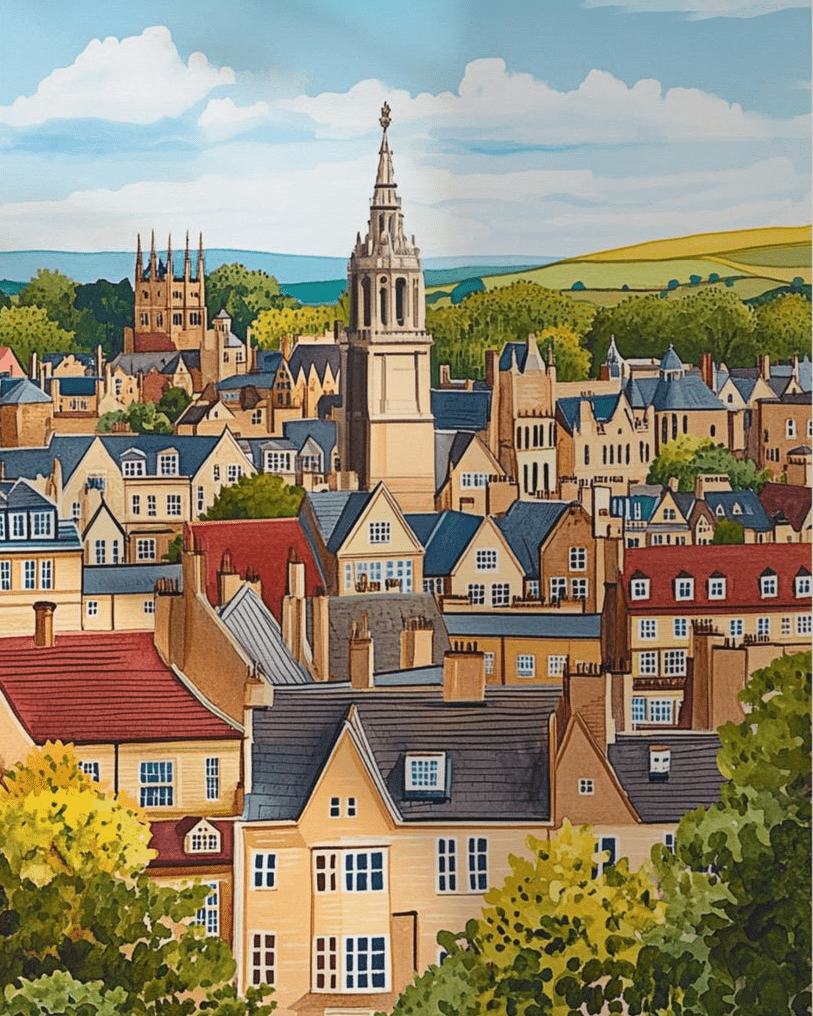
Oxfordshire is a fairly large affluent county, home to part of the Chiltern hills, the Thames path and more ancient buildings than anywhere.
It’s thought that Hitler did not bomb Oxford, as he admired the architecture and intellectual history, and wanted to make it his capital, if he had won the Second World War (he apparently liked the area around Blenheim Palace, which is where Winston Churchill had grown up).
Others say it was simply due to Oxford lacking industrial or heavy military targets. Some even say it was a ‘gentleman’s agreement’ for sparing German counterparts.
Always follow the Countryside Code to keep all creatures safe. Keep dogs away from steep banks, mushrooms (and toxic plants/trees) and on leads near birds, barnyard friends and wild ponies.
The Ancient University City of Oxford
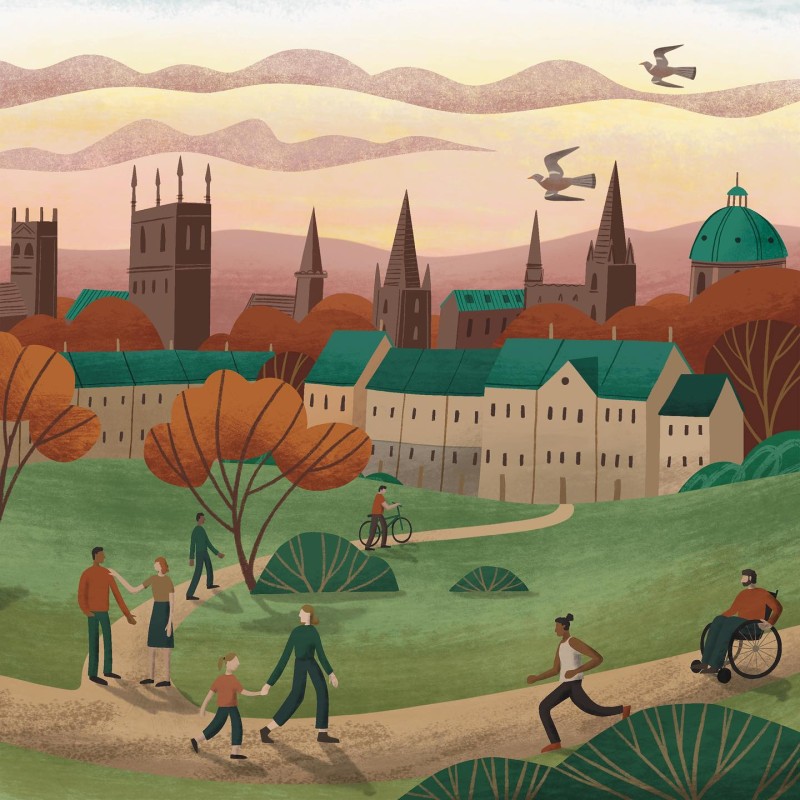
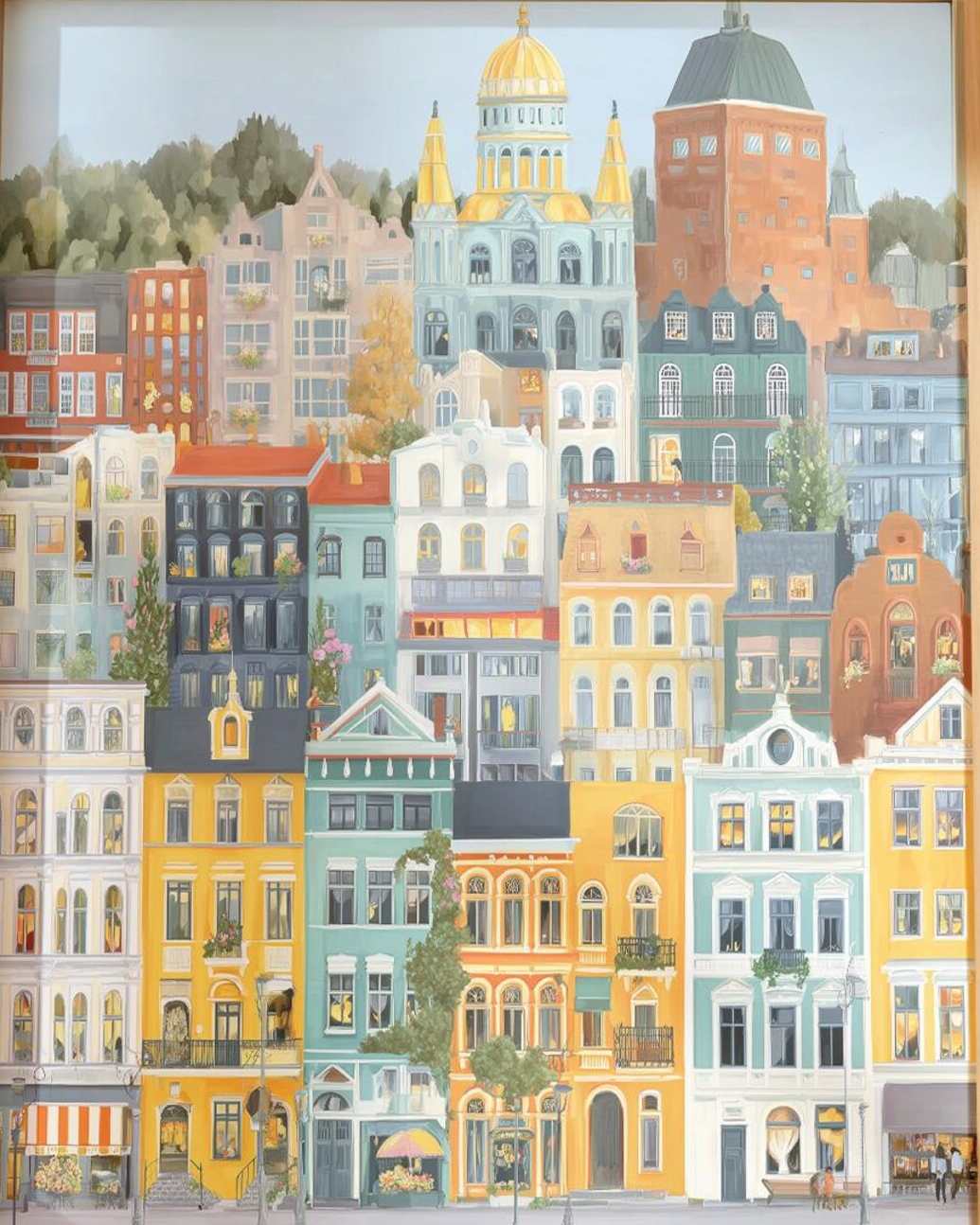
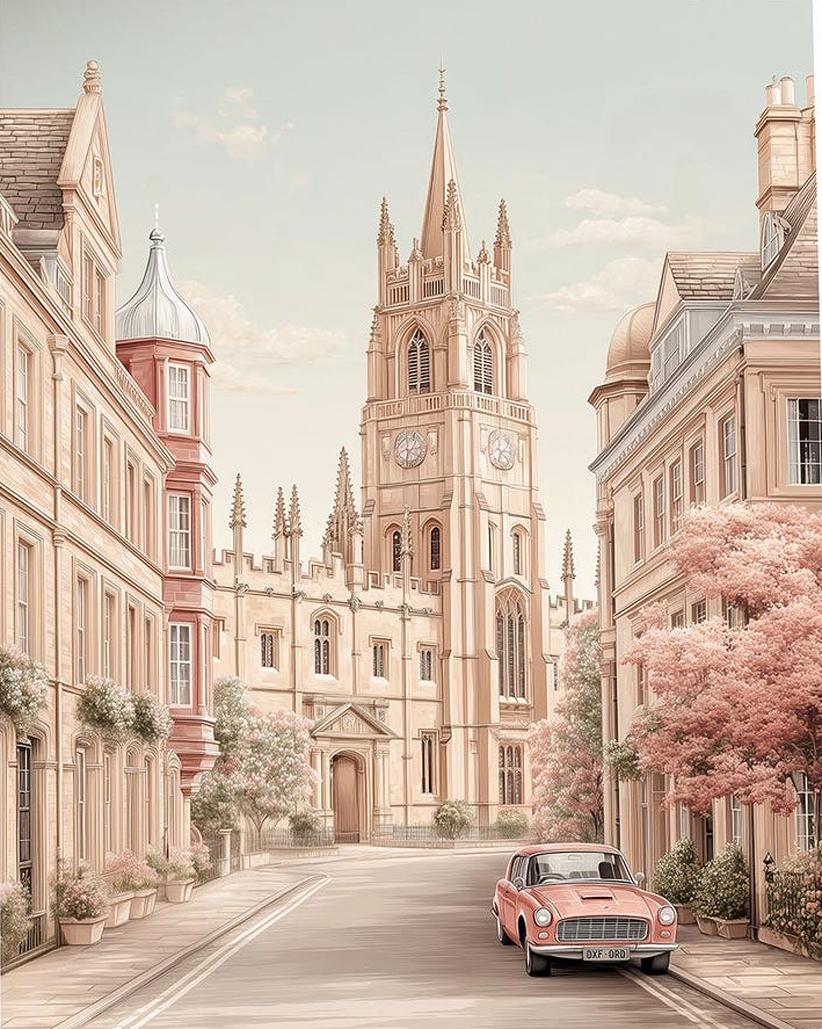
Founded in the 12 century, Oxford is the oldest university in the English-speaking world (a few worldwide are older, including Bologna and one in Morocco). The skyline of this city is known for its honey-coloured spires and domes, with the Radcliffe Camera (a library) one of the most photographed and painted buildings.
We also have to be careful here to avoid ‘education snobbery’. A well-qualified plumber who goes to a technical college, it could be argued is more useful than someone studying media studies at a top university!
VERO (Oxford boffins against animal research)
One of the hidden horrors of England is the amount of innocent animals that are tortured in the name of ‘medical research’ still, despite there being plenty of alternatives.
Most of us giving the emotional arguments are ignored. But VERO is a group of Oxford boffins, who give the scientific arguments to switch research and donations to humane medical research. Much of which could be carried out at Oxford university, which presently uses animals (as does even the Open University).
The highest percentage of published authors
More published writers have graduated from the city of Oxford than anywhere else on earth. Those in history have included C S Lewis (The Chronicles of Narnia), J.R.R. Tolkien (Lord of the Rings), Oscar Wilde (The Importance of Being Earnest), Paul Kingsnorth (Against the Machine), Graham Greene (Brighton Rock) and the poet Percy Bysshe Shelley.
Many actors also graduated from Oxford including Rosamund Pike, Hugh Grant, Hugh Dancy, Michael Palin, Sally Phillips, Dudley Moore and Claire Foy (who played Queen Elizabeth II in The Crown).
Independent Oxford (championing local business)
Independent Oxford is a local organisation that champions independent shops and businesses, via online listings and an app for those who prefer to shop at them. The directory shows that there is nearly always an independent alternative to choose, over big chains and supermarkets.
Run an indie shop? Many seeds, flowers, plants (and plantable cards) are toxic to pets, so learn what not to sell to households with pets.
Local independent shops can apply for membership. This costs around £20 per month (plus a £50 set-up fee) and includes a directly listing to reach 20,000 monthly readers, unlimited event listings, invitations to attend regular meet-ups and a members-only newsletter to hear the latest community news.
Why support indie shops in Oxford?
For a start, to help shops in Oxford, instead of chain stores and supermarkets. For every £5 or £10 you spend each week at an independent shop, this brings collectively billions back into the local economy over a year.
This is because local businesses use local suppliers, pay local taxes, use local signwriters, and tend to eat and drink locally too. Plus ‘top profits’ go the retail shop owner, rather out-of-county to shareholders and companies abroad.
The Lasting Appeal of Chief Inspector Morse
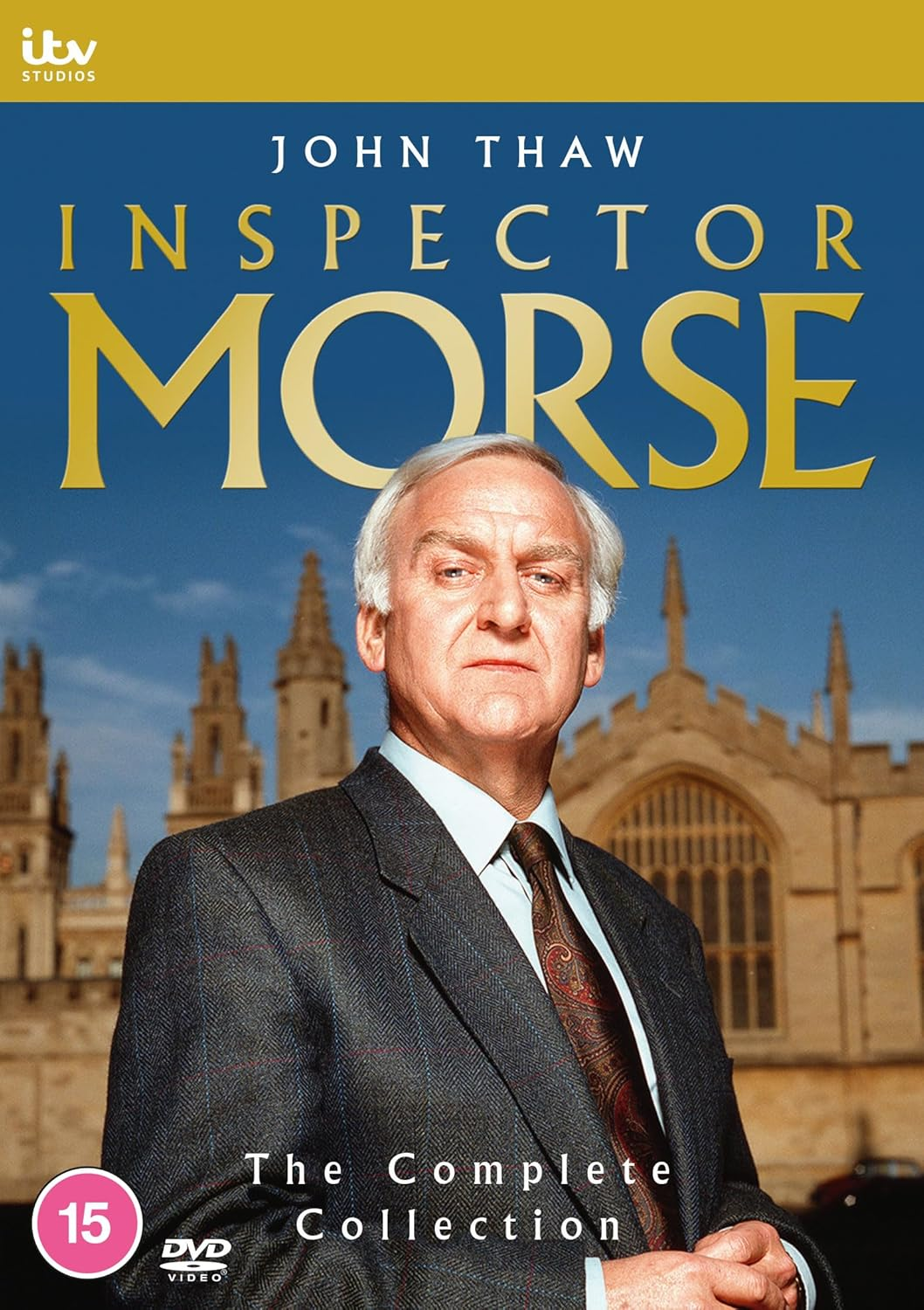
Inspector Endeavour Morse, created by novelist Colin Dexter (who like Alfred Hitchcock, always made a silent cameo appearance in each episode), was an Oxford-based fictional detective, known for his intelligence and quirks.
Morse stands out from most detectives because he often lets his emotions guide him. Born into a Quaker family (hence his hidden first name – Quakers often call children after aspirations – Hope, Faith, Charity etc), he became the most popular TV detective in the 1990s.
He loves opera, enjoys crossword puzzles, and rarely shares much about his past. These layers give him depth and make him hard to pin down, adding to his appeal. He never marries, but is a hopeless romantic.
The Inspector Morse TV series first aired on ITV in 1987, running for thirty-three episodes until 2000. John Thaw played Morse, capturing the detective’s mix of prickliness and humanity.
Handsome John Thaw looked older than he was due to his white hair (he was 44 when filming began, and only 60 when he died).
When the series ended, John refused the offer of the famed red Jaguar, saying ‘it was too slow and terrible to drive!’
Shows like these, prove that kindness sells (think of Sir David Attenborough’s shows). Real talent and personality – means bullying, nastiness, ghosting and gossip are never needed, to entertain.
Once upon a time, we solved crime with a brain and a notebook. These days it’s pie charts and a notebook. The romance is gone. Chief Inspector Morse
The Oxford-Cambridge Boat Race (its history)
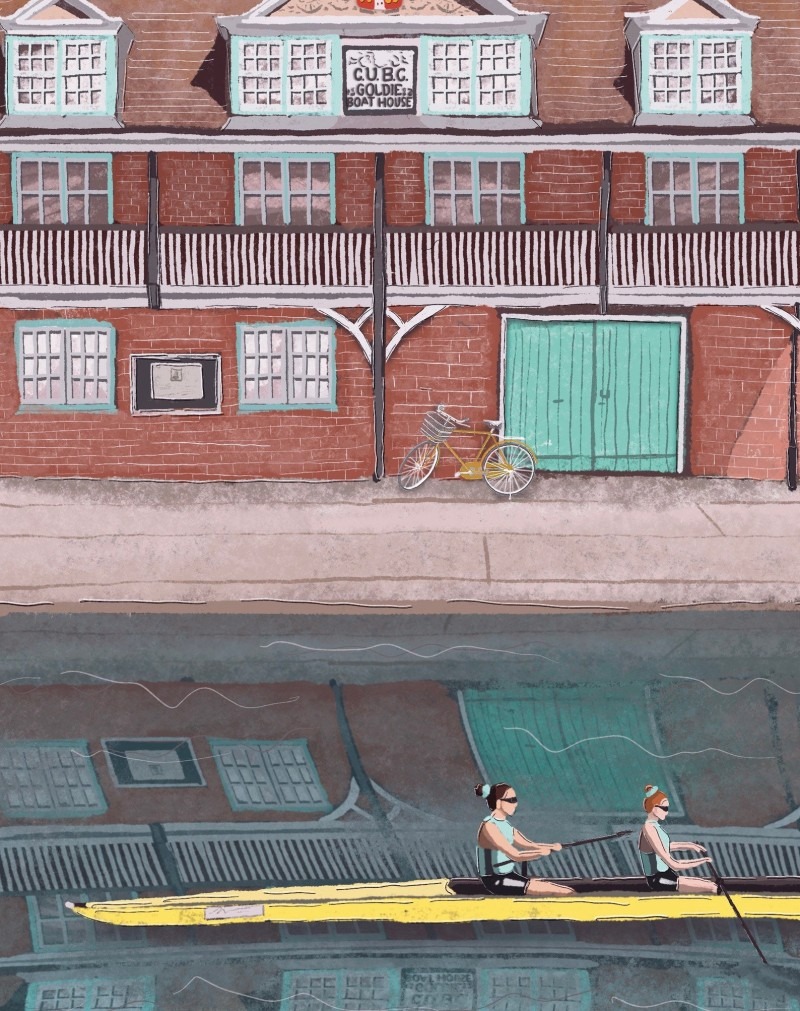
The Oxford and Cambridge Boat Race began in 1829, covering a 4.2 mile stretch of the Thames, from Putney and Mortlake in London. Each boat has 8 rowers and a coxswain, who steers the boat and sets the race plan.
Over the years, there have been dead heats. In 1877, the only only dead heat occurred (there were rumours however that the judge had fallen asleep!) As of today, Cambridge leads the winnings for both the men’s and women’s races.
One former rower was Hugh Laurie, in the race when his team (Cambridge) lost, after clashing oars! Other well-known people who have participated are TV presenter Dan Snow (for Oxford, now an ambassador for electoral reform).
And James Cracknell (for Cambridge). He suffered severe injuries in a cycling accident, but later recovered and age 46, became the oldest person to help win his team’s boat race in 2019.
How many times have boats sunk?
In 1912 (strangely the same year the Titanic also sank) , both boats sank as they filled with water during poor weather. In 1978, Cambridge’s boat sank and again in 1984 (after hitting a barge before the race had even started).
Blackwell’s is an online bookstore too, but has a proper shop in Oxford, even bigger than Powell’s (a well-known independent bookstore in Portland, Oregon). Unlike Amazon, it does not sell other goods (like fur) and even rents textbooks to students, so they don’t have to pay a fortune to buy them.
Although this was the gold standard of recent times, recently there has been criticism, as some new words (silly ones) have been added, while more important ones have been lost).
Read The Lost Words, a stunning illustrated guide to the lost words of nature (acorn, otter, bramble). It’s really for children, but a reminder that these words are more important than recent Oxford dictionary words like ‘doomscrolling’ and ‘Tiktoker’.