Nature and Wildlife Magazines (some good choices)
The magazine industry in England is huge, with newsagents, petrol stations, supermarkets and online subscriptions making millions from basically selling a load of tosh, often with false advice, women-hating media and more ads than copy.
Read about Chickpea magazine, a wonderful ad-free recipe magazine (with no ads!)
Some magazines cost more than a good book! So here a few nice alternatives to subscribe to, if you like your magazines. And remember whether you switch or not, to go through your direct debits, to make sure you are not still subscribed to magazines you forgot about (and may be going to an old address!)
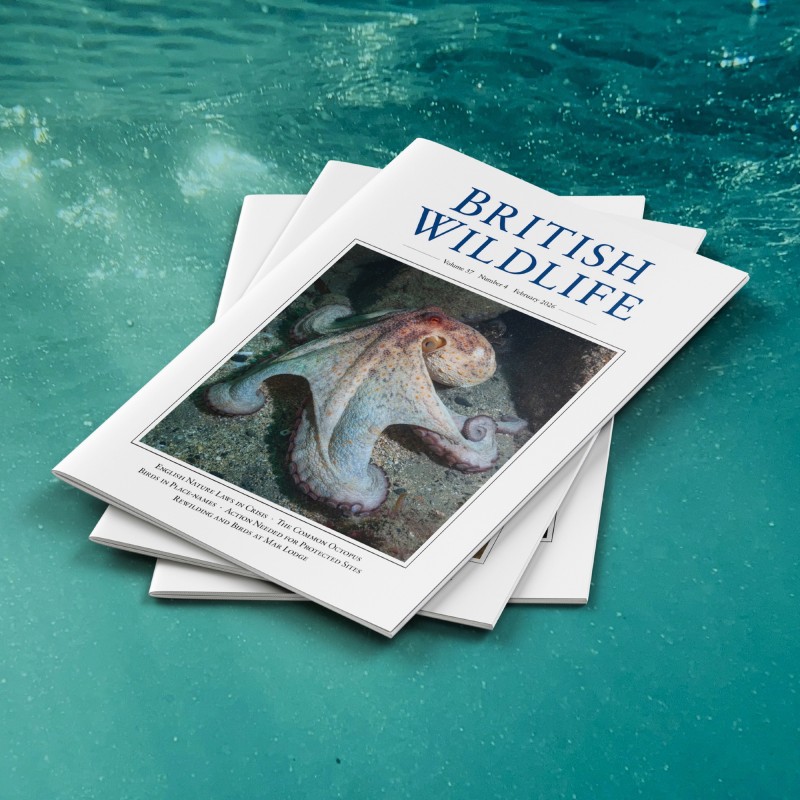
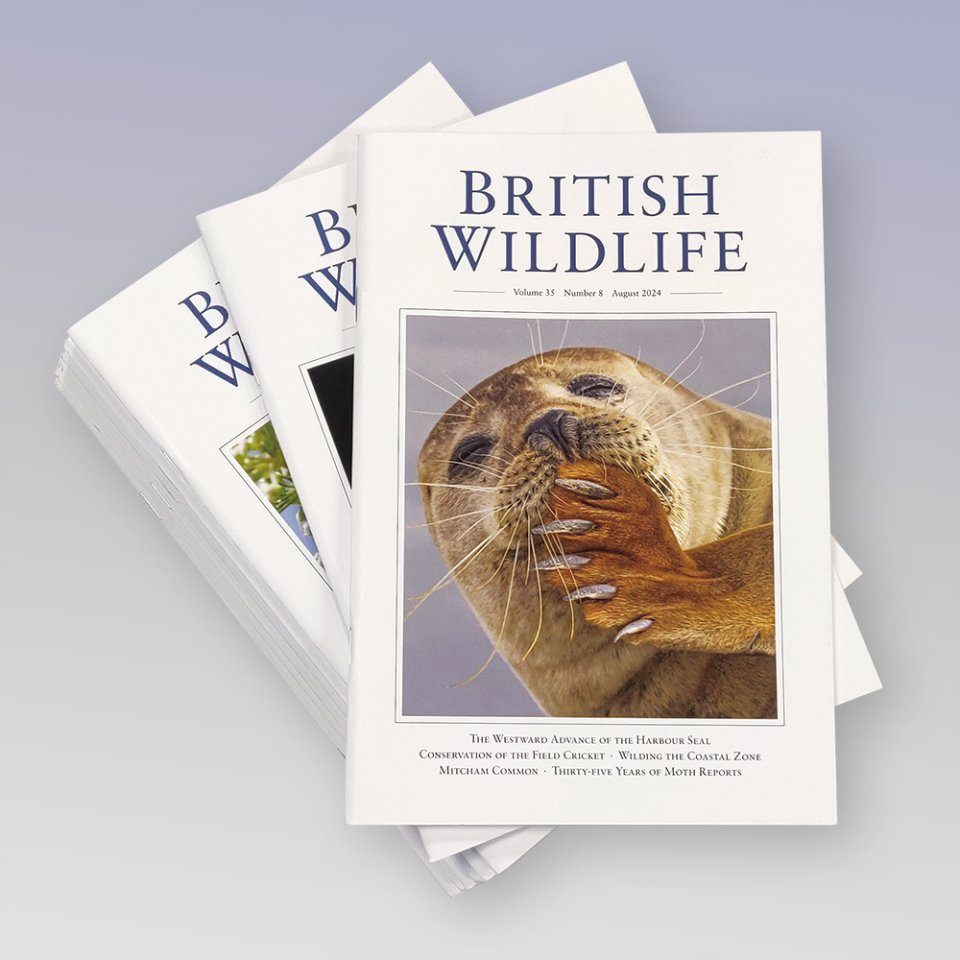
British Wildlife (84 pages of interesting articles)

British Wildlife is published 8 times yearly, each issue has 84 pages of interesting articles from experts in their fields. Packed with illustrations, this is only available on subscription (including digital).
Sample articles are:
- Fifty years of bat protection
- Pine martens in the New Forest
- An introduction to pot beetles
- The Wildlife of London churchyards
- Conservation of the Basking Shark
- Southwest conservation of lichens
- The early lives of red deer
- Identifying British ladybirds
- Restoring mountain woodland in The Cairngorms
- Humpback whale sightings in England
Resurgence & Ecologist (a magazine on sustainability)

Resurgence & Ecologist Magazine is a beautiful publication that has been edited for over 30 years on a Devon kitchen table by its founder, ecological writer and former Jain monk Satish Kumar.
It offers environmental essays, poetry, art and veggie recipes (you can download a free copy). And join local meet-ups to discuss each bi-monthly issue (download a free info pack). Or join the Resurgence Trust for access to print or digital copies.
Read our posts on pet-safe gardens and wildlife-friendly gardens (use no-dig gardening). Also read how to stop birds flying into windows.
Sample articles are:
- Bees: A guide for the curious
- The return of the red kite
- An excerpt from Polly Atkins’ book The Company of Owls
- Learning about wolves in Canada
- The case against AI digital technology
- Celebrating passions for trees & folk songs
- Meeting young fashion designers in Helsinki
- How to process feelings about climate change
- Caroline Lucas reviews a book on climate change
Bloom (an online nature and gardening magazine)
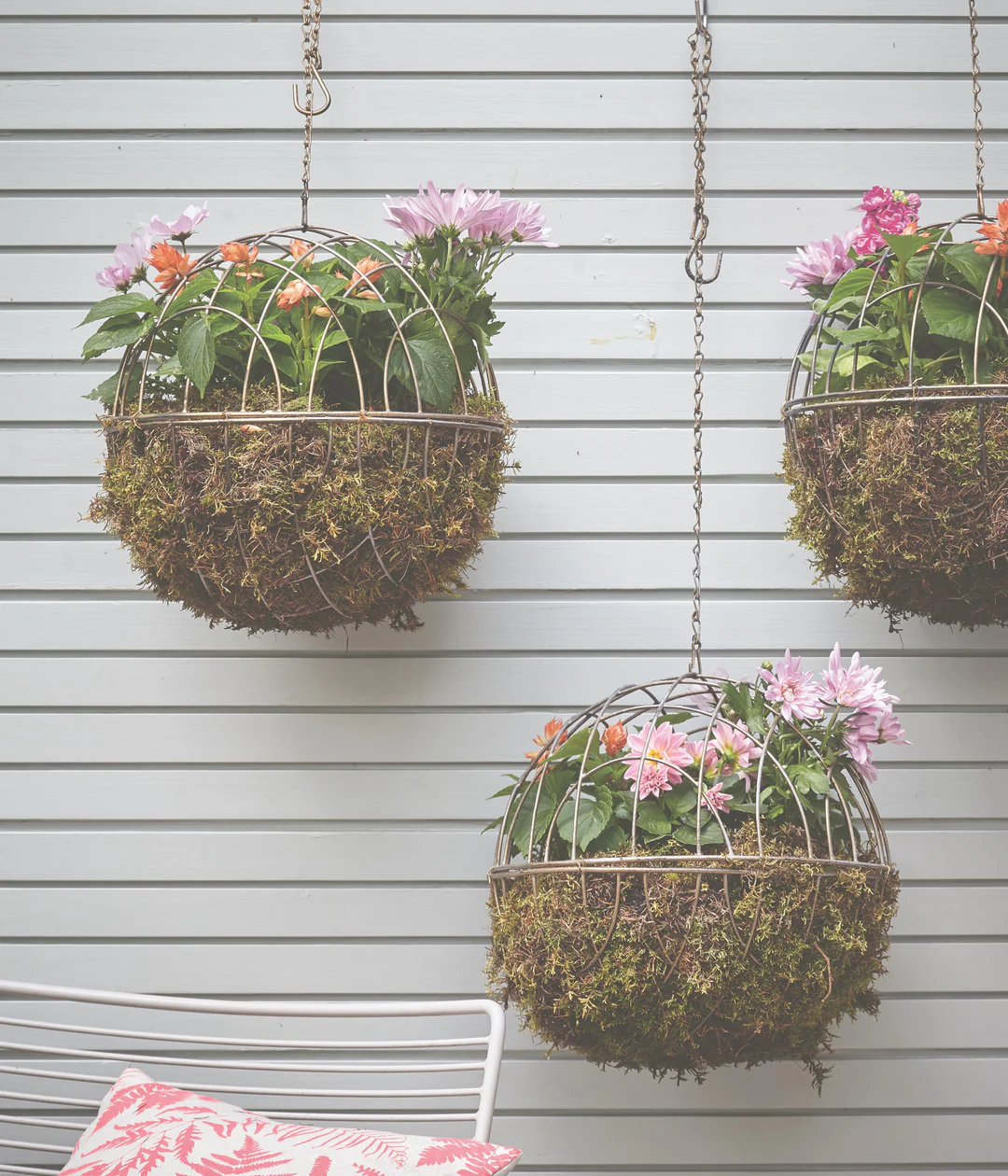
Bloom was a print magazine on nature and gardening. Due to high printing costs (it used green energy and vegetable inks), it has now decided to be just online, but it’s still just as beautiful. From rescuing sick plants to litter clean-ups.
Example articles are:
- How to save rainwater in gardens
- How to start a cut flower patch
- Designing a container garden
- Designing a nature-led garden
- Creating an ecological edible garden
- How to save sick houseplants
What are England’s best-selling magazines?
There are quite a few including Good Housekeeping, Hello (for celebrity and monarchy addicts), Vogue (packed with ads and skinny models), What Car? BBC Good Food and all the lunch-time ones like Take a Break.
However, despite it appearing they are all successful, most are not. Most are owned by huge organisations that cover the costs of low-selling ones with top-selling ones. Due to the high cost of printing, sales of print magazines have plunged in recent years, especially with the rise of smartphones and falling ad revenues.
Some of the most popular magazines like Cosmopolitan and Heat have seen readership plummeted. Some ‘lads’ mags’ have gone bust, as people increasingly refuse to read disgusting remarks about women, and as the others plonk more ads in magazines, people buy less as there is nothing of worth to read.
Many people have also backlashed against plastic-wrapped packaging (one woman wants the law changed, after a magazine sent a sellotaped-chocolate-bar on the cover to her house when she was out), which resulted in a trip to the vet with her dog.
Plus people are increasingly becoming more discerning in what they read. Many people ditched gossip magazines, after the suicide of TV presenter Caroline Flack, who was lambasted in the media (she was apparently was a very kind empathic person herself).
There is now low trust in public media. Many people now read Hello! and wonder why Prince William only pays voluntary taxes, rather than fawn over the expensive glossy spreads.
Many newspapers are also in steep decline, of course many of them also offer lots of glossy supplements on weekends. Apart from The Daily Mail (its Saturday supplement is popular), most of the others are in financial trouble. Which is why now they are trying to create paywalls for people reading online.
No UK regional daily newspaper now has a print circulation of over 20,000 (most sell less than 5000 copies a day).