Wild Pavements (exploring plants and wildlife)
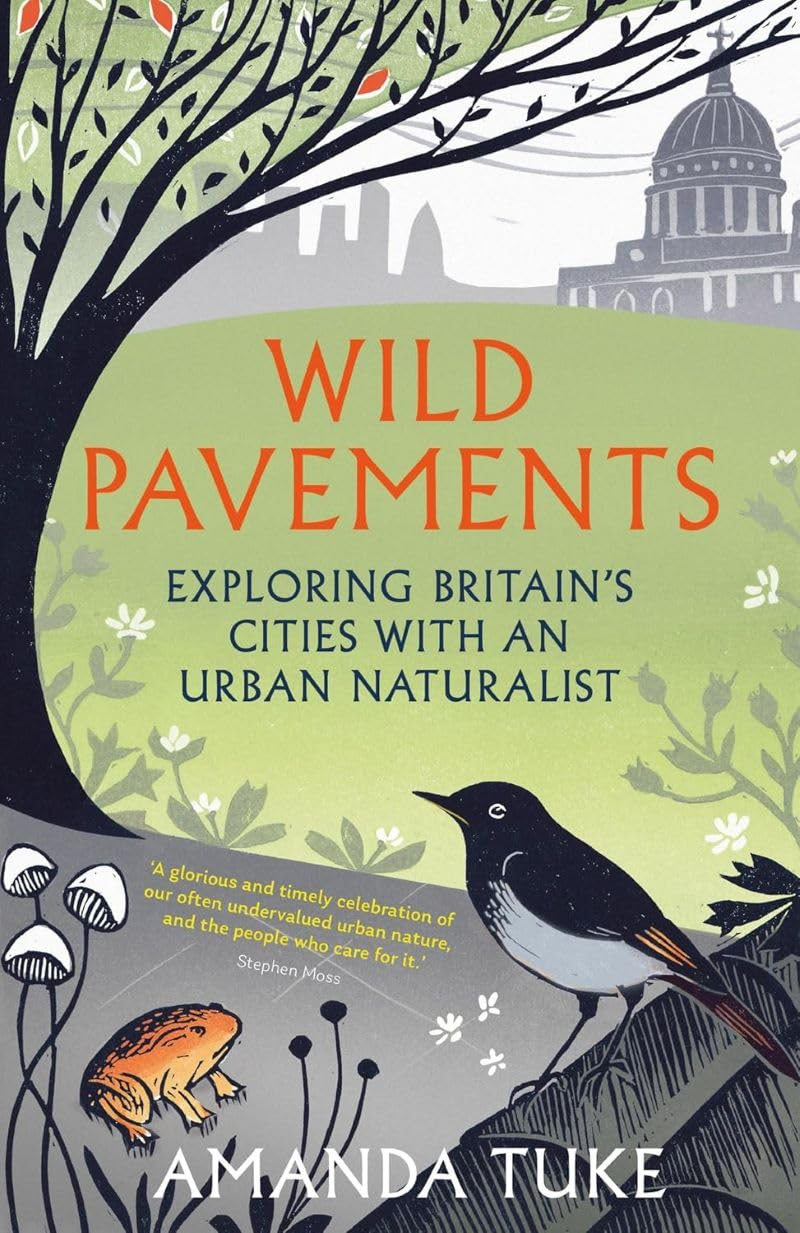
Wild Pavements is a unique book, where a naturalist shares her delight on the overlooked and under-appreciated wildlife in England’s cities. She also meets people who care for urban wildlife, and explores what current thinking on ecology and conservation means for the future of urban nature.
Join Amanda as she explores London (from the city to the suburbs) and also visits Liverpool and Sheffield. And ventures over the border to Edinburgh, Aberdeen, Cardiff and Belfast. Exploring the diversity of urban nature.
From wild bees living in canal banks to black redstarts nesting in London’s Oxford Street, she also finds rare plants in pavement cracks and even fish struggling to survive in trolley-filled urban rivers. Noticing the wild world around you, may just change the way you think about our cities for good.
Learn how to help your local wildlife rescue.
Amanda Tuke is a writer and ‘urban nature champion’ based in the wilds of suburban South London. She has written for BBC Countryfile, British Wildlife, Resurgence & Ecologist and RSPB magazines.
How to help urban city wildlife
- Make roads safer for wildlife.
- Pigeon Rescue (pick up and hair/string to avoid tangling feet)
- Give seagulls back their seaside homes.
- Help wild foxes. Learn how to protect chickens from predators (same advice for rabbits and guinea pigs – foxes can survive on other foods from fruit to earthworms).
- Read how to how to help your wildlife rescue
- Report wildlife crime to Crimestoppers (anonymous)
Wildlife-friendly urban gardens
- Only cut and prune vegetation from September to February, outside of breeding periods (to help nesting birds).
- Provide wildlife-friendly gardens and ponds (for amphibians)
- Safe havens for garden birds (what not to feed birds and how to buy, site and clean feeders/houses and bird baths – keep cats indoors at dusk/dawn when birds are feeding – avoid ‘climbable’ poles)).
- Stop bird strike (switch off unused lights, avoid facing indoor foliage to gardens and place feeders less than 1.5 feet or more than 10 feet away).
If you share your home with animal friends, learn about pet-friendly gardens and use nontoxic humane slug and snail deterrents.
Living with Urban Wildlife is a book by the late John Bryant, who was England’s best expert on humane wildlife deterrence. He gives practical advice on how to humanely deter squirrels, pigeons and moles, without causing distress.