England’s Art Deco Architecture (a history)

Many of England’s beautiful Art Deco buildings have gone. Yet thankfully Cambridge City Council recently refused planning permission to demolish an Art Deco building, to make way for shops, offices and ‘community space’. However it’s been empty since 2009 (it was a bingo hall) despite being built in 1921.
One of England’s most famed Art Deco buildings is De La Warr Pavilion in Bexhill-On-Sea. This Grade 1 listed building was built in the 1930s, to encourage people to holiday in the Sussex seaside resort.
Art Deco Britain is the ultimate guide to this popular form of architecture that was popular in the 1920s and 1930s. Adopted by British architects after surging across the world, this book (by an architecture historian) brings clarity and enthusiasm, as she explores remaining buildings.
The book covers:
- Houses & Flats
- Churches & Public Buildings
- Offices
- Hotels & Public Houses
- Cinemas, Theatres & Concert Halls
And explores many of our best-loved Art Deco buildings including:
- Midland Hotel (Morecambe)
- Eltham Palace
- Broadcasting House
- Carreras Cigarette Factory, London
Burgh Island Hotel, South Devon

Burgh Island (just off the Devon coast) is a tidal causeway where people can take a sea tractor to the hotel, which is build in the Art Deco style. Agatha Christie used to write there, and it’s often featured in period dramas.
Floridians preserve their Art Deco buildings
The city of Miami is known for its colourful Art Deco buildings (the Florida town of Seaside is also influenced by Art Deco, proving that new buildings can still be built in this style).
The History of Art Deco Architecture
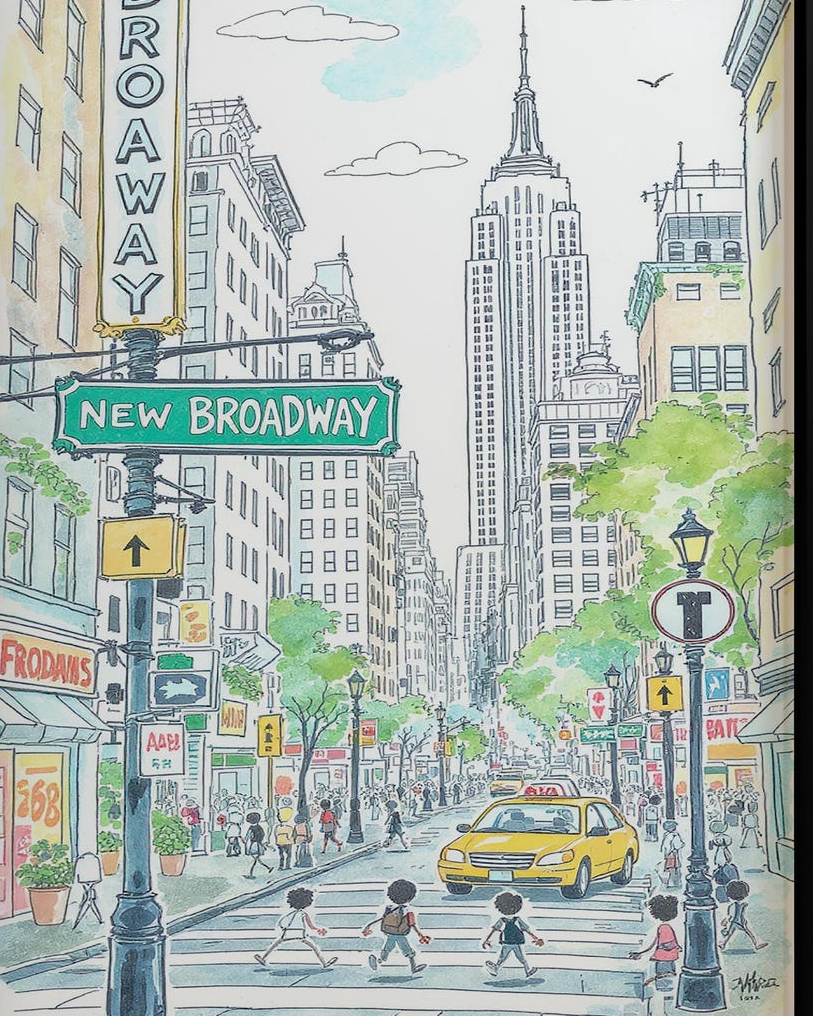
Art Deco is a style of architecture that began in 1920s France, using bold geometric shapes after the end of the first world war. Motifs like sunbursts showed the happiness that finally there was peace.
The term is short for Arts Décoratifs, a phrase invented in 1925, for the architecture that flourished during the ‘roaring twenties’, with influences from Egypt, Africa and Mexico’s Mayan and Aztec cultures.
Unfortunately the style back then did use ivory (from elephants) but thankfully the trade is now illegal, even for second-hand sales.
A well-known example of an Art Deco building is New York’s Empire State Building. In 1950s America, many jukeboxes were even designed in this style.
The sad story of Evelyn McHale
In 1947, a beautiful young American bookkeeper jumped to her death from the 86th-floor observation deck of the Empire Estate Building. Showing no signs of depression (even to her college student fiancé, there was however a suicide note in her pocketbook that she left next to her neatly folded cloth coat on the deck wall. It read:
I don’t want anyone in or out of my family to see any part of me. Could you destroy my body by cremation. My fiancé asked me to marry him in June. I don’t think I would make a good wife for anybody. He is much better off without me. Tell my father, I have too many of my mother’s tendencies (depression).
Yet despite her body being cremated, that was not before her dead body was photographed all over the world, and even used on album covers for decades after. Her fiancé Barry Rhodes became an engineer, and never married, dying in Florida in 2007 aged 86.