The (surprisingly sandy) Beaches of Tyneside
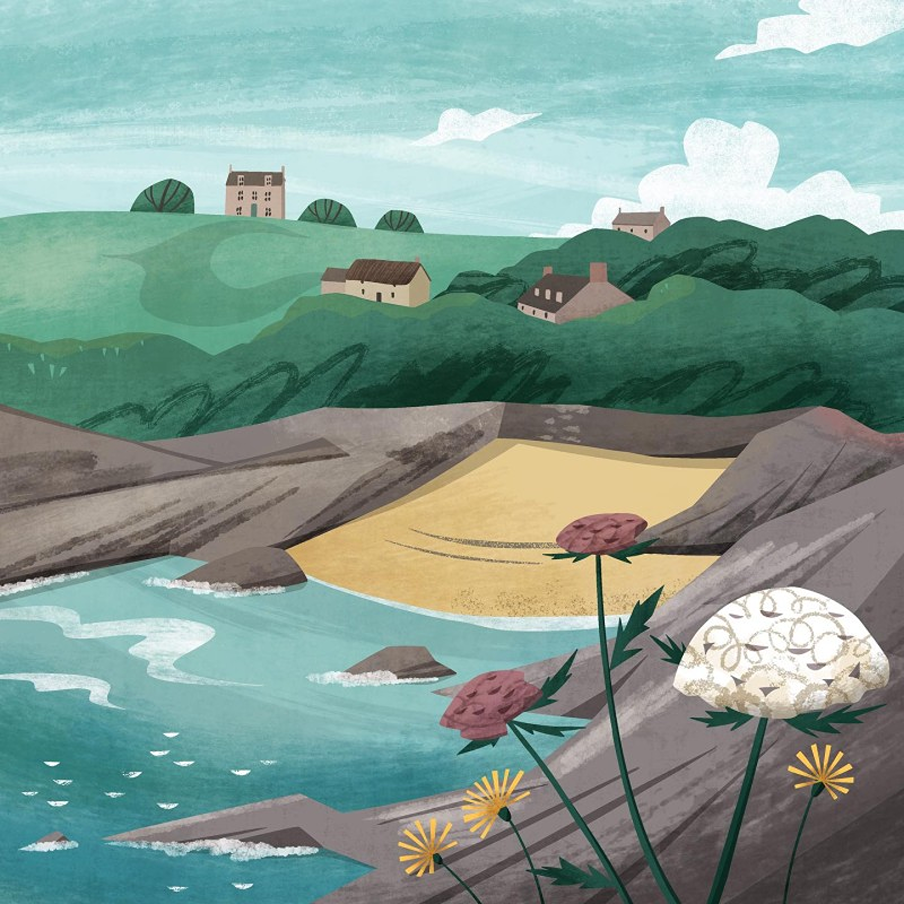
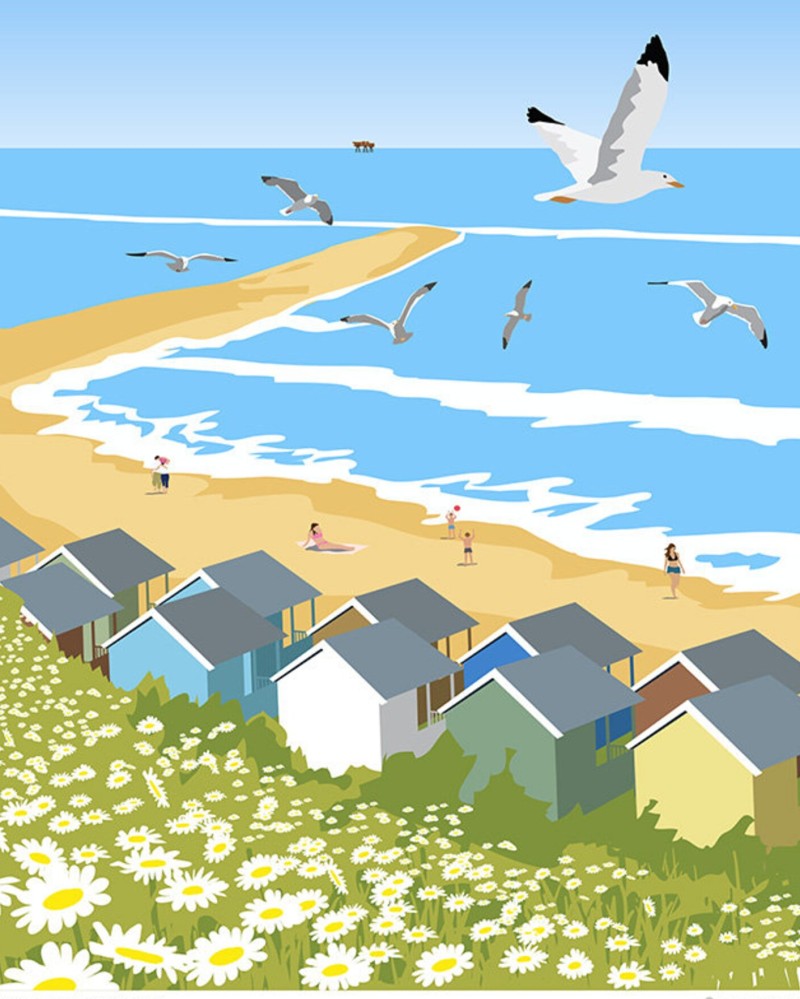
You don’t think of sandy beaches, when someone mentions Tyneside. But Tynemouth’s Longsands Beach is popular, stretching from St Mary’s Lighthouse to the north (reached by a causeway at low tide) and the piers at the Tyne’s mouth, to the south. The nearby village has indie shops, bakeries, and old pubs for a warm-up, after a windy walk.
If at the coast, read our post on keeping dogs safe by the seaside.
The beaches of Roker and Seaburn are split by a headland, each has its own charm. You can stroll along the revived promenade. Roker Pier lighthouse offers great views, and the Marine Walk is perfect for sunset.
Painter LS Lowry spent his holidays at Seaburn. He holds the record for rejecting honours (five times, including a knighthood). Devoted to his mum, he explained ‘There seemed little point, once Mother was dead’.
The Cities and Towns of Tyneside
- Newcastle is linked by several bridges to Gateshead. Originally a Roman fort (2000 years ago), the old castle gave the city its name, and it later became prosperous, due to coal mining and ship building.
- Gateshead is just south of the River Tyne. Both places are looked over by the infamous ‘Angel of the North’, which most people say looks like a Nazi propaganda statue (known locally as ‘the Gateshead flasher!’) On a serious note, critics are concerned about road safety.
- Sunderland sits on the North Sea, and again has a rich ship-building history. It has its own patron saint (Benedict Biscop founded a local monastery; the ruins now a Grade 1 listed building).
The Sunderland Empire Theatre is where Carry On actor Sid James died of a heart attack in 1976. Les Dawson refused to play there again, after saying he saw Sid’s ghost in his dressing room?