No Car, No Problem: The Best Transit Cities Abroad
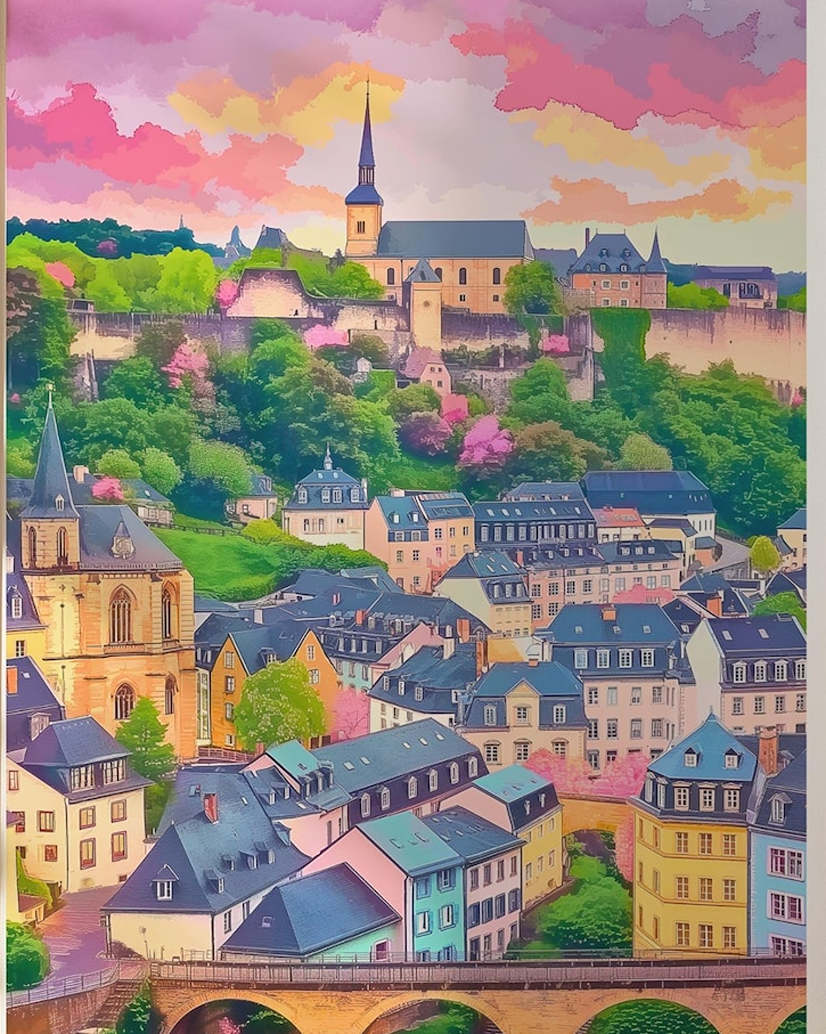
While in England, councils, town planners and transport officials fight it out over how much to charge people to use the bus and train, in Luxembourg, it has become the first country in the world to offer free public transport (like us, it’s a country with high car ownership).
People (and their pets) can travel for free on all buses, trains and trams, an idea designed to discourage unnecessary car use and reduce traffic congestion and road repairs.
All travel is ticketless (first-class travel still requires a paid ticket, which helps to fund the service). People travelling over the border have to buy tickets from when they leave Luxembourg. And users must show valid ID to conductors, if requested (although the service is free to non-residents and people of any nationality).
In Luxembourg, the National Roads Authority runs overnight checks, to ensure roads are in good order (then staff are paid overtime to mend potholes at night).
One of the world’s smallest (you can drive across it in less than an hour) and richest countries, it’s sandwiched between France, Belgium and Germany in western Europe. Most people speak Luxembourgish, German and French:
Tipptopp (Luxembourgish for ‘excellent or great!’
Know for its castles and wine, let’s hope Trump doesn’t want it, as it’s national motto is Mir wëlle bleiwe wat mir sinn.
This is also one of the world’s safest countries. There are only three jails – and the cells are mostly empty.
Belgium (also a densely populated country)
Many people travel in cities by tram, a form of transport that is used in many busy cities abroad (like Lisbon and San Francisco) yet here in England we still have a fairly archaic bus system, when trams would likely be much better in busier places to get around.
A ‘Bob’ is the slang term for a designated driver. Drink-driving laws are very strict in Belgium, so there’s always a Bob in the party, to drive everyone home, after a night out. Just one strong beer in Belgium can send you over the legal limit to drive.
In the car-free city of Ghent, town planners make it easy to walk or get public transport into the city centre, so drivers have to navigate ring roads if they wish to drive. In other words, it’s more of a hassle to drive there than to walk there, or take the bus.
At most times, the only cars allowed are emergency vehicles. And before 11am and after 6pm, streets are open to public transport, refuse collectors, doctors and taxis (plus electric and cargo bikes).
But during the day, it’s people and ambulances/fire engines/police cars only. People with bikes are also allowed, as long as they push their bikes by hand!
This city of around 100,000 people now has over 2 bikes per household, almost 20% less air pollution than other cities, hardly any traffic jams on outer roads (note to M25), far fewer traffic accidents and ‘the noisy opposition’ quietened down long ago!
In Bruges especially, nearly all shops close on Sundays, leaving local independent shop owners a much-deserved day off (supermarkets if open, close at 1pm).
Keeping Sundays Special is not just for religious reasons. But also helps indie shops to thrive, in a sea of supermarkets and chain stores. And also promotes a society that does not see shopping as the main activity of life!
Amsterdam – cycling friendly
We all know that Dutch people cycle everywhere, but their public transit is so much more than that. If you’ve ever visited the main train station at Amsterdam, you’ll know that it’s so well-connected that you can go nearly anywhere in northern or southern Europe within 4 hours or so, and the city itself is so walkable that people don’t really use cars.
Yet not so long ago, Amsterdam was gridlocked with road traffic. Good town planning means that now people walk everywhere or use bikes, and you can even cycle from town to town, without any hassle. In fact, there are so many bicycles, that the main issue here is bicycle theft!
Did you know tulips (like all bulbs) are unsafe near pets?
It helps that (like the other cycling-friendly nation of Denmark) The Netherlands is flat. But cycling is a daily way of life here. You will find cargo bikes too, with mothers cycling their children to school, or carrying groceries to and from stores. Everywhere has cycle lanes, and offices have cycle stations with showers, for commuters.
Around one third of trips in Amsterdam are by bike, which leads to less congestion and cleaner air, and healthier residents. Everything is integrated with public transport (so buses and trams take bikes) and there are cycle hire places everywhere, whether you want to cycle to a few streets away, or a longer journey.
To make a comparison with England. London has many cycle hire points, but you would find it extremely difficult to cycle to somewhere outside London (say Whitstable in Kent or the Surrey Hills). Once you leave London, town planning usually involves getting in a car to go on the M25.
But if our towns were designed like The Netherlands, you could likely find a safe cycling route to take you to the Kent coast, without any danger from road traffic. Obviously this would take more than one day (so you would stop off on the way at bed-and-breakfasts). But it could be done. You could literally safely cycle to Southend-on-Sea for your summer holiday!
Shifting Mindsets: From Cars to Bikes
The problem is that most town planners these days think of design from a car-centric point of view. Danish architect Jan Gehl (who transformed the gridlocked city of Copenhagen into the world’s most walkable place) says that town planners need to think of towns from ‘people level’.
As an example, say you live in a large town. A town planner will give permission to build out-of-town supermarkets or Amazon warehouses, to ‘create more jobs’. But if you don’t have a car, you can’t reach them. And if you do have a car, you are spending your life in traffic jams to get to and fro.
A city ‘designed for people’ means that you can walk or cycle everywhere. This then encourages local communities, independent shops and businesses, and less traffic and congestion.
This in turn creates better physical and mental health, which in turn saves the NHS money, as people are fitter, happier and there are less costs for building and maintaining roads, dealing with traffic accidents etc. It’s all common sense.
Keeping the present system of out-of-town living (while adding a few bikes to hire in the city centre) is like putting a sticking plaster over a volcano. In the grand scheme of things, it doesn’t really do much difference.
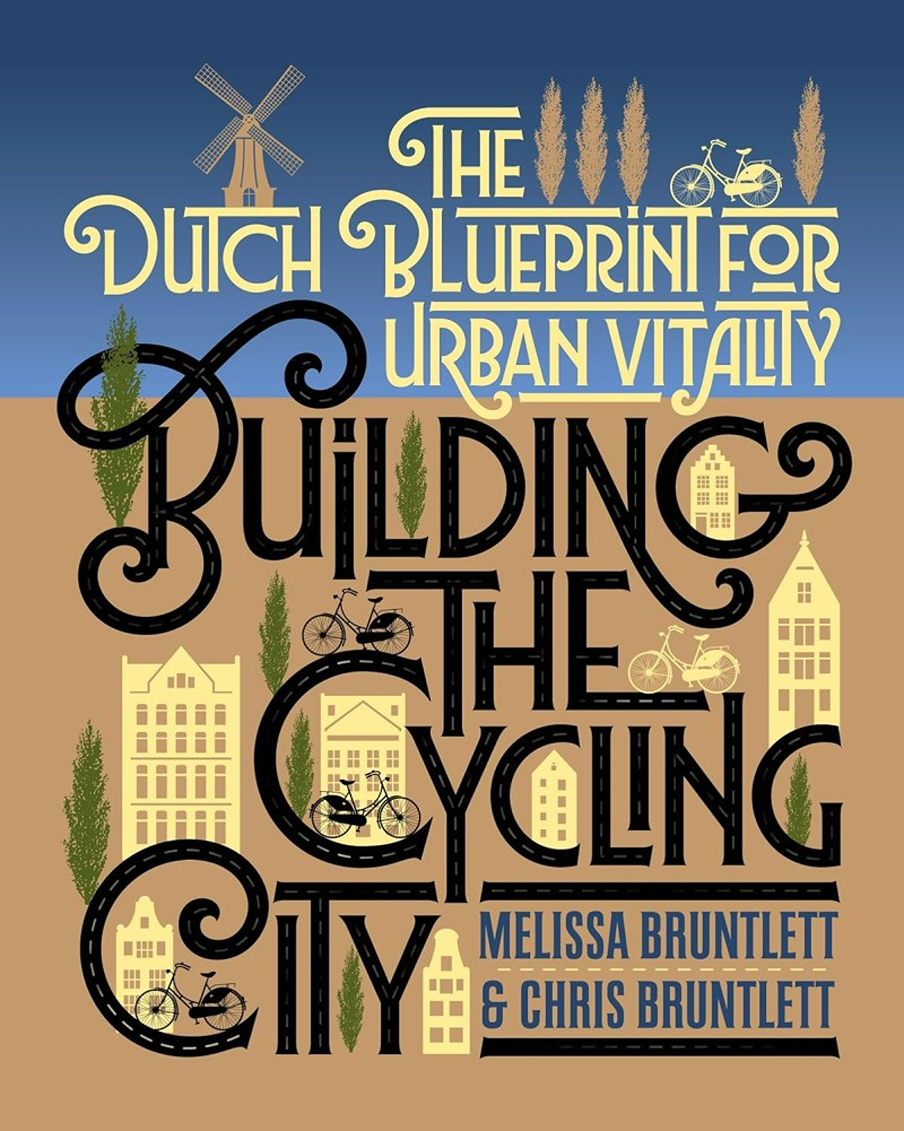
Read Building the Cycling City. This super book was penned by an American couple who lived in The Netherlands for years. Once they returned home, they now spend their professional life, teaching others what we can learn form how the Dutch design public transit.
In The Netherlands, public transit works a bit like Trimet (one of the world’s best public transit systems, in Portland, Oregon in the USA). There, the buses, trains and trams all work seamlessly together.
You can be out of the city and into the Pacific Northwest countryside in no time, and at a very affordable rate. Locals (especially seniors and disabled travellers) get free or low-cost transport.
All the stations have Braille signs for blind people. And there are even volunteers who will take vulnerable people on ‘dummy trips’ until they are happy to travel independently.
The Amsterdam City Card is a great idea, that we could use in English towns and cities. It’s designed not just to discourage road traffic, but to support local museums and art galleries. It’s basically one card that does everything! It saves money, encourages the use of public transport, and supports local tourism.
Tourists can buy just the one card and get access to:
- Free public transport (metro, tram, bus and ferry)
- Rent a bike for a full day
- Access to over 70 public museums
- Take a canal cruise
- Take the Night Bus
People can rent a card for a day or 5 days (either online or at Amsterdam Central Station).