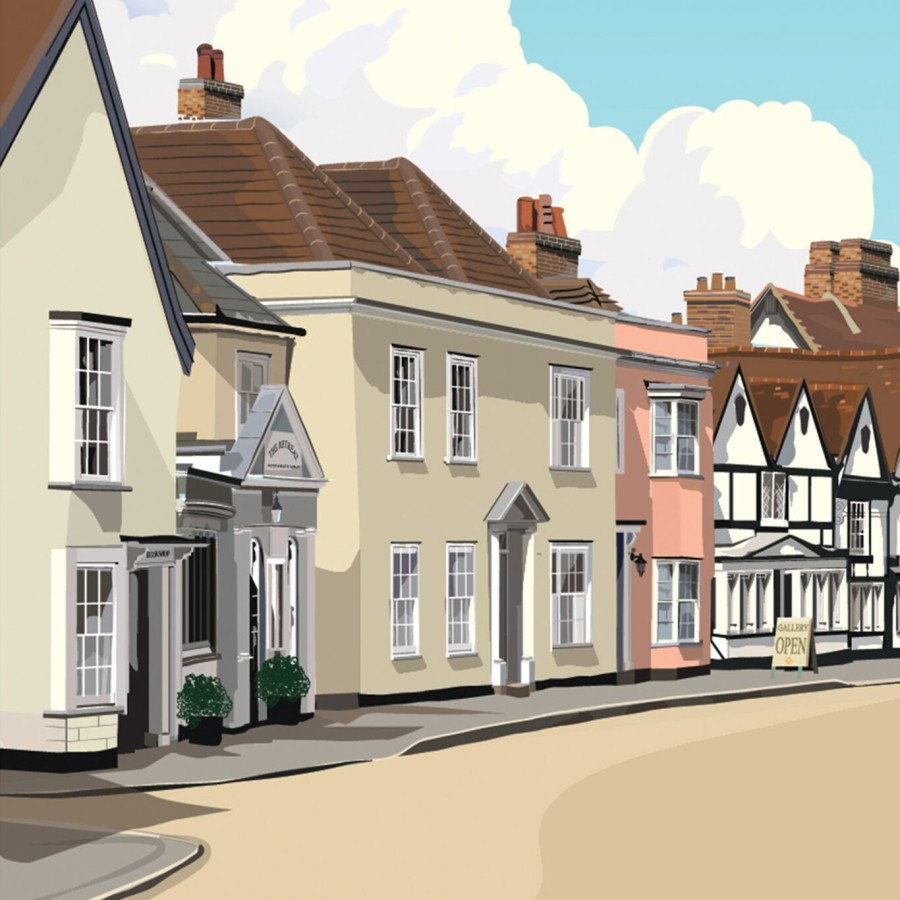
Bristol: Clifton Village, Leafy Streets and Georgian Terraces

Bristol is a maritime in southwest England, just 13 miles or so from Bath, which you can reach via a traffic-free old railway path. This is a vibrant place with many independent shops and a green vegan vibe. Yet you’re not too far from rolling countryside, and quite near to the Welsh border.
If out walking, follow the Countryside Code to keep all creatures safe.
Not far from Wales, this is a friendly and independent city, and a little bit quirky too! With a rich maritime history where ships and trade shaped its wealth, the old docks now frame waterside paths, cafés, and museums, which makes the city centre feel open and walkable.
You’ll notice a few things fast:
- The city is hilly, so views appear at the end of ordinary streets.
- Bridges keep turning up, because water and valleys cut through the map.
- Colourful houses brighten slopes, especially in older neighbourhoods.
- Waterside walks feel close to the centre, so you don’t need a car.
- Food markets and street food are common, so lunch can be casual and varied.
Bristol feels like a patchwork quilt, each neighbourhood has its own pattern, yet the stitches hold.
The Historic Harbourside Bristol
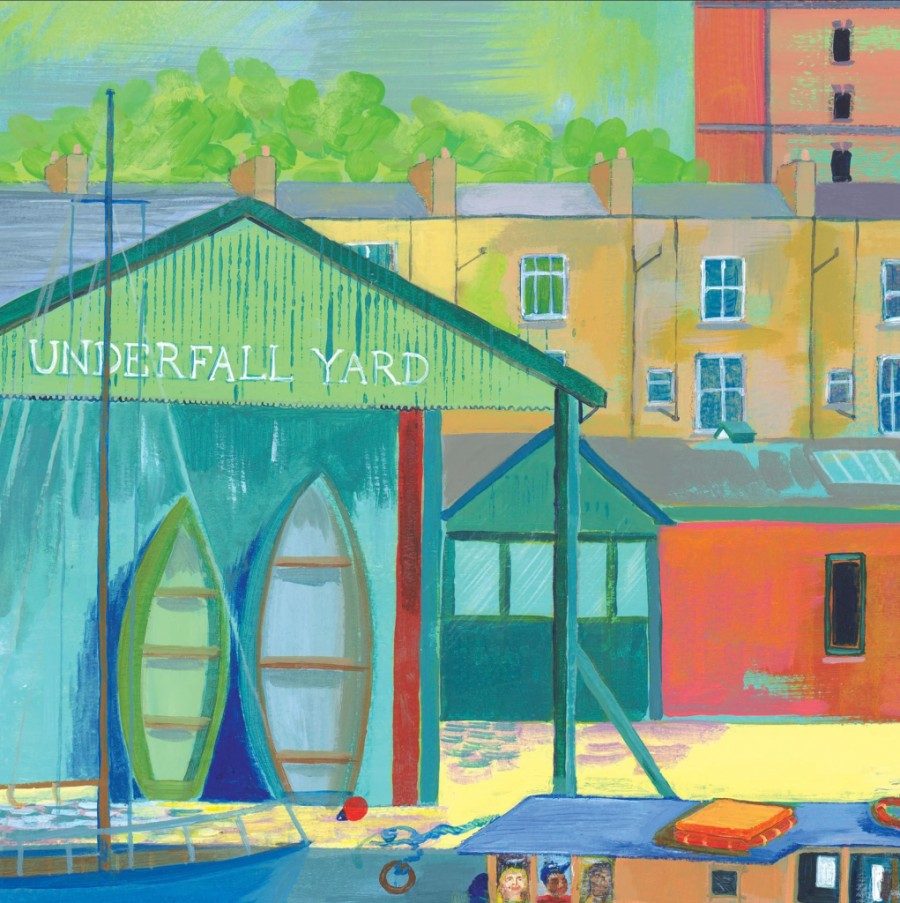
In centuries gone by, Bristol’s port was teeming with ships from across the globe. It all began as a humble port, and through sheer grit and ambition, it grew into one of England’s prime trading hubs.
The Harbourside’s strategic location made it a bustling centre not only for shipping goods but also for whisking people off to new adventures.
No tour would be complete without a stop at the Brunel’s SS Great Britain, a marvel of Victorian engineering. Designed by Isambard Kingdom Brunel, this iron-hulled passenger ship was a beacon of progress in the 19th century.
Not far off, you’ll find the M Shed museum, a vibrant tribute to Bristol’s past with tales of daring sailors and the city’s evolution through time.
Clifton Village, pretty streets and small shops

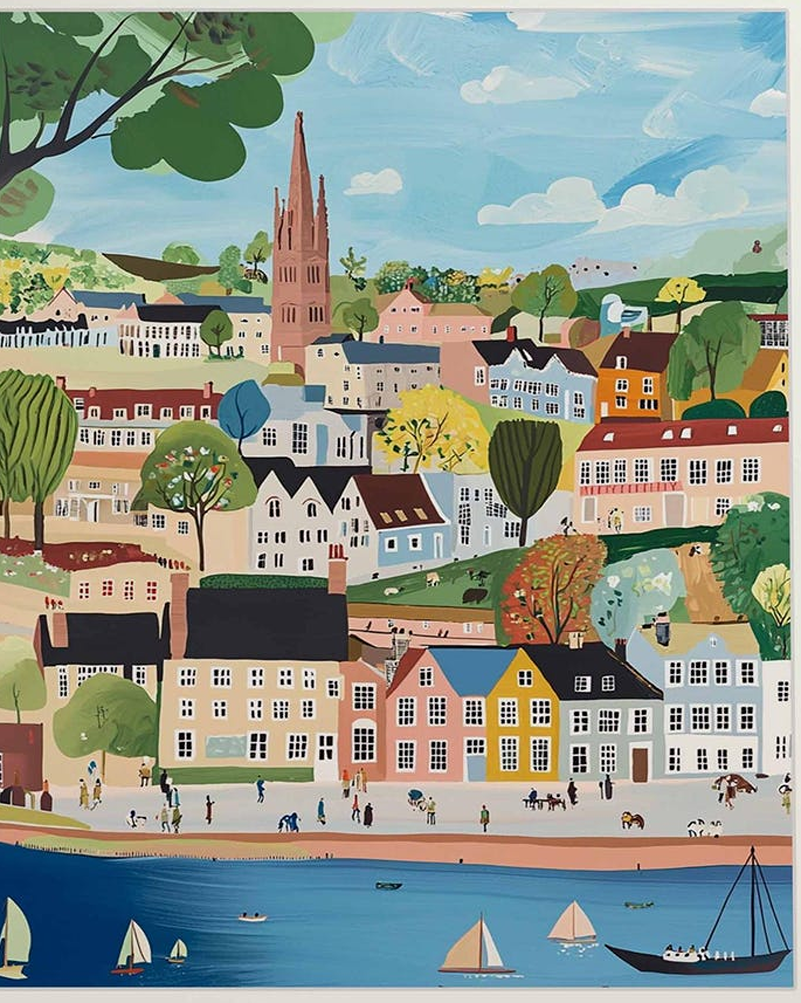
Just a short walk from the bridge, Clifton Village offers leafy streets, Georgian terraces and lots of independent shops. The neighbourhood feels peaceful and natural, with mature trees lining the squares.
Nearby is Leigh Woods, a nature reserve with peaceful walking trails, ancient trees and woods full of bluebells (keep dogs away from spring bulbs).
The woods slope down to the dramatic edge of the Avon Gorge, with viewpoints peeking back towards Clifton and the bridge. Leigh Court Farm (an organic box scheme) is based here.
Totterdown: Vibrant and Colourful
Totterdown is one of Bristol’s most eye-catching neighbourhoods. The area is famous for its steep hills and rows of rainbow-painted Victorian houses. Artists, students, and families call Totterdown home, and a creative spirit fills the streets.
Community-led festivals, local cafes, and quirky pubs make this a spot with warmth and personality. Walk up to the top of the hill for sweeping city views and photos of Bristol’s iconic skyline.
Bath and Bristol Railway Walk
The Bath and Bristol Railway Walk offers a peaceful route between two of the area’s most historic cities. The path follows a disused railway with plenty of flat, traffic-free stretches, so it’s safe for cycling or walking. Along the way, see wildflowers, woodlands, and old railway bridges.
The walk is well-signposted and connects small villages and cosy pubs, making it ideal for a day out and a taste of local countryside.
Bristol’s Clifton Suspension Bridge (on Avon Gorge)

Clifton Suspension Bridge was built around 150 years ago, to cross the Avon Gorge. Although walkers may cross the bridge for free, a toll system is used for vehicles, and monies raised can ensure regular safety inspections and maintenance.
Dogs are not permitted in the museum (never leave dogs in cars).
A great example of Victorian engineering, it was designed by Isambard Kingdom Brunel (what a fancy name!) who won a competition to find the best design to build a bridge to cross the river, which split the busy maritime city of Bristol in two. He was only 24 when he won, clever boy!
Due to steep cliffs and swirling winds, the project was stalled before Brunel could see its completion, but eventually opened in 1864, five years after he died.
A unique bridge of iron chains, stone towers and timber, it’s built to take the force of weather and traffic, and made from local limestone that blends into the landscape.
Due to being a high suicide risk spot, there are barriers and telephones to call Samaritans. Years ago, one young barmaid jumped off (due to a failed love affair) but her billowing skirt turned into a parachute. Covered in mud, she survived, found love again and lived to 85.
The lady eventually found love again, married and lived to be 85. She kept the photo of two sisters who (in 1896) also survived the bridge (being thrown off it by their father, who had gone insane and was later sent to an asylum).
Bristol’s First Zero Waste Shop
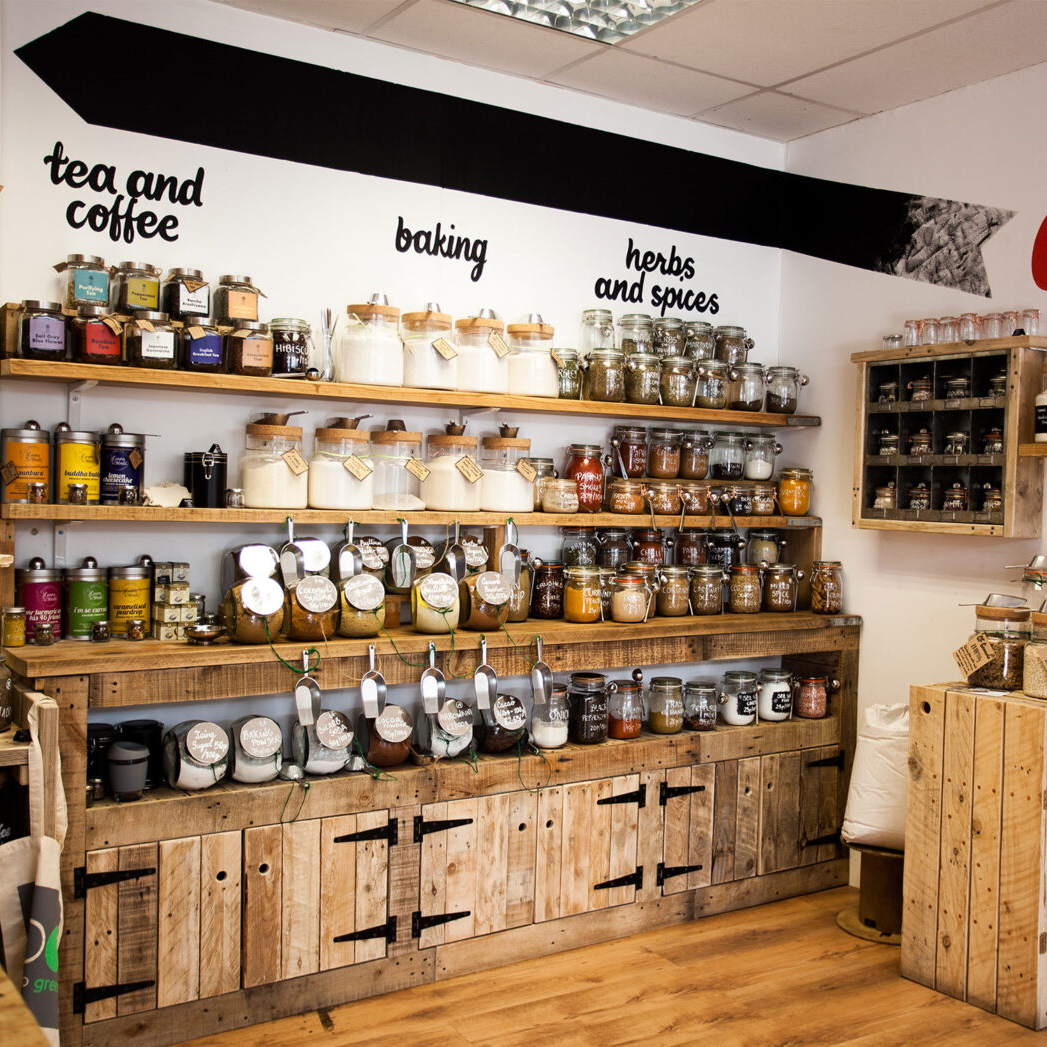
Zero Waste Bristol is almost 10 years old now, proving that locals truly support sustainable living. It offers a wide range of foods and household items, with next day delivery across Bristol and same-day collection for orders before 12pm.
Before cooking, read up on food safety for people and pets. Also read about pet-friendly gardens, to know plants and flowers to avoid.