Buckinghamshire: Chiltern Towns and Riverside Walks

Need a break that feels rural, but won’t take all day to reach? Buckinghamshire (leafy Bucks) sits between London and Oxford, with the Chiltern Hills on one side and the Thames on the other. It’s a patchwork of market towns, beech woods, and calm riverside streets.
Buckinghamshire is a county in South East England, and it works brilliantly as a day trip from London. In between the towns, the county softens into Chiltern villages with flint churches, winding lanes, and pubs that look made for Sunday lunch.
If out walking, follow the Countryside Code, to keep all creatures safe.
The Chiltern Hills are a National Landscape, known for chalk paths and wide views. Wendover Woods has well-marked trails and facilities close by.
For a classic ridge walk, the Ridgeway near Ivinghoe Beacon offers open skylines . Buckinghamshire touches the River Thames, and it also has stretches of the Grand Union Canal.
Marlow: Riverside Walks and Old-Town Charm
If you like towns that feel calm but not dull, Marlow, Buckinghamshire sits on the River Thames, with waterside views that change by the hour. The Marlow Murder Club TV series has put the town on some people’s must-visit lists, and it’s easy to see why.
The River Thames forms one edge of the town, while the High Street runs close behind it. Between the two, you’ll find lanes, small greens, and plenty of places to pause. The bridge ties it all together. Marlow Bridge spans the Thames with a light, graceful shape. It gives the town a strong focal point, so you rarely feel lost.
For a simple route, begin on the High Street and drift towards the river. You’ll soon reach the open space near the water, where you can see Marlow Bridge clearly. Its suspension chains and stone towers have an elegance that can feel a bit like Budapest’s Chain Bridge, just on a smaller and quieter scale.
One of the most interesting stops is the Old Parsonage. It dates to the 14th century and is often described as Buckinghamshire’s oldest building. Even if you only spend a few minutes there, it adds weight to the day. Suddenly, the river crossing isn’t just scenic, it’s part of a long story of movement and settlement.
In Marlow, the annual regatta (often in summer) brings a bright, busy feel. You’ll see crews warming up, spectators lining the river, and a friendly festival atmosphere.
Stay sensible near the water, especially with children and dogs. River edges can be slippery, and currents can surprise you. If the weather’s been wet, keep an eye on paths and river levels.
High Wycombe: A Historic Market Town
High Wycombe, Buckinghamshire is a market town that sits west of London, close to the Chiltern Hills. You can come for the shops and cafés, yet the story goes deeper. This is the town linked to a chair-making boom that, at its peak, is often said to have produced almost 5,000 chairs a day. You’ll also spot the Pepper Pot Market House, a landmark that anchors the centre.
Add the River Wye running through town, a name tied to a wooded valley (a “coombe”), and even a tradition of weighing the mayor, and you’ve got plenty to talk about on the train home.
The River Wye runs through High Wycombe and gives the town a gentle thread to follow on foot. Meanwhile, “coombe” means a wooded valley, which fits the setting near the Chiltern slopes.
The mayor weighing tradition is the headline story most visitors remember. The basic idea was to weigh the mayor at the start and end of a term, to show he wasn’t getting rich on taxpayers’ money. Apparently in olden days if he got too big, he was pelted with rotten fruit and tomatoes!
Aylesbury: White Ducks, Countryside and History
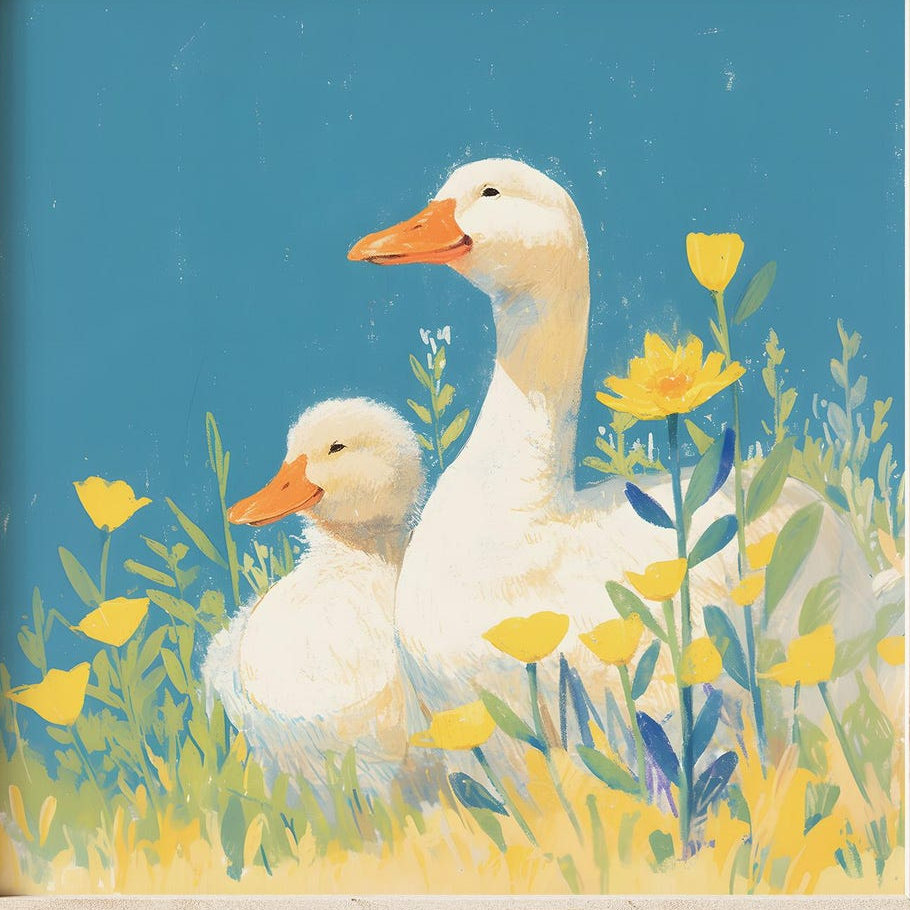
If you only know Aylesbury, Buckinghamshire as a place you pass on the way to somewhere else, you’re missing its best bits. The Aylesbury duck is part of local identity in a way that feels charming rather than touristy. For actual duck watching, choose calm places where birds can rest, such as parks and quieter waterside edges.
Don’t chase birds for photos, and keep dogs under close control near water. Also, don’t feed bread, as it can harm or choke. Local ducks get plenty of natural food nearby, and should not be enticed near people, dogs or roads.
Amersham: Old Streets and Chiltern Walks
Ever arrived somewhere and felt like you’ve stepped through two doors at once? Amersham Buckinghamshire often gives that feeling. One side is Old Amersham, with its historic High Street and pub signs that look like they’ve hung there forever.
The other is Amersham-on-the-Hill, built around the station, with shops, cafés, and an easy pace for day trippers. Set on the edge of the Chilterns, Amersham works well for a simple day out or a slower weekend from London. You can fit a lot into a short visit, without rushing.
Amersham is easiest to understand as two linked places with different moods. Old Amersham sits lower down in the valley, where the streets curve and the buildings feel close. Amersham-on-the-Hill is up by the station, with a more modern centre and a busier weekday rhythm.
Old Amersham’s High Street is the heart of it. You’ll notice period buildings, including timber-framed fronts, sitting alongside brick and flint. The street layout still feels like a market town, not a planned development, and that’s part of the charm.
River Misbourne runs through the area and it often surprises people. It’s a chalk stream, which means it depends on groundwater filtered through chalk. In dry periods, parts of the river can run very low, or even disappear from view.
Chalk streams are delicate. Stick to paths, take litter home, and check local updates if you’re hoping to see flowing water.
Keep to marked rights of way and respect private land. The countryside here is welcoming, but it’s also working land, with livestock and crops depending on the season.
Chalfont St Giles: A Chiltern Village in Leafy Bucks
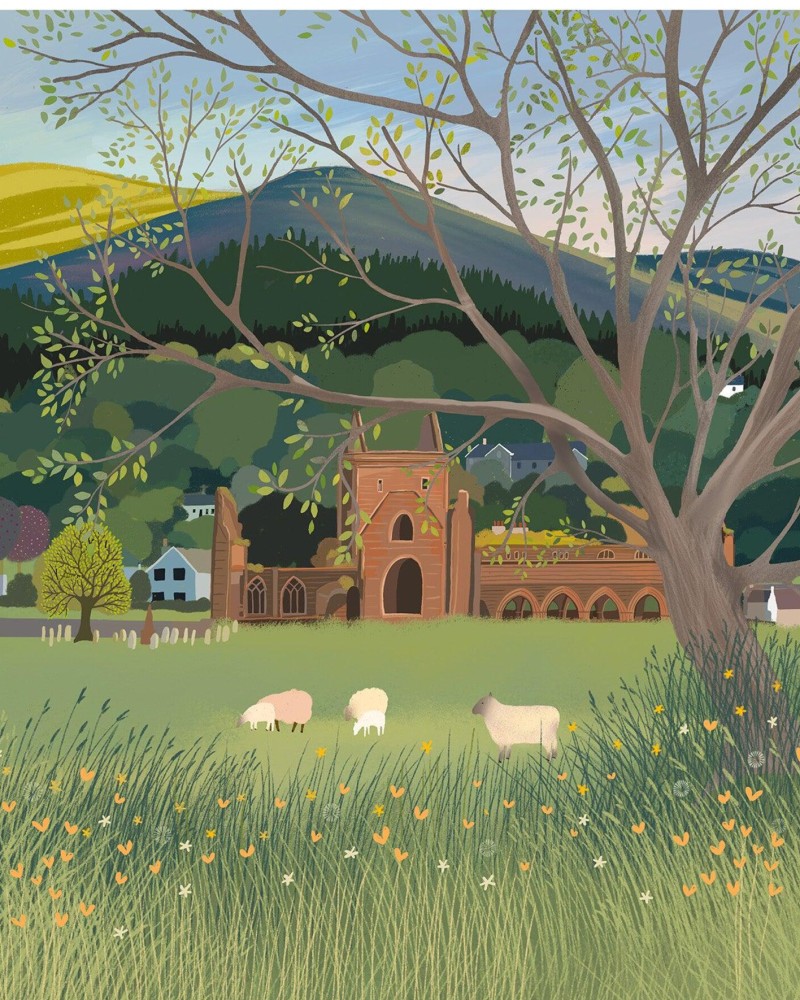
Chalfont St Giles sits in the Chilterns, where wooded slopes meet quiet lanes and open fields. People come for simple reasons: a pretty centre, good walks, and an easy day out from London.
John Milton came to Chalfont St Giles in 1665, during the Great Plague. London felt dangerous, so he moved out to the country for safety. By then he was already a major writer, and he was also blind, relying on others to read and write for him.
In this village setting, he worked on Paradise Lost. It’s easy to picture why the place helped. The lanes are still narrow, the trees still crowd the skyline, and the pace still feels unhurried. In the 1660s, it would have been quieter again, more fields, fewer passing cars, and darker nights.
Today, the Milton connection is easiest to follow at Milton’s Cottage, the small home where he lived. It’s a simple building, which makes the story land even more. A world-famous poem took shape in a modest cottage, not a grand house with a library and staff.
Chalfont St Giles also sits close to a key Quaker site linked to William Penn. Penn was a prominent Quaker, and he later became closely tied to the founding of Pennsylvania. His life connects big themes, religious freedom, dissent, and the push for fairer treatment of people who thought differently.
William spent a good part of his life imprisoned in the Tower of London for his beliefs. When he returned to England from the USA, he was cheated out of his wealth by an associate. He died penniless, but today is known as one of the founding fathers of the Quaker movement.
I expect to pass through life but once. If therefore, there be any kindness I can show, or any good thing I can do to any fellow being. Let me do it now. And not defer or neglect it. As I shall not pass this way again. William Penn
Far more interesting than that Sir Nick Clegg was born here, is that the village green was used in the popular TV comedy Dad’s Army, set in Walmington-on-Sea. The other comedy that was partly filmed here (alongside London’s Holland Park) was the gentle series As Time Goes By, with Judi Dench and Geoffrey Palmer.
Beaconsfield: Where Brief Encounter was filmed
Beaconsfield, Buckinghamshire is best known as where many of the scenes (outside of the station and location ones in Cumbria) were filmed – Laura changing her book at Boots, as the couple laughing as the woman badly plays the barrel organ, while they have lunch).
The town itself is split in two: the Old Town has coaching-inn character, and a New Town that grew up around the railway. It’s home to the world’s oldest model village. And is where writers Terry Pratchett was born and Enid Blyton lived.
Stoke Poges: A Quiet Buckinghamshire Village
Stoke Poges sits in a green pocket of south Buckinghamshire, near Slough and not far from Eton and Windsor. The feel is suburban-meets-country, with leafy lanes, big hedges, and patches of common land. It’s the sort of place where you hear birds before traffic, especially once you step away from the main roads.
The village has old buildings, mature trees, and a sense of time moving slowly. You won’t find a row of big attractions. Instead, it offers small, memorable moments, a quiet churchyard, a shaded path, a view over open ground.
Before you go, it helps to plan for a gentle walk rather than a packed schedule. Spring and early autumn often feel best, because the light is softer and the paths are less muddy. After rain, some routes get slippery, especially around grass verges and uneven ground.
Stoke Poges is closely linked with Thomas Gray’s Elegy Written in a Country Churchyard. Readers often connect the poem with this churchyard setting, and visitors come to feel the mood behind the lines.