The Chiltern Hills (peaceful trails & hidden valleys)

If out walking, follow the Countryside Code to keep all creatures safe.
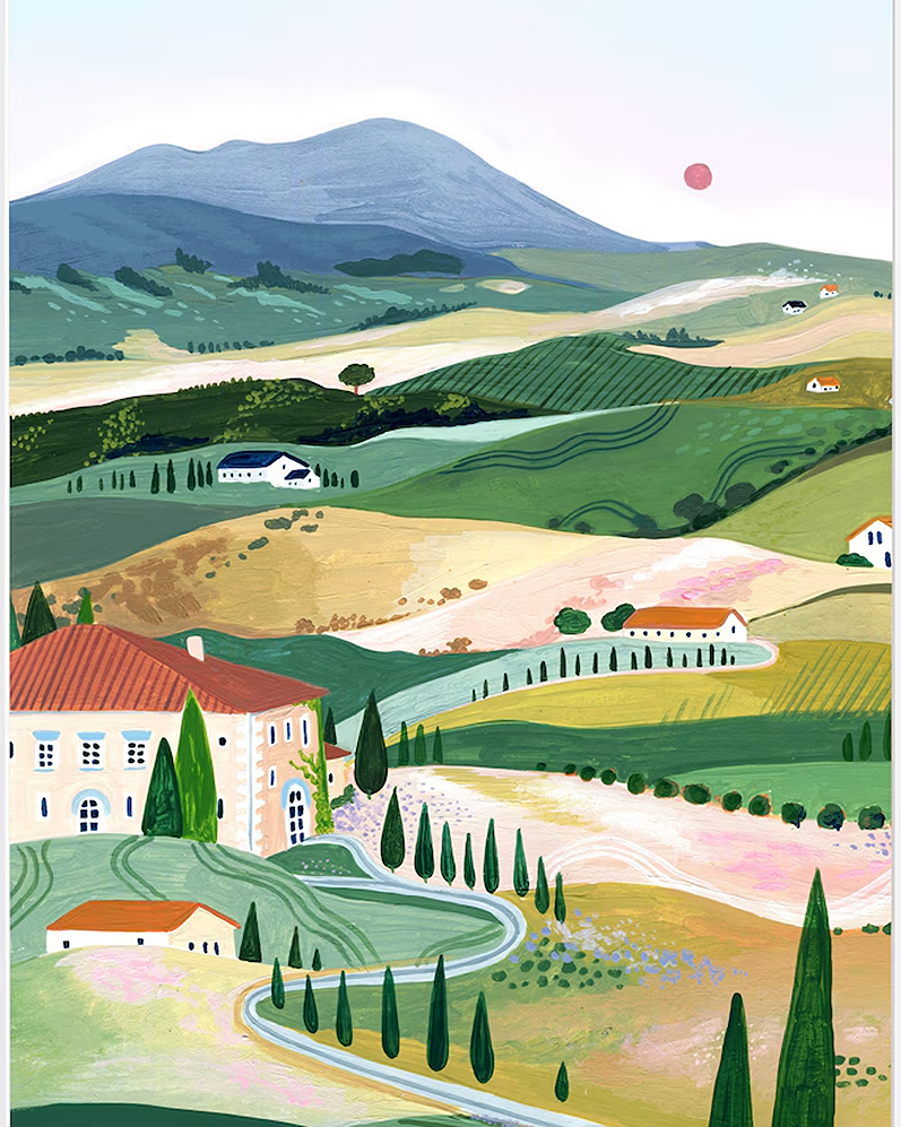
The Chiltern Hills cover 660 square miles of Hertfordshire, Bedfordshire, Oxfordshire and Buckinghamshire, for endless walks, bluewood woods and far-reaching views. Barton Hills National Nature Reserve stands out for its chalk grasslands and wildflowers.
Keep dogs away from bluebells and other spring bulbs.
This National Landscape is packed with outdoor adventures, pubs with roaring fires and historic landmarks. Nature thrives in the Chilterns. You’ll often spot badgers, deer, and foxes roaming hedgerows and fields.
Red kites, once rare, glide above the valleys most days. These fork-tailed raptors are at risk from lining nests with shiny ‘junk’, road traffic (they often eat roadkill) and illegal poisoning. But these monogamous birds have friends in Bedfordshire, who have contributed to a conservation success story.
In recent years, parts of the Chilterns have been destroyed by the useless HS2 project, which will do nothing to help stop climate change, and which Barn Owl Trust says is a ‘very expensive way of killing owls’.
Local people have also said their landscape is changed forever, as flooding and dust has destroyed woodland and countryside to produce ‘fast trains’ that will kill 22,000 wildlife each year once built, based on comparisons with high-speed rail projects abroad.
Red kites, once rare, glide above the valleys most days. These fork-tailed raptors are at risk from lining nests with shiny ‘junk’, road traffic (they often eat roadkill) and illegal poisoning. But these monogamous birds have friends in the Chilterns, who have contributed to a conservation success story.