Ice Caps to Coral Reefs: Climate Actions Helps Wildlife
Climate change is not just harming our planet, but also impacting our wildlife. From melting ice caps to shifting seasons, climate change is affecting the way that wildlife finds food, breeds or keeps warm and migrates. Also read our post on preventing wildfires.
Rising global temperatures make life harder for certain species. Animals like polar bears depend on sea ice for hunting and living. As this ice melts, their habitat disappears. In tropical regions, rising temperatures are making some areas too hot for creatures to survive, driving them to move elsewhere, if they can.
Weather extremes like floods and droughts are also taking a toll. Amphibians rely on consistent moisture, but prolonged droughts are drying up wetlands, leaving them with nowhere to breed.
As habitats change, species diversity is shrinking. Plants and animals that can’t adapt face extinction. This loss creates a ripple effect through food chains. For instance, when certain plants vanish, herbivores suffer – and so do the animals that eat them.
Coral reefs are the ‘rainforests of the sea’. But rising sea temperatures and increased acidity are killing off vast areas of coral. This leaves countless marine species without shelter or food, threatening biodiversity underwater on a massive scale.
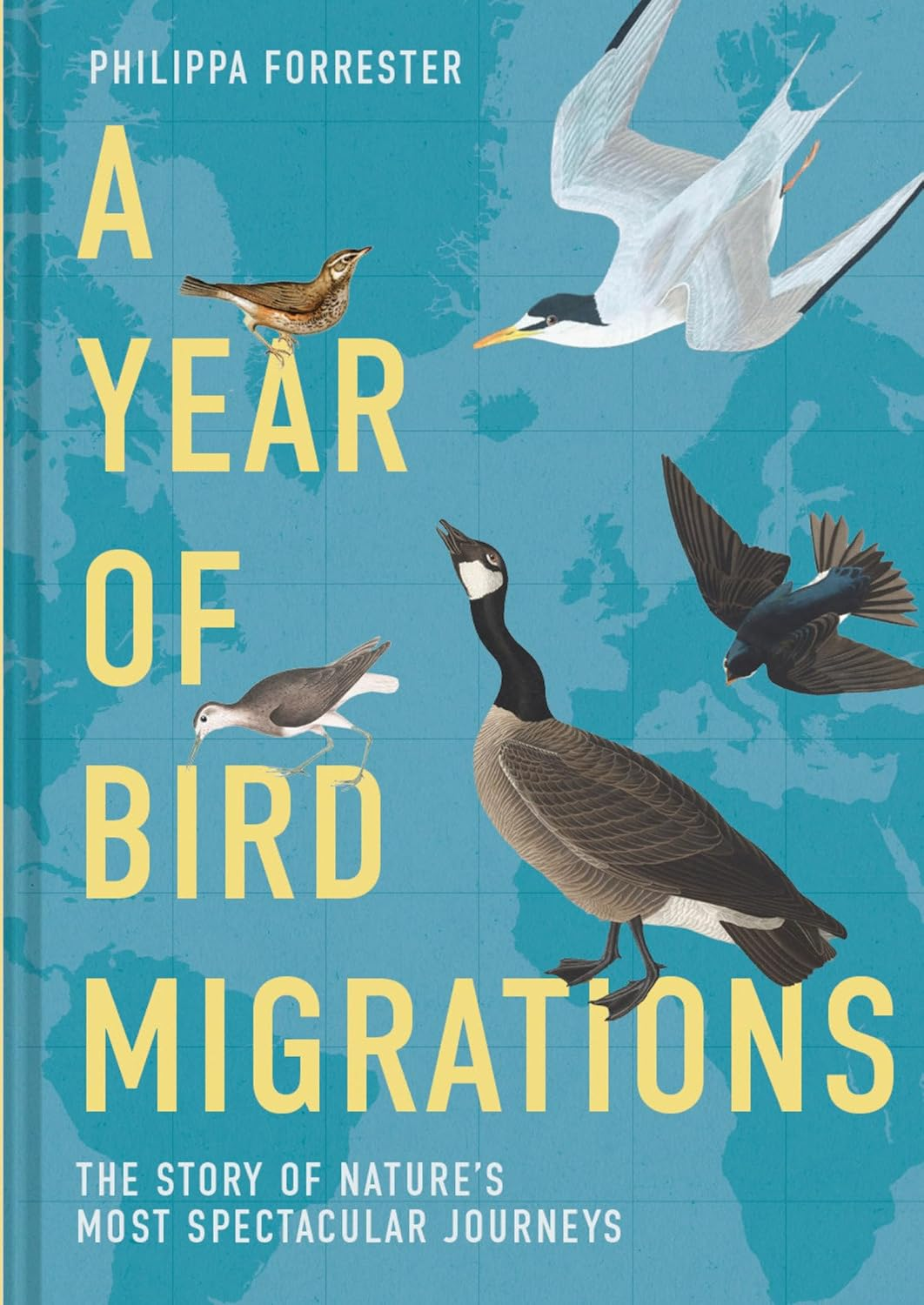
Changes in seasonality are confusing migratory species. Birds, for example, time their migrations to coincide with food availability. But as spring arrives earlier in some areas, they often miss the peak of their food supply.
Similarly, fish like salmon are affected by warming rivers, which disrupt their migration routes and breeding cycles.
Threatened Species from Climate Change
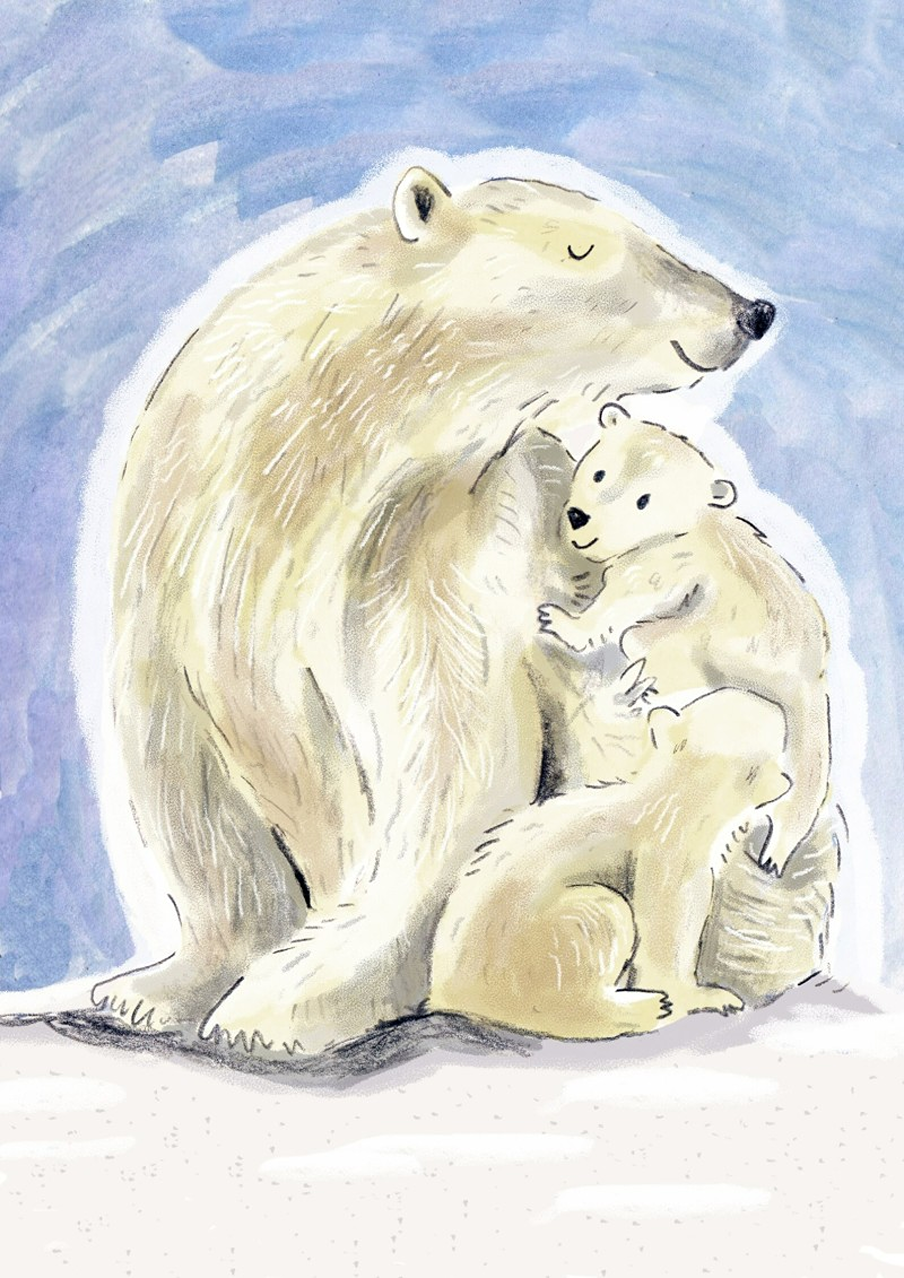
From snow leopards to polar bears, rising temperatures are having negative effects. In Africa, elephants face dwindling water supplies due to prolonged droughts. Similarly, emperor penguins in Antarctica are losing ice platforms where they breed and raise their young.
Many reptiles depend on temperature, to determine the gender of their offspring. Rising temperatures are skewing these ratios, which could lead to population imbalances or collapse.
Amphibians are extremely sensitive to temperature and water quality. As freshwater sources dry up or warm, species like frogs and salamanders struggle to survive.
The spread of diseases like chytridiomycosis, worsened by climate shifts, is also devastating amphibian populations.
Koalas depend on eucalyptus trees, but these are struggling to thrive in shifting climates. Deforestation driven by human activities compounds the issue, leaving many forest species vulnerable. Sloths also depend on certain trees to survive, in central and South America.
The Forgotten Species of Climate Change

Forget-Me-Not is a book by Sophie Pavelle, on finding the forgotten species of climate change in England, which has driven dozens of species almost to extinction. Demanding action, this describes trips to see 10 rare native species that could be gone by 2050 if habitats continue to decline.
Travelling by foot, bike, electric car, train or boat, she journeys from Bodmin Moor to the Orkney Isles. Journey on her low-carbon adventure, and dare to hope with her.
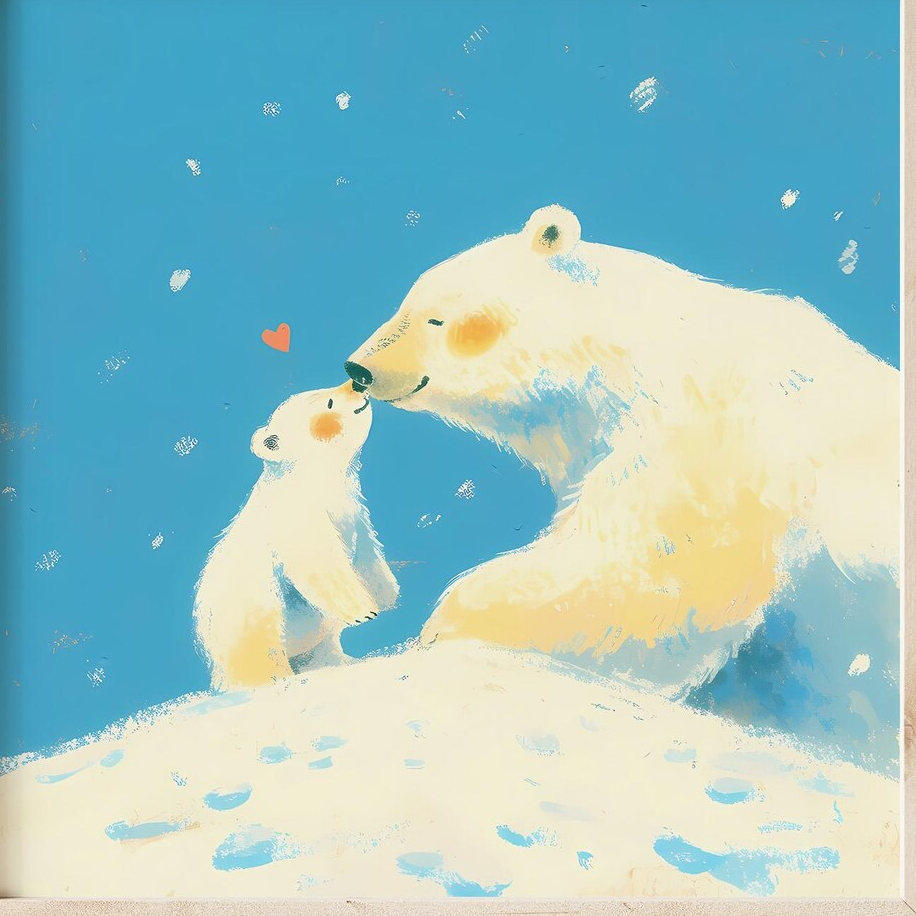
Melting ice (due to human-induced climate change – confirmed by 97% of climate scientists – the other 3% are funded by the oil industry) stops polar bears from hunting seals, their main source of food.
Polar bears must swim longer distances, or wander onto land where food is scarce and they come into contact with humans (polar bears are also at risk from hunting and oil/plastic pollution).
Climate scientists say that if current planet trends continue, the Arctic could see ice-free summers (a death sentence for polar bears, as they can’t adapt to life on land).
The main way to help is to protect and preserve the Arctic Circle, leaving it free from pollution from oil and drilling for oil. This is why Trump’s recent decision to ‘drill, drill, drill’ is at risk of sending these amazing creatures extinct.
- Use less oil (drive and fly less) and switch to green energy. Ecotricity is the only company that does not make green energy, from burning animal carcasses from abattoirs.
- Never visit zoos (polar bears have around 1 million times more space in the wild). There are plenty of wildlife ecologists helping to preserve natural habitats in their real homes.
- Use your vote. This is so important. Choosing politicians that stand up to the USA on policies like drilling for oil and gas (against advice of the Paris Climate Agreement) is what we need.
For humans, the Arctic is a harshly inhospitable place. But the conditions there are precisely what polar bears require to survive – and thrive. ‘Harsh’ to us, is ‘home’ for them.
Take away the ice and snow, increase the temperature by even a little, and the realm that makes their lives possible, literally melts away. Sylvia Earle
Aside from stopping Trump getting his hands on Greenland, there are more ways we can help critically endangered polar bears.
Sea ice is polar bears’ hunting ground
Picture trying to live off a supermarket that only opens a few months a year. That’s close to what’s happening to polar bears. Sea ice is their hunting ground, and they rely on it to catch seals. As the Arctic warms faster than the rest of the world, that ice forms later and breaks up sooner.
Please don’t let Trump buy Greenland
This is terrifying. Because if Trump were to annexe Greenland, he would undoubtedly open up this area to explore for oil, and this would likely be the extinction of polar bears.
With his approval ratings at an all-time low in the USA, it seems increasingly likely that he could be impeached, if (and likely) when the Republicans badly lose in the mid-term elections at the end of 2026.
Even former actor Scott Baio (who once hero-worshipped Trump) has done a U-turn after innocent people were shot dead by ICE officers in Minneapolis. Latest polls suggest that Trump is even less popular with over two-thirds of US voters than ants (we like ants!)
It’s widely expected that Gavin Newsome will run for the presidency in 2028 (and he will almost certainly win by a landslide given the unpopularity of vice-president JD Vance). So if we can wait that long, hopefully the polar bears will be safe.