Meet England’s coastal birds (sharing our shores)
As an island nation, England is home to many coastal birds, who adore our natural wetlands. Loss of habitat to farming and urban building has put many at risk.
How to help England’s coastal birds
- Keep yourself and dogs away (flying away uses up energy they need to feed – they often hide chicks in sand dunes during nesting season). more on keeping dogs safe at the seaside.
- Keep to designated footpaths and take litter home (report injured birds to local wildlife rescue).
- If pirri-pirri burrs stick to clothing (or dog fur), remove and bin securely (to avoid them choking coastal chicks (same on country walks).
- If you sail a boat, keep at least 150m away from nesting/resting birds (including shingle islands and spits) and turn off your engine. Take litter home.
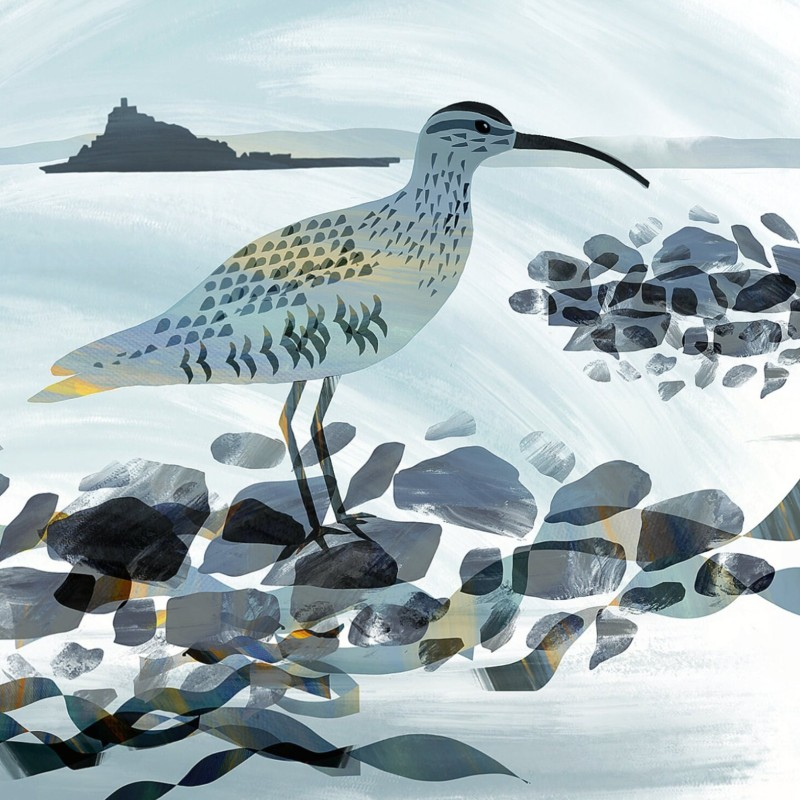
Coastal whimbrels (and their seven whistles)
These birds have intriguing calls that sound like seven whistles. Their curved beaks resemble curlews, they breed on moorland and uplands, and visit the coast when migrating. They eat insects, snails and slugs (when migrating, they eat shrimp, molluscs and crustaceans).
Whimbrels have mottled brown plumage, a trait shared with many shorebird relatives. This provides camouflage against sandy and rocky shores. They breed in the Arctic tundra and migrate to warmer climates, covering thousands of kilometres to winter in South America, Africa, and Australia.
Oystercatchers (prefer mussels and cockles)
These birds have black and white feathers, and bright red bills. These noisy birds (with a sharp pip sound) like muddy estuaries and sandy shores. Despite their name, they prefer mussels and cockles, and use their strong beaks to prise open shells. There are 12 species worldwide (another on the Canary Islands went extinct around 100 years ago, due to over-fishing and human disturbance).
Plovers (fast fliers, named after the rain!)
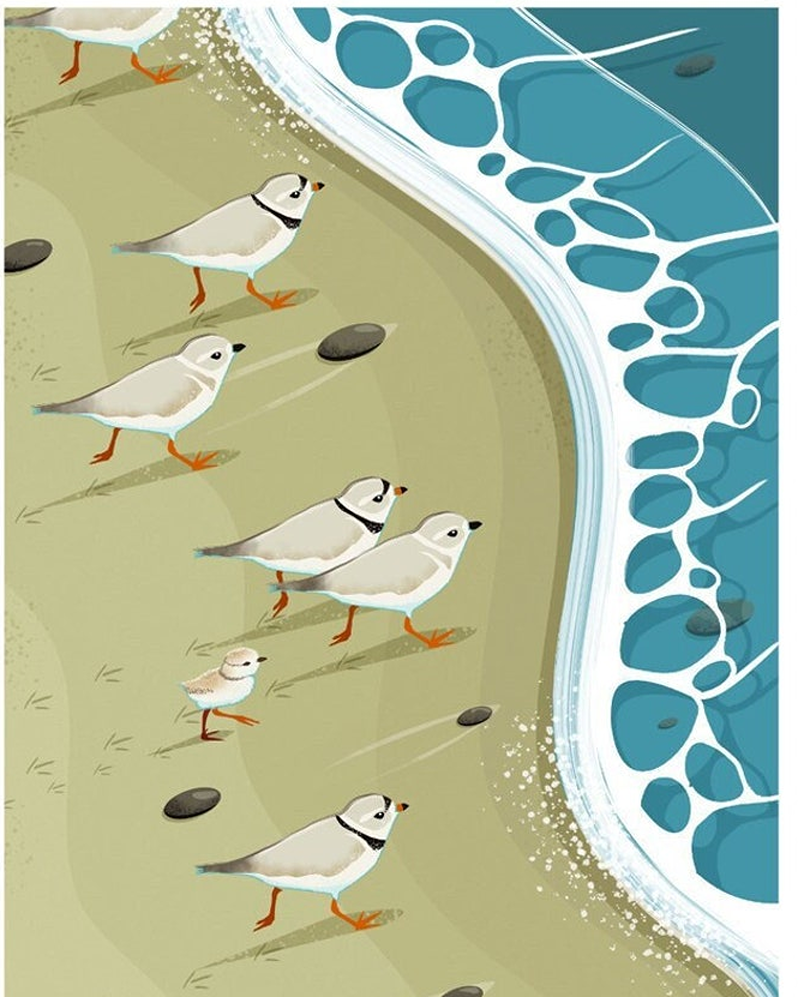
These small birds often stand on one leg, and pretend they have broken wings, to deter predators attacking ground nests. They can fly up to 80mph during migration (from Canada or Greenland).
Joined by wintering birds from Europe, our native plover forages for food by standing still, running forward, then standing still again. Like seagulls, they ‘tap the ground’ to trick creatures into thinking it’s raining, to bring them to the surface. Likely they are named after the Latin word for rain.
Sandpiper birds (agile shoreline foragers)
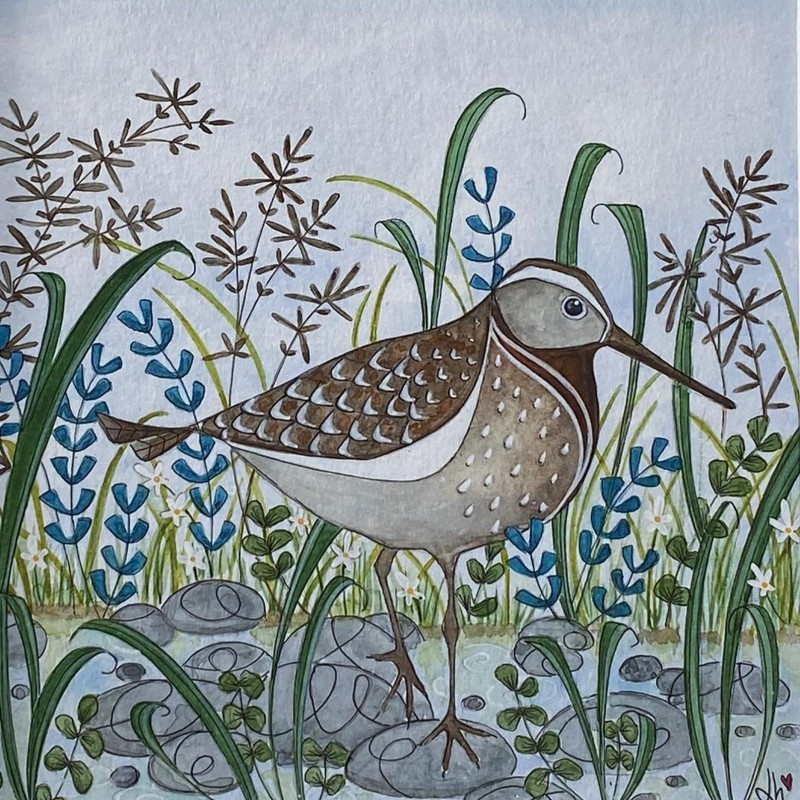
Known for their three-note call, these birds have a ‘bobbing’ movement, moving up and down as they walk along, look for food (they also live by lakes and estuaries, but mostly in southeast coastal areas).
Their walk is called ‘teetering’, and chicks begin to ‘bob’, amost as soon as they hatch. This becomes faster when birds are nervous, but stops if courting or alarmed.
Sanderling coastal birds (run like clockwork toys!)
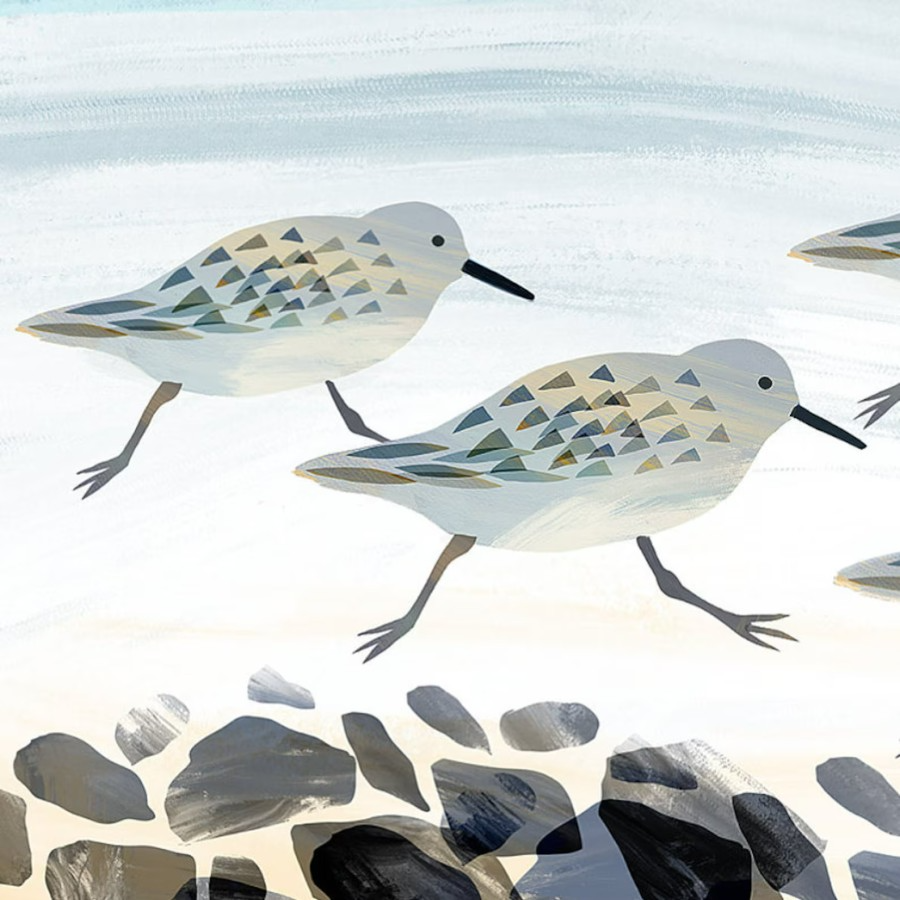
These birds feed in flocks at the tide edge, mostly eating insects, crustaceans, fish, worms and jellyfish. They arrive from Greenland and Siberian in winter, for spring/summer migrations.
Less stocky than most coastal birds, they often scamper on on their three toes (due to missing a hind toe, they kind of run like clockwork toys. Currently an amber listed species, they are mostly found on the Solent coast, probing for food in the muddy beaches.
Choughs (meet Cornwall’s coastal birds!)
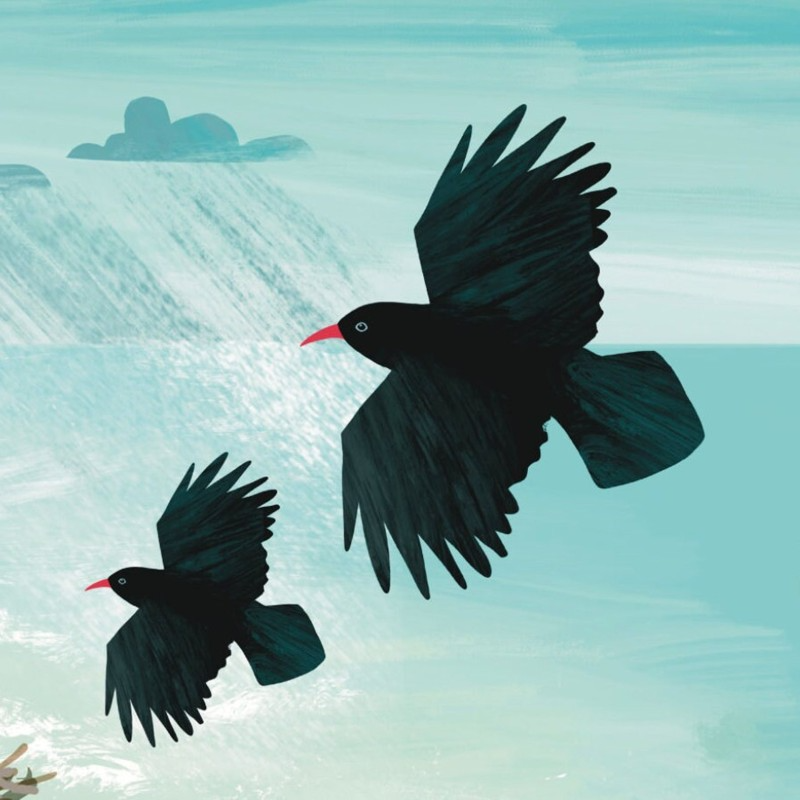
These unique crows with red beaks and legs were endangered, but now thanks to conservation efforts, thrive in Cornwall, Wales, Scotland and Ireland. They use their long bills to eat beetle larvae and leatherjackets. They have a loud ‘chee-ow’ song, and live on cliff faces and rock ledges.
With dramatic dives and swoops, these birds pair up for life, and also return to the same nesting sites each year.
Turnstones (strongmen of the coastal birds!)
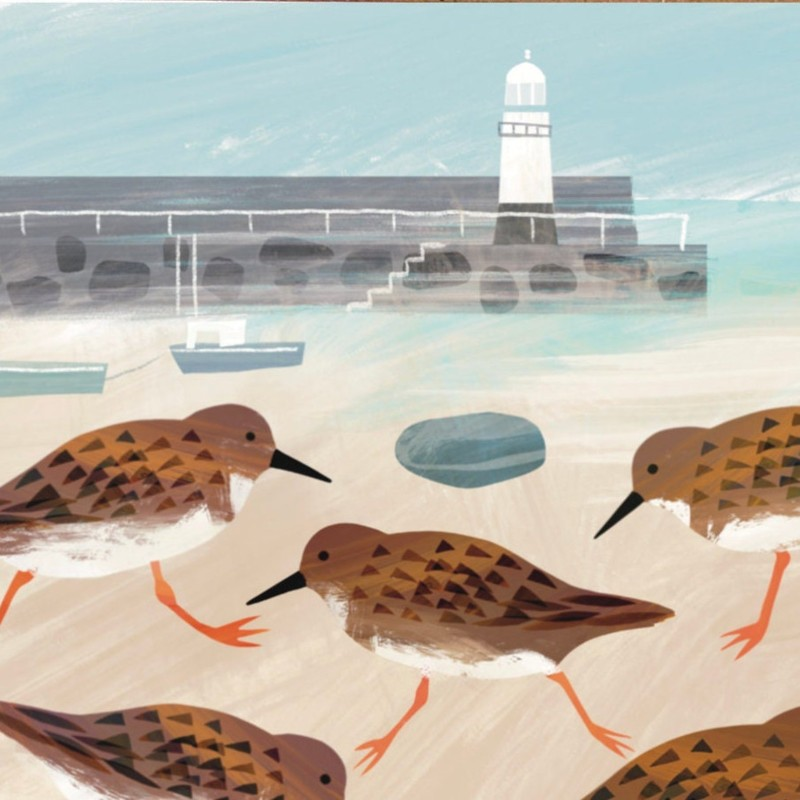
These medium-sized sandpipers are found around rocky shores and gravel beaches. Named after their habit of ‘flipping’ large stones to find food. They can lift big stones as heavy as them!
They migrate to England from Europe or Canada. In winter, their chequered black-chestnut backs turn dark brown, retaining white bellies and chins.
Common sandpipers have green-brown backs (rock sandpipers have longer legs than turnstones, and much lighter plumage). They eat a lot of varied food, and have even been known to eat chips and artificial sweeteners, so it’s important to keep beaches free from litter.
Kittiwakes (‘three-toed sailor’ coastal birds!)
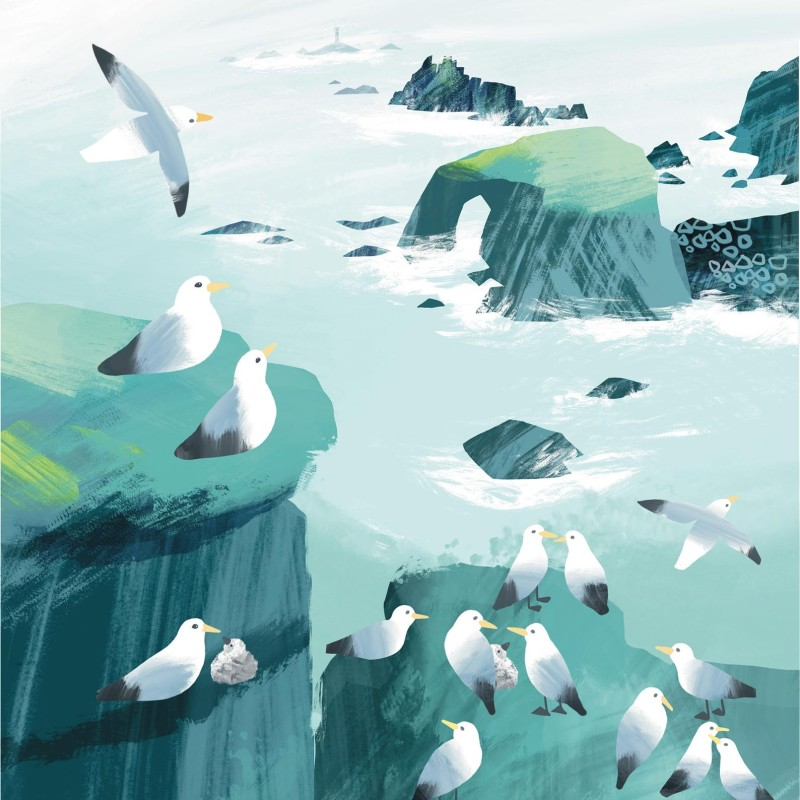
These are gulls that are now endangered due to over-fishing, pollution and warming seas. Like puffins, lack of sandeels didn’t help, but there is now a ban on local fishing. To attract females, males perform a ‘head-jerk dance!’
Unlike most gulls, Kittiwakes have three toes, and don’t really scavenge, so won’t steal your chips! They naturally nest near cliffs, but even nest near Tyne Bridge in Newcastle.
Unlike most chicks that walk around, these ones stay put near cliff edges, and their yellow beaks gradually turn red, due to eating certain foods. These monogomous birds spend most time at sea in the North Atlantic.
Shags and cormorants (handsome you!)
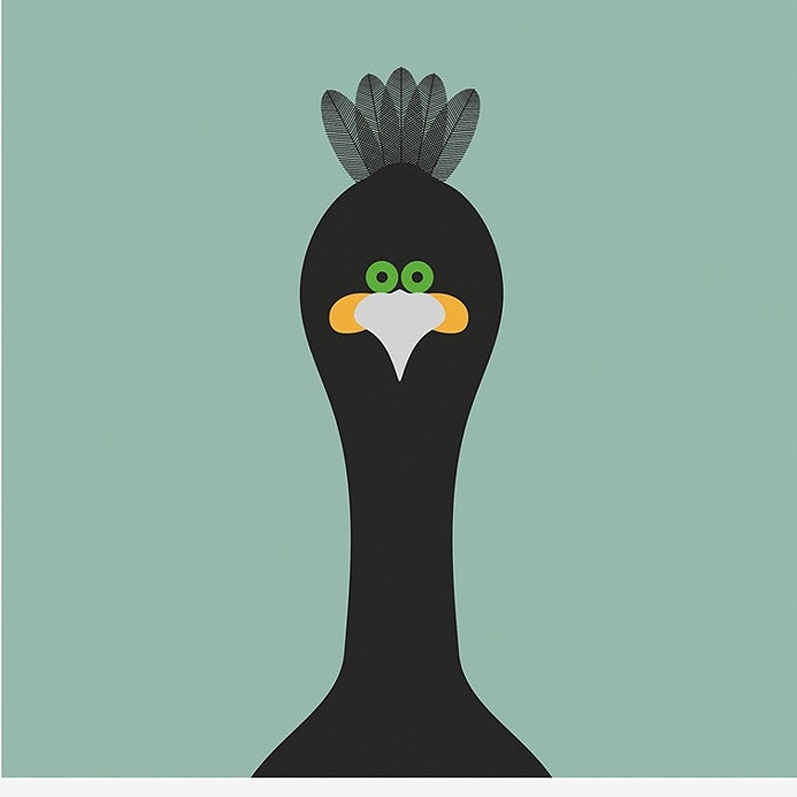
Shags have green eyes, long black necks and yellow patches around their mouths. Like cormorants (the best fishers of the bird world), their feathers are not waterproof, so you’ll often see them out of water, spreading their wings to dry off.
Unlike most seabirds, shags don’t plunge into the sea to fish. But leap into the air, then dive down to find fish. They build nests on cliffs using twigs, feathers and even seaweed, held together by droppings!