Common Terns (England’s graceful ‘sea swallows’)
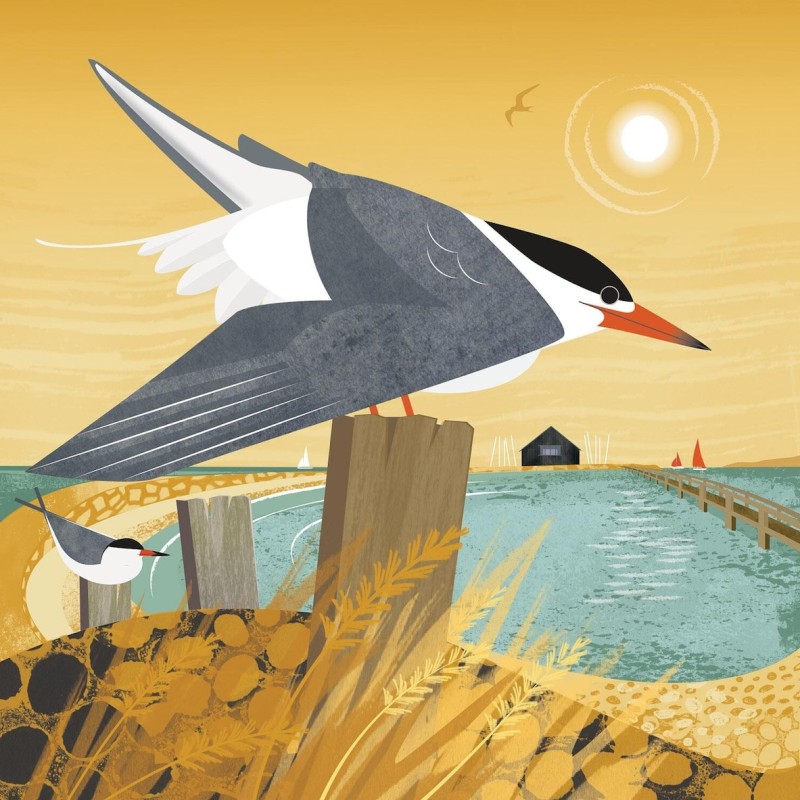
Common Terns are England’s sea swallows’ named due to their forked tails and graceful flight. They only visit England from April to September, nesting in noisy colonies on the coast or inland lakes. They are Amber-listed due to declining numbers, so it’s really important to help them thrive.
Terns are silver-grey with black caps, and short red legs and bills (with a black tip on the end). They hover over the water before plunging to hunt fish.
As well as keeping our beaches clean, restoring wetlands is the other way to help.
Install tern rafts (floating nest islands)
These are artificial floating islands that can offer safe undisturbed areas on the water. Ask your council to invest, if it has local visiting populations in summer months.
These are robust enough to withstand wind and water, and made to last five years. An individual raft can be anchored as a single nesting platform. Or many can be bolted together, to create larger nesting islands.
How to protect England’s coastal birds
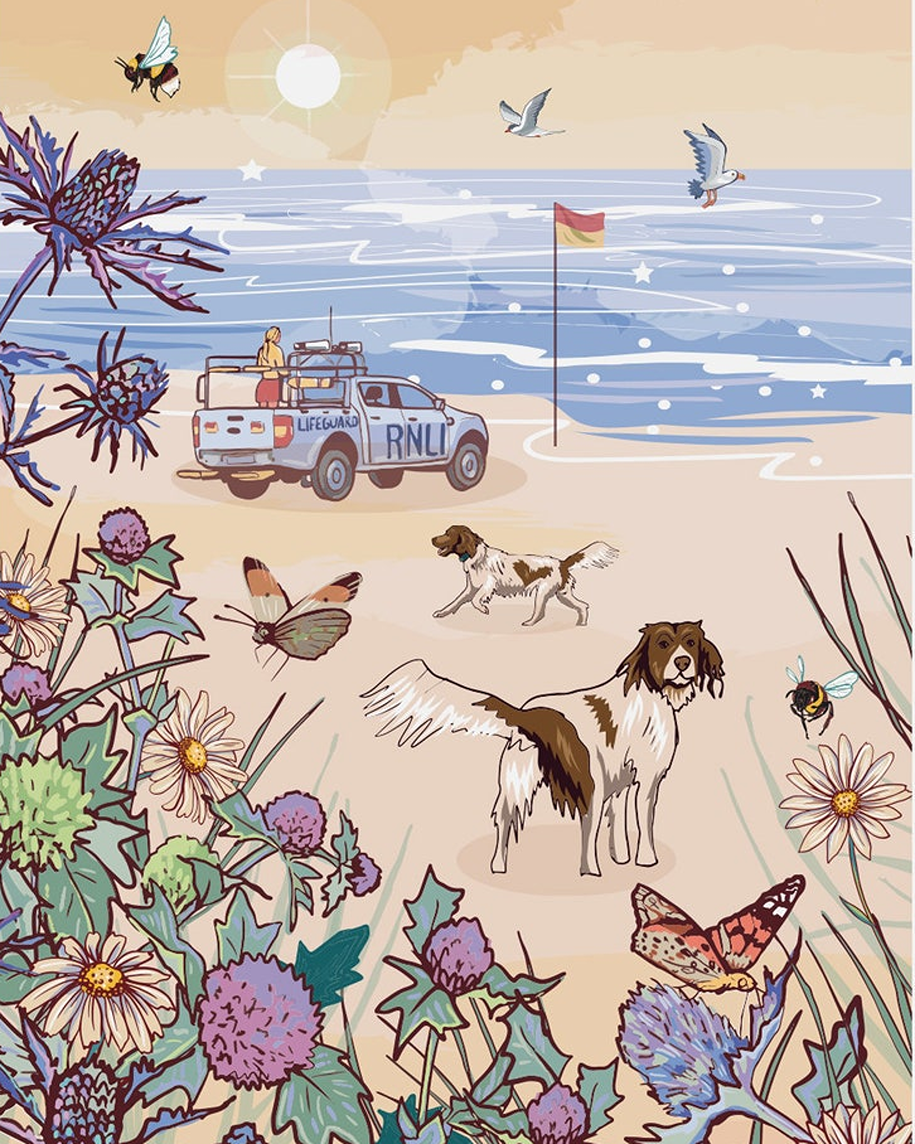
- It’s also important to keep yourself and dogs away from coastal birds (flying away uses up energy they need to feed), especially at nesting season (when many birds hide chicks in the sand dunes). Read more on keeping dogs safe at the seaside.
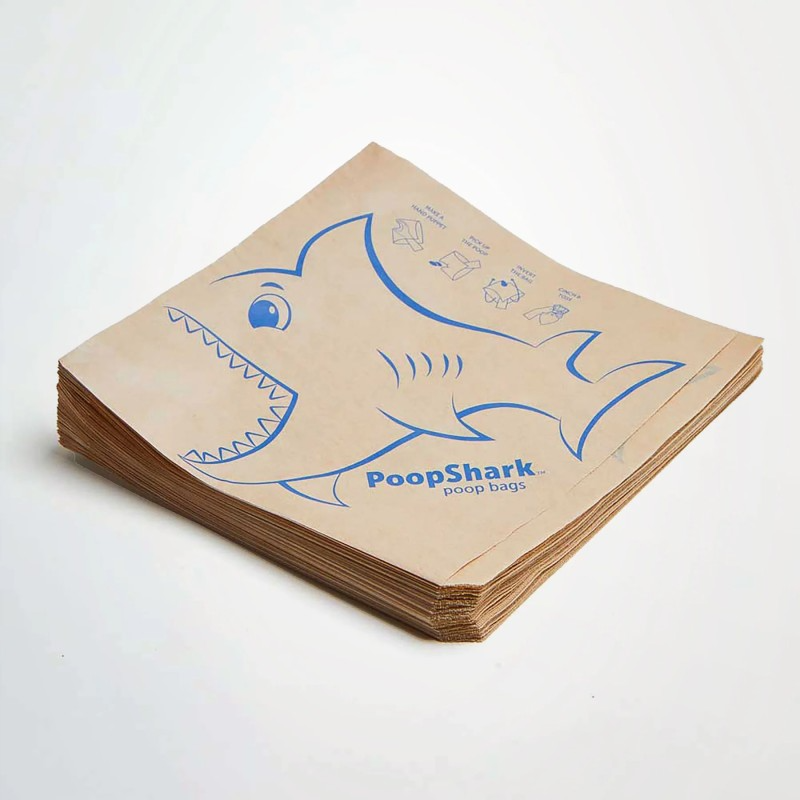
- Always keep to designated footpaths and take litter home (report any injured birds to your local wildlife rescue).
- Sometimes pirri-pirri burrs stick to your clothing (or a dog’s fur). If seen, remove them and bin securely, to avoid them choking coastal chicks (same on country walks).
- If you sail a boat, keep at least 100m away from nesting or resting birds (particularly on shingle islands and spits) and turn off your engine if nearby. Likewise, take any litter with you.
Hadley Paper Goods (eco-cards to help RSPB)
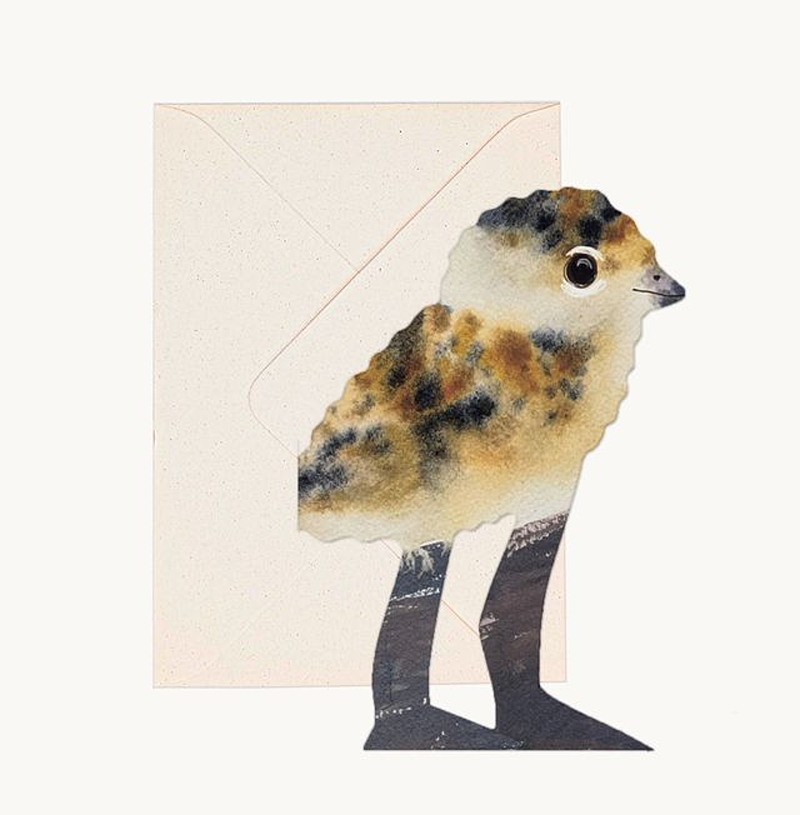
Hadley Paper Goods has teamed up with the RSPB to sell delightful eco-friendly cards depicting various feathered friends, with 10% of profits going to the national’s charity to help our feathered friends.
These lovely cards feature a fact on the back, to help recipients learn about bird life. Each card is sold in an envelope made from a mix of recycled paper and citrus peels (that would otherwise go to landfill).
Arctic Terns are tiny birds that migrate from the Arctic and Antarctic, to arrive in Northumberland, to nest on coastal beaches around April. Keep away, as they will dive-bomb intruders and have sharp bills!
They live on small fish and krill (so don’t buy supplements from stores, as all marine creatures need this important food source).