Community Timebanks (getting paid in ‘hours’ for tasks)
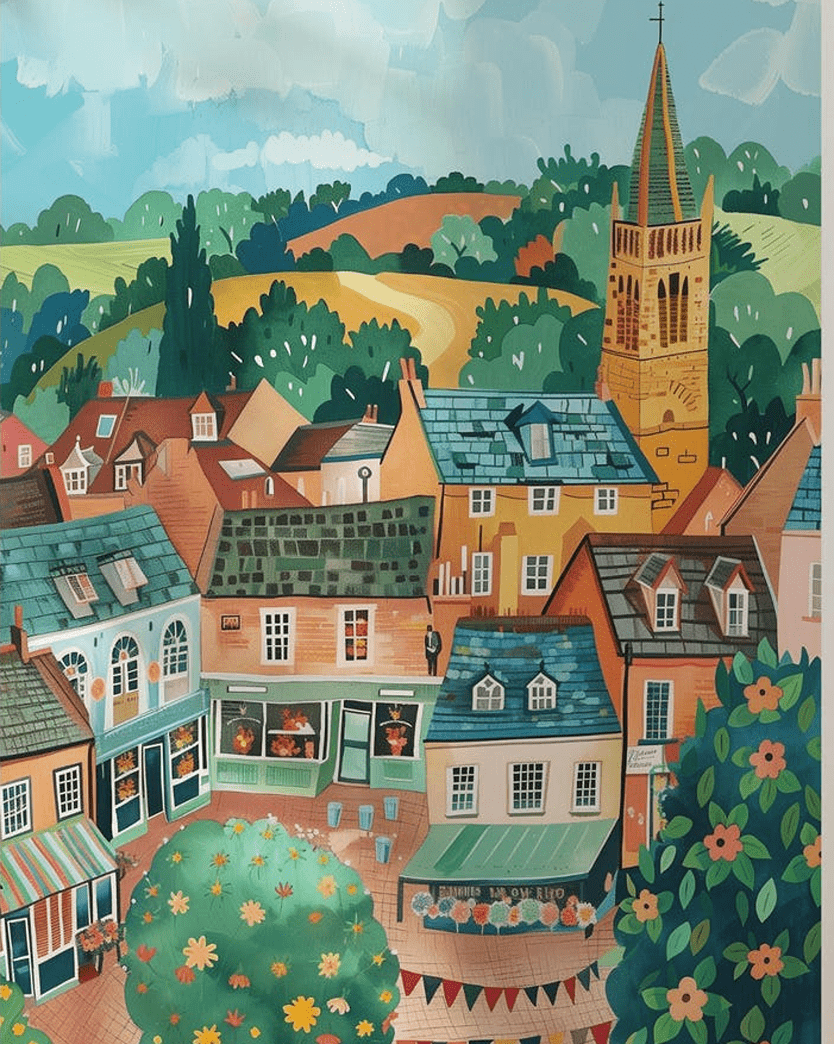
TimeBanks are a great idea, a kind of local currency but no money is involved. The software is set up by an administrator (and for safety so people know who is where). Then people volunteer their skills, all paid for by ‘an hour of time’.
From dog walkers to child-minders and from builders to painters, other people can translate, knit you a jumper, landscape a garden, bake you a cake or do someone’s grocery shopping.
Older people in particular like to be involved in TimeBanks, as many have skills that we don’t (sewing, knitting, woodwork, baking etc). And can feel of use to society, and get something back in return (say someone to walk their dog or do their shopping or mend a broken gate).
Once you have ‘deposited your hour’, you can use that hour to ‘buy something’ from another person in the Timebank. Not necessarily the same person who you did something for. Extra hours if wished can be donated (say to someone who is disabled and can’t carry out any tasks).
Obviously some CRB checks and qualifications and insurance are needed for certain jobs. But mostly they are not. They don’t reduce income from local businesses.
As most tend to do the jobs that are simply not being done (helping a carer by running errands, doing a grocery shop for an elderly person without a car, or walking dogs for someone with arthritis).
For cooking and gardening jobs, read up on:
- Food safety for people and pets
- Pet-friendly gardens and wildlife-friendly gardens
- How to help stop birds flying into windows
Examples of how TimeBanks work:
A young mum with little money can sew. So she sews hems for people in the community. In return, hours earned means someone walks her dog, if she breaks her leg.
Extra hours are used to mend her garden gate and paint her house. The people who do these jobs then earn ‘money’ to pay for someone to run errands for an elderly relative.
How to set up a community timebank
To find local timebanks or to set one up, visit Timebanking UK where you can also download Timebank software, which can be used alongside training manuals for administrators. Or just post requests and offers on a community bulletin board.
Find more inspiration at Timebanking sites worldwide:
The Serviceberry: An Economy of Gifts and Abundance
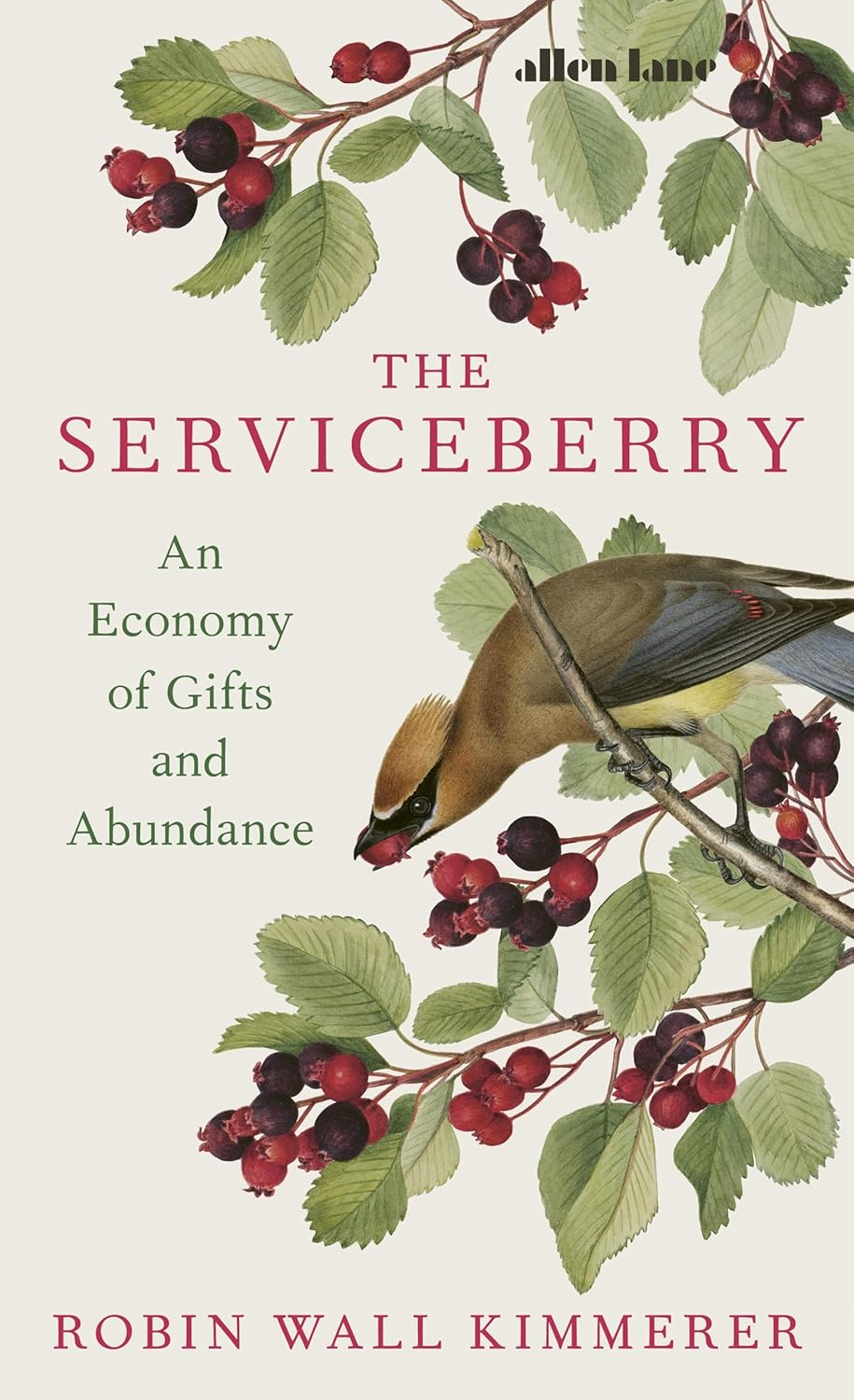
The Serviceberry looks at different ways of making money. Instead of always being in competition and trying to bring others down, why not be like this berry, and show gratitude in giving and sharing, so all can prosper?
Rather than learn from natural wisdom, our economy now hoards resources and has surrendered its values to a system that actively harms what we love.
Yet a tree distributes its wealth (food, shelter, hibernation spots) to meet the needs of its natural community. Even a decaying (dead) tree offers crevices for wildlife to nest and protect.
I have never felt such a kinship with my namesake, Robin. As in this moment, when we are both stuffing our mouths with berries. This abundance of berries feels like a pure gift from the land. I have not earned or paid for them.
There is no mathematics of worthiness that I deserve them. And yet here they are – along with the sun and the birds and the rain. The Robins and I know them as gifts. We both sing gratitude, with our mouths full.
The author notes above how a tree shares it wealth (food, shelter, hibernation spots) with others, and even a decaying or dead tree, offers crevices for wildlife to nest and protect.
Ecological writer Satish Kumar writes beautifully on this subject:
Sometimes I come across a tree which seems like Buddha or Jesus: loving, compassionate, still, unambitious, enlightened, in eternal meditation.
Giving pleasure to a pilgrim, shade to a cow, berries to a bird, beauty to its surroundings, health to its neighbours, leaves for the soil.
Asking nothing in return, in total harmony with the wind and the rain. How much can I learn from a tree? The tree is my church, the tree is my template, the tree is my mantra, the tree is my poem and my prayer. Satish Kumar
Compare this with human media moguls and politicians and ruthless business tycoons. Trees are our generous neighbours, offering far more than beauty and leaves: