The Cotswolds (England’s Largest National Landscape)
Gloucestershire is a large county in southwest England, a lot of it taken up by The Cotswolds, our largest national landscape (the new name for ‘areas of outstanding natural beauty’). It’s also home to the city of Gloucester, and next door the prettier floral town of Cheltenham.
The Cotswolds stretch across much of Gloucestershire, rolling hills dotted with villages where time stands still. Covering 800 square miles, the name is a blend of Cot (sheep enclosure – ie. dry stone walls) and Wold (a hill). So the name literally means ‘sheep enclosure on a hill’.
If out walking, follow the Countryside Code to keep all creatures safe.
The village of Bourton-on-the-Water now has residents concerned over ‘TikTok visitors’ who descend to take selfies with beautiful backdrops. But leave litter behind, having no appreciation of local nature and heritage.
England’s largest National Landscape also covers parts of Oxfordshire, Warwickshire, Wiltshire and Worcestershire – which has Broadway Tower, from where you can view for 60 miles across 16 counties!
The Cotswold Way National Trail stretches over 100 miles, giving stunning views of the countryside from Chipping Campden to Bath. Walkers love gentle strolls between villages, while those after a challenge can try the hillier parts above Broadway Tower.
Castle Combe, Wiltshire (England’s Prettiest Village?)

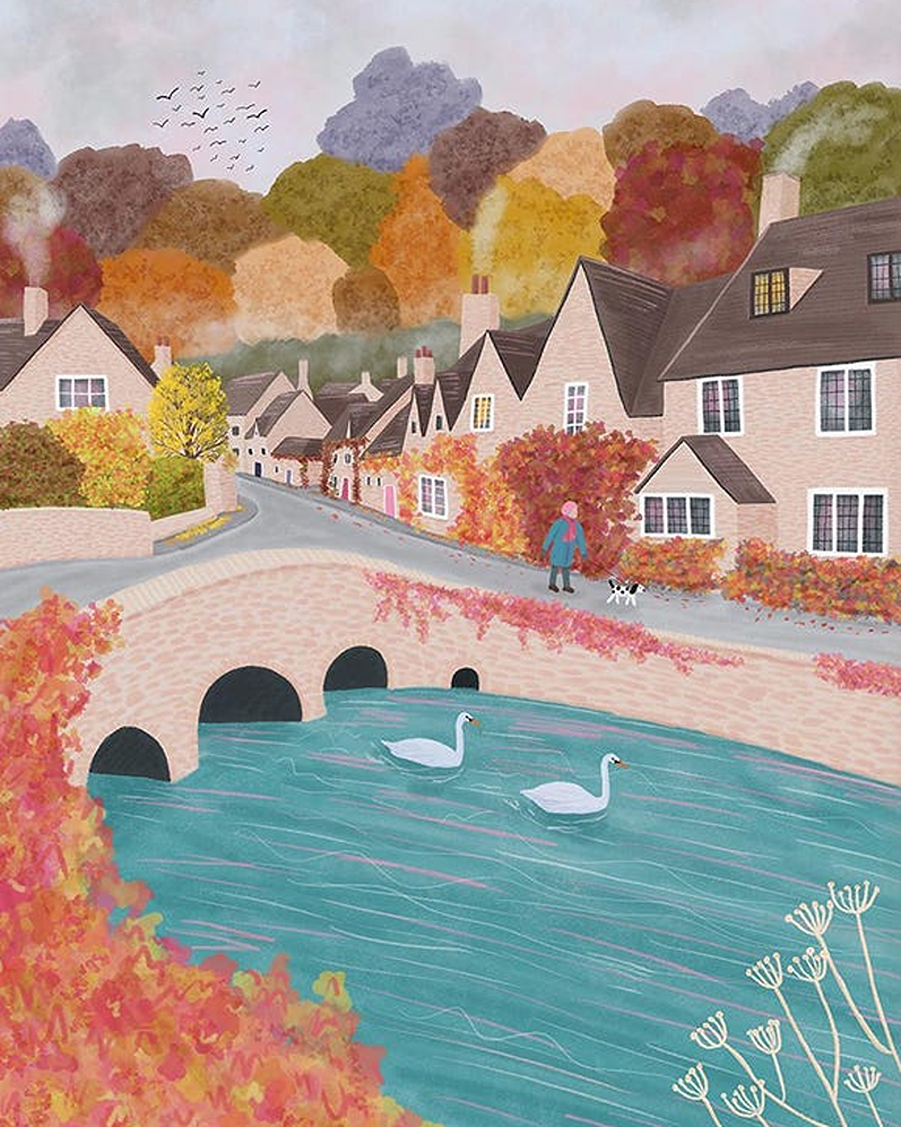
If you love a proper English village, Castle Combe is as good as it gets. Hidden in Wiltshire, walk along the main street to see honey-coloured cottages, all built from Cotswold stone. These houses date back centuries, with thick stone walls and steep roofs.
This village has strict laws to preserve it from modern ugliness! Banned things include street lights, aerials and large new-built homes. It features one of the oldest working clocks in England, yet has no face, as medieval workers only needed to listen to the chimes, to know what the time was.
Today, the village is only home to around 50 people in the centre, with over 100 buildings having Grade II historic listing status, and most buildings are several centuries old.