The Curious Life of the Cuckoo Bird (beautiful song!)
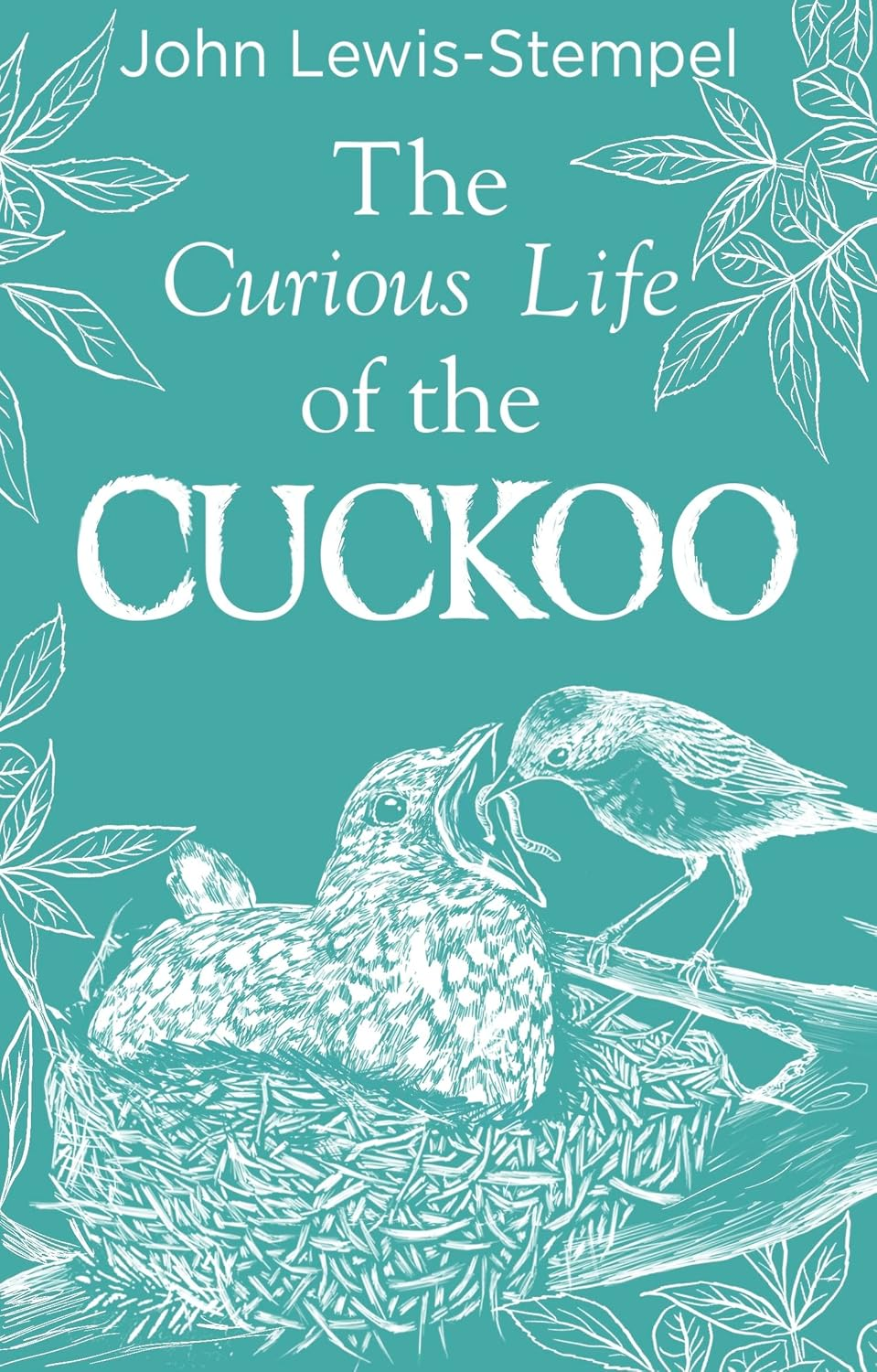
The Curious Life of the Cuckoo Bird is a book about one of our most secretive birds. Is there any creature more mysterious? Often heard but rarely seen, it’s gentle call heralds the birth of sprint, and uplifts our wintered hearts, with the two-note ‘cuk-koo’ as it sounds in the country.
Often mistaken for a sharp-winged hawk, John Lewis-Stempel explains one of nature’s greatest enigmas in vivid and lyrical prose.
That John Lewis-Stempel is one of the best nature writers of his generation is undisputed. Country Life
‘John Lewis-Stempel is the hottest nature writer around. Spectator
Although mostly a woodland bird, still read about creating safe havens for garden birds, and how to stop birds flying into windows.
A bird with a bold plan
Most people learn one headline fact about cuckoos, that they lay their eggs in other birds’ nests. The real process is even stranger, and it runs on timing.
First, a female cuckoo chooses a suitable host species, usually a smaller songbird. Next, she waits until the host nest holds eggs and the owners step away. Then she lays her own egg in seconds, often removing one host egg to keep the clutch size looking “normal”. After that, she leaves. The host parents return and carry on as if nothing happened.
This works because many small birds use simple rules to raise chicks. They incubate what’s in the nest. They feed the widest gapes. They respond to the loudest begging calls. In other words, their care system is built for speed, not for detective work.
Not all cuckoos live this way. Several cuckoo species build nests and feed their own chicks. Even within the cuckoo family, nature has tried more than one plan.
How a female cuckoo finds the right nest
Often she watches host birds as they gather nesting material, fly to a hidden spot, and start building. Once she knows the location, she checks the nest stage. If she lays too early, the host may abandon the nest. If she lays too late, her chick hatches after the host chicks and loses out on food.
Many female cuckoos also seem to focus on one main host species, which helps their eggs match the right “look”. You can think of it like learning one local accent well, rather than trying to copy everyone. In the UK, common hosts include reed warblers (in reedbeds) and meadow pipits (in open moorland and rough grass).
When the moment comes, speed matters. The host pair may return at any time, so the cuckoo lays quickly and leaves fast. It’s a short visit with a big impact.
Once the cuckoo chick hatches, the nest changes in a dramatic way. The chick often pushes out the host eggs, or sometimes the host chicks, soon after hatching. That behaviour removes competition, so all food deliveries go to one mouth.
It sounds harsh, yet it’s simple biology. A lone chick gets more meals, grows faster, and survives more often. That survival advantage is enough to keep the behaviour in the population.
Then the real odd sight appears. The cuckoo chick can become far larger than its foster parents, yet they keep feeding it. A wide, bright gape triggers feeding, and the chick’s begging calls can push the same buttons as a whole brood. The foster parents respond to the signals they evolved to trust, even when the “chick” looks nothing like them.
Where cuckoos go, what they eat
Outside the nesting drama, cuckoos still need the basics: food, cover, and safe travel routes. Many cuckoos eat large insects, and common cuckoos are known for taking hairy caterpillars that other birds avoid. That diet links them to hedgerows, woodland edges, wetlands, and rough grass, places where insects thrive.
In the UK, you’re most likely to hear the common cuckoo in spring and early summer, often near habitats that support its hosts. Later, the call fades, and a much bigger journey begins.
From UK spring to Africa and back
Common cuckoos are long-distance migrants. They arrive in the UK in spring, then leave later in summer. After that, they travel through parts of Europe and onward to Africa, returning the next year to breed again.
Migration carries plenty of risks. Storms can push birds off course. Predators wait at stopover sites. Food can be patchy, so a bird may need several feeding areas along the way. Even a small delay can matter, because arriving late may mean fewer suitable host nests.
When you hear the first cuckoo call each year, you’re listening to the end of a long chain of successful choices and narrow escapes.
Why cuckoos are declining in some places
In some areas, cuckoo numbers have fallen. Pressures include loss of wetlands and rough grassland, fewer insect-rich edges, pesticide impacts on large insects (including caterpillars), and climate shifts that can upset timing between cuckoos, hosts, and peak insect food.
The helpful part is that small actions add up:
- Plant native hedges and wildflowers to boost insects.
- Leave some grass long, and cut on rotation where you can.
- Reduce pesticide use, especially in spring and early summer.
- Support local wetland and grassland projects.
- Record sightings with local bird groups or citizen science apps.