Birds of a Feather: The Female Founders of RSPB
England has a rich history of wildlife conservation, and many of the forebearers were women, often a time when when they were not even allowed to vote.
The RSPB was founded in 1889 by a small group of women activists, campaigning against the feather trade. Back in late Victorian times, the main threat to birds was not climate change or habitat loss, but hat-makers demanding feathers to adorn the tops. This was sending many species (including little Egrets) almost extinct.
The campaign rapidly grew, and soon (a bit like today when shops say they won’t sell fur), hat-makers everywhere were refusing to sell headwear with bird feathers.
Read our posts on creating safe havens for garden birds, and how to stop birds flying into windows.
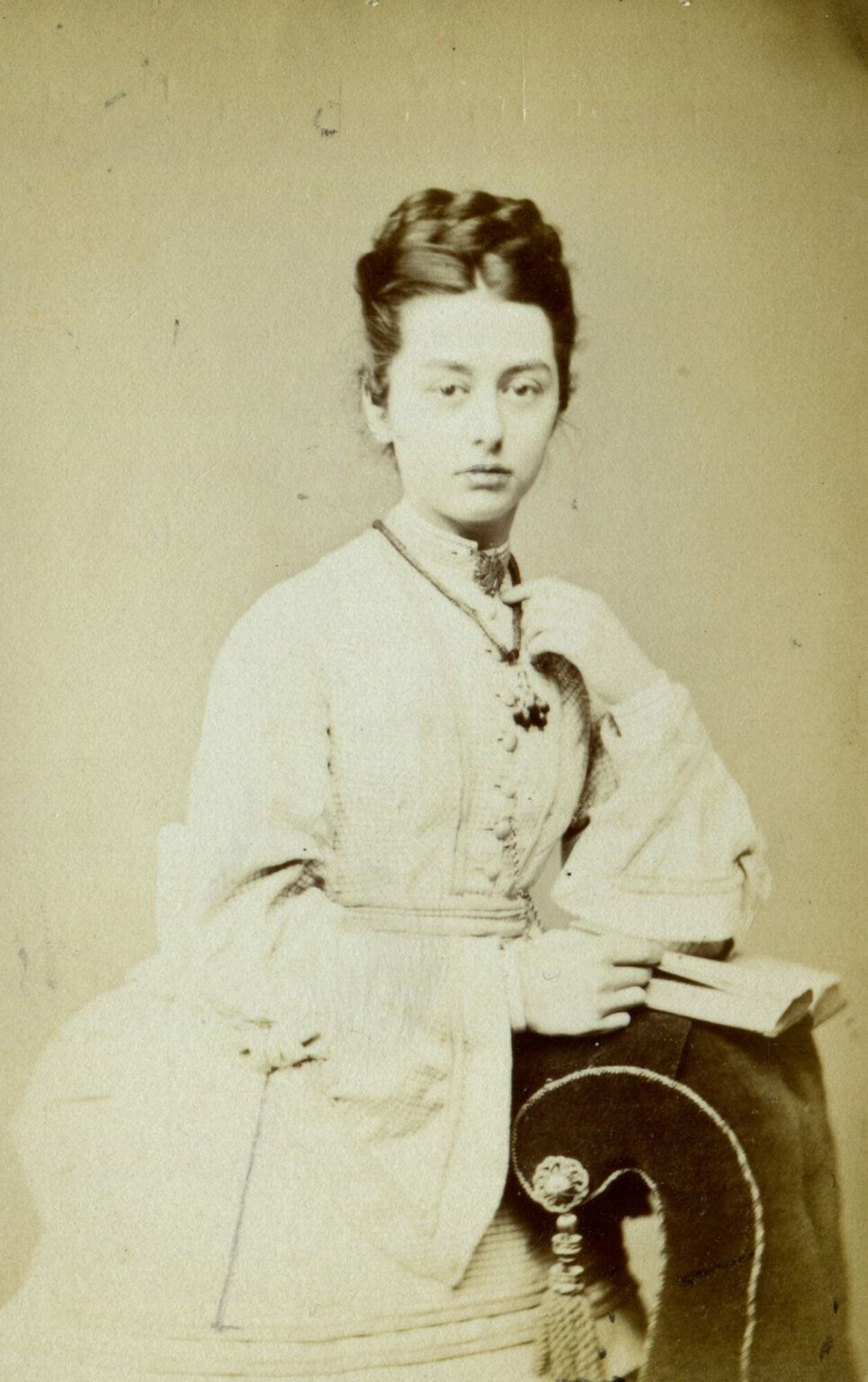
Emily Williamson (above) and others founded the society, granted a royal charter in 1904. She invited fellow female conservationists to her home in Didsbury (Manchester) to sign a pledge to wear no feathers, to help her favourite species (the great crested grebe) from being hunted to extinction for its plumage. She called the activities of the hat trade ‘murderous millinery’.
Her letters to the British Ornithologists’ Union were ignored, so this is why she co-founded the RSPB (originally called the ‘Fur, Fin and Feather Folk of Croydon!’ And in 1921, an act was passed to ban the import of exotic bird skins.
Emily and her solicitor husband Robert Wood had no children, so put their energies into a large Alpine garden near their home, which today is Fletcher Moss Park, a haven for local wildlife.
Emily also founded a local training college for nurses to help babies, a Gentlewoman’s employment association and a loan training fund to help fund education for women.
Professor Melissa Bateson is a respected zoologist, who specialises in the behaviour of birds such as European starlings. Her late father Professor Sir Patrick Bateson also spent his entire life studying birds. Yet both were unaware (until they researched their ancestry) that they were related to Emily Williamson!
Emily lived in Didsbury, Manchester
Until her husband’s death (when Emily moved to London), she lived in Didsbury, an affluent suburb of Manchester, around 5 miles from the city centre. Known for its leafy streets and independent bouquets, its on the north bank of the River Mersey, which separates it from the county of Cheshire. It has a dedicated tram line that connects residents to the city in under 30 minutes.
It’s here that you’ll find Emily’s old home within the grounds of Fletcher Moss Botanical Gardens. It was donated to the people of Manchester in 1919 by Alderman Fletcher Moss, Emily’s neighbour who was a devout animal enthusiast (many of his dogs and a horse are buried in the garden’s pet cemetery).
The park is loved by local wildlife including many butterflies, and many birds, including migrating feathered friends from Africa – Emily would be very pleased!
Dogs are allowed in some areas of the park with rules and restrictions.
The nearest stations are East Didsbury (railway) or Didsbury Village metrolink tram. Entrance to the park is free.
Etta Lemon (campaigned against bird-harming ornithologists)
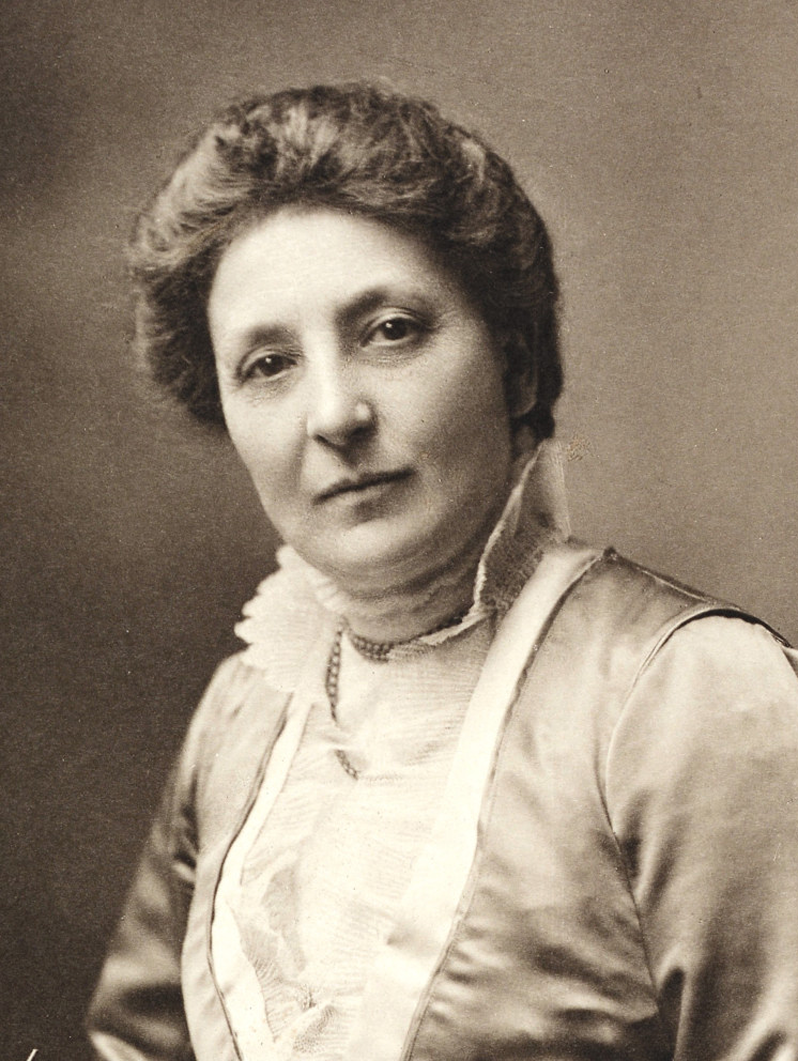
Etta Lemon played a pivotal role too in founding the RSPB. Born into an evangelical Christian family, she too campaigned against the use of bird feathers in the hat-making industry.
She fell out with many ornithologists over their habits of collecting eggs and killing birds to study their skins, seeking them as part of the problem that she and others were trying to solve.
Eliza Philips (a tireless campaigner for animal welfare)
Eliza Philips was born in Wandsworth (then part of Surrey) and began her animal welfare capmaigns after witnessing suffering cattle on a sea voyage. She moved on her marriage to Tunbridge Wells, where she became a central figure in one of the first branches of the RSPCA.
After being widowed twice, she dedicated her life to helping birds, publishing leafets to educate wealthy women on the animal welfare and environmental damage caused by wearing feathered hats. She also campaigned against using real berries on hats, to preserve bird food sources.
She left a sizeable estate (over £7 million in today’s money), half of which was left ‘for the protection and relief of suffering of beasts and birds’).
There apparently is not photograph in existence of her. So it’s up to us to honour her work with ours.
The history of hat-making in England
Back in the 1930s, hat-making was the main industry of the town of Luton (Bedfordshire) which now has its main employer as Luton Airport (there is controversy over plans to build a runway which will decimate local hedgerows and wildlife – this airport also has one of the worst reviews (for waiting times, huge car park charges and disabled access) in the country, they need to sort that out first before making the airport bigger.
At its peak, Luton made around 70 million hats a year. Hat-making here grew from a cottage industry in the mid 1960s to a major one, mainly due to local chalk soil meaning it grew a unique wheat straw, ideal for plaiting. When wartime blocks cut off Britain’s supply of straw from Italy, local workers stepped in, and a new thriving industry was born. Young children were even taught the trade from as young as three years old.
And in the late 1870s with invention of sewing machines, the industry soared (with over 500 hat-makers in Luton alone). Even during the Great Depression, there was low unemployment here. But this also meant adding new materials for the fashionable hat industry, which included wool and feathers.
Today Luton still has a few hat-makers (around 10 or 15), often working from the old Victorian commercial spaces. Thankfully not from feathers, but more panama hats made from straw.
Do hat makers still use feathers?
A few do, unfortunately. There are more regulations these days, but birds are still killed or farmed for feathers, to make hats. Most are by-products of the food industry (such as pheasant, partridge, mallard and geese), often sourced from country estates that hold take money for shoots. Few feathers for the hat industry are collected by hand from natural moulting. Although it’s illegal for protected or endangered wild birds to be usd for the fashion industry. Some hat makers even use feathers from factory-farmed turkeys.
Thre are plenty of plant-based alternatives to feathers for hats. Including stalks from banana trees that produce quill-type feathers and bamboo yarns (and of course, feathers are rarely worn on hats today anyway). Modern makers are only really making them for events like Ascot (with concerns for better horse racing welfare).
What does the RSPB do today?
RSPB is England’s largest nature conservation charity, with over 1.1 million members. Like all big charities, it has its critics on funding PR and marketing (and it controversially sometimes kills crows, foxes and & to ‘protect ground-nesting birds’ whereas there are better ways, like restoring natural habitats). Hopefully this policy will change soon.
Others wonder why RSPB does not sell Feather Friendly bird tape and other effective methods to prevent birds flying into windows (these are proven to work worldwide, yet in the UK you can only buy it on Etsy). It could also use its power to help campaign and fund builders to use bird-friendly glass (that has UV etchings that they can see, but we can’t). This could save millions of birds from dying each year in the UK and beyond.
Others are not fans of the charity supporting large-scale wind turbines (modern versions including ones without blades are better, but there are still wildlife concerns).
It’s a shame as the rest of the work it does is great. In 1997, there were just 11 booming male bitterns left in the UK. Thanks to the RSPB restoring wetland reedbeds, it has helped to bring numbers up to well over 200 birds.
The charity also lobbies government for tougher laws on wildlife crime (like illegal poisoning of birds of prey) and nature-friendly farming practices.
It was the RSPB that helped to ban industrial sandeel fishing to protect the primary food source (those silvery fish you see in puffin photos) for endangered seabirds. The EU is up in arms about it, but we now have puffin numbers restoring in Northumberland and Dogger Bank (a sandbank off the coast of Yorkshire, in the North Sea).
It also is involved in campaigns for builders to use swift bricks and hedgehog highways for new housing developments.
Like the National Trust, RSPB is one of England’s biggest landowners, with over 220 nature reserves, using funds to buy depleted landscapes like Roundbarrow Farm (a former intensive dairy farm in Wiltshire, that has been turned into a biodiverse chalk grassland reserve).
The reserves help to protect not just birds, but over 18,700 other species including otters, red squirrels (habitats are the main way to save them, not culling greys), orchids and rare fungi.
Their Centre for Conservation Science monitors birds on the ‘concern’ Red List, and this information is used to call for governments to include wildlife protection in home-building plans.
Quite a feisty charity (like Emily herself!)
In 2023, the charity clashed with then-Prime Minister Rishi Sunak (and former ministers Michael Gove and Therese Coffey) over breaking pledges to protect the environment. It accused them of weakening rules to scrap water pollution restructions for new housing developments.
It also is not afraid to call out the Countryside Alliance for not doing more to prevent floods and protecting illegal birds of prey, within the bird shooting industry.